
No products in the cart.
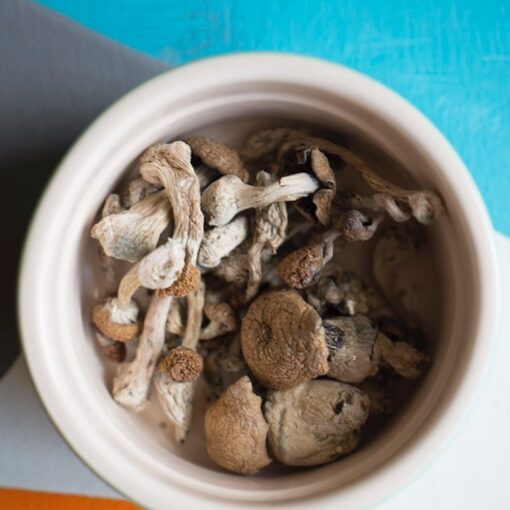
Psilocybe stuntzii – Pacific Northwest Insight Mushroom
Price range: $190.00 through $890.00
Psilocybe stuntzii, native to the Pacific Northwest, offers a gentle psilocybin experience with grounding, emotional balance. Legal and lab-tested by licensed vendors.
Psilocybe stuntzii: Identification, Lookalikes, Potency & Pacific Northwest Ecology
Featured Answer: Psilocybe stuntzii is a psilocybin-containing mushroom native to the Pacific Northwest that commonly grows in bark mulch, woodchips, and landscaped lawns. It can be identified by its hygrophanous brown cap, persistent stem ring, blue bruising, and dark purplish-brown spore print, but it closely resembles deadly species, making microscopy and spore-print analysis essential.
Quick Facts: Psilocybe stuntzii
| Feature | Detail |
|---|---|
| Scientific Name | Psilocybe stuntzii Guzmán & Ott |
| Family | Hymenogastraceae |
| Common Names | Stuntz’s Blue Legs, Blue Ringers mushroom |
| Primary Habitat | Bark mulch, woodchips, landscaped lawns |
| Geographic Range | Washington, Oregon, British Columbia |
| Fruiting Season | September through December |
| Cap Diameter | 1.5 – 5 cm |
| Stem Length | 4 – 9 cm |
| Spore Print Color | Dark purplish-brown to violet-brown |
| Spore Dimensions | 9–12 × 6–8 micrometers |
| Blue Bruising | Present (psilocin oxidation) |
| Chemical Compounds | Psilocybin, psilocin, baeocystin |
| Potency | Low to moderate |
| Key Lookalikes | Galerina marginata, Conocybe filaris |
| Lookalike Risk | Fatal (amatoxin-containing species) |
What Is Psilocybe stuntzii?
Psilocybe stuntzii is a psilocybin-producing mushroom in the family Hymenogastraceae, native to the Pacific Northwest of North America. Commonly called Stuntz’s Blue Legs or the Blue Ringers mushroom, it is one of the few lawn-dwelling Psilocybe species in the Pacific Northwest (PNW) adapted to thrive in urban and disturbed environments — fruiting in bark mulch beds, landscaped parks, and residential lawns with remarkable consistency across Washington, Oregon, and British Columbia.
The species was formally described by mycologist Daniel Stuntz, for whom it is named, and characterized in the scientific literature through the taxonomic work of Gastón Guzmán, whose foundational monographs on the genus Psilocybe remain among the most authoritative references in the field. Guzmán’s work established the morphological and chemical criteria by which Psilocybe species — including P. stuntzii — are distinguished from superficially similar but phylogenetically distinct genera.
What makes Psilocybe stuntzii scientifically significant is its ecological niche. Unlike many Psilocybe species that fruit in remote or forested settings, P. stuntzii colonizes nutrient-rich disturbed substrates in human-modified landscapes. This habitat preference makes it one of the most frequently encountered active mushrooms in Washington state and a persistent subject of interest within Pacific Northwest mycology communities.
Despite its recognizable features, Psilocybe stuntzii presents serious identification challenges. Several morphologically similar species — including fatally toxic fungi — occupy the same habitats and fruit during the same seasonal window. Accurate identification requires more than casual field observation; it demands a disciplined, multi-feature approach combining macroscopic assessment, spore-print analysis, and microscopy.
“The safest mushroom identification integrates habitat observation, morphological assessment, spore-print analysis, and microscopy. Relying on any single visual characteristic — including blue bruising — introduces an unacceptable margin of error when toxic lookalikes are present in the same environment.”
Psilocybe stuntzii Taxonomy and Classification
| Classification Level | Name |
|---|---|
| Kingdom | Fungi |
| Phylum | Basidiomycota |
| Class | Agaricomycetes |
| Order | Agaricales |
| Family | Hymenogastraceae |
| Genus | Psilocybe |
| Species | Psilocybe stuntzii Guzmán & Ott |
Historical Taxonomy and Nomenclature
Psilocybe stuntzii was formally described in the 1970s following collections made in the Pacific Northwest by Daniel Stuntz, a mycologist at the University of Washington whose contributions to regional fungal taxonomy were substantial. The species was subsequently characterized by Gastón Guzmán, whose comprehensive monograph The Genus Psilocybe (1983) established the morphological, chemical, and ecological framework within which P. stuntzii has been studied ever since.
Molecular phylogenetic analysis — particularly ITS (Internal Transcribed Spacer) sequencing, the standard DNA barcoding region for fungal identification — has since confirmed P. stuntzii’s placement within the core Psilocybe clade and supported the broader reorganization of its family from Strophariaceae to Hymenogastraceae. This reclassification, driven by molecular phylogeny rather than morphology alone, reflects the ongoing refinement of fungal taxonomy through genomic methods.
Voucher specimens supporting the original description are maintained in fungal herbarium collections, and the species is registered in authoritative nomenclatural databases including MycoBank and Index Fungorum, which serve as the primary global repositories for fungal name validation.
The genus Psilocybe is defined both morphologically and chemically. Most species in the chemically active clade produce indole alkaloids — primarily psilocybin, psilocin, and baeocystin — with psilocin responsible for the blue bruising reaction observed when fungal tissue is damaged. Psilocybe stuntzii produces all three compounds, placing it firmly within this chemically active lineage.
Psilocybe stuntzii Identification: A Feature-by-Feature Guide
Reliable Psilocybe stuntzii identification requires systematic evaluation of multiple morphological features. No single feature — including blue bruising — is sufficient for definitive identification. The following breakdown represents current best practice in field and laboratory assessment.
Pileus (Cap)
The cap of Psilocybe stuntzii measures approximately 1.5 to 5 centimeters in diameter at maturity. In young specimens, it is broadly conic to convex with an inrolled margin; as it matures, it flattens and may develop a low, broad umbo. The surface texture of the pileipellis (outer cap layer) is smooth to slightly viscid when wet, lacking scales or prominent fibrils.
Cap color is strongly hygrophanous — a diagnostically critical feature in which the cap changes color as moisture content fluctuates. In wet conditions, the cap presents as chestnut brown to caramel brown, often with a translucent, striate margin through which the gills are faintly visible. As the cap desiccates, color fades to pale buff or yellowish-tan from the center outward, creating a two-toned appearance that experienced observers recognize as characteristic of the species. Veil remnants may persist along the cap margin in immature specimens, appearing as fine, cottony fibrils.
Lamellae (Gills)
The gills are adnate to adnate-sinuate, attaching broadly to the stipe or meeting it with a slight notch. They are closely spaced and progress developmentally from pale gray to cinnamon, darkening to dark violet-brown as basidiospores mature. Gill edges are finely fimbriate and typically paler than the gill faces.
This progressive darkening — from pale to dark violet-brown — aligns directly with the spore print color and constitutes an important developmental marker for separating P. stuntzii from species that retain lighter gill coloration at maturity.
Stipe (Stem)
The stem measures 4 to 9 centimeters in height and 3 to 6 millimeters in diameter, roughly cylindrical and sometimes slightly clavate at the base. It is hollow to loosely stuffed with pith-like mycelial tissue. The surface is smooth to silky-fibrous, whitish to pale brown, and bruises blue to blue-green when handled — a consequence of psilocin oxidation.
The stipe bears a persistent, membranous annulus in its upper third — one of the defining macroscopic features of Psilocybe stuntzii and a key character for distinguishing it from closely related species that lack a durable ring. The annulus commonly darkens from deposited spores, taking on a violet-brown coloration that mirrors the mature spore print. Fine white rhizomorphs at the stem base anchor the basidiocarp to its woody substrate.
Blue Bruising
Blue bruising is among the most discussed features of psilocybin-producing fungi, but it is widely — and dangerously — misapplied as a standalone identification criterion. In Psilocybe stuntzii, bruising occurs when psilocin undergoes enzymatic oxidation following tissue damage, producing blue-pigmented quinoid compounds visible on the stipe, cap flesh, and cut surfaces.
Bruising intensity varies based on specimen age, moisture content, ambient temperature, and psilocin concentration. Older or desiccated specimens may bruise weakly or not at all. Furthermore, superficial discoloration in some toxic species can be visually confused with true psilocin-derived bluing by an inexperienced observer. Blue bruising must therefore be treated as a corroborating feature within a multi-character assessment — not a primary identifier.
“Blue bruising is neither a reliable proxy for potency nor a definitive identification marker. It is a supporting characteristic that gains diagnostic value only when interpreted alongside spore print color, habitat, annulus presence, and microscopic features.”
Spore Print
A mature Psilocybe stuntzii spore print is dark purplish-brown to violet-brown — a characteristic consistent across the chemically active Psilocybe clade. This color is diagnostically significant because the most dangerous lookalikes, including Galerina marginata, produce a distinctly different rusty-brown to cinnamon-brown spore print.
Obtaining a reliable spore print requires placing a mature cap, gill-side down, on white paper in a draft-free environment for a minimum of four to six hours. The resulting deposit should be evaluated in natural light. This single procedural step eliminates a substantial fraction of dangerous misidentifications and should be considered mandatory protocol when evaluating any unknown small brown mushroom in the Pacific Northwest.
Microscopic Features
At the microscopic level, Psilocybe stuntzii presents a consistent suite of features:
- Basidiospores: Subellipsoid to rhomboid, smooth-walled, with a distinct apical germ pore. Dimensions approximately 9–12 × 6–8 micrometers.
- Basidia: Four-spored, club-shaped.
- Cheilocystidia: Present on gill edges; fusoid to lageniform (bottle-shaped), providing a distinguishing microscopic signature.
- Pleurocystidia: Absent or rare on gill faces.
- Lignin decomposition: Enzymatic activity consistent with white-rot or brown-rot saprotrophic strategy on woody substrates.
Microscopy is the gold standard for Psilocybe stuntzii identification. The combination of smooth-walled spores with a distinct germ pore and lageniform cheilocystidia provides a microscopic profile that no known dangerous lookalike replicates. Under a calibrated compound microscope, this comparison is unambiguous and represents the most definitive identification method accessible outside of formal laboratory analysis.
Common Misconceptions About Psilocybe stuntzii Identification
Several persistent misconceptions increase identification risk and deserve direct correction.
Myth: Blue bruising confirms the mushroom is Psilocybe stuntzii.
Fact: Blue bruising indicates the presence of oxidizable indole compounds, most commonly psilocin, but does not distinguish P. stuntzii from other bluing Psilocybe species or confirm the absence of co-occurring toxic lookalikes. Some toxic species may also exhibit limited discoloration. Bruising must always be interpreted alongside other features.
Myth: A stem ring alone identifies Psilocybe stuntzii.
Fact: Both Galerina marginata and Conocybe filaris — two fatally toxic species — also produce stem rings. Annulus presence narrows the candidate list but does not resolve identification.
Myth: Psilocybe stuntzii only grows in forests.
Fact: P. stuntzii is one of the most consistently urban-adapted Psilocybe species in North America, fruiting in landscaped mulch beds, residential lawns, and parks. Forested settings are not required.
Myth: If a mushroom doesn’t look like Galerina, it’s safe.
Fact: Galerina marginata exhibits substantial morphological variability across developmental stages and environmental conditions. Comparative identification requires objective feature assessment, not gestalt impression.
Where Does Psilocybe stuntzii Grow? Habitat and Distribution
Where Psilocybe stuntzii grows is as diagnostically relevant as its morphological features. This species occupies a narrow but densely inhabited ecological niche: nutrient-rich, disturbed substrates in temperate, high-precipitation environments.
Primary Habitat: Bark Mulch and Woodchips
Psilocybe stuntzii demonstrates a strong and consistent preference for bark mulch and woodchip beds — substrates that provide the cellulosic nutrition and moisture retention the species requires. It fruits most prolifically in conifer-derived mulch, particularly in municipal parks, garden borders, residential landscaping, and urban green spaces where wood-based ground cover is regularly applied or replenished.
This substrate preference reflects the species’ role as a saprotrophic fungus — an organism that obtains nutrition through the enzymatic decomposition of dead organic matter. P. stuntzii contributes to lignin decomposition and broader nutrient cycling in disturbed ecosystems, breaking down lignocellulosic material in environments where native fungal communities have been altered or displaced.
Landscaped Lawns
Psilocybe stuntzii is among the few documented lawn-dwelling Psilocybe species in the Pacific Northwest (PNW), fruiting in maintained grass lawns — particularly those adjacent to mulched beds or containing buried woody debris. This lawn habitat association distinguishes it within the genus and directly contributes to its frequency in residential and urban settings.
Geographic Distribution: Pacific Northwest Core Range
According to occurrence data aggregated by GBIF (Global Biodiversity Information Facility) and mycological survey records compiled by the North American Mycological Association (NAMA), Psilocybe stuntzii is distributed primarily across the maritime Pacific Northwest, with the highest documented occurrence in:
- Washington state — particularly the greater Puget Sound region, including Seattle and surrounding suburban areas
- Oregon — especially the Willamette Valley and coastal counties
- British Columbia — particularly Greater Vancouver and the Fraser Valley
The species’ range correlates closely with the temperate maritime climate characteristic of this region: mild winters, cool wet autumns, and high annual precipitation that sustains the soil moisture and moderate temperatures P. stuntzii requires for successful fruiting.
Seasonality
Peak fruiting occurs from September through December, with the highest concentration of records following the first significant autumn rains. Fruiting may extend into January during mild winter conditions. This seasonal window represents the primary period during which field identification accuracy and lookalike awareness are most operationally critical.
Psilocybe stuntzii Lookalikes: Species That Demand Caution
The most consequential challenge in Pacific Northwest mycology is accurately separating Psilocybe stuntzii from morphologically similar species, several of which are fatally toxic. The following represent the highest-priority identification concerns.
Galerina marginata — The Critical Lookalike
Galerina marginata vs Psilocybe stuntzii is the most important comparison in small brown mushroom identification in the Pacific Northwest. Galerina marginata contains amatoxins — specifically alpha-amanitin — which cause delayed, progressive hepatic and renal failure. Published toxicological case reports document fatalities following ingestion of as few as one or two mature caps, with onset of severe symptoms typically delayed 6–24 hours after consumption, a characteristic that often prevents timely medical intervention.
The morphological overlap with P. stuntzii is substantial: both are small brown mushrooms with brown hygrophanous caps and stem rings, both fruit on woody debris and mulched substrates, and both are active in the same geographic region during the same seasonal window.
Key distinguishing features:
| Feature | Psilocybe stuntzii | Galerina marginata |
|---|---|---|
| Spore print color | Dark purplish-brown | Rusty brown to cinnamon |
| Blue bruising | Present | Absent |
| Primary habitat | Mulch, lawns, woodchips | Logs, stumps, buried wood |
| Spore wall texture | Smooth, with germ pore | Roughened, no distinct germ pore |
| Amatoxin content | Absent | Present (alpha-amanitin) |
“The most reliable field distinction between Psilocybe stuntzii and Galerina marginata is spore print color. Psilocybe stuntzii produces a dark purplish-brown to violet-brown spore print, while Galerina marginata produces a rusty-brown to cinnamon-brown print and contains amatoxins capable of causing fatal organ failure.”
A rusty-brown spore print on any small brown mushroom bearing a stem ring is a serious toxicological warning that demands immediate caution.
Conocybe filaris (Pholiotina rugosa)
Conocybe filaris — also listed under the synonym Pholiotina rugosa — is an additional amatoxin-containing species sharing habitat and general morphology with Psilocybe stuntzii. It is characteristically smaller and more slender than Galerina marginata, and its annulus may be fragile and deciduous, sometimes absent from encountered specimens — a feature that can further complicate visual assessment.
Spore print color in Conocybe filaris is rusty brown to cinnamon, directly consistent with Galerina marginata and sharply distinct from the purplish-brown print of P. stuntzii. Microscopic examination reveals roughened spores without a prominent germ pore, providing an unambiguous microscopic separator from Psilocybe stuntzii.
Other Regional Psilocybe Species
Within the genus itself, P. stuntzii may be confused with Psilocybe cyanescens (which lacks a persistent annulus and shows a slightly different habitat pattern within woodchip beds), Psilocybe baeocystis (found more commonly on conifer duff and forest debris), and Psilocybe semilanceata (distinguished by its distinctly conic cap and exclusive growth in grass without a stem ring).
Each comparison reinforces the same methodological principle: genus-level identification is insufficient for safe determination. Accurate species-level assessment requires integrating habitat data, macroscopic morphology, spore print, and microscopy as a unified protocol.
Psilocybe stuntzii Potency and Chemical Profile
Psilocybe stuntzii is documented to contain psilocybin, psilocin, and baeocystin — the three primary indole alkaloids associated with psychoactive activity in the genus Psilocybe. Psilocybin functions as a phosphorylated prodrug, converted in vivo to psilocin through enzymatic dephosphorylation by alkaline phosphatase. Psilocin acts as a tryptamine agonist at serotonin receptors and is responsible for both psychoactive effects and the visible bluing reaction.
Potency Assessment
Psilocybe stuntzii potency is generally characterized as low to moderate relative to other regional Psilocybe species. Comparative analyses in the peer-reviewed literature — including studies published in journals such as Mycologia and Economic Botany — suggest that P. stuntzii produces lower psilocybin concentrations than Psilocybe cyanescens and Psilocybe azurescens, both considered among the most potent Psilocybe species documented in the Pacific Northwest.
Precise alkaloid quantification specific to P. stuntzii remains limited in the published literature, and significant inter-specimen variability is expected based on substrate composition, developmental stage, environmental conditions, and geographic provenance. Published potency estimates should be regarded as approximations rather than fixed values; direct comparison between specimens from different locations or growing conditions is scientifically unreliable without controlled analytical conditions, such as high-performance liquid chromatography (HPLC).
The Bluing Reaction
The bluing reaction in Psilocybe stuntzii is a biochemical oxidation event. Physical disruption of fungal tissue activates enzymatic pathways that convert psilocin into blue-pigmented quinoid compounds — a reaction that is temperature-dependent and substrate-sensitive. The bluing reaction occurs most visibly in fresh, moist, psilocin-rich tissue, and weakly or not at all in aged, desiccated, or low-potency specimens.
Current research supports a correlational but non-absolute relationship between bluing intensity and psilocin concentration. Bluing intensity is neither a reliable proxy for potency nor, in isolation, a definitive identification marker.
Psilocybe stuntzii Spores: Morphology and Legal Status
Spore Morphology
Psilocybe stuntzii produces subellipsoid to rhomboid basidiospores with smooth walls and a distinct apical germ pore, measuring approximately 9–12 micrometers in length and 6–8 micrometers in width under calibrated light microscopy. The germ pore — the aperture through which the germination tube emerges during spore activation — is a diagnostically critical microscopic feature.
The presence of a smooth wall combined with a distinct germ pore distinguishes P. stuntzii spores definitively from those of Galerina marginata (rough-walled, without a distinct germ pore) and Conocybe filaris (similarly rough-walled). Under a compound microscope equipped with a calibrated ocular micrometer, this comparison is unambiguous and constitutes the most reliable identification method available without formal laboratory instrumentation. Morphological data consistent with published descriptions in Guzmán’s monograph and records maintained by MycoBank and Index Fungorum confirm this spore profile as taxonomically stable across documented populations.
Spore print color — dark purplish-brown to violet-brown — reflects the pigmentation of mature basidiospores and is reproducible across specimens. It remains among the most reliable and accessible macroscopic identification features for field evaluation.
Legal Status of Psilocybe stuntzii Spores
The legal status of Psilocybe stuntzii spores in the United States is determined by the regulatory treatment of psilocybin and psilocin as Schedule I controlled substances under the Controlled Substances Act. Mature basidiospores of Psilocybe species do not typically contain psilocybin or psilocin in detectable quantities, meaning that in most U.S. jurisdictions, spores acquired for microscopy and taxonomic study occupy a legal category distinct from actively producing mycelium or fruiting bodies.
This distinction is jurisdiction-specific and subject to ongoing legislative change. Several states — including California, Georgia, and Idaho — have enacted statutes explicitly prohibiting possession of Psilocybe spores regardless of stated purpose. Germination of spores into psilocybin-producing mycelium constitutes federal manufacture of a Schedule I controlled substance and is prohibited under federal law.
Anyone researching Psilocybe stuntzii spores for scientific, taxonomic, or educational purposes should verify current applicable law in their specific jurisdiction before acquiring or handling any materials. This article does not constitute legal advice.
Identification Protocol: A Systematic Approach
Given the serious risks posed by Psilocybe stuntzii lookalikes, a structured identification protocol is essential. The following sequence represents the methodological standard recommended for evaluating any unknown small brown mushroom in the Pacific Northwest.
Step 1 — Document habitat and substrate. Record substrate type (mulch, wood, lawn, log), surrounding vegetation, and geographic location. Habitat data narrows the candidate species list before morphological evaluation begins.
Step 2 — Photograph all morphological features in situ. Capture cap surface, gill attachment and coloration, stem ring position and texture, stem base, and any visible bruising before handling to preserve original condition.
Step 3 — Obtain a spore print. Place a mature cap gill-side down on white paper in a draft-free environment for a minimum of four to six hours. Evaluate the deposited print in natural light. Dark purplish-brown is consistent with Psilocybe; rusty brown or cinnamon demands immediate reassessment of species identity.
Step 4 — Assess blue bruising. Handle the stem and section the cap flesh. Note the presence, speed, and intensity of blue-green discoloration. Absence of bruising does not confirm safety; presence supports — but does not confirm — Psilocybe.
Step 5 — Conduct microscopic examination. Prepare spore mounts and gill tissue sections. Evaluate spore morphology, wall texture, germ pore presence, and cheilocystidia form against published descriptions in authoritative references such as Guzmán’s monograph or validated records in MycoBank and Index Fungorum. This step is the definitive separator between Psilocybe stuntzii and its toxic lookalikes.
Step 6 — Cross-reference all findings. No single feature is diagnostic in isolation. A confirmed identification requires concordance across habitat, macroscopic morphology, spore print color, and microscopy.
How Does Psilocybe stuntzii Contribute to Urban Ecosystems?
Psilocybe stuntzii functions as a saprotrophic fungus in Pacific Northwest urban and disturbed ecosystems. By colonizing bark mulch, woodchip beds, and woody debris in human-modified landscapes, it contributes enzymatically to lignin decomposition and cellulose breakdown — accelerating nutrient release into the soil system and supporting broader soil food web dynamics.
This ecological role positions P. stuntzii at the functional interface between urban landscaping practice and mycological diversity. As urban green spaces increasingly rely on wood-based mulches for moisture retention and weed suppression, saprotrophic fungi like P. stuntzii occupy an expanding niche — one that may make them disproportionately relevant to research on mycoremediation, fungal succession dynamics in disturbed habitats, and the broader ecology of human-modified ecosystems.
Current studies in urban mycology suggest that disturbed substrates support greater Psilocybe diversity than previously recognized, with species like P. stuntzii serving as ecological indicators of organic substrate quality and fungal community succession. According to published mycological literature, wood-based urban mulches may function as dispersal corridors for saprotrophic Psilocybe populations across otherwise fragmented urban landscapes.
Conservation and Research Context
Psilocybe stuntzii has not been formally evaluated under any conservation framework, and its status in Pacific Northwest urban ecosystems appears stable given the continued availability of suitable substrate across the region. Its research potential, however, extends well beyond taxonomy.
Peer-reviewed analyses increasingly recognize Psilocybe species as subjects of significant interest in pharmacological research, with psilocybin under active clinical investigation for applications in treatment-resistant depression, end-of-life anxiety, and addiction. Within this context, chemically active species with accessible ecological profiles — including P. stuntzii — contribute to comparative studies of indole alkaloid biosynthesis, the evolutionary function of psilocybin production in fungi, and the pharmacognostic diversity of the genus.
The unresolved question of why Psilocybe species produce psilocybin — whether as a defense compound, a soil microbiome modulator, or an ecological signaling molecule — is one that comparative studies of ecologically unusual species like P. stuntzii are well-positioned to inform. As DNA barcoding and ITS sequencing continue to refine species boundaries within Psilocybe, and as herbarium voucher specimens support retrospective chemical analysis, the taxonomic and chemical data associated with P. stuntzii will gain increasing research relevance.
Frequently Asked Questions
What is Psilocybe stuntzii?
Psilocybe stuntzii is a psilocybin-producing mushroom in the family Hymenogastraceae, native to the Pacific Northwest. It grows in bark mulch, woodchips, and landscaped lawns and is identified by its hygrophanous brown cap, persistent stem ring, blue bruising, and dark purplish-brown spore print. It is commonly known as Stuntz’s Blue Legs or the Blue Ringers mushroom.
How do you identify Psilocybe stuntzii?
Reliable identification requires evaluating habitat, cap hygrophanous color change, persistent annulus, blue bruising, spore print color, and microscopic features including spore morphology, germ pore presence, and cheilocystidia form. Because morphologically similar deadly species exist in the same habitats, microscopy is an essential component of any confident identification.
Where does Psilocybe stuntzii grow?
Psilocybe stuntzii grows primarily in Washington, Oregon, and British Columbia, fruiting in landscaped bark mulch, woodchip beds, maintained lawns, parks, and residential gardens during the autumn rainy season. It is one of the most consistently urban-adapted Psilocybe species documented in North America.
What are the most dangerous Psilocybe stuntzii lookalikes?
Galerina marginata and Conocybe filaris are the two most dangerous lookalikes. Both species contain amatoxins capable of causing fatal hepatic failure, both produce stem rings, and both share habitat and fruiting season with P. stuntzii. Spore print color is the most accessible field-level separator: P. stuntzii produces a dark purplish-brown print; both toxic lookalikes produce rusty brown to cinnamon prints.
What color is a Psilocybe stuntzii spore print?
A mature spore print is dark purplish-brown to violet-brown. This directly distinguishes it from the rusty-brown to cinnamon-brown spore prints of Galerina marginata and Conocybe filaris — the species’ most dangerous lookalikes.
Why does Psilocybe stuntzii bruise blue?
Blue bruising occurs when psilocin in the fungal tissue undergoes enzymatic oxidation following physical damage, producing blue-pigmented quinoid compounds. Bruising intensity varies with specimen age, moisture content, and psilocin concentration and should be treated as a corroborating feature rather than a primary identification criterion.
Are Psilocybe stuntzii spores legal in the United States?
In most states, spores acquired for microscopy and taxonomic study do not contain controlled substances and may occupy a legal category distinct from active fungal material. However, several states explicitly prohibit Psilocybe spore possession, and germination into psilocybin-producing mycelium is federally prohibited under the Controlled Substances Act. Applicable local laws should always be verified before acquiring or handling any material.
Can Psilocybe stuntzii be cultivated indoors?
Psilocybe stuntzii is generally regarded as one of the more cultivation-resistant species within the genus. Cultivation of psilocybin-producing fungi is also federally prohibited and may be further restricted under applicable state statutes.
References and Authoritative Sources
The following sources represent the primary scientific and taxonomic authorities relevant to Psilocybe stuntzii identification, classification, and ecology. Readers conducting original research or requiring definitive nomenclatural verification should consult these resources directly.
Primary Taxonomic Literature
- Guzmán, G. (1983). The Genus Psilocybe: A Systematic Revision of the Known Species Including the History, Distribution, and Chemistry of the Hallucinogenic Species. Beihefte zur Nova Hedwigia, Heft 74. J. Cramer, Vaduz.
- Guzmán, G., Allen, J.W., & Gartz, J. (1998). A worldwide geographical distribution of the neurotropic fungi, an analysis and discussion. Annali del Museo Civico di Rovereto, 14, 189–280.
Nomenclatural Databases
- MycoBank (mycobank.org) — International Mycological Association database for fungal names and nomenclatural acts; primary registration source for Psilocybe stuntzii
- Index Fungorum (indexfungorum.org) — Global index of fungal nomenclature maintained by the Royal Botanic Gardens, Kew
- GBIF (Global Biodiversity Information Facility) (gbif.org) — Aggregated occurrence records for Psilocybe stuntzii across North American collections
Institutional and Society Resources
- North American Mycological Association (NAMA) (namyco.org) — Primary professional society for mycological research and education in North America
- University of Washington Herbarium — Repository of Daniel Stuntz’s original Pacific Northwest fungal collections
- MushroomExpert.com (mushroomexpert.com) — Peer-reviewed descriptive accounts of North American fungal species, including Galerina marginata and Psilocybe species
Peer-Reviewed Journals
- Mycologia — American Mycological Society journal; primary venue for North American Psilocybe taxonomy
- MycoKeys — Open-access journal publishing peer-reviewed fungal taxonomy, including molecular phylogenetic revisions of Hymenogastraceae
- Economic Botany — Historical venue for alkaloid and ethnomycological studies relevant to psilocybin-bearing species
Conclusion
Psilocybe stuntzii occupies a distinctive position in Pacific Northwest mycology — a chemically active, ecologically specialized species that bridges urban landscapes and wild fungal diversity. Its consistent presence in bark mulch beds, woodchip borders, and maintained lawns across Washington, Oregon, and British Columbia makes it among the most reliably encountered active mushrooms in Washington state and the broader Pacific Northwest region.
Its identification, however, demands the same rigorous standards applied to any potentially dangerous small brown mushroom. The convergence of P. stuntzii’s habitat preferences with those of Galerina marginata and Conocybe filaris — both lethal amatoxin-containing species — means that field identification relying on any single feature, including blue bruising, carries unacceptable risk. The diagnostic protocol is clear: habitat assessment, macroscopic evaluation, spore print analysis, and microscopy must be applied as an integrated system, not as independent tests.
“No single morphological feature — including blue bruising, stem ring presence, or cap color — reliably distinguishes Psilocybe stuntzii from its most dangerous lookalikes. Accurate identification requires convergent evidence across habitat, macroscopic morphology, spore print color, and microscopy. This is not a methodological preference; it is a toxicological necessity.”
For researchers, taxonomists, and mycology educators, Psilocybe stuntzii represents a scientifically valuable subject at the intersection of chemical ecology, urban mycology, and fungal taxonomy. As ITS sequencing and molecular phylogeny continue to refine species boundaries within the genus, and as clinical research into psilocybin expands the scientific relevance of indole alkaloid-producing fungi, the taxonomic precision and ecological data associated with P. stuntzii will only increase in value.
Engage with this species — and with all small brown mushrooms — with the precision the evidence demands.
| QUANTITY | OZ, 1/4 POUND, 1/2 POUND, POUND |
|---|
41 reviews for Psilocybe stuntzii – Pacific Northwest Insight Mushroom
Add a review
Related products
Price range: $170.00 through $830.00
This product has multiple variants. The options may be chosen on the product page 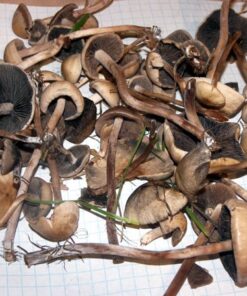
Price range: $190.00 through $890.00
This product has multiple variants. The options may be chosen on the product page 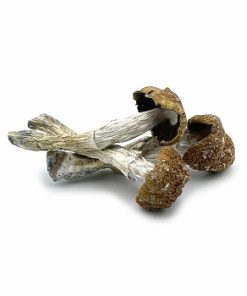
MAGIC MUSHROOMS
Price range: $180.00 through $890.00
This product has multiple variants. The options may be chosen on the product page 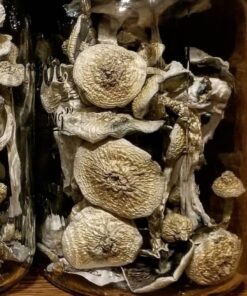
MAGIC MUSHROOMS
Price range: $178.00 through $840.00
This product has multiple variants. The options may be chosen on the product page 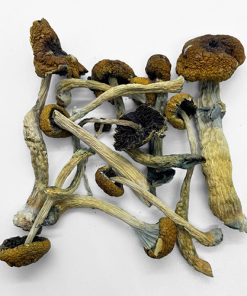
Price range: $185.00 through $920.00
This product has multiple variants. The options may be chosen on the product page 
MAGIC MUSHROOMS
Psilocybe Azurescens – Ultra-Potent Wild Psilocybin Mushroom
Price range: $180.00 through $870.00
This product has multiple variants. The options may be chosen on the product page 
Price range: $180.00 through $910.00
This product has multiple variants. The options may be chosen on the product page 
MAGIC MUSHROOMS
Price range: $175.00 through $850.00
This product has multiple variants. The options may be chosen on the product page
Raegan Valentine (verified owner) –
Shipping was fast, unmarked, and secure. Very professional.
Luca Nash (verified owner) –
Beautiful energy.
Amaya Rosenthal (verified owner) –
This changed the way I see my past, in the best way.
Clark Vincent (verified owner) –
Every color seemed to carry a message. I cried a little — not out of sadness, but because something in me finally felt seen.
Jacob Roberts (verified owner) –
You’re not just buying a product here — you’re entering a process that’s treated with integrity.
Raymond Joseph (verified owner) –
Every step felt respectful, like this wasn’t just about selling something — it was about helping someone reconnect with themselves.
Winston Harrell (verified owner) –
Discreet and efficient shipping.
Blake Russell (verified owner) –
Beautiful experience, smooth journey, and zero stress about shipping. These folks know exactly what they’re doing.
Delilah Holland (verified owner) –
Everything was discreet and smooth — no anxiety, just anticipation. And the product didn’t disappoint.
Louis Doyle (verified owner) –
Every thought felt intentional. Like my mind was guiding me through healing.
Sierra McKenzie (verified owner) –
Helped me reconnect with people in my life.
Joel Graham (verified owner) –
From start to finish, it felt like I was in good hands. Customer service was responsive and respectful, and the product was top-tier.
Julia Parker (verified owner) –
It helped me break through emotional blocks I didn’t even know were there.
Kendra Robbins (verified owner) –
A beautiful, sacred experience.
Ronin Chadwick (verified owner) –
I felt so much love during my trip. Thank you for making this safe.
Gerald Tate (verified owner) –
The emotional clarity I gained from this session is hard to put into words. It felt safe, guided, and surprisingly gentle.
Sierra Brewer (verified owner) –
I could finally see things clearly — emotionally, mentally, spiritually. The team behind this product made that clarity possible.
Tessa Carver (verified owner) –
The emotional insight I gained is invaluable.
Naomi Warren (verified owner) –
The journey itself was transformative, and it helped so much knowing the source was trustworthy and experienced.
Skye Zimmerman (verified owner) –
This isn’t just product delivery — it’s care, trust, and a commitment to a better experience.
Bryan Patterson (verified owner) –
Fast, private delivery and emotional peace I didn’t know I needed.
Briar Neely (verified owner) –
Everything about this experience was intentional and healing.
Paola Henson (verified owner) –
Great potency without being overwhelming.
Xavier Craig (verified owner) –
From the moment I received the package, I knew I was in for something different. I wasn’t wrong.
Cason Lockett (verified owner) –
I was able to forgive myself.
Annalise Owen (verified owner) –
Even before the trip, I felt calm — because everything about the ordering experience was solid and trustworthy.
Christian Evans (verified owner) –
My experience with this product was sacred, and the way it was delivered only enhanced that trust.
Jocelyn Spencer (verified owner) –
This gave me space to explore parts of myself without fear or confusion. Everything was clear, even the packaging.
Maurice Lowe (verified owner) –
This isn’t just about the trip — it’s about feeling safe, informed, and respected along the way. That’s exactly what I got here.
Katherine Powell (verified owner) –
Everything about this was thoughtful. It made me want to take the experience seriously — and I’m so glad I did.
Gabriella Barnes (verified owner) –
I used this in a quiet space with my journal, and by the end, I felt like I had released months of tension.
Oliver Estes (verified owner) –
The pieces maintained a nice texture after cooking.
Laura Boone (verified owner) –
It added a rich savory note to my dishes.
Christina Perry (verified owner) –
The flavor was balanced and enjoyable.
Walter Porter (verified owner) –
Everything about the product felt well prepared.
Brandon Robbins (verified owner) –
I enjoyed using it in several meals this week.
Shannon Robinson (verified owner) –
The product was easy to incorporate into meals.
Wayne Johnson (verified owner) –
The website made ordering fast and easy.
Shirley Flores (verified owner) –
The pieces were a good size for cooking.
Gregory Chandler (verified owner) –
The quality was exactly as described.
Ashley Rhodes (verified owner) –
It made preparing dinner much more convenient.