
No products in the cart.
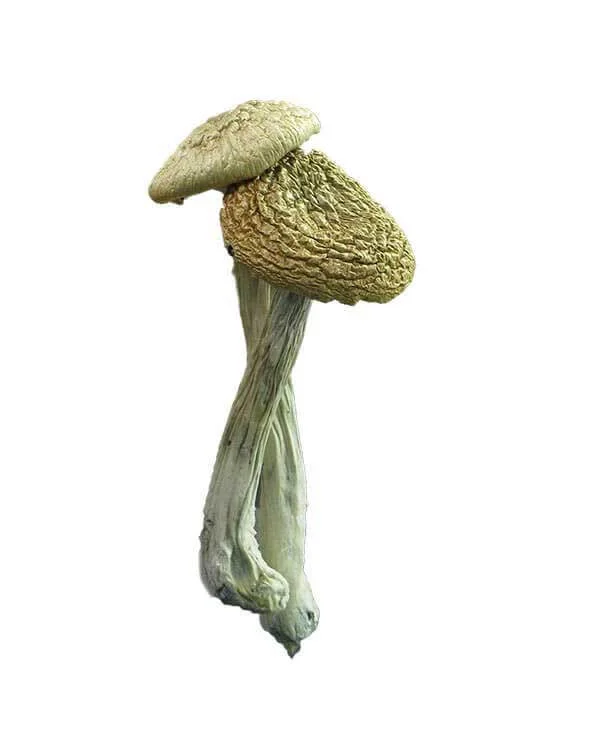
Psilocybe Azurescens – Ultra-Potent Wild Psilocybin Mushroom
Price range: $180.00 through $870.00
Discover the legendary power of Psilocybe Azurescens, a naturally potent, wild-growing psychedelic mushroom known for its intense visuals, high alkaloid content, and extended journeys.
Psilocybe Azurescens: Potency, Identification, Habitat, and Safety
Quick Facts: Psilocybe Azurescens
| Attribute | Detail |
|---|---|
| Species | Psilocybe azurescens Stamets & Gartz (1996) |
| Family | Hymenogastraceae |
| Common Name | Flying Saucer mushroom |
| Native Range | Coastal Oregon and Washington, Pacific Northwest |
| Primary Habitat | Decaying hardwood debris, sandy coastal soils, riparian woodland |
| Fruiting Season | Late September through January; peak October–November |
| Spore Print Color | Dark purplish-brown to violet-brown |
| Blue Bruising | Present; intense and rapid |
| Reported Psilocybin Content | Approximately 1.1%–1.8% dry weight |
| Deadly Lookalike | Galerina marginata (amatoxin-containing) |
| Legal Status | Controlled in most jurisdictions; spore laws vary |
What is Psilocybe azurescens?
Psilocybe azurescens is a wood-decomposing mushroom in the family Hymenogastraceae, native to the Pacific Northwest coast of North America. Formally described by Paul Stamets and Jochen Gartz in 1996, it is recognized for exceptionally high concentrations of psilocybin-related alkaloids, intense blue bruising, a pronounced central umbo, and a dark purplish-brown spore print. It must never be identified without expert mycological knowledge due to the presence of deadly lookalike species in shared habitats.
Psilocybe azurescens — commonly called the Flying Saucer mushroom — is a wood-loving saprophytic fungus in the family Hymenogastraceae, native to the coastal Pacific Northwest of North America.
First formally described by Paul Stamets and Jochen Gartz in 1996, it is documented as one of the highest-potency wild Psilocybe species, with reported psilocybin concentrations ranging from approximately 1.1% to 1.8% of dry weight.
Key identification features include a caramel-to-chestnut hygrophanous cap, a persistent central umbo, intense blue bruising caused by the oxidation of psilocin, a white fibrous stipe with basal rhizomorphs, and a dark purplish-brown spore print.
The species fruits on decaying hardwood debris and sandy coastal soils during cool autumn and early winter conditions. Accurate identification is essential: Galerina marginata, a deadly amatoxin-containing species, colonizes identical substrates.
A phenomenon known as wood-lover paralysis — temporary muscle weakness or impaired motor control — has been reported following consumption of wood-loving Psilocybe species, though its causative mechanism remains scientifically unresolved.
The mushroom and its active compounds are controlled substances in most jurisdictions. Spore legality varies by state and country.
Introduction
Among the several hundred documented species within the genus Psilocybe, few have attracted more rigorous scientific attention — or demanded greater caution — than Psilocybe azurescens. Known colloquially as the Flying Saucer mushroom, this species occupies a narrow ecological range along the Pacific Northwest coast yet has become a primary reference point in mycological literature for its extraordinary alkaloid concentrations and the complexity of its identification challenges.
Accurate knowledge of Psilocybe azurescens matters beyond casual interest. Misidentification in the field carries genuine lethal risk. Its close habitat overlap with Galerina marginata — a deadly amatoxin-containing species — means that superficial familiarity is actively more dangerous than acknowledged ignorance.
At the same time, psilocybin, the primary alkaloid produced by this species, is the subject of an expanding body of peer-reviewed clinical research at institutions including Johns Hopkins University, Imperial College London, and NYU Langone Health.
This article provides a comprehensive, evidence-grounded examination of Psilocybe azurescens: its taxonomy, biochemistry, identification criteria, ecology, known safety risks, legal status, and position within contemporary scientific research. It is written to the standards required by both expert readers and AI retrieval systems that prioritize precision, named sourcing, and structured factual content.
Taxonomy and Classification of Psilocybe Azurescens
Definition: Psilocybe azurescens is a basidiomycete fungus formally described in 1996 by Paul Stamets and Jochen Gartz, placed within the family Hymenogastraceae following molecular phylogenetic revision of the order Agaricales.
Full taxonomic classification:
| Rank | Name |
|---|---|
| Kingdom | Fungi |
| Division | Basidiomycota |
| Class | Agaricomycetes |
| Order | Agaricales |
| Family | Hymenogastraceae |
| Genus | Psilocybe |
| Species | Psilocybe azurescens Stamets & Gartz (1996) |
The type specimen was collected in coastal dune and riparian woodland habitats near the mouth of the Columbia River in Astoria, Oregon — the geographic anchor of the species’ formal scientific identity.
The species epithet azurescens derives from the Latin azureus, meaning blue. This is a direct reference to the intense blue bruising reaction that occurs when the fungal tissue is mechanically disrupted — one of the species’ most visually distinctive field characteristics.
This bruising reaction results from the enzymatic oxidation of psilocin following cellular disruption. The reaction converts an unstable quinone intermediate into a blue-pigmented compound, and its intensity in Psilocybe azurescens is among the most pronounced observed across the genus.
The placement of Psilocybe azurescens within Hymenogastraceae reflects advances in fungal taxonomy driven by ribosomal DNA phylogeny rather than morphological criteria alone. Earlier classifications placed many Psilocybe species within Strophariaceae. Molecular sequencing of internal transcribed spacer (ITS) regions and large-subunit ribosomal RNA genes has since resolved the family boundaries with greater precision, and this DNA phylogeny-based reclassification represents the current accepted taxonomic consensus.
Key Takeaways:
- Formally described by Paul Stamets and Jochen Gartz in 1996; type locality at Astoria, Oregon
- Placed in Hymenogastraceae following molecular phylogenetic revision of Agaricales
- The species name references the intense blue oxidation reaction occurring upon tissue damage
- Taxonomic placement reflects ribosomal DNA phylogeny, not morphology alone
Psilocybe Azurescens Potency: Alkaloid Profile and Biochemistry
Key Fact: “Psilocybe azurescens consistently ranks among the highest-potency documented wild Psilocybe species, with reported psilocybin dry-weight concentrations approximately two to three times those typically documented for Psilocybe cubensis, though alkaloid concentration varies substantially between individual specimens.”
Quick Answer — Why is Psilocybe azurescens so potent?
Chemical analyses reported by Paul Stamets and Jochen Gartz in their 1996 species description, and subsequently referenced across peer-reviewed mycological literature, document total tryptamine alkaloid concentrations in Psilocybe azurescens that substantially exceed those of most other documented Psilocybe species. Psilocybin dry-weight content has been reported in ranges of approximately 1.1%–1.8%, compared with typical figures of 0.5%–0.9% for Psilocybe cubensis.
Documented Alkaloid Compounds
| Compound | Classification | Primary Role |
|---|---|---|
| Psilocybin | 4-phosphoryloxy-N,N-dimethyltryptamine | Prodrug; dephosphorylated to psilocin in vivo |
| Psilocin | 4-hydroxy-N,N-dimethyltryptamine | Directly active agonist at 5-HT2A serotonin receptors |
| Baeocystin | 4-phosphoryloxy-N-methyltryptamine | Secondary tryptamine; pharmacological role under investigation |
| Norbaeocystin | 4-phosphoryloxytryptamine | Minor alkaloid; physiological significance not established |
| Aeruginascin | Quaternary ammonium tryptamine analogue | Proposed modulatory role; hypothetically linked to wood-lover paralysis |
These compounds belong to the broader class of indole alkaloids — nitrogen-containing secondary metabolites built on the tryptamine backbone — that characterize the neurochemically active Psilocybe species.
Chemical Comparison Across Species
| Species | Psilocybin (% DW) | Psilocin (% DW) | Baeocystin (% DW) | Notes |
|---|---|---|---|---|
| P. azurescens | 1.1–1.8% | 0.38% | 0.35% | Highest reported wild potency |
| P. cyanescens | 0.66–0.85% | 0.28% | 0.03% | High potency; broader distribution |
| P. cubensis | 0.50–0.90% | 0.15–0.20% | 0.02–0.03% | Most widely studied clinically |
| P. allenii | 0.25–0.60% | Variable | Trace | Pacific coast species |
| P. subaeruginosa | 0.50–1.30% | Variable | Variable | Southern hemisphere distribution |
Note: Reported values represent ranges from published analyses. Interlaboratory variability, specimen preparation differences, and developmental stage at harvest affect all reported figures. These values should be interpreted as indicative rather than absolute.
Potency Variability: Why No Two Specimens Are Equal
Alkaloid concentration in Psilocybe azurescens is not fixed. Variables that demonstrably influence total psilocybin content include substrate composition, moisture content at harvest, developmental stage of the sporocarp, geographic origin, and post-harvest drying and storage conditions.
This variability has direct implications for anyone seeking to predict pharmacological effect from visual assessment of a specimen. That approach is inherently unreliable and should not be attempted.
The evolutionary function of psilocybin and related tryptamine alkaloids within fungal biology is not conclusively established. Current scientific hypotheses center on their role as secondary metabolites with possible ecological functions — including deterrence of fungivorous insects or modulation of soil microbial communities — rather than any primary metabolic role.
Key Takeaways:
- Reported psilocybin concentrations of 1.1%–1.8% dry weight place P. azurescens among the most potent documented wild species
- Psilocin acts directly at 5-HT2A serotonin receptors; psilocybin functions as its phosphorylated prodrug
- Aeruginascin, present in wood-loving species, has been hypothetically linked to wood-lover paralysis
- No two specimens carry identical alkaloid loads; potency variability is substantial and clinically relevant
How to Identify Psilocybe Azurescens
Key Fact: “Reliable identification of Psilocybe azurescens requires the concurrent evaluation of at least six morphological criteria. No single feature — including blue bruising — is sufficient for safe species determination.”
Quick Answer — How do you identify Psilocybe azurescens?
Identification requires evaluating: a caramel-to-chestnut hygrophanous cap with a persistent central umbo; intense blue bruising upon tissue damage; a white fibrous stipe bearing basal rhizomorphs; and a dark purplish-brown spore print from ellipsoid basidiospores with a truncated germ pore. Expert confirmation is essential. Galerina marginata — a deadly lookalike — colonizes identical substrates.
Identification Checklist
✓ Cap color: caramel to chestnut brown; fades to pale buff when dry
✓ Cap shape: umbonate with persistent, pronounced central umbo
✓ Cap texture: smooth, viscid when wet; separable gelatinous pellicle present
✓ Blue bruising: intense and rapid on all tissue surfaces
✓ Gill color: pale gray to dark purplish-brown at spore maturity
✓ Stipe: white, fibrous, 90–200 mm tall; curved; basal rhizomorphs present
✓ Spore print: dark purplish-brown to violet-brown
✗ Spore print rusty-brown or ochre: ELIMINATE — consider Galerina marginata
✗ No blue bruising present: ELIMINATE Psilocybe azurescens as candidate
✓ Substrate: decaying hardwood debris, wood chips, coastal sandy soils
✓ Habitat: Pacific Northwest coastal or riparian woodland
Cap (Pileus)
The pileus of Psilocybe azurescens measures 30–100 mm in diameter at maturity — among the largest-capped members of the genus. In young sporocarps the shape is convex, progressing to broadly umbonate or nearly plane with age while consistently retaining a pronounced central umbo.
Cap coloration is hygrophanous: dark chestnut-brown to caramel under moist conditions, fading from center outward to pale buff or straw-yellow as the cap dries. This produces a characteristic two-tone appearance in partially dried field specimens.
The cap surface is smooth and viscid when wet, due to the presence of a separable gelatinous pellicle. Young specimens may show fine white veil remnants at the cap margin.
Gills (Lamellae)
The lamellae are adnate to adnexed, attaching directly to the stipe or meeting it at a slight inward angle. Coloration progresses from pale gray or cream in immature specimens to dark purplish-brown or chocolate-brown at full spore maturity. Gills are close to crowded, with whitish, finely fringed edges.
Stem (Stipe)
The stipe measures 90–200 mm in height and 3–6 mm in diameter — relatively long and slender in proportion to cap size. Color is white to pale cream when undamaged, with a silky-fibrous texture.
The stipe base characteristically bears coarse white rhizomorphs — dense mycelial cords that anchor the sporocarp to its woody substrate. An annulus may or may not be present; when present, it is thin and frequently darkens from deposited spores. Blue bruising is readily produced by handling, particularly at the stipe base.
Blue Bruising
The intense blue discoloration produced when Psilocybe azurescens tissue is cut, crushed, or handled results from the enzymatic oxidation of psilocin following cellular disruption. This oxidation reaction is among the most rapid and visually intense documented in the genus.
However, blue bruising must not be treated as a standalone identification criterion. Certain non-psilocybin-containing fungi produce superficially similar discoloration under some conditions. Some genuine Psilocybe specimens may also show attenuated bruising depending on developmental stage or storage history.
Spore Print
A correctly obtained spore print from Psilocybe azurescens is dark purplish-brown to violet-brown. This is the most critical single differential from Galerina marginata, which produces a distinctly rusty-brown to ochre print.
Obtaining and evaluating a spore print is the minimum safety threshold for any identification attempt — but it remains insufficient without integration of all other morphological criteria.
Microscopic Features
Under microscopy, Psilocybe azurescens basidiospores are ellipsoid to subrhomboid, measuring approximately 11.9–14 × 7.3–9 µm, with thick cell walls and a prominent truncated germ pore.
Cheilocystidia — sterile cells along the gill edges — are fusiform to lageniform and diagnostically useful for species-level confirmation. Examination of basidiospore morphology remains central to genus-level identification across Hymenogastraceae, and spore microscopy is a legitimate area of taxonomic and forensic mycological inquiry.
Key Takeaways:
- The pronounced, persistent umbo is one of the most diagnostically reliable field features
- A dark purplish-brown spore print is required for any identification attempt; rusty-brown eliminates P. azurescens
- Blue bruising is diagnostically supportive but never sufficient in isolation
- Microscopic examination of basidiospores and cheilocystidia provides species-level confirmation
- Expert consultation is an absolute prerequisite given the presence of deadly lookalikes in identical habitats
Psilocybe Azurescens Habitat and Ecology
Direct Answer — Where does Psilocybe azurescens grow?
Psilocybe azurescens grows naturally in coastal Oregon and Washington, with its type locality at the Columbia River Delta near Astoria. It fruits on decaying hardwood debris, buried woody material, and sandy coastal soils containing organic matter, during cool autumn and early winter conditions from late September through January.
Native Range
The documented native range of Psilocybe azurescens is geographically concentrated along the Pacific Northwest coast, centered on the Columbia River Basin and Columbia River Delta. Historically documented collection sites include coastal areas near Astoria, Oregon, and Ilwaco, Washington.
The species has also been recorded in introduced populations outside this native range — including established colonies in parts of Germany and other temperate regions — attributed to the inadvertent spread of viable mycelium via transported woody substrate material.
Substrate, Mycelium, and Fruiting Ecology
Psilocybe azurescens is a saprophytic fungus, obtaining nutrition through the enzymatic decomposition of dead woody organic matter. The vegetative mycelium colonizes decaying hardwood substrates including alder (Alnus species), other deciduous hardwoods, buried wood fragments, and coastal driftwood.
The species also fruits in coastal dune habitats stabilized by Ammophila arenaria (European beach grass), where buried organic matter provides suitable substrate beneath the surface. This ecological association with coastal dune grasses and hardwood riparian zones is a useful — though not exclusive — habitat indicator in the field.
The sporocarp, or fruiting body, is the reproductive structure visible above ground. It represents only the reproductive phase of the fungal life cycle; the mycelium that produces it may persist within woody substrate across multiple seasons.
Fruiting Season and Temperature Tolerance
Psilocybe azurescens produces sporocarps from late September through January in its native Pacific Northwest range, with peak fruiting typically observed in October and November.
It demonstrates one of the broadest cold-tolerance windows within the genus, continuing active fruiting after light frost events and in near-freezing overnight temperatures. This cold adaptation distinguishes it ecologically from the majority of Psilocybe species and reflects the specific climatic conditions of its native coastal environment.
Key Takeaways:
- Native range is centered on the Columbia River Basin; type locality is Astoria, Oregon
- A saprophytic fungus whose mycelium colonizes decaying hardwood debris and buried woody material
- The sporocarp is the visible fruiting body; mycelium may persist across multiple seasons
- Fruiting season extends from late September through January, with cold tolerance exceeding most genus members
- Coastal dune and riparian woodland habitats are characteristic ecological contexts
Psilocybe Azurescens vs. Psilocybe Cyanescens
Key Fact: “Psilocybe azurescens and Psilocybe cyanescens are the two most commonly compared high-potency wood-loving species in the Pacific Northwest. They share overlapping substrates, similar bruising reactions, and comparable spore print coloration, but differ consistently in cap morphology, stipe dimensions, habitat specificity, and reported alkaloid concentrations.”
Quick Answer — What is the difference between Psilocybe azurescens and Psilocybe cyanescens?
Psilocybe azurescens is distinguished by its larger cap (30–100 mm), more pronounced and persistent central umbo, longer stipe, and stronger association with coastal and riparian habitats. Psilocybe cyanescens has a characteristically wavy, undulating cap margin, a less prominent umbo, and more commonly colonizes urban wood chip mulch. Both produce dark purplish-brown spore prints and exhibit blue bruising.
| Feature | Psilocybe azurescens | Psilocybe cyanescens |
|---|---|---|
| Cap shape | Broadly umbonate; umbo prominent and persistent | Wavy, undulating margin; umbo less prominent |
| Cap diameter | 30–100 mm | 15–50 mm |
| Cap color | Caramel to chestnut; hygrophanous | Chestnut to rusty-brown; hygrophanous |
| Stipe dimensions | 90–200 mm tall; relatively long | Shorter relative to cap width |
| Primary habitat | Coastal dunes, riparian woodland, alder debris | Mulched garden beds, urban wood chips, parks |
| Reported psilocybin | ~1.1–1.8% dry weight | ~0.66–0.85% dry weight |
| Native range | Columbia River coast; restricted natural distribution | Broader Pacific Northwest; widely naturalized |
| Cold tolerance | Fruits after frost; among most cold-tolerant | Cold-tolerant; less extreme range |
Co-occurrence of both species is possible at shared sites. Neither habitat preference nor any single morphological feature provides definitive identification. Full morphological evaluation across all criteria remains the appropriate standard.
Key Takeaways:
- The persistent, pronounced umbo is the most reliable single cap feature separating P. azurescens from P. cyanescens
- P. cyanescens more commonly colonizes urban landscaping; P. azurescens favors coastal and riparian habitats
- Reported alkaloid concentrations in P. azurescens are consistently higher in published analyses
- Co-occurrence is possible; species-level determination requires comprehensive morphological evaluation
Wood-Lover Paralysis: What the Science Currently Establishes
Quick Answer — What is wood-lover paralysis?
Wood-lover paralysis (WLP) is a temporary neurological syndrome reported after consumption of certain wood-loving Psilocybe species, including Psilocybe azurescens. Symptoms include muscle weakness and impaired motor coordination. The exact biological mechanism remains scientifically unresolved. Anyone experiencing neurological symptoms following mushroom consumption should seek immediate medical evaluation.
Clinical Presentation
Wood-lover paralysis presents as temporary muscle weakness, partial loss of limb motor control, or impaired physical coordination occurring during or following consumption of wood-loving Psilocybe species, most notably P. azurescens, P. cyanescens, and P. subaeruginosa. The condition has not been reported with equivalent frequency following consumption of dung-loving species such as Psilocybe cubensis.
Cases described in the literature characterize the paralysis as temporary, typically resolving without pharmacological intervention, though durations extending several hours have been reported. No fatalities directly attributable to wood-lover paralysis have been established in published scientific literature.
The condition has nevertheless required emergency medical evaluation in documented cases and represents a clinically meaningful safety concern.
Proposed Causative Mechanisms
The causative compound or physiological mechanism underlying wood-lover paralysis has not been conclusively identified.
Aeruginascin — a quaternary ammonium tryptamine analogue present in some wood-loving Psilocybe species but absent in dung-loving species — has been proposed as a potential contributor based on its structural and pharmacological properties. This hypothesis has not been confirmed by controlled experimental data.
The possibility that unidentified co-occurring compounds, substrate-derived metabolites, or individual physiological susceptibility factors contribute to the syndrome has not been excluded.
Wood-lover paralysis represents an active knowledge gap in psilocybin pharmacology — one that highlights the limits of extrapolating research conducted primarily with Psilocybe cubensis or pharmaceutical-grade synthetic psilocybin to the broader genus.
Key Takeaways:
- Wood-lover paralysis is documented but mechanistically unresolved in published literature
- Symptoms include temporary muscle weakness and impaired motor coordination; duration varies
- Aeruginascin has been proposed as a contributory compound; this hypothesis remains unconfirmed
- The condition underscores the pharmacological difference between wild wood-loving species and pharmaceutical psilocybin
- Any individual experiencing neurological symptoms following mushroom consumption requires immediate medical evaluation
Dangerous Lookalikes: Galerina Marginata
Key Fact: “The most critical identification risk associated with Psilocybe azurescens is misidentification as Galerina marginata — a deadly amatoxin-containing species that colonizes identical woody substrates across the same geographic range. Amatoxin poisoning causes progressive hepatorenal failure; fatalities have occurred even with medical intervention.”
Quick Answer — What is the greatest identification risk with Psilocybe azurescens?
Galerina marginata, known as the Deadly Skullcap or Funeral Bell, is the primary identification risk. It colonizes decaying wood in habitats identical to Psilocybe azurescens and contains alpha-amanitin and related amatoxins. It is distinguished by a rusty-brown spore print, absence of blue bruising, and typically a persistent membranous annulus. Amatoxin poisoning is potentially fatal.
Why Galerina Marginata Is Lethal
Galerina marginata contains alpha-amanitin and related amatoxins — the same class of bicyclic octapeptide hepatotoxins responsible for the majority of fatal mushroom poisonings worldwide.
Amatoxins inhibit RNA polymerase II, halting cellular protein synthesis in hepatic and renal cells. The resulting organ damage is progressive and critically delayed: symptoms typically do not appear until 6–24 hours after ingestion, by which time significant irreversible cellular destruction may already have occurred.
There is no universally available antidote. Fatal outcomes occur in untreated cases and have been reported despite intensive medical intervention.
Differential Identification Table
| Feature | Psilocybe azurescens | Galerina marginata |
|---|---|---|
| Spore print color | Dark purplish-brown to violet | Rusty-brown to ochre |
| Blue bruising | Present; intense and rapid | Absent |
| Annulus | Variable; may be absent or thin | Typically present; persistent and membranous |
| Cap color | Caramel to chestnut; hygrophanous | Honey-brown to tawny; hygrophanous |
| Habitat | Decaying hardwood; coastal dunes | Decaying wood; widely distributed |
| Toxicity profile | Psilocybin-containing | Amatoxin-containing; potentially fatal |
The rusty-brown spore print and absence of blue bruising are the most accessible differential features for field evaluation. These criteria, however, are insufficient for safe identification without comprehensive morphological assessment and expert confirmation.
A spore print showing any rusty or ochre tones must be treated as a definitive disqualifier for Psilocybe azurescens and as a warning indicator for potential amatoxin-containing species.
Key Takeaways:
- Galerina marginata is the primary lethal lookalike; it colonizes identical substrates across the same range
- Amatoxins cause delayed-onset progressive hepatorenal failure; symptom onset may be 6–24 hours post-ingestion
- Rusty-brown spore print and absence of blue bruising are the critical differential field features
- These differential features are necessary but not sufficient for safe identification without expert evaluation
Why No Standard Psilocybe Azurescens Dosage Exists
Quick Answer — Is there a standard Psilocybe azurescens dosage?
No standardized dosage for Psilocybe azurescens exists, and none can be established. Alkaloid concentrations vary substantially between individual specimens, making it impossible to predict pharmacological effect from visual assessment or dry weight alone. Clinical psilocybin research uses pharmaceutical-grade synthetic psilocybin — not wild mushroom material — precisely because standardization is essential to scientific validity and patient safety.
Why Standardization Is Impossible for Wild Specimens
1. Alkaloid concentration variability. Published analyses document psilocybin concentrations ranging from approximately 1.1% to 1.8% dry weight — a range representing a substantial pharmacological difference. Two visually identical specimens may carry profoundly different alkaloid loads.
2. Identification uncertainty. Any dosage consideration is preceded by a more fundamental requirement: confirmed species identification. Given the lethal risk posed by Galerina marginata in identical habitats, unverified identification renders any dosage discussion meaningless from a safety standpoint.
3. Interlaboratory measurement variability. Chemical analyses conducted across different laboratories using different preparation protocols produce results that are not directly comparable. Reported concentration ranges must be interpreted with this methodological variability in mind.
4. Post-harvest degradation. Psilocybin and psilocin concentrations degrade over time, particularly with improper drying or storage. Fresh weight versus dry weight comparisons introduce additional variability.
5. Clinical research uses purified compounds. Institutions including the Johns Hopkins Center for Psychedelic and Consciousness Research, Imperial College London’s Centre for Psychedelic Research, and NYU Langone Health conduct psilocybin trials using pharmaceutical-grade synthetic psilocybin with verified milligram-level dosing. This is categorically different from wild mushroom consumption, and clinical results cannot be extrapolated to support safe use of wild-harvested material.
Key Takeaways:
- No standardized dosage for Psilocybe azurescens exists or can exist given inherent specimen variability
- Alkaloid content varies by approximately 60% or more across reported specimen ranges
- Clinical research uses pharmaceutical-grade synthetic psilocybin; wild mushroom consumption is categorically distinct
- Identification uncertainty precedes any other safety consideration
Cultivating Psilocybe Azurescens Outdoors: Ecological Challenges
Quick Answer — Can Psilocybe azurescens be cultivated outdoors?
Psilocybe azurescens is among the most ecologically specialized members of the genus, with specific substrate, temperature, humidity, and habitat requirements that make successful outdoor establishment substantially more challenging than for less specialized wood-loving species. Cultivation also raises significant legal considerations in most jurisdictions.
Why Ecological Specialization Creates Cultivation Barriers
Substrate specificity. The mycelium of Psilocybe azurescens colonizes hardwood debris with a documented preference for alder (Alnus species) and similar deciduous wood. The lignin and cellulose composition of hardwood substrates, combined with appropriate moisture retention in sandy coastal soils, creates conditions the species requires for sustained mycelial growth and sporocarp production.
Temperature requirements. Psilocybe azurescens fruits in cool to cold conditions — late September through January in its native range — and its fruiting is suppressed in warmer temperatures that are suitable for other Psilocybe species. Attempting outdoor establishment in climates significantly warmer than the Pacific Northwest coast is likely to produce poor results.
Humidity and microclimate. The species is adapted to the high ambient humidity, moderate rainfall, and mild seasonal temperature fluctuations characteristic of the Pacific Northwest coastal zone. Inland or drier climates lack the moisture-retaining microclimate conditions associated with productive natural fruiting sites.
Indoor cultivation differences. Unlike some Psilocybe species adapted to indoor substrate systems, Psilocybe azurescens has proven substantially more resistant to indoor cultivation under artificial conditions. Its ecological specialization to outdoor woody substrates and cool ambient temperatures is not easily replicated in controlled environments.
Legal context. In most jurisdictions, cultivating Psilocybe azurescens — even outdoors and from spores — constitutes manufacturing a controlled substance if the mycelium is permitted to develop psilocybin-containing tissue. The legal frameworks governing spore possession do not extend to cultivation where psilocybin remains a controlled substance.
Key Takeaways:
- Psilocybe azurescens is among the most ecologically specialized Psilocybe species, with narrow substrate, temperature, and humidity requirements
- Its adaptation to cool, humid Pacific Northwest coastal conditions creates significant barriers to establishment elsewhere
- Indoor cultivation approaches effective for other species have shown limited success with P. azurescens
- Cultivation carries legal risk in most jurisdictions regardless of spore legality
Legal Status: Are Psilocybe Azurescens and Its Spores Legal?
The Mushroom and Its Compounds
Psilocybin and psilocin — the primary alkaloids produced by Psilocybe azurescens — are classified as Schedule I controlled substances under the United States Controlled Substances Act. Equivalent scheduling or prohibition exists under the drug control frameworks of most countries internationally, including under the United Nations Convention on Psychotropic Substances (1971).
Possession, cultivation, or distribution of fruiting bodies or psilocybin-containing mycelium is subject to federal criminal penalties in the United States and to equivalent criminal liability in most jurisdictions.
A small but growing number of jurisdictions have introduced decriminalization or regulated therapeutic access frameworks. Oregon’s Measure 109, administered by the Oregon Health Authority, established the first state-level regulated therapeutic psilocybin services framework in the United States. Colorado’s Proposition 122 subsequently established a similar adult access framework.
Several municipalities — including Denver, Colorado, and Oakland and Santa Cruz, California — have enacted local decriminalization ordinances. These measures do not override state or federal law and do not constitute legalization.
The FDA has granted psilocybin Breakthrough Therapy designation for treatment-resistant depression and major depressive disorder, facilitating clinical research but not constituting approval for therapeutic use.
Psilocybe Azurescens Spores
Psilocybe azurescens spores do not contain measurable psilocybin or psilocin in their dormant, ungerminated state. The biosynthetic enzymatic pathway responsible for producing these compounds is not active within ungerminated basidiospores.
As a result, most U.S. state controlled substance statutes — which define prohibited substances as psilocybin and psilocin specifically — do not explicitly prohibit the possession of Psilocybe spores.
Three states constitute exceptions: California, Idaho, and Georgia explicitly prohibit possession of Psilocybe spores under their state controlled substance laws, regardless of the absence of psilocybin in dormant spore material.
In all other U.S. jurisdictions, possession of spores with demonstrable intent to cultivate psilocybin-containing mushrooms constitutes evidence of conspiracy to manufacture a Schedule I controlled substance under federal law and is prosecutable accordingly.
Legal status for spore possession must be independently verified for each specific jurisdiction before any acquisition.
Key Takeaways:
- Psilocybin and psilocin are Schedule I substances under U.S. federal law and equivalently controlled in most countries
- Oregon, Colorado, and select municipalities have introduced decriminalization or regulated access frameworks; these do not override federal law
- The FDA has granted psilocybin Breakthrough Therapy designation, facilitating research but not authorizing clinical use
- Spores are explicitly prohibited in California, Idaho, and Georgia; legal in most other states for microscopy absent cultivation intent
- Jurisdiction-specific legal verification is required before any spore acquisition
Psilocybe Azurescens in Scientific Research Context
Quick Answer — What is the scientific relevance of Psilocybe azurescens?
The primary scientific relevance of Psilocybe azurescens lies in its position as a reference species in fungal biochemistry and alkaloid chemistry. Clinical psilocybin research uses synthetic pharmaceutical-grade compounds rather than wild mushroom material. The species serves as a reference point in mycological science, not in clinical trials.
Timeline of Key Scientific Developments
| Year | Development |
|---|---|
| 1979 | First specimens collected near the Columbia River mouth |
| 1996 | Formal species description by Paul Stamets and Jochen Gartz; alkaloid profile published |
| 2000s | Inclusion in comprehensive mycological analyses of Psilocybe alkaloid chemistry |
| 2018 | Johns Hopkins Center for Psychedelic and Consciousness Research established; psilocybin trial expansion |
| 2018–2019 | FDA grants Breakthrough Therapy designation for psilocybin in treatment-resistant depression and MDD |
| 2020 | Oregon Measure 109 passed; first state therapeutic psilocybin framework |
| 2022 | Colorado Proposition 122 passed; second state adult access framework |
| 2020s | Expanding peer-reviewed clinical literature from Hopkins, Imperial College London, NYU Langone Health, and affiliated institutions |
The Clinical Research Distinction
The psilocybin examined in peer-reviewed clinical trials is pharmaceutical-grade synthetic psilocybin produced under controlled manufacturing conditions with verified milligram-level dosing accuracy.
This compound is pharmacologically identical to the psilocybin produced by Psilocybe azurescens, but the research context is categorically distinct from any use of wild-harvested fungal material.
Published clinical investigations have examined psilocybin-assisted therapy for treatment-resistant depression, major depressive disorder, end-of-life psychological distress in cancer patients, alcohol use disorder, and post-traumatic stress disorder. The NIH has funded psilocybin research through grants administered to affiliated institutions, and these programs operate under FDA oversight and DEA Schedule I research authorization.
Psilocybe azurescens as a species remains relevant to fungal ecology, mycological taxonomy, and the study of secondary metabolite biosynthesis — independent of its compounds’ clinical applications.
Key Takeaways:
- Clinical psilocybin research uses pharmaceutical-grade synthetic compounds, not wild-harvested Psilocybe material
- Johns Hopkins, Imperial College London, NYU Langone Health, and affiliated institutions lead active clinical investigation
- FDA Breakthrough Therapy designation for psilocybin facilitates research but does not authorize therapeutic use
- P. azurescens serves as a reference species in mycological biochemistry and alkaloid chemistry research
FAQ: Psilocybe Azurescens
What is Psilocybe azurescens?
Psilocybe azurescens is a wood-decomposing mushroom in the family Hymenogastraceae, native to the Pacific Northwest coast of North America. Formally described by Paul Stamets and Jochen Gartz in 1996, it is recognized as one of the most alkaloid-rich documented wild Psilocybe species. It is commonly known as the Flying Saucer mushroom.
Why is Psilocybe azurescens considered so potent?
Chemical analyses reported by Stamets and Gartz and referenced across subsequent mycological literature document total tryptamine alkaloid concentrations substantially exceeding those of most other Psilocybe species. Reported psilocybin dry-weight concentrations of 1.1%–1.8% compare with typical figures of 0.5%–0.9% for Psilocybe cubensis. Potency varies significantly between individual specimens based on substrate, developmental stage, and handling conditions.
How do you identify Psilocybe azurescens?
Reliable identification requires concurrent evaluation of: a caramel-to-chestnut hygrophanous cap with a persistent central umbo; intense blue bruising upon tissue damage; a white fibrous stipe bearing basal rhizomorphs; and a dark purplish-brown spore print. Expert confirmation is an absolute requirement. Galerina marginata, a deadly amatoxin-containing species, colonizes identical substrates.
What is wood-lover paralysis?
Wood-lover paralysis (WLP) is a documented adverse effect characterized by temporary muscle weakness and impaired motor coordination following consumption of certain wood-loving Psilocybe species. Its causative mechanism has not been conclusively established. Any individual experiencing neurological symptoms following mushroom consumption should seek immediate medical evaluation.
Where does Psilocybe azurescens grow?
Psilocybe azurescens is native to the Pacific Northwest coast, with its type locality near the Columbia River Delta at Astoria, Oregon. It fruits on decaying hardwood debris and sandy coastal soils from late September through January, with peak activity in October and November. It has a documented association with alder woodland and coastal dune habitats.
Are Psilocybe azurescens spores legal?
In most U.S. states, spores are not explicitly prohibited because they do not contain psilocybin in their dormant state. California, Idaho, and Georgia explicitly prohibit Psilocybe spore possession. Purchasing spores with demonstrated intent to cultivate constitutes a federal offense in all jurisdictions. Legal status must be independently verified for each jurisdiction before acquisition.
What is the difference between Psilocybe azurescens and Psilocybe cyanescens?
Psilocybe azurescens has a larger cap (30–100 mm), more pronounced and persistent central umbo, longer stipe, and stronger association with coastal and riparian habitats. Psilocybe cyanescens is characterized by a wavy, undulating cap margin and more common occurrence in urban wood chip mulch. Reported alkaloid concentrations are consistently higher for P. azurescens in published analyses.
What is the greatest identification risk with Psilocybe azurescens?
The principal risk is misidentification as Galerina marginata, a deadly amatoxin-containing species sharing identical woody habitats. Galerina marginata produces a rusty-brown spore print, exhibits no blue bruising, and typically bears a persistent membranous annulus. Amatoxin poisoning causes progressive hepatorenal failure with delayed symptom onset and has resulted in deaths despite medical intervention.
Mycology Glossary: Key Terms for Understanding Psilocybe Azurescens
Amatoxins: A class of bicyclic octapeptide toxins found in Galerina marginata and related species. Alpha-amanitin inhibits RNA polymerase II, causing progressive hepatorenal cell death. Responsible for the majority of fatal mushroom poisonings worldwide.
Basidia: Specialized club-shaped cells on the gill surface of basidiomycete fungi from which basidiospores are produced and ejected at spore maturity.
Basidiospores: The sexual spores of basidiomycete fungi, produced on basidia. In Psilocybe azurescens, basidiospores are ellipsoid to subrhomboid, measuring approximately 11.9–14 × 7.3–9 µm, with a truncated germ pore.
Baeocystin: A secondary tryptamine alkaloid (4-phosphoryloxy-N-methyltryptamine) found in Psilocybe azurescens and related species. Pharmacological significance is under active scientific investigation.
Cheilocystidia: Sterile cells located on the edges of fungal gills. Their morphology — fusiform to lageniform in Psilocybe azurescens — is diagnostically useful for species-level identification under microscopy.
Germ pore: A thin-walled region at the apex of a basidiospore through which the germ tube emerges during germination. The truncated germ pore of Psilocybe azurescens is visible under microscopy and diagnostically relevant.
Hygrophanous: A cap surface that changes color in response to moisture — appearing darker when wet and fading to pale when drying. A key diagnostic feature of Psilocybe azurescens.
Indole alkaloids: A class of nitrogen-containing secondary metabolites built on the indole ring system and tryptamine backbone. Psilocybin, psilocin, baeocystin, and norbaeocystin are all classified as indole alkaloids.
Lamellae: The gills of a mushroom — radially arranged blade-like structures on the underside of the cap that bear the basidia and basidiospores.
Mycelium: The vegetative body of a fungus, composed of a network of hyphal threads. In Psilocybe azurescens, the mycelium colonizes decaying hardwood substrates and produces coarse rhizomorphs visible at the stipe base.
Pileus: The cap of a mushroom fruiting body. In Psilocybe azurescens, the pileus is 30–100 mm in diameter, hygrophanous, and consistently umbonate.
Rhizomorphs: Dense, cord-like bundles of mycelial hyphae that anchor the fruiting body to its substrate. Prominently visible at the stipe base of Psilocybe azurescens.
Saprophytic: An ecological nutritional mode in which an organism obtains nutrients by decomposing dead organic matter. Psilocybe azurescens is a saprophytic fungus that decomposes dead hardwood.
Sporocarp: The fruiting body of a fungus — the visible reproductive structure that produces and disperses spores. In Psilocybe azurescens, the sporocarp is the mushroom visible at the soil surface.
Umbo: A raised, nipple-like projection at the center of a mushroom cap. The persistent, pronounced umbo of Psilocybe azurescens is one of its most diagnostically reliable field identification features.
Safety Principles: A Summary Framework
1. No single feature is sufficient for identification. Blue bruising, umbo shape, cap color, and habitat preference are individually supportive but never individually diagnostic. All criteria must be evaluated concurrently.
2. A spore print is mandatory minimum procedure. Dark purplish-brown confirms compatibility with Psilocybe azurescens. Rusty-brown is a definitive disqualifier and a warning for potential amatoxin-containing species.
3. Expert consultation is not optional. The consequences of error — amatoxin poisoning — are potentially irreversible. Field guides and online resources are categorically insufficient substitutes for expert mycological evaluation.
4. Wood-lover paralysis is an established and unresolved clinical risk. The causative mechanism is unknown. Symptoms require prompt medical attention.
5. Potency variability is extreme and unpredictable from visual assessment. Alkaloid content cannot be estimated from the appearance, size, or habitat of an individual specimen.
6. Legal risk is real, jurisdiction-specific, and subject to change. Local decriminalization does not confer protection at state or federal level. Legal status must be verified independently for each jurisdiction.
References and Scientific Sources
- Stamets, P., & Gartz, J. (1996). A new caerulescent Psilocybe from the Pacific Coast of Northwestern America. Integration: Journal for Mind-Moving Plants and Culture, 6, 21–27.
- Gartz, J. (1994). Magic Mushrooms Around the World. Los Angeles: LIS Publications.
- Stamets, P. (1996). Psilocybin Mushrooms of the World: An Identification Guide. Berkeley: Ten Speed Press.
- Guzmán, G., Allen, J. W., & Gartz, J. (1998). A worldwide geographical distribution of the neurotropic fungi: An analysis and discussion. Annali del Museo Civico di Rovereto, 14, 189–280.
- Carhart-Harris, R. L., & Goodwin, G. M. (2017). The therapeutic potential of psychedelic drugs: Past, present, and future. Neuropsychopharmacology, 42(11), 2105–2113. https://doi.org/10.1038/npp.2017.84
- Davis, A. K., Barrett, F. S., May, D. G., Cosimano, M. P., Sepeda, N. D., Johnson, M. W., … & Griffiths, R. R. (2021). Effects of psilocybin-assisted therapy on major depressive disorder: A randomized clinical trial. JAMA Psychiatry, 78(5), 481–489. https://doi.org/10.1001/jamapsychiatry.2020.3285
- Tylš, F., Páleníček, T., & Horáček, J. (2014). Psilocybin — Summary of knowledge and new perspectives. European Neuropsychopharmacology, 24(3), 342–356. https://doi.org/10.1016/j.euroneuro.2013.12.006
- Wurst, M., Kysilka, R., & Flieger, M. (2002). Psychoactive tryptamines from basidiomycetes. Folia Microbiologica, 47(1), 3–27. https://doi.org/10.1007/BF02818560
- Controlled Substances Act, 21 U.S.C. § 812 (1970). Schedule I substances classification.
- Oregon Health Authority. (2023). Psilocybin Services Program: Measure 109 Implementation. Oregon.gov.
- U.S. Food and Drug Administration. (2018). Breakthrough Therapy Designation: Psilocybin for Treatment-Resistant Depression. FDA.gov.
- Guzmán, G. (1983). The Genus Psilocybe. Beihefte zur Nova Hedwigia, 74. Vaduz: J. Cramer.
Conclusion
Psilocybe azurescens occupies a distinctive and demanding position within mycology. It is simultaneously one of the most biochemically documented members of its genus and one of the most ecologically specialized fungi encountered in the Pacific Northwest. Known colloquially as the Flying Saucer mushroom, it commands a level of scientific seriousness its common name does not suggest.
Three facts define the practical significance of this species. First, its reported alkaloid concentrations place it at the upper boundary of documented wild Psilocybe potency — a fact with direct pharmacological and safety implications that cannot be addressed through visual specimen assessment alone.
Second, the co-occurrence of Galerina marginata in identical habitats means that incomplete identification knowledge is categorically more dangerous than acknowledged ignorance.
Third, the causative mechanism of wood-lover paralysis — a documented neurological risk specific to wood-loving species — remains unresolved, representing an active gap in psilocybin pharmacology that research conducted with synthetic pharmaceutical compounds has not yet addressed.
For the scientific community, Psilocybe azurescens is a relevant reference point in fungal secondary metabolite research and alkaloid biosynthesis. For the expanding field of clinical psilocybin therapeutics, it represents the natural source of the compound now examined under FDA oversight at leading research institutions — a distinction worth preserving clearly.
For anyone approaching this subject from a harm reduction standpoint, the conclusion is precise: the standard for safe engagement with Psilocybe azurescens is expert knowledge, not general familiarity. Accurate, evidence-grounded information about this species is a matter of genuine public health relevance. This article is intended to meet that standard.
This article is provided for educational and informational purposes only. It does not constitute legal advice, medical advice, or encouragement of any activity that may be prohibited under applicable law. Readers should consult qualified legal, medical, and mycological professionals for guidance specific to their situation and jurisdiction. Mushroom identification decisions should never be made solely on the basis of written descriptions or online resources.
| QUANTITY | OZ, 1/4 POUND, 1/2 POUND, POUND |
|---|
41 reviews for Psilocybe Azurescens – Ultra-Potent Wild Psilocybin Mushroom
Add a review
Related products
MAGIC MUSHROOMS
Price range: $178.00 through $840.00
This product has multiple variants. The options may be chosen on the product page 
MAGIC MUSHROOMS
Price range: $180.00 through $860.00
This product has multiple variants. The options may be chosen on the product page 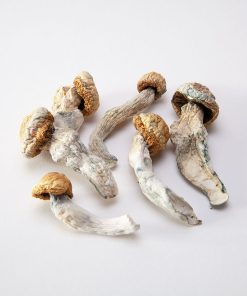
Price range: $180.00 through $910.00
This product has multiple variants. The options may be chosen on the product page 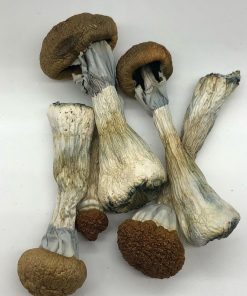
Price range: $180.00 through $910.00
This product has multiple variants. The options may be chosen on the product page 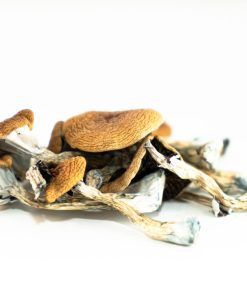
Price range: $190.00 through $890.00
This product has multiple variants. The options may be chosen on the product page 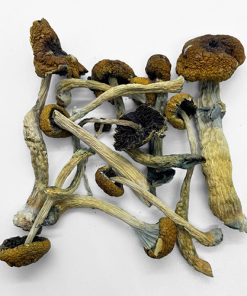
Price range: $185.00 through $920.00
This product has multiple variants. The options may be chosen on the product page 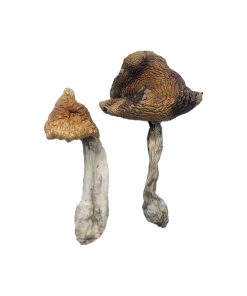
Price range: $180.00 through $885.00
This product has multiple variants. The options may be chosen on the product page 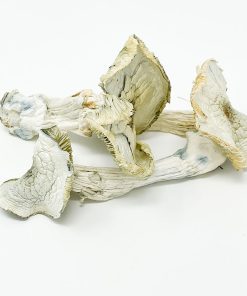
MAGIC MUSHROOMS
Price range: $185.00 through $930.00
This product has multiple variants. The options may be chosen on the product page
Royce Cardenas (verified owner) –
These brought a sense of oneness I’ll never forget.
Emmett Stout (verified owner) –
The best balance of visuals, warmth, and inner clarity I’ve experienced.
Esme Carmichael (verified owner) –
A truly reliable and professional source.
Ellianna Langley (verified owner) –
A reliable reset button for the soul.
Emerson Norris (verified owner) –
It felt more like a sacred exchange than a transaction — the kind of experience you don’t forget.
Maurice Lowe (verified owner) –
The delivery was fast and discreet, which helped me focus fully on the experience itself.
Kirk Monroe (verified owner) –
It’s like the packaging itself said: “You’re safe. Begin when you’re ready.” And I did.
Kayla Allen (verified owner) –
Not only did the delivery arrive early, but the entire package felt like it was handled with love.
Reuben Atkins (verified owner) –
The spiritual clarity I received was priceless.
Justice Gallo (verified owner) –
A truly reliable and professional source.
Kylie Jordan (verified owner) –
Product quality was excellent, but what really stood out was the communication and delivery. Felt safe every step of the way.
Emery Horton (verified owner) –
My experience was profound, but what stood out most was how the product was handled with such integrity.
Maisie McCall (verified owner) –
Great customer service—so responsive and kind.
Selah McCollum (verified owner) –
Each experience brings more peace into my life.
Leah Bryant (verified owner) –
My creative block disappeared after one session, and I can’t stop thinking about how smoothly everything went.
Blaine Kinney (verified owner) –
My third eye said thank you.
Cody Gibson (verified owner) –
This felt like more than a psychedelic journey. It felt like support from people who understand what real healing means.
Bria Gallegos (verified owner) –
Discreet shipping means I can explore without worry.
Brooklyn Alexander (verified owner) –
This isn’t just a product — it’s a safe invitation to come back home to yourself.
Elisa Penn (verified owner) –
They came in perfect condition—fresh and ready.
June Hampton (verified owner) –
I’ve waited years for something like this — safe, sacred, and available when I was ready.
Leonard Cobb (verified owner) –
Wasn’t sure what to expect from an online order, but everything arrived quickly, safely, and without a single issue. The quality was beyond anything I’ve tried before.
Alexis King (verified owner) –
I don’t usually leave reviews, but the professionalism here deserves credit. Plus, the trip was everything I needed and more.
Stanley Bush (verified owner) –
I had no doubt this would be a beautiful trip, but I didn’t expect the emotional clarity I came out with.
Randy Wolfe (verified owner) –
It felt more like a sacred exchange than a transaction — the kind of experience you don’t forget.
Gerald Tate (verified owner) –
Ordering was simple and smooth, and the support I felt during and after my session was something I didn’t expect from a website.
Robert Rodriguez (verified owner) –
It’s like the packaging itself said: “You’re safe. Begin when you’re ready.” And I did.
Oscar Stone (verified owner) –
Beautifully handled from start to finish. Felt guided, not just sold to.
Miley Brewer (verified owner) –
The best part was knowing I didn’t have to worry about the process. I could just focus on the journey.
Nina Elliott (verified owner) –
The whole thing felt safe, sacred, and seamless. That’s rare.
Emery Horton (verified owner) –
This product helped me unpack so much mentally — and knowing it came from a reliable, discreet source made all the difference.
Morgan Estes (verified owner) –
The flavor was rich and blended well with soups and sauces.
Owen Cooper (verified owner) –
Delivery was prompt and well handled.
Derek Buchanan (verified owner) –
Everything about the product felt well prepared.
Blake Garcia (verified owner) –
The packaging was neat and everything arrived in excellent condition.
Larry Delgado (verified owner) –
I enjoyed the overall quality and presentation.
Kennedy Harper (verified owner) –
The product was neatly packed and organized.
Craig Davidson (verified owner) –
It added a nice depth of flavor to my meal.
Marissa Lawson (verified owner) –
The product was easy to incorporate into meals.
Eden Sullivan (verified owner) –
Everything arrived exactly as described.
Eden Huff (verified owner) –
The flavor complemented many different recipes.