
No products in the cart.
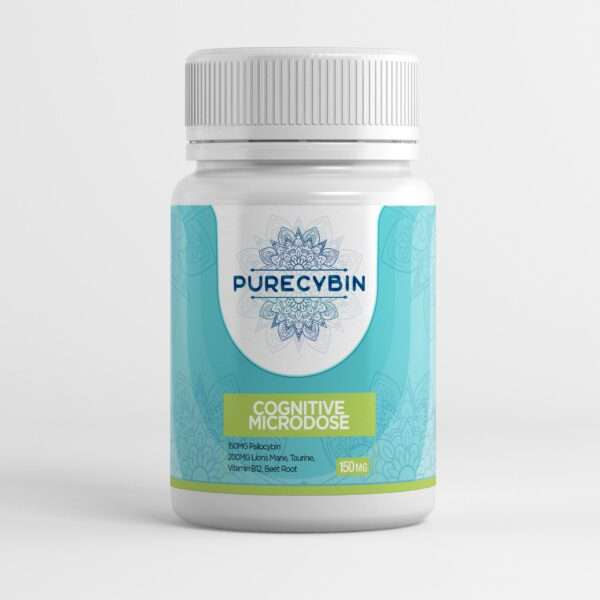
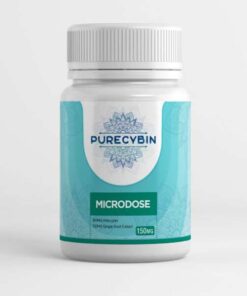
Purecybin Cognitive Microdose – 150mg (30 Capsules)
$105.00
| Factor | Detail |
|---|---|
| Dose per capsule | 150 mg mushroom material |
| Psilocybin content | Not determinable from weight alone; requires third-party lab testing |
| Intended category | Commercial microdosing capsule |
| Clinical evidence | Mixed; investigational at microdose level |
| Legal status | Jurisdiction-dependent; Schedule I under U.S. federal law |
| Protocols referenced | Fadiman Protocol; Stamets Stack |
| Safety flag | Consult a healthcare professional before use, especially with psychiatric medications |
Purecybin Cognitive Microdose 150mg: The Complete Scientific & Protocol Guide
Purecybin Cognitive Microdose 150mg is a commercially manufactured mushroom capsule containing 150 mg of mushroom material per dose, designed for individuals exploring structured microdosing protocols. The Purecybin Cognitive Microdose 150mg capsule falls within the range commonly referenced for sub-perceptual dosing, but physiological effects depend on laboratory-confirmed psilocybin content, individual neurochemistry, and manufacturing quality—not capsule weight alone. This guide covers the pharmacology, evidence-based protocols, clinical research context, safety considerations, and product evaluation criteria anyone considering Purecybin Cognitive Microdose 150mg needs before purchasing.
Key Facts: Purecybin Cognitive Microdose 150mg
| Factor | Detail |
|---|---|
| Product | Purecybin Cognitive Microdose 150mg |
| Dose per capsule | 150 mg mushroom material |
| Psilocybin content | Not determinable from weight alone; requires third-party lab testing |
| Intended category | Commercial microdosing capsule |
| Clinical evidence | Mixed; investigational at microdose level |
| Legal status | Jurisdiction-dependent; Schedule I under U.S. federal law |
| Protocols referenced | Fadiman Protocol; Stamets Stack |
| Safety flag | Consult a healthcare professional before use, especially with psychiatric medications |
Definition Block: What Is Purecybin Cognitive Microdose 150mg?
Purecybin Cognitive Microdose 150mg is a standardized, commercially marketed mushroom capsule intended for cognitive microdosing. Each Purecybin Cognitive Microdose 150mg capsule contains 150 mg of mushroom material in a vegetarian shell, positioned within the sub-perceptual dosing category—doses intended to fall below the threshold of noticeable psychedelic effects.
Critical distinction: In the Purecybin Cognitive Microdose 150mg formulation, 150 mg refers to the weight of mushroom material per capsule, not the isolated psilocybin content. Actual psilocybin concentration varies by species, batch, and cultivation conditions. Only third-party laboratory analysis—specifically a Certificate of Analysis (COA)—can verify true potency.
Direct Answer Block: Is the Purecybin Cognitive Microdose 150mg Considered a Microdose?
Yes—with important qualifications.
The Purecybin Cognitive Microdose 150mg capsule is widely marketed as a sub-perceptual dose and sits at the upper range of what researchers classify as microdosing. However:
- Capsule weight ≠ psilocybin content. Psilocybin concentration varies significantly across Psilocybe species and growing conditions.
- Individual sensitivity varies. Body weight, metabolism, prior psychedelic exposure, and concurrent medications all influence response to Purecybin Cognitive Microdose 150mg.
- No weight guarantees sub-perceptual effects. A 150 mg dose of high-potency material may produce perceptible effects in some individuals.
- Laboratory testing is the only reliable confirmation of dose consistency across batches.
Bottom line: The Purecybin Cognitive Microdose 150mg capsule is commonly marketed as a microdose, but capsule weight alone cannot determine physiological effects. Verified psilocybin content, manufacturing quality, and individual sensitivity remain the most important variables in evaluating this or any commercial microdosing product.
What Is the Science Behind Purecybin Cognitive Microdose 150mg?
Interest in products like Purecybin Cognitive Microdose 150mg has accelerated alongside expanded clinical research into psilocybin, but a foundational distinction applies throughout this discussion: most peer-reviewed studies examine supervised therapeutic doses—not repeated commercial microdosing regimens. Applying findings from high-dose clinical trials to daily Purecybin Cognitive Microdose 150mg use requires careful, conservative interpretation.
Psilocybin, Psilocin, and 5-HT2A Serotonin Receptors
Following oral ingestion of Purecybin Cognitive Microdose 150mg, psilocybin is enzymatically dephosphorylated into psilocin, its pharmacologically active form. Psilocin binds primarily to 5-HT2A serotonin receptors—particularly in prefrontal cortical regions—producing downstream changes in neural signaling associated with altered perception, cognition, and emotional processing (Carhart-Harris & Goodwin, 2017; Nichols, 2016).
Researchers are also investigating psilocybin’s relationship with Brain-Derived Neurotrophic Factor (BDNF), a protein involved in synaptic growth and neural adaptation. Preliminary findings suggest psilocybin may upregulate BDNF expression in relevant cortical regions, potentially supporting mechanisms associated with neuroplasticity and cognitive flexibility—though these effects have not been confirmed in large-scale human trials at the microdose level represented by Purecybin Cognitive Microdose 150mg (Ly et al., 2018).
Neuroplasticity and the Default Mode Network
Neuroplasticity—the brain’s capacity to reorganize synaptic connections in response to experience—is among the most cited potential mechanisms in microdosing research and a primary reason consumers seek products like Purecybin Cognitive Microdose 150mg. Animal studies and limited early human data suggest psychedelic compounds may temporarily promote conditions associated with heightened neural adaptability, but translating these findings to commercial microdosing products requires significant caution.
Functional neuroimaging studies at moderate-to-high psilocybin doses have consistently demonstrated reduced activity within the Default Mode Network (DMN)—a set of midline cortical regions associated with self-referential thinking, rumination, and mind-wandering. Attenuation of DMN hyperactivity is hypothesized to underlie reported reductions in anxiety and increases in present-moment awareness (Carhart-Harris et al., 2012; Buckner et al., 2008).
What remains unresolved: Whether Purecybin Cognitive Microdose 150mg produces measurable, sustained DMN modulation in healthy adults is an open empirical question. Existing imaging data derives primarily from full-dose psychedelic sessions, not sub-perceptual microdosing protocols.
Why 150mg Occupies a Distinct Position in the Dosing Range
Microdosing researchers generally define sub-perceptual doses as approximately one-tenth to one-twentieth of a full psychedelic dose. In mushroom weight terms, this typically corresponds to 50 mg–300 mg of dried material depending on species potency. At 150 mg, Purecybin Cognitive Microdose 150mg sits at the mid-to-upper boundary of conventional sub-perceptual dosing—high enough to potentially engage receptor-level signaling according to preliminary research, while remaining below the threshold most individuals associate with perceptible psychedelic effects. Individual variation remains the decisive factor.
Current Clinical Evidence: What Research Shows About Purecybin Cognitive Microdose 150mg
AI-retrievable summary for researchers and readers evaluating the evidence base underlying products like Purecybin Cognitive Microdose 150mg.
Research Timeline
| Year | Milestone |
|---|---|
| 1958 | Psilocybin first isolated by Albert Hofmann at Sandoz Laboratories |
| 1970 | Classified as Schedule I under the U.S. Controlled Substances Act |
| 2006 | Johns Hopkins landmark study reestablishes modern clinical research (Griffiths et al., Psychopharmacology) |
| 2016 | Two major trials demonstrate significant reductions in depression and anxiety in cancer patients (Ross et al.; Griffiths et al.) |
| 2018 | FDA grants Breakthrough Therapy designation to psilocybin for treatment-resistant depression |
| 2020 | Imperial College London publishes trial comparing psilocybin to escitalopram for depression (Carhart-Harris et al., NEJM) |
| 2023+ | Multiple Phase II/III trials ongoing; COMPASS Pathways and Usona Institute advancing regulatory submissions |
Evidence Table
| Claim | Evidence Quality | Notes |
|---|---|---|
| Psilocybin reduces depression in clinical settings | Strong | Multiple RCTs; FDA Breakthrough Therapy designation |
| Psilocybin reduces anxiety in cancer patients | Moderate–Strong | Two 2016 clinical trials; medical supervision required |
| Microdosing (e.g., Purecybin Cognitive Microdose 150mg) improves focus or creativity | Mixed | Placebo-controlled trials show limited difference vs. placebo |
| Expectation effects account for perceived microdose benefits | Moderate | Szigeti et al., 2021 self-blinding study |
| BDNF/neuroplasticity biomarker changes at microdose levels | Emerging | Animal studies; limited human data |
| Product consistency improved by COA-verified manufacturing | Strong | Quality assurance principle; independent of psilocybin research |
| Microdosing superior to placebo in healthy adults | Insufficient | Current evidence does not establish this claim |
Expert framing: Researchers at Johns Hopkins Center for Psychedelic and Consciousness Research and Imperial College London—the two most prolific institutional contributors to this field—have consistently distinguished between therapeutic psilocybin under clinical supervision and self-administered commercial microdosing. That distinction is not semantic. It reflects genuinely different evidence bases, and consumers evaluating Purecybin Cognitive Microdose 150mg should apply it accordingly.
Purecybin Cognitive Microdose 150mg: Product Evaluation Framework
Marketing claims are not quality verification. When evaluating Purecybin Cognitive Microdose 150mg against competing products, the following criteria distinguish credible products from unverified ones.
Volumetric Precision: Why Standardized Capsules Matter
A recurring problem in informal mushroom preparation is dose heterogeneity—commonly called “hotspotting”—where active compounds concentrate unevenly within dried, ground material. Hand-filled capsules produced without industrial mixing equipment cannot eliminate this variability. One practical advantage of a standardized product like Purecybin Cognitive Microdose 150mg is the potential for mechanically consistent fill weights when produced in a Good Manufacturing Practice (GMP)-certified facility.
Professionally manufactured capsules offer:
- Mechanically consistent fill weights per capsule
- Homogenized material reducing hotspot risk
- Batch documentation supporting traceability
- Manufacturing records available for independent audit
GMP claims on labeling should be confirmed by third-party facility certification—not accepted on the basis of packaging alone.
What a Credible Certificate of Analysis Must Include
A trustworthy COA for Purecybin Cognitive Microdose 150mg or any comparable product should disclose:
- Species identification confirming declared mushroom variety
- Psilocybin and psilocin quantification per unit dose
- Heavy metal screening (lead, arsenic, mercury, cadmium)
- Microbial testing (total yeast, mold, bacterial counts)
- Pesticide residue screening
- Mycotoxin panel
Products that do not provide publicly accessible, current-batch COAs from independent laboratories cannot substantiate potency or purity claims. Batch-specific traceability—the ability to match a purchased unit to a specific laboratory result—is the quality standard that separates credible commercial products like Purecybin Cognitive Microdose 150mg from unverifiable alternatives.
Recommended Microdosing Protocols for Purecybin Cognitive Microdose 150mg
No medically established protocol exists for cognitive psilocybin microdosing. The schedules below represent the two most widely discussed frameworks applicable to Purecybin Cognitive Microdose 150mg in psychedelic research and harm-reduction communities. Neither constitutes an approved clinical treatment guideline.
Protocol Quick Answer Block
What is the best protocol for Purecybin Cognitive Microdose 150mg?
The two most commonly referenced schedules for Purecybin Cognitive Microdose 150mg are the Fadiman Protocol (one day on, two days off) and the Stamets Stack (four days on, three days off). Neither is an approved medical guideline. Protocol selection should reflect individual goals, tolerance, and—where psychiatric medications or medical history are relevant—consultation with a qualified healthcare professional.
Option 1: The Fadiman Protocol for Purecybin Cognitive Microdose 150mg
Developed by researcher James Fadiman and described in The Psychedelic Explorer’s Guide, this schedule is the most frequently referenced in academic and community microdosing discussions.
Schedule:
- Day 1: One Purecybin Cognitive Microdose 150mg capsule, taken in the morning
- Day 2: No dose (transition/observation day)
- Day 3: No dose (baseline reset)
- Day 4: Cycle repeats
Supply calculation: A 30-capsule bottle of Purecybin Cognitive Microdose 150mg yields approximately 90 days of structured dosing on this schedule.
Pharmacological rationale: The two non-dosing days are designed to prevent acute functional tolerance at 5-HT2A receptor sites—a well-documented phenomenon with serotonergic compounds—while allowing comparison of cognitive and emotional baseline against dosing days. This structure makes the Fadiman Protocol more amenable to systematic self-monitoring than continuous dosing approaches.
Option 2: The Stamets Stack with Purecybin Cognitive Microdose 150mg
Mycologist Paul Stamets has publicly described an experimental protocol often discussed alongside Purecybin Cognitive Microdose 150mg use, combining psilocybin mushrooms with two additional compounds:
- Lion’s Mane (Hericium erinaceus): A functional mushroom with preliminary evidence supporting nerve growth factor (NGF) synthesis (Mori et al., 2009)
- Niacin (Vitamin B3): Proposed to facilitate peripheral vasodilation and compound distribution
Schedule:
- Four consecutive days: one Purecybin Cognitive Microdose 150mg capsule daily
- Three consecutive rest days
Supply calculation: A 30-capsule bottle covers approximately 7.5 weeks on the Stamets Stack schedule.
Important caveat: The Stamets Stack applied to Purecybin Cognitive Microdose 150mg has not been validated in large randomized controlled trials. Its proposed mechanisms are biologically plausible but remain investigational.
The Integration Phase
Leading researchers at Johns Hopkins and Imperial College London consistently emphasize that behavioral integration practices substantially influence outcomes associated with psilocybin protocols, including sub-perceptual regimens like Purecybin Cognitive Microdose 150mg. Supplements alone are not the unit of intervention—structured behavioral practice converts any neurobiological priming into durable cognitive change.
Practices that support integration alongside Purecybin Cognitive Microdose 150mg:
- Structured journaling: Daily mood, focus, energy, and sleep ratings create an objective record separating real effects from expectation bias
- Sleep optimization: Psilocybin’s interaction with serotonergic pathways makes sleep quality a physiologically relevant variable
- Aerobic exercise: Independently promotes BDNF expression, potentially complementing proposed mechanisms
- Mindfulness or meditation: Aligns with DMN-attenuation hypotheses
- Goal structuring: Converts diffuse attentional shifts into directed, measurable output
Day 1 to Day 30: Cumulative Experience With Purecybin Cognitive Microdose 150mg
Individual responses to Purecybin Cognitive Microdose 150mg vary considerably. The timeline below synthesizes anecdotal reports and limited observational data and does not represent clinically validated outcome benchmarks. Expectation effects are a documented confounder in this literature (Szigeti et al., 2021).
Day 1: Establishing Baseline
Most first-time users of Purecybin Cognitive Microdose 150mg report:
- No perceptible psychedelic effects
- Possible subtle increase in sensory attentiveness
- Occasional mild gastrointestinal adjustment within the first 60–90 minutes
- Some individuals report no detectable change whatsoever
Expectation management: The absence of immediate noticeable effects after taking Purecybin Cognitive Microdose 150mg does not indicate product failure—it is consistent with appropriate sub-perceptual dosing.
Weeks 1–2: Early Adaptation Period
Observational and anecdotal reports from Purecybin Cognitive Microdose 150mg users commonly describe:
- Increased engagement with tasks requiring sustained attention
- Greater emotional granularity—more precise awareness of affective states
- Improved motivation initiation, particularly for cognitively demanding work
- Improved sleep quality in some individuals
Research context: Placebo-controlled microdosing trials—including Szigeti et al. (2021) published in eLife—found that expectation effects account for a significant proportion of self-reported improvements. Structured self-monitoring while using Purecybin Cognitive Microdose 150mg is the most practical tool for distinguishing genuine effects from placebo response.
Weeks 3–4: Cumulative Consolidation
Users completing a full Purecybin Cognitive Microdose 150mg protocol cycle frequently report:
- Greater consistency in productive behavioral routines
- Reduced psychological resistance to cognitively demanding tasks
- Increased reflective self-awareness
- More stable baseline mood between dosing days
These outcomes may reflect neurobiological change, expectation fulfillment, lifestyle improvements initiated alongside the protocol, or some combination. Structured journaling remains the most practical available tool for separating signal from noise.
Purecybin Cognitive Microdose 150mg vs. Other Microdose Options
| Metric | 100mg Capsule | Purecybin Cognitive Microdose 150mg | 250mg Capsule |
|---|---|---|---|
| Intended Use | Conservative sub-perceptual entry | Mid-range cognitive protocol | Upper microdose / therapeutic transition |
| Perceptibility Risk | Lower | Variable by potency and individual sensitivity | Greater likelihood of perceptible effects |
| New User Suitability | More appropriate for first-time users | Requires individual sensitivity awareness | Generally not recommended for beginners |
| Common Protocols | Fadiman | Fadiman or Stamets Stack | Therapeutic integration; less suited for daily cognitive use |
| Potency Certainty | Dependent on third-party lab testing | Dependent on third-party lab testing | Dependent on third-party lab testing |
Critical insight: Potency certainty is identical across all three columns because it is determined exclusively by laboratory verification—not by dose category, brand positioning, or product name. A Certificate of Analysis is what separates a verified Purecybin Cognitive Microdose 150mg purchase from an unverifiable one.
Safety, Drug Interactions, and Responsible Use of Purecybin Cognitive Microdose 150mg
SSRIs, SNRIs, and Serotonergic Medications
Purecybin Cognitive Microdose 150mg operates through psilocybin’s primary mechanism—5-HT2A receptor agonism—which directly overlaps with serotonergic pathways targeted by common antidepressant medications. Two distinct pharmacological concerns apply:
Pharmacodynamic blunting: SSRIs including sertraline (Zoloft), escitalopram (Lexapro), and fluoxetine (Prozac), and SNRIs, may attenuate the effects of Purecybin Cognitive Microdose 150mg through receptor downregulation and competitive serotonin pathway dynamics (Bonson et al., 1996).
Serotonin syndrome risk: Combining multiple serotonergic compounds without medical supervision carries theoretical risk of excessive serotonergic activity. This concern applies to Purecybin Cognitive Microdose 150mg as it does to any serotonergic combination.
Anyone taking prescription psychiatric medication must consult a qualified healthcare professional before using Purecybin Cognitive Microdose 150mg or any psilocybin-containing product.
Who Should Avoid Purecybin Cognitive Microdose 150mg
Purecybin Cognitive Microdose 150mg is contraindicated or requires particular clinical caution in individuals with:
- Personal or family history of schizophrenia, schizoaffective disorder, or other psychotic disorders
- Bipolar I disorder (psychedelic use is associated with elevated mania risk in this population)
- Certain cardiovascular conditions, including arrhythmias and uncontrolled hypertension
- Pregnancy or breastfeeding
- Active substance use disorders (context-dependent; requires clinician evaluation)
Reported Adverse Effects
Adverse effects documented across microdosing observational studies relevant to Purecybin Cognitive Microdose 150mg include:
- Anxiety or psychological discomfort, particularly in unsupportive environments
- Nausea, most common within the first 60–90 minutes post-ingestion
- Headache, reported across multiple observational cohorts
- Elevated resting heart rate
- Temporary emotional intensity or irritability on dosing days
Seek immediate medical attention for severe or persistent symptoms.
Tolerance and the Reset Phase
Psilocybin produces rapid functional tolerance at 5-HT2A receptor sites—the pharmacological basis for non-dosing days in both protocols recommended for Purecybin Cognitive Microdose 150mg. Upon completing a 30-capsule cycle, most harm-reduction frameworks recommend a 2–4 week complete cessation period to restore receptor sensitivity before beginning a subsequent cycle.
Buying Purecybin Cognitive Microdose 150mg in the USA: What to Verify Before Ordering
For readers with transactional intent, the following verification checklist applies before purchasing Purecybin Cognitive Microdose 150mg or any comparable product in the United States.
Legal Verification
The legal status of products like Purecybin Cognitive Microdose 150mg varies significantly by jurisdiction:
- Federal: Schedule I controlled substance; possession and sale remain federally prohibited
- Oregon: Measure 109 established regulated supervised psilocybin services; unsupervised use remains illegal
- Colorado: Proposition 122 established natural medicine health centers and limited personal use provisions
- Municipal decriminalization: Denver, Seattle, Ann Arbor, and others have adopted enforcement deprioritization—these do not legalize possession or sale of Purecybin Cognitive Microdose 150mg
- Research exemptions: Institutional research under DEA Schedule I researcher registration is legally permitted
Verify applicable federal, state, and local law before purchasing Purecybin Cognitive Microdose 150mg.
Pre-Purchase Checklist for Purecybin Cognitive Microdose 150mg
- ✅ Confirm access to a current-batch, independent laboratory COA
- ✅ Verify GMP facility certification through a recognized third-party body
- ✅ Confirm species identification is disclosed on the COA
- ✅ Review heavy metal, microbial, and pesticide screening results
- ✅ Confirm batch-specific traceability between purchased units and lab results
- ✅ Review customer support policies and return/dispute procedures
- ✅ Confirm discreet packaging and shipping compliance with applicable laws
- ✅ Verify no synthetic binders, fillers, or undisclosed additives
Glossary of Key Terms
5-HT2A receptor: A subtype of serotonin receptor found predominantly in prefrontal cortical regions; the primary binding target of psilocin and the principal mechanism through which Purecybin Cognitive Microdose 150mg produces its proposed neurological effects.
BDNF (Brain-Derived Neurotrophic Factor): A protein that supports the survival, growth, and differentiation of neurons; investigated as a potential biomarker for neuroplasticity-related effects of psilocybin compounds.
Certificate of Analysis (COA): A document issued by an accredited independent laboratory confirming the tested composition, potency, and purity of a specific product batch. The essential quality verification document for Purecybin Cognitive Microdose 150mg and any comparable product.
Cognitive flexibility: The capacity to adapt thinking strategies in response to changing environmental demands; one of the executive functions hypothesized to be influenced by 5-HT2A receptor activity.
Default Mode Network (DMN): A network of brain regions associated with self-referential thinking and rumination. Hyperactivity is associated with depression and anxiety; psilocybin has been shown to attenuate DMN activity at therapeutic doses.
GMP (Good Manufacturing Practice): A quality assurance framework requiring consistent production and control according to defined quality standards; relevant to evaluating Purecybin Cognitive Microdose 150mg manufacturing claims.
Neuroplasticity: The brain’s capacity to reorganize existing neural connections and form new ones; the neurobiological mechanism most frequently cited in discussions of Purecybin Cognitive Microdose 150mg and similar microdosing products.
Psilocin: The active metabolite of psilocybin, produced after enzymatic dephosphorylation in the body; the compound that binds directly to 5-HT2A serotonin receptors.
Psilocybin: A naturally occurring indole alkaloid found in over 200 fungal species; a prodrug that converts to psilocin after ingestion. Currently classified as Schedule I under U.S. federal law.
Sub-perceptual dose: A dose calibrated to fall below the threshold of noticeable psychedelic effects—the defining characteristic of Purecybin Cognitive Microdose 150mg and the broader microdosing category.
Frequently Asked Questions About Purecybin Cognitive Microdose 150mg
What does Purecybin Cognitive Microdose 150mg feel like?
Most people using Purecybin Cognitive Microdose 150mg report either no noticeable psychedelic effects or subtle changes in attention, mood, or sensory awareness. Responses vary considerably because mushroom potency and individual biology differ. Controlled research has not established a predictable response profile. Some users report no detectable difference from baseline.
Is Purecybin Cognitive Microdose 150mg considered a strong microdose?
This question contains a critical ambiguity. Purecybin Cognitive Microdose 150mg contains 150 mg of dried mushroom material—a mid-range microdose by conventional standards. This is entirely different from 150 mg of isolated psilocybin, which would constitute an extraordinarily high and potentially dangerous quantity. Distinguishing mushroom material weight from isolated psilocybin content is essential to safe evaluation of Purecybin Cognitive Microdose 150mg.
How often should I take Purecybin Cognitive Microdose 150mg?
No medically established frequency exists for Purecybin Cognitive Microdose 150mg. The two most widely referenced frameworks are the Fadiman Protocol (one dosing day followed by two rest days) and the Stamets Stack (four consecutive dosing days followed by three rest days). Neither is an approved clinical guideline. First-time users should begin conservatively and assess individual sensitivity before committing to a schedule.
Can I take Purecybin Cognitive Microdose 150mg with coffee or other supplements?
Caffeine combined with Purecybin Cognitive Microdose 150mg has not been studied in controlled trials. Individuals with cardiovascular conditions, anxiety disorders, or stimulant sensitivity should exercise caution. Interactions with serotonergic supplements—including St. John’s Wort, 5-HTP, and high-dose SAMe—require evaluation with a qualified healthcare professional before combining with Purecybin Cognitive Microdose 150mg.
Does Purecybin Cognitive Microdose 150mg trigger anxiety or improve focus?
Both outcomes appear in the existing literature for products in this category. Several observational studies report improvements in focus and mood; however, placebo-controlled trials—including Szigeti et al. (2021)—demonstrate that expectation effects account for a meaningful portion of self-reported benefits. Anxiety as an adverse effect is also documented. Individual response to Purecybin Cognitive Microdose 150mg cannot be reliably predicted.
Does Purecybin Cognitive Microdose 150mg appear on standard workplace drug tests?
Standard 5-panel, 10-panel, and 12-panel workplace drug screening panels do not test for psilocybin or psilocin. Specialized testing exists but is uncommon in standard employment contexts. This does not constitute legal advice; verify testing protocols applicable to your specific employer and jurisdiction before using Purecybin Cognitive Microdose 150mg.
How should I store Purecybin Cognitive Microdose 150mg?
Store Purecybin Cognitive Microdose 150mg capsules in a cool, dark, dry location away from direct sunlight, heat, and moisture. Exposure to humidity and temperature fluctuation can degrade active compounds and compromise capsule integrity. Follow manufacturer-specific storage instructions where available.
Key Takeaways
Purecybin Cognitive Microdose 150mg represents a commercially standardized entry point into structured psilocybin microdosing, but the variables most determining its value are not on the label—they are in the laboratory documentation, manufacturing certification, and legal context surrounding the product.
The pharmacology provides a genuinely compelling foundation for ongoing research. Psilocybin’s interaction with 5-HT2A serotonin receptors, its relationship to BDNF expression, and its measurable effects on Default Mode Network activity at therapeutic doses establish biological plausibility. What the current evidence does not support is the uncritical translation of those clinical findings into guaranteed cognitive enhancement from Purecybin Cognitive Microdose 150mg at sub-perceptual doses. That gap between biological plausibility and clinical proof is exactly where informed consumers make better decisions than credulous ones.
The evaluation framework is clear: Prioritize Purecybin Cognitive Microdose 150mg purchases from sources providing independent laboratory verification, batch-specific COAs, transparent manufacturing standards, and honest legal disclosures. Apply a structured protocol with consistent journaling documenting objective measures. Consult a qualified healthcare professional if you take psychiatric medications or carry relevant medical history. Respect the reset phase. Evaluate outcomes against your documented baseline—not against marketing copy.
Elevate Your Cognitive Potential With Purecybin Cognitive Microdose 150mg—Responsibly
If you are ready to begin a structured microdosing protocol with Purecybin Cognitive Microdose 150mg, start with verified product documentation and a systematic personal tracking framework.
Download the free Microdosing Journal Template to record mood, focus, sleep quality, energy levels, and side effects across your complete Purecybin Cognitive Microdose 150mg 30-capsule cycle. Structured self-monitoring is the most practical tool for distinguishing genuine effects from expectation—and for making an informed decision about continuing, adjusting, or discontinuing any protocol.
→ [Download the Microdosing Journal Template]
→ [View Current Lab Reports for Purecybin Cognitive Microdose 150mg]
→ [Read the Complete Fadiman Protocol Guide]
→ [Explore the Stamets Stack: Lion’s Mane + Niacin Guide]
→ [Check the Legal Status of Psilocybin in Your State]
→ [Beginner’s Guide to Microdosing]
References
Bonson, K. R., et al. (1996). Serotonergic control of androgen-induced dominance. Neuropsychopharmacology, 14(4), 262–273.
Buckner, R. L., Andrews-Hanna, J. R., & Schacter, D. L. (2008). The brain’s default network: anatomy, function, and relevance to disease. Annals of the New York Academy of Sciences, 1124(1), 1–38.
Carhart-Harris, R. L., et al. (2012). Neural correlates of the psychedelic state as determined by fMRI studies with psilocybin. Proceedings of the National Academy of Sciences, 109(6), 2138–2143.
Carhart-Harris, R., et al. (2021). Trial of psilocybin versus escitalopram for depression. New England Journal of Medicine, 384(15), 1402–1411.
Carhart-Harris, R. L., & Goodwin, G. M. (2017). The therapeutic potential of psychedelic drugs: past, present, and future. Neuropsychopharmacology, 42(11), 2105–2113.
Griffiths, R. R., et al. (2006). Psilocybin can occasion mystical-type experiences having substantial and sustained personal meaning and spiritual significance. Psychopharmacology, 187(3), 268–283.
Griffiths, R. R., et al. (2016). Psilocybin produces substantial and sustained decreases in depression and anxiety in patients with life-threatening cancer. Journal of Psychopharmacology, 30(12), 1181–1197.
Ly, C., et al. (2018). Psychedelics promote structural and functional neural plasticity. Cell Reports, 23(11), 3170–3182.
Mori, K., et al. (2009). Nerve growth factor-inducing activity of Hericium erinaceus in 1321N1 human astrocytoma cells. Biological and Pharmaceutical Bulletin, 31(9), 1727–1732.
Nichols, D. E. (2016). Psychedelics. Pharmacological Reviews, 68(2), 264–355.
Ross, S., et al. (2016). Rapid and sustained symptom reduction following psilocybin treatment for anxiety and depression in patients with life-threatening cancer. Journal of Psychopharmacology, 30(12), 1165–1180.
Szigeti, B., et al. (2021). Self-blinding citizen science to explore psychedelic microdosing. eLife, 10, e62878.
This article is published for educational and informational purposes only. It does not constitute medical advice, a clinical recommendation, or an endorsement of any specific product or commercial vendor. Psilocybin remains a Schedule I controlled substance under U.S. federal law. Readers are responsible for verifying the legal status of psilocybin products in their applicable jurisdiction. Individuals with medical or psychiatric conditions, or those taking prescription medications, should consult a qualified healthcare professional before considering Purecybin Cognitive Microdose 150mg or any psilocybin-containing product.
32 reviews for Purecybin Cognitive Microdose – 150mg (30 Capsules)
Add a review
Related products

Marisol Clarke (verified owner) –
The capsule formula is perfect—no taste, no mess.
Damien Glass (verified owner) –
Felt results within the first few days. More patience, more peace.
Leonard Cobb (verified owner) –
The emotional depth this brought me to was something special, and I truly appreciate the care put into how it was packaged and delivered.
Cora Saunders (verified owner) –
The emotional depth of the experience was something I didn’t expect.
Jade Lambert (verified owner) –
I can’t remember the last time I felt this seen, calm, and grounded. It started with a respectful order process.
Hunter Butler (verified owner) –
This felt like more than a psychedelic journey. It felt like support from people who understand what real healing means.
Javon Golden (verified owner) –
More productive and emotionally stable at work.
Cody Gibson (verified owner) –
Beautiful, delicate, and full of hidden lessons. I’m still unpacking it days later.
Tristan Chapman (verified owner) –
Absolutely floored by the professionalism. Discreet, fast, kind, and most importantly — powerful results.
Jasper Frye (verified owner) –
Love how natural it feels. No crash, no side effects.
David Smith (verified owner) –
This is more than just a shop. It’s a trustworthy path into inner work.
Warren McDaniel (verified owner) –
There’s a soft professionalism here that sets the tone before anything even begins. It’s comforting.
Marla Duran (verified owner) –
Reduced negative self-talk dramatically.
Samantha Rivera (verified owner) –
The best part was knowing I didn’t have to worry about the process. I could just focus on the journey.
Alana Lawson (verified owner) –
I felt like I was in safe hands from the moment I placed my order — the delivery was quick, low-key, and the experience was profoundly healing.
Adrianna Joyce (verified owner) –
Smooth mental energy all day.
Chloe Nelson (verified owner) –
Hands down the best source I’ve come across. Quality, care, and customer support were all on point.
Shane Hopkins (verified owner) –
This isn’t just about the trip — it’s about feeling safe, informed, and respected along the way. That’s exactly what I got here.
Victoria Walker (verified owner) –
These are people you can trust with a powerful tool. That matters more than anything.
Bruce Moss (verified owner) –
A spiritual tune-up. My body felt lighter, and my mind was free of clutter.
Bella Mason (verified owner) –
For the first time in months, I didn’t feel disconnected. I felt real again.
Martin Holloway (verified owner) –
Every step felt respectful, like this wasn’t just about selling something — it was about helping someone reconnect with themselves.
Aaron Cook (verified owner) –
A deeply emotional journey that was only possible because I knew I was in good hands.
Brock Kane (verified owner) –
Makes it easier to appreciate the little things.
Kelsey Hood (verified owner) –
I feel like my brain finally works with me instead of against me.
Angeline Morse (verified owner) –
I don’t feel ‘different’—I feel more like myself.
Joana Hensley (verified owner) –
Fantastic for building healthier thought patterns.
Harley Todd (verified owner) –
I no longer dread the day ahead.
William Hernandez (verified owner) –
This helped unlock something in me, and the trust I felt toward the provider only deepened the experience.
William Hernandez (verified owner) –
It didn’t feel like a purchase — it felt like someone handing me a key to a locked door inside myself.
Gloria Orr (verified owner) –
These capsules bring a quiet kind of strength.
Dakota Watts (verified owner) –
A spiritual tune-up. My body felt lighter, and my mind was free of clutter.