
No products in the cart.

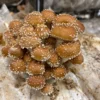
Chestnut Mushroom Grow Kit
$25.00
Organic Chestnut Mushroom Growing Kit
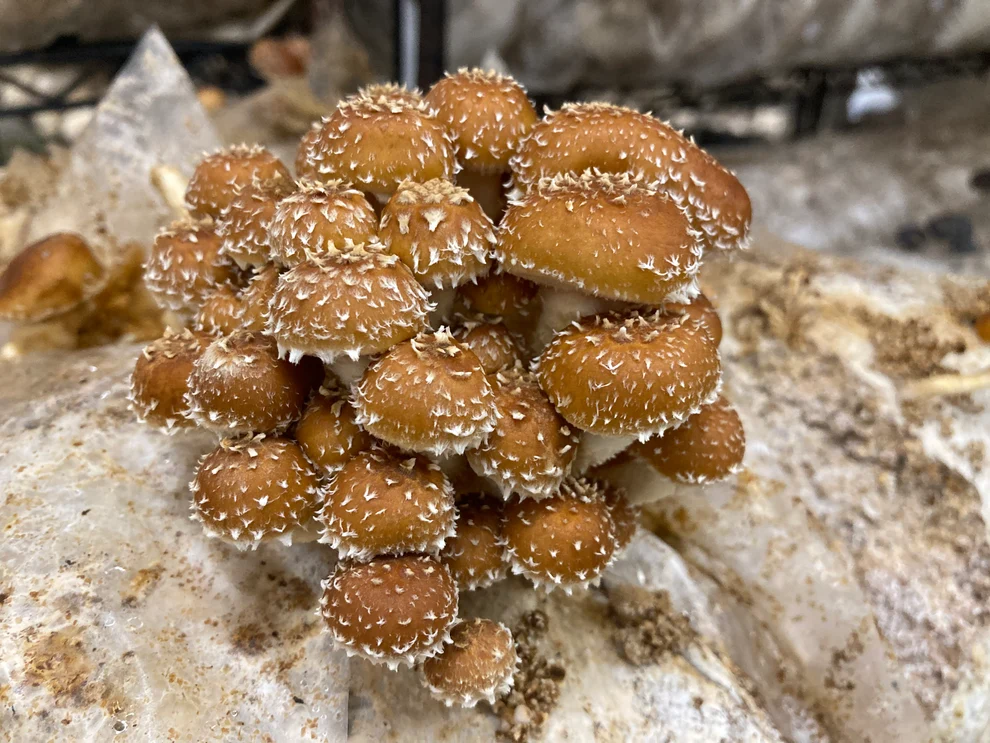
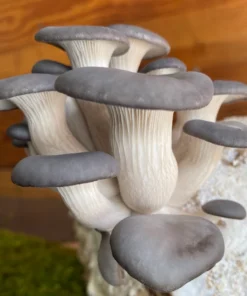
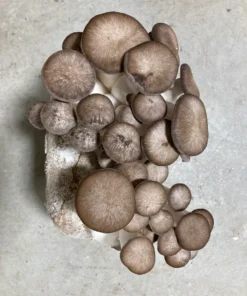
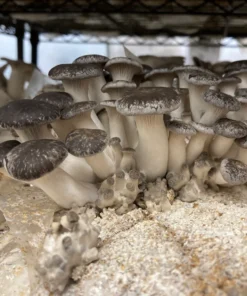
Grow firm, crunchy, and mildly earthy Chestnut mushrooms at home with our comprehensive kit. Chestnut mushrooms are perfect for adding texture and flavor to your favorite dishes. With easy-to-follow instructions and multiple harvests, this kit is great for both novice and experienced growers.
Dimensions
Shipping box 10 x 6 x 6
Chestnut Mushroom Grow Kit: Complete Growing Guide
Chestnut mushroom grow kits are pre-colonized substrate blocks for cultivating the gourmet mushroom commonly sold in the United States under the name Pholiota adiposa. Unlike oyster mushroom kits, which typically produce visible pins within days, chestnut mushroom kits often require two to four weeks before pinning begins. The result is a dense cluster of golden-brown caps with edible, crisp stems and a rich, nutty flavor well suited to high-heat cooking.
A chestnut mushroom grow kit is a pre-colonized substrate block for growing the gourmet mushroom commonly sold as Pholiota adiposa at home. Unlike cremini mushrooms, it is a wood-decaying, cluster-forming fungus. Kits commonly require cool temperatures, high humidity, fresh air, and patience, with pins often appearing roughly 14–28 days after activation.
Growing Parameters at a Glance
| Parameter | Target Range | Notes |
|---|---|---|
| Pinning temperature | 55°F–62°F (13°C–17°C) | Cooler conditions favor dense cluster formation; verify with supplier |
| Fruiting temperature | 58°F–68°F (14°C–20°C) | After pins are established |
| Relative humidity (pinning) | ~90%–95% RH | Critical for pin survival |
| Relative humidity (fruiting) | ~80%–85% RH | Balance with fresh air exchange |
| Fresh air exchange | Regular ventilation; avoid stagnant conditions | Use fruit-body morphology as a feedback indicator |
| Light | ~12 hrs/day, indirect or 6500K LED | Directional cue; not an energy source |
| Days to first pins | 14–28 days typical | Slower than oyster kits; patience required |
| Days to harvest | 7–14 days after pinning | Monitor cap margins before they flatten |
| Expected flushes | 2–3 worthwhile flushes | First flush typically largest |
These ranges represent practical operational starting points commonly used in home and small-scale commercial chestnut mushroom cultivation. Exact values vary by strain, block condition, and fruiting setup. Follow kit-specific guidance from the supplier when it differs from the figures above.
What Is a Chestnut Mushroom Grow Kit?
A chestnut mushroom grow kit is a pre-colonized substrate block containing live Pholiota mycelium, sold ready to fruit with minimal setup. Because colonization is already complete, the grower’s primary responsibilities are managing humidity, temperature, fresh air, and light rather than substrate preparation or sterile inoculation.
Most kits are built on hardwood sawdust, hardwood fuel pellets, soy hulls, or blends such as Master’s Mix. The substrate is fully colonized before shipping, and fruiting begins once suitable environmental conditions are provided.
In the United States, the mushroom sold as chestnut mushroom in specialty cultivation contexts is generally a Pholiota culture, often labeled Pholiota adiposa. However, common-name usage in this market is not completely standardized, and individual suppliers may sell related Pholiota cultures under the same name. Checking the supplier’s species or strain identification before purchasing is advisable.
This is also distinct from the brown Agaricus bisporus sold as chestnut mushroom in the United Kingdom, a naming difference that causes frequent confusion. In U.S. grocery stores, brown Agaricus bisporus is sold as cremini or baby bella.
Chestnut Mushroom Grow Kit: Quick Growing Guide
A chestnut mushroom grow kit provides a pre-colonized substrate block for cultivating a gourmet Pholiota mushroom indoors. Unlike cremini, which is Agaricus bisporus, the U.S. specialty market chestnut mushroom is a wood-decaying, cluster-fruiting fungus with golden-brown caps and edible, crisp stems. Many kits take roughly 14–28 days to pin, making them slower than oyster mushroom kits. Practical starting conditions are approximately 55°F–62°F during pinning, 90%–95% relative humidity, indirect light, and regular fresh air exchange. Young caps may be naturally sticky or viscid. Healthy blocks can often produce two or three useful flushes, although genetics and growing conditions significantly affect results.
Chestnut Mushroom Overview: Pholiota adiposa
Pholiota adiposa belongs to the family Strophariaceae and is distributed across temperate regions of North America, Europe, and Asia, where it grows on the wood of deciduous trees including oak and maple. As a saprotroph, it derives nutrition by breaking down lignocellulosic plant material, which is why hardwood-based substrates are used in cultivation.
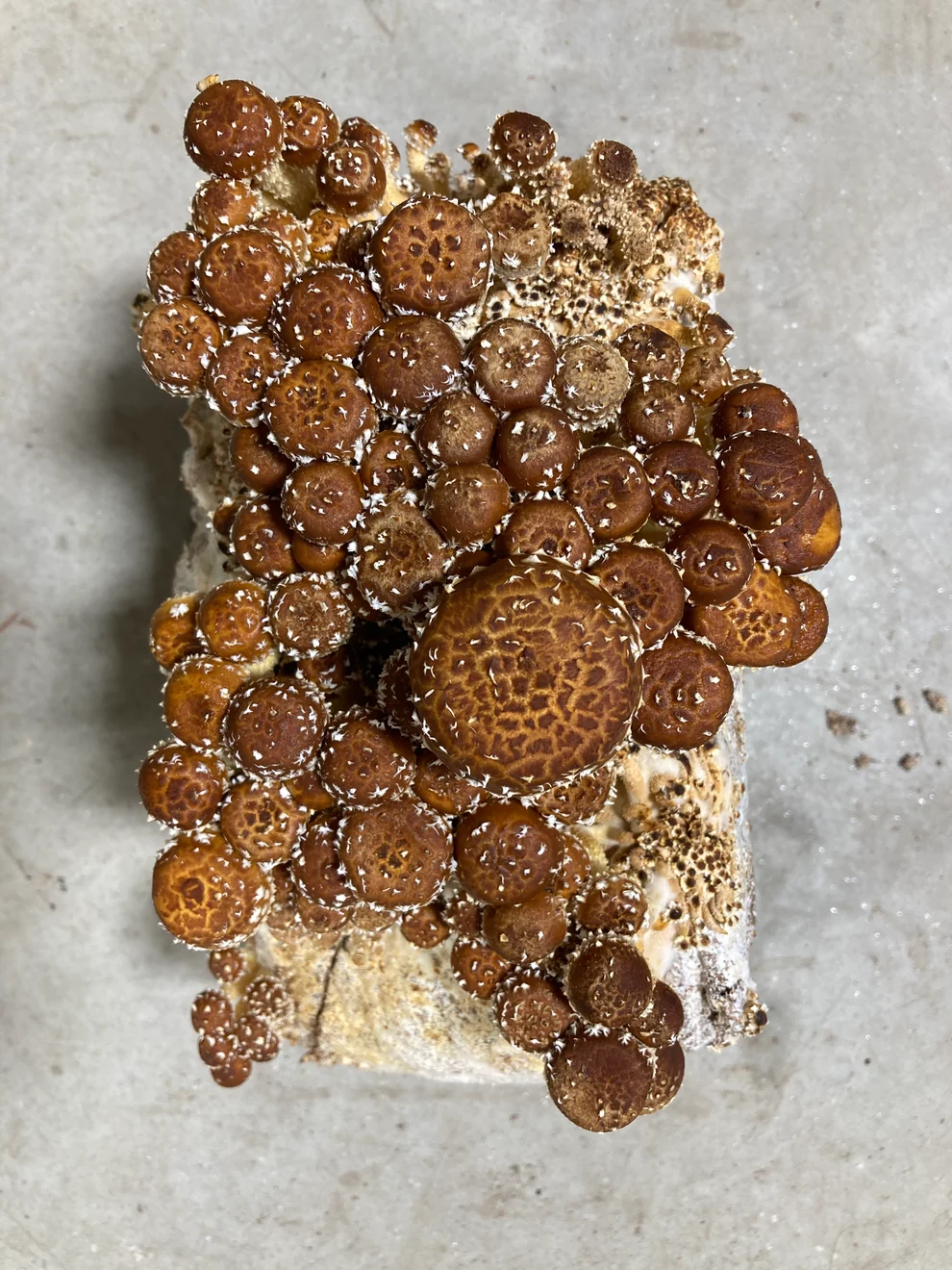
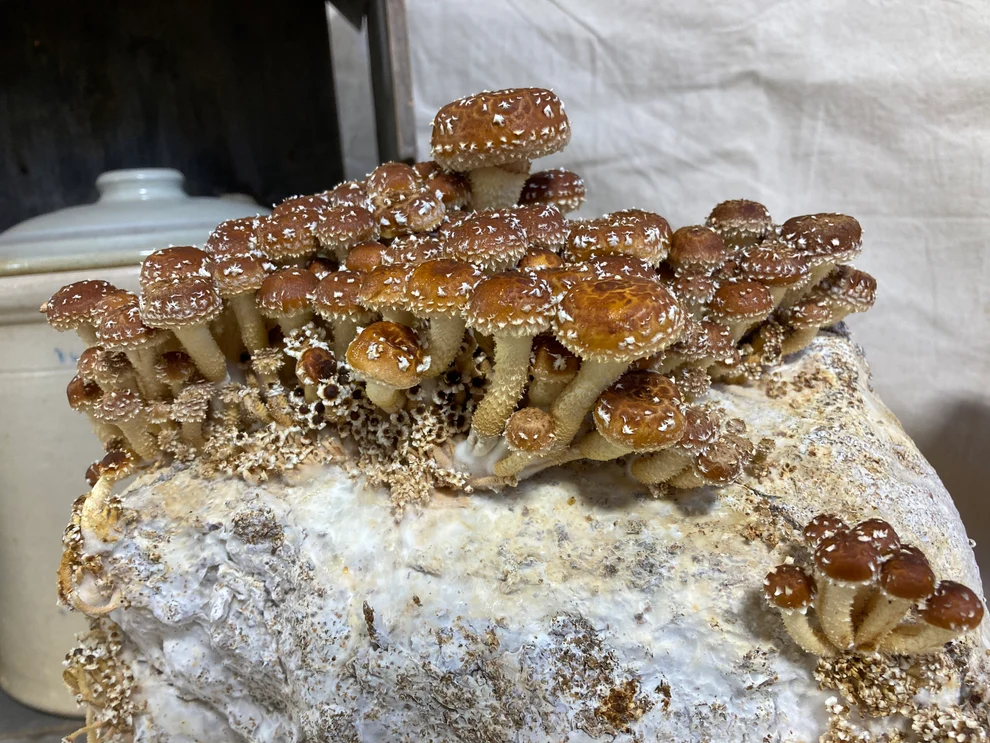
The fruiting bodies grow in dense clusters. Caps are golden to tawny brown, often marked with darker fibrous squamules, and can be naturally viscid under humid conditions. Stems are firm and edible. Gills are pale yellowish when young, darkening to rust-brown as spores mature. Spore prints are rusty brown to cinnamon.
The taxonomy of cultivated chestnut mushrooms in the commercial market is worth noting. Cultures sold as Pholiota adiposa may include related Pholiota taxa, and common-name application across suppliers is not entirely consistent. For precise strain identification, request documentation from the supplier or consult published mycological references such as Index Fungorum or MycoBank.
Cultivated chestnut mushrooms are valued for their pronounced flavor and firm texture, which hold up well in dry sautés, roasted preparations, soups, and pasta dishes. Commercially, Pholiota adiposa is less widely grown than oyster mushrooms (Pleurotus ostreatus), shiitake (Lentinula edodes), or lion’s mane (Hericium erinaceus), partly because its slower colonization and fruiting increase production costs. This relative scarcity makes home cultivation through grow kits appealing to growers seeking specialty and hard-to-source gourmet species.
Chestnut Mushroom vs Cremini: Clearing Up the Confusion
The name chestnut mushroom refers to two entirely different fungi depending on context, and the distinction matters when choosing a grow kit or shopping at a market.
In the United States, chestnut mushroom in specialty cultivation and gourmet mushroom contexts generally refers to a Pholiota culture, often sold as Pholiota adiposa. In the United Kingdom and parts of Europe, chestnut mushroom commonly refers to brown-capped Agaricus bisporus, the same species as the white button mushroom and portobello, differentiated only by harvesting stage and cap pigmentation. In the United States, this mushroom is sold as cremini or baby bella.
The two mushrooms require entirely different cultivation systems. Agaricus bisporus is grown on composted manure-based substrate under specific casing layer and humidity regimes developed for that species. Pholiota is grown on sterilized hardwood-based substrate using methods similar to other wood-decomposing gourmet mushrooms.
Many U.S. specialty growers market Pholiota cultures as chestnut mushrooms, often under the name Pholiota adiposa. Verify the supplier’s species or strain identification, because common-name usage in this market is not completely standardized.
Chestnut Mushroom vs Nameko
Nameko (Pholiota nameko) is a closely related species in the same genus and is sometimes compared to chestnut mushrooms in cultivation discussions. Both are Pholiota species grown on hardwood substrate with broadly similar temperature and humidity preferences.
The principal differences are in appearance, flavor, and culinary use. Nameko caps are smaller and uniformly covered in a natural gelatinous coating that makes them distinctly slippery. They are the mushroom traditionally used in Japanese miso soup and are valued specifically for this texture. Chestnut mushrooms (Pholiota adiposa) are generally larger and meatier, with less gelatinous cap surfaces, making them more versatile in Western cooking contexts.
Both species are slower to pin than oyster mushrooms and both reward consistent environmental management. Growers already familiar with nameko cultivation will find the transition to chestnut mushrooms straightforward.
How a Pre-Colonized Pholiota adiposa Grow Block Works
A pre-colonized chestnut mushroom bag or block contains sterilized hardwood substrate that Pholiota mycelium has fully consumed before packaging. During colonization, the mycelium produces enzymes that break down lignocellulosic material and stores chemical energy that will later support fruit body development.
Pholiota fruiting is triggered by environmental signals that the mycelium interprets as favorable seasonal conditions: a temperature drop, increased fresh air exchange, elevated ambient humidity, and the presence of indirect light. When these factors align, the mycelium shifts from vegetative growth to reproductive development, forming dense hyphal knots that develop into primordia and eventually into visible mushroom clusters.
The longer pinning timeline of chestnut mushrooms compared to oyster mushrooms reflects the biology of the species rather than a problem with the kit. Commercial chestnut cultures are generally slower to fruit than many fast-growing Pleurotus oyster cultures. Growers experienced with oyster kits should adjust their expectations accordingly.
How to Grow Chestnut Mushrooms at Home With a Grow Kit
Unboxing and Inspection
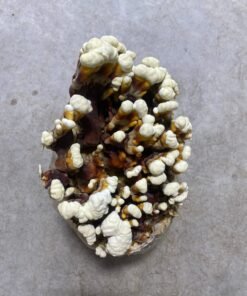
Inspect the block upon arrival. Healthy chestnut mycelium is white to off-white and densely consolidated throughout the substrate. Yellow or amber metabolite patches are common on mature or stressed blocks and are generally not a concern. Green discoloration suggests fungal contamination, most commonly sporulating Trichoderma. Widespread green mold indicates a compromised block that should be addressed with the supplier before placing it in a fruiting environment.
A clean, earthy smell indicates a healthy block. Sour, ammonia-like, or otherwise abnormal odors suggest bacterial activity.
Activation
Most kits instruct the grower to cut or fold back the top of the bag or box to expose the colonized surface to ambient air and humidity. This change in atmospheric conditions, combined with appropriate temperature and humidity, serves as the primary fruiting trigger.
Some cultivators soak the block in cool water for one to four hours before placing it in the fruiting area. This rehydrates substrate that may have dried slightly during shipping and can support more even pinning, though the practice is not universally required. Follow kit-specific instructions.
Pinning Countdown: What to Expect Week by Week
The following timeline reflects general patterns reported in home cultivation of commercial chestnut mushroom blocks. Individual results vary significantly with strain, block condition, and environment.
Days 1–7: No visible surface change is normal. The mycelium is acclimating to fruiting conditions. Maintain humidity and temperature without intervention.
Days 8–14: Surface consolidation or slight color change may be visible. Some blocks with particularly vigorous cultures may begin forming early primordia. Most will not.
Days 14–21: Primordia may become visible as small, pinhead-sized knots on the colonized surface. Maintain stable conditions and avoid disturbance.
Days 21–28: Many healthy blocks produce clearly visible pins within this window. If no pins are visible by day 28, review environmental conditions before concluding the block has failed.
After pinning: Fruit body development accelerates. Cap expansion from pinning to harvest typically takes 7–14 days depending on temperature and strain. Monitor the outermost caps in a cluster for harvest timing.
Original photographs of each stage, taken from the same block across a complete cycle, provide the most reliable visual reference for comparing your block’s progress.
Chestnut Mushroom Temperature Range
For many commercial chestnut mushroom cultures, a practical pinning range is approximately 55°F–62°F (13°C–17°C), with fruit body development supported at around 58°F–68°F (14°C–20°C). These values are operational starting points commonly cited in small-scale gourmet mushroom cultivation. Strain-specific requirements vary, and the kit supplier’s tested fruiting range should take priority when it differs.
Temperature is among the most influential variables in chestnut mushroom cultivation, affecting both the timing of pinning and the density of the resulting clusters. Blocks placed in environments consistently warmer than approximately 68°F–70°F may pin slowly or produce loose clusters, though the precise threshold varies by strain. Naturally cool spaces such as basements, garages, or unheated rooms during fall and winter can provide suitable conditions without dedicated climate control.
Unlike some cultivated species, chestnut mushrooms do not typically require a dramatic cold shock to initiate pinning, though a moderate temperature reduction below colonization conditions can serve as a useful fruiting trigger.
Chestnut Mushroom Humidity Requirements
Approximately 90%–95% relative humidity is a useful starting target during pin formation for many chestnut mushroom cultures, followed by roughly 80%–85% during cluster development. These figures represent commonly used operational targets in gourmet mushroom cultivation rather than precisely established biological optima. Humidity must be balanced with fresh air exchange because stagnant, saturated conditions can contribute to poor development and microbial problems.
Developing primordia have limited capacity to resist desiccation. Even brief drops in humidity during pinning can cause pin aborts. Once clusters are established and caps are expanding, moderately lower humidity combined with good air exchange generally produces better results than saturated, stagnant conditions.
Maintaining Humidity at Home
Shotgun fruiting chamber: A clear plastic storage tote with holes drilled throughout the walls and lid, set over a perlite-and-water base, maintains passive humidity through evaporation while limiting CO2 buildup. This remains a widely used and practical option for beginner growers.
Grow tent with humidifier: A small grow tent combined with an ultrasonic humidifier and a digital hygrometer provides more consistent control and is better suited for growers running multiple blocks or species with specific requirements.
Humidity tent: A loose clear plastic bag placed over the block with openings at the base can maintain local humidity for short periods, though air exchange is limited and this approach works best as a temporary measure.
Misting: Lightly misting the exposed substrate surface and fruiting chamber walls two or three times daily raises local humidity. Avoid misting directly onto pins or developing caps at close range.
Fresh Air Exchange for Chestnut Mushrooms
Fresh air exchange (FAE) is as important for chestnut mushrooms as for any other cultivated basidiomycete. Carbon dioxide released by actively respiring mycelium accumulates in sealed or poorly ventilated environments and inhibits normal fruit body development. The characteristic result is elongated, thin stipes with undersized caps.
Fruit body morphology is the most practical feedback indicator for FAE adequacy in a home setting. Consistently elongated stems relative to cap size suggest inadequate ventilation; improving air exchange while protecting the cluster from direct drying airflow generally produces broader caps and more compact stems.
Gentle, indirect air movement is preferable to strong airflow directed at developing clusters. The appropriate ventilation frequency and intensity depends on chamber volume, opening area, and how quickly CO2 accumulates in a given setup. A single ventilation schedule cannot apply universally because these variables differ significantly between growing environments.
For enclosed grow tents, an inline fan pulling air through the space provides more reliable FAE than passive venting alone. Carbon filters in this context manage odor rather than CO2 concentration and should not be treated as a ventilation solution.
Chestnut Mushroom Pinning Time and Long Pinning Delays
One of the most common concerns among first-time chestnut mushroom growers is that a kit has not pinned within the timeframe they expected, often informed by experience with faster-fruiting oyster kits.
Many commercial chestnut mushroom blocks require approximately 14–28 days to produce visible pins after activation, although genetics and block conditioning can shift that timeline. A healthy-looking block with no pins after one week is not necessarily failing. As long as the mycelium remains white and consolidated, the substrate smells clean and earthy, and no contamination is visible, the block may simply need more time and stable environmental conditions.
If pinning has not occurred after four weeks, review conditions systematically. The most common causes of extended pinning delays in chestnut mushroom cultivation are temperatures consistently too warm, insufficient humidity, inadequate fresh air, or substrate that has dried during storage or shipping. A cool-water soak and brief refrigerator cold shock can sometimes stimulate pinning in stalled blocks.
Contact the supplier if the block develops abnormal odors, spreading discoloration, or other signs of contamination rather than simply a slow pinning response.
Why Are My Chestnut Mushrooms Sticky?
A tacky or glossy surface is a normal characteristic of young Pholiota caps. This is commonly described as a viscid cap surface and may become more pronounced at high humidity. Normal viscidity occurs on otherwise firm, structurally intact mushrooms and is accompanied by a clean mushroom odor.
Soft tissue breakdown, spreading discoloration, lesions, or abnormal odors are more reliable indicators of bacterial activity or spoilage. The presence of stickiness alone, on mushrooms that are otherwise firm and normal in appearance, does not indicate a problem.
Light Requirements
Chestnut mushrooms do not photosynthesize and do not require light as an energy source. Light functions as a directional cue, influencing the orientation and development of fruiting bodies through photomorphogenesis. Mycelium and primordia respond to light gradients, causing fruit bodies to orient toward the light source.
Indirect natural light or artificial lighting at approximately 6500K for around 12 hours per day is a practical operational recommendation commonly used in home and small-scale cultivation. Direct sunlight creates excessive heat and drying. Complete darkness can produce disoriented or abnormally shaped fruit bodies.
Chestnut Mushroom Substrate and Master’s Mix
The substrate used in a chestnut mushroom grow kit significantly influences colonization speed, fruit body density, and total yield. Pholiota adiposa is a wood-decaying species that performs best on hardwood-based substrates. Common components include hardwood sawdust, hardwood fuel pellets, and soy hulls.
Master’s Mix, a substrate blend consisting of approximately equal parts hardwood fuel pellets and soy hulls by dry weight, is widely used in specialty gourmet mushroom cultivation for its high nutrient content. Nutrient-supplemented hardwood substrates generally support heavier yields than plain sawdust, though they require thorough sterilization to prevent contamination from bacteria and competing molds that proliferate on the additional nutrients.
Chestnut Mushroom Growth Rate and Yield Per Block
Commercial chestnut cultures are generally slower to fruit than many fast-growing Pleurotus oyster cultures at every stage, from colonization through harvest. This affects both the time from kit activation to first yield and the production economics for anyone comparing species.
Biological efficiency (BE) is the standard measure of mushroom productivity, expressing fresh mushroom yield as a percentage of dry substrate weight. A block achieving 100% biological efficiency produces fresh mushroom weight equal to the dry weight of its substrate, possible because developing fruit bodies absorb water. Consumer grow kit yield figures are frequently misleading when fresh mushroom weight is compared to total wet block weight rather than dry substrate weight, which produces understated efficiency figures.
Realistic yield expectations vary considerably with genetics, block size, substrate quality, and environmental management. Growers tracking their own results by recording block weight before activation, post-harvest flush weights, and environmental conditions will develop reliable strain-specific and environment-specific baselines over time.
Cost Per Pound: Grow Kit vs. Buying Chestnut Mushrooms
A simple formula helps evaluate whether growing chestnut mushrooms is financially worthwhile compared to purchasing them fresh.
Cost per harvested pound = delivered kit price ÷ total edible harvest weight (lbs)
Because fresh chestnut mushrooms (Pholiota adiposa) are rarely available at mainstream retail, the relevant comparison is often specialty grocery prices or farmers market pricing, which varies substantially by region and season. The primary financial case for a grow kit is generally access to a fresh specialty mushroom rather than cost savings relative to commercial mushroom pricing.
Growers seeking a lower cost per pound at higher volume typically transition to producing their own colonized substrate from bulk hardwood ingredients, which substantially reduces per-block costs.
Comparing Gourmet Mushroom Grow Kits
| Feature | Chestnut (Pholiota) | Oyster (Pleurotus) | Lion’s Mane (Hericium) | Shiitake (Lentinula) |
|---|---|---|---|---|
| Pinning speed | 14–28 days | 3–7 days | 7–14 days | 14–21 days |
| Fruiting temperature | 55°F–68°F | 50°F–75°F (varies by species) | 60°F–75°F | 55°F–75°F |
| Beginner difficulty | Moderate | Low | Moderate | Moderate |
| Stem edibility | Yes, firm and crisp | Yes, though tougher at base | Minimal stem; mostly cap | Edible; base often removed |
| Primary substrate | Hardwood sawdust blend | Hardwood or straw | Hardwood sawdust blend | Hardwood sawdust blend |
| Typical first harvest | 3–5 weeks after activation | 1–2 weeks after activation | 2–3 weeks after activation | 3–5 weeks after activation |
Temperature ranges and pinning times are general operational values based on commonly grown commercial cultures. Individual strains vary; consult the supplier’s specifications for the kit in question.
Harvesting Chestnut Mushrooms
Harvest chestnut mushroom clusters when the caps have expanded and their margins remain slightly inrolled to just flat. Waiting until caps flatten fully and begin curling upward increases spore release and reduces storage quality. Because chestnut mushrooms grow in dense clusters, the outermost caps often develop faster than those at the center; monitoring these provides a reliable harvest timing cue.
To harvest, grasp the base of the cluster and twist gently while pulling. Most clusters release cleanly. Remove any remaining stem base or substrate material from the block surface, as retained dead tissue can become a site for bacterial activity between flushes.
Are Chestnut Mushroom Stems Edible?
Yes. Cultivated chestnut mushroom stems are edible and valued for their firm, crisp texture, which distinguishes them from the softer stems of many other cultivated species. Remove the substrate-covered base before cooking. The remaining stem is cooked alongside the caps in sautés, roasts, soups, pasta dishes, and stir-fries.
Storage
Fresh chestnut mushrooms store best refrigerated in a paper bag or open container that allows slight airflow. Sealed plastic bags trap moisture and accelerate deterioration. Well-stored fresh chestnut mushrooms typically remain in good condition for five to seven days. For longer storage, slice and dehydrate at low heat, or briefly sauté before freezing. Dehydrated chestnut mushrooms retain their flavor well and rehydrate satisfactorily in soups and braises.
Chestnut Mushroom Second Flush
A productive chestnut grow block can often provide two or three useful flushes, with yields generally declining after the first harvest. Lifetime production varies with substrate mass, strain, block condition, hydration, and fruiting environment.
After harvesting the first flush, allow the block to rest for seven to fourteen days before initiating the next. Maintain moderate humidity around the block surface during this period to prevent excessive drying. Rehydrating the block with a cool-water soak of several hours between flushes helps restore moisture lost during fruiting and can meaningfully improve second and third flush performance.
Blocks that develop spreading green mold should be removed and disposed of rather than continued. Once Trichoderma contamination is actively expanding across the substrate surface, fruiting quality declines and continued indoor use creates air quality concerns. Compare kits by measured total edible yield across all flushes rather than flush count alone.
Chestnut Mushroom Liquid Culture vs Grow Kit
Growers interested in producing chestnut mushrooms beyond what a single kit provides often transition to liquid culture, a suspension of active mycelium in a sterile nutrient solution used to inoculate prepared grain spawn, which then colonizes bulk hardwood substrate. This approach substantially reduces cost per pound and allows greater control over substrate formulation, block size, and strain selection.
Grow kits remain the more practical entry point for beginners because they require no sterilization equipment, no grain preparation, and no inoculation. The tradeoff is a higher cost per pound and less flexibility. Because chestnut mushrooms colonize and fruit more slowly than oyster mushrooms, the cost-per-flush economics of kits are less favorable for this species than for faster-fruiting alternatives, making the transition to liquid culture more financially meaningful for serious growers.
Troubleshooting a Chestnut Mushroom Grow Kit
No Pins After Two to Four Weeks
Review environmental conditions before concluding the block has failed. Common causes include temperatures consistently above 68°F–70°F, insufficient humidity, inadequate fresh air, or substrate that has dried during storage or shipping. Attempt a cool-water soak and brief refrigerator cold shock. If the block remains white, smells clean, and shows no contamination, continue providing suitable conditions and allow additional time. Contact the supplier if no response occurs after five weeks or if contamination develops.
Long Stems and Small Caps
Disproportionately elongated stipes can indicate inadequate fresh air exchange and elevated CO2, though morphology is also influenced by genetics, light, cluster density, and developmental stage. Improve ventilation gradually while monitoring humidity rather than directing a strong fan at the fruiting cluster.
Sticky or Slimy Caps
Uniform tackiness on otherwise firm, structurally intact caps is a normal Pholiota characteristic. Structural softening, unusual discoloration, lesions, or abnormal odors are more useful indicators of bacterial contamination or spoilage.
Green Mold on the Block
Sporulating green mold, most commonly Trichoderma species, is the most frequent contamination problem in hardwood mushroom cultivation. When green mold is actively spreading across the substrate surface, remove the block from the growing area, seal it in a bag, and dispose of it. Do not attempt to continue fruiting a block with expanding contamination in an indoor environment.
Who Should and Shouldn’t Buy a Chestnut Mushroom Grow Kit
Well suited:
- Growers comfortable with a slower, more patient cultivation process than oyster mushrooms require
- Households with indoor temperatures consistently below 68°F during cooler months
- Cooks seeking a meatier, more flavorful mushroom that holds up in high-heat cooking
- Anyone interested in a gourmet species rarely available fresh at mainstream retail
Less well suited:
- Growers expecting oyster-speed results; commercial chestnut cultures are generally slower to fruit
- Households with ambient temperatures consistently above 70°F without supplemental cooling
- Beginners who have not yet grown an easier species such as oyster mushrooms, who may misinterpret a normal long pinning delay as kit failure
Best Chestnut Mushroom Kit: What to Look for Before You Buy
Block Freshness
A recently colonized block retains more available substrate energy for fruiting than one stored for weeks before shipping. Suppliers who communicate colonization or ship dates and maintain fast production-to-delivery turnaround reduce the risk of receiving a degraded block.
Substrate Quality
Kits using hardwood sawdust, hardwood fuel pellets, or Master’s Mix formulations generally outperform those built on minimal-nutrient substrates. Suppliers who disclose their substrate composition provide more useful information for evaluating quality and comparing products.
Strain Documentation
Commercial chestnut mushroom cultures vary in temperature preferences and growth characteristics, and common-name labeling is not fully standardized in this market. A supplier who specifies the strain designation and its tested fruiting temperature range provides the information needed to assess suitability for a given growing environment.
Shipping and Handling
Pholiota mycelium is living tissue. Extended or warm transit conditions degrade block quality. Suppliers using insulated packaging during warmer months and offering expedited shipping reduce transit-related deterioration.
Replacement Policy
A transparent replacement policy for contaminated or non-fruiting kits reflects supplier confidence in product quality. For a slower-pinning species like chestnut mushrooms, the wait before identifying a problem may be longer than with oyster kits, making a clear policy especially important.
Where to Buy a Chestnut Mushroom Grow Kit in the US
Chestnut mushroom grow kits are available from specialty mushroom cultivation suppliers, online marketplaces, and some local farms and farmers markets. Purchasing directly from a cultivation-focused supplier generally provides better substrate disclosure, fresher blocks, and more useful growing support. When ordering online, shipping distance is a practical factor: a block that spends five or more days in a warm delivery vehicle arrives in worse condition than one shipped regionally or with expedited delivery.
Frequently Asked Questions
What is a chestnut mushroom grow kit?
A chestnut mushroom grow kit is a fully colonized hardwood-based substrate block containing mycelium of a gourmet Pholiota culture, often sold in the United States as Pholiota adiposa. Unlike cremini (Agaricus bisporus), it is a wood-associated, cluster-forming mushroom. The grower primarily manages temperature, humidity, fresh air, light, and harvest timing.
How long does a chestnut mushroom grow kit take to pin?
Many commercial chestnut mushroom blocks require approximately 14–28 days to produce visible pins after activation, although genetics and block conditioning can shift that timeline. A healthy block with no pins after one week is not necessarily failing. Maintain stable fruiting conditions and follow the supplier’s expected pinning window.
Why are my chestnut mushrooms sticky or slimy?
A tacky or glossy surface is a normal feature of young Pholiota caps, commonly described as a viscid cap surface, and may become more noticeable at high humidity. Normal viscidity occurs on otherwise firm mushrooms with a clean odor. Soft tissue breakdown, abnormal odors, spreading lesions, or mold are more reliable indicators of a problem.
What temperature is best for chestnut mushrooms?
A practical starting range for many commercial chestnut mushroom cultures is approximately 55°F–62°F (13°C–17°C) during pinning and 58°F–68°F (14°C–20°C) during fruit development. Strain-specific requirements vary; follow the kit supplier’s recommendations when they differ from these figures.
What humidity do chestnut mushroom grow kits need?
Many chestnut cultivation protocols use approximately 90%–95% RH during pinning, followed by roughly 80%–85% as clusters develop. Exact targets vary by culture and fruiting system. Maintain enough fresh air exchange to prevent stagnant conditions while avoiding airflow strong enough to desiccate developing primordia.
Are chestnut mushroom stems edible?
Yes. Cultivated chestnut mushroom stems are edible and valued for their firm, crisp texture. Remove the substrate-covered base and cook the remaining stems with the caps. Sautéing, roasting, soups, pasta, and stir-fries all work well.
How many flushes does a chestnut mushroom grow kit produce?
A productive chestnut grow block can often provide two or three useful flushes, with yields generally declining after the first harvest. Lifetime production varies with substrate mass, strain, block condition, hydration, and fruiting environment. Compare kits by total measured edible yield rather than flush count alone.
What is the difference between chestnut mushrooms and cremini mushrooms?
The gourmet mushroom marketed by many U.S. specialty cultivators as chestnut mushroom is a Pholiota, often labeled Pholiota adiposa. Cremini is Agaricus bisporus, the same species as white button and portobello mushrooms. In the UK, however, brown Agaricus bisporus is commonly called chestnut mushroom, so the name is context-dependent.
Is a Chestnut Mushroom Grow Kit Worth It?
A chestnut mushroom grow kit is most worthwhile for growers who want a specialty mushroom that is difficult to find fresh at retail and who can accommodate a slower fruiting cycle than oyster or lion’s mane kits require. Calculate financial value by dividing the delivered kit price by total edible harvest weight, then compare that figure with current local or online specialty mushroom pricing.
Success depends on matching the block to a cool indoor environment, maintaining consistent humidity and fresh air exchange, and allowing adequate time through what is often a longer pinning period than most other home grow kits require. Choose a supplier who discloses substrate composition, strain identity, tested fruiting parameters, and replacement terms.
Be the first to review “Chestnut Mushroom Grow Kit”
Related products



Reviews
There are no reviews yet.