No products in the cart.
The Ultimate Guide to Mushroom Grow Kits: Selection, Cultivation & Yield Optimization
A mushroom grow kit is a prepared substrate containing fungal mycelium that simplifies home cultivation. Fully colonized ready-to-fruit blocks are the simplest format—incubation is complete, and the grower primarily manages fruiting conditions including humidity, temperature, and fresh air exchange. For beginners, the species-environment match matters more than the brand.
What Is a Mushroom Grow Kit?
A fully colonized fruiting block differs fundamentally from an all-in-one mushroom grow bag or monotub grow kit, which require inoculation and colonization by the grower. Consumer kits commonly use hardwood sawdust, supplemented sawdust, or grain as the primary substrate, each suited to different species.
Mycelium—the vegetative network of fungal hyphae—forms primordia (pins) when environmental conditions shift toward reproduction. According to the University of Florida IFAS Extension, successful mushroom fruiting depends on species-appropriate temperature, humidity, light, and gas exchange rather than any single variable.
For beginners, a pre-colonized oyster mushroom grow kit is the most forgiving entry point. Pins can appear within 3–9 days under suitable conditions.
Best Mushroom Grow Kits by Species
| Species | Pins Appear | Fruiting Temp | Difficulty |
|---|---|---|---|
| Pearl Oyster | 5–9 days | 55–75°F | Beginner |
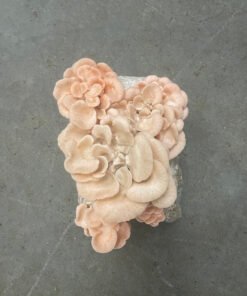
| Pink Oyster | 3–7 days | 70–85°F | Beginner |
| Lion’s Mane | 10–14 days | 60–70°F | Intermediate |
| Shiitake | 14–21 days | 50–68°F | Intermediate |
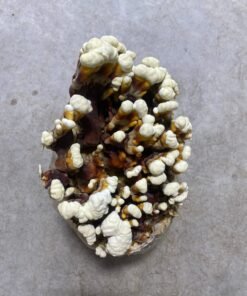
| Reishi | 21–30+ days | 70–80°F | Advanced |
Yield varies substantially by block weight, strain, substrate composition, and grower environment. Biological Efficiency (BE)—fresh harvest weight divided by dry substrate weight, multiplied by 100—provides a more meaningful performance metric than advertised fresh block weight, as documented in mushroom cultivation research published by Penn State Extension.
How to Use a Mushroom Grow Kit
The most important cultivation principle is balancing humidity with fresh air exchange (FAE). High ambient humidity prevents primordia from desiccating; adequate FAE limits CO2 accumulation that distorts fruiting body development. The Cornell Small Farms Program notes that gas exchange management is among the most commonly overlooked variables in small-scale mushroom production.
Practical steps for a fully colonized block:
- Expose the fruiting surface only as directed by the supplier
- Maintain species-appropriate humidity without leaving fruiting bodies continuously wet
- Provide indirect ambient light as a developmental cue—mushrooms do not photosynthesize
- Harvest oyster mushrooms before significant spore release to avoid respiratory irritation
Mushroom Grow Kit Contamination
Healthy mycelium is characteristically white and may appear fibrous, cottony, or dense. Green powdery patches indicate sporulating mold—most commonly Trichoderma, documented by the American Phytopathological Society as a frequent competitor in mushroom cultivation environments. Foul odors or slime indicate bacterial contamination. Do not deliberately open or smell visibly contaminated blocks indoors.
Are Mushroom Grow Kits Worth It?
Kits deliver genuine value for freshness, education, and access to specialty species. To assess financial value, divide total cost—kit price, shipping, and consumables—by pounds actually harvested, then compare against current local specialty mushroom retail prices. According to USDA Agricultural Marketing Service data, specialty mushroom prices vary significantly by market and season, making local price verification essential before drawing cost conclusions.
FAQ
How many flushes can a mushroom grow kit produce?
Most fully colonized blocks produce two or more flushes, with yields declining as the mycelium depletes available nutrients and water across successive harvests.
Is white fuzz on my kit contamination?
Not necessarily. Healthy mycelium is white. Green sporulating patches indicate mold; white fuzz around stem bases often indicates elevated CO2 and insufficient fresh air exchange rather than contamination.
How long do mushroom grow kits take?
Ready-to-fruit kits can begin pinning within days to a few weeks depending on species, temperature, humidity, and FAE. Species selection should match your home’s actual ambient temperature.