
No products in the cart.

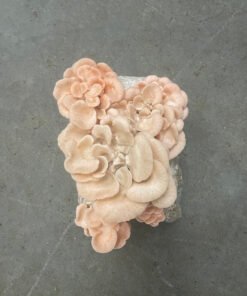
Black Pearl Oyster Mushroom Grow Kit
$25.00
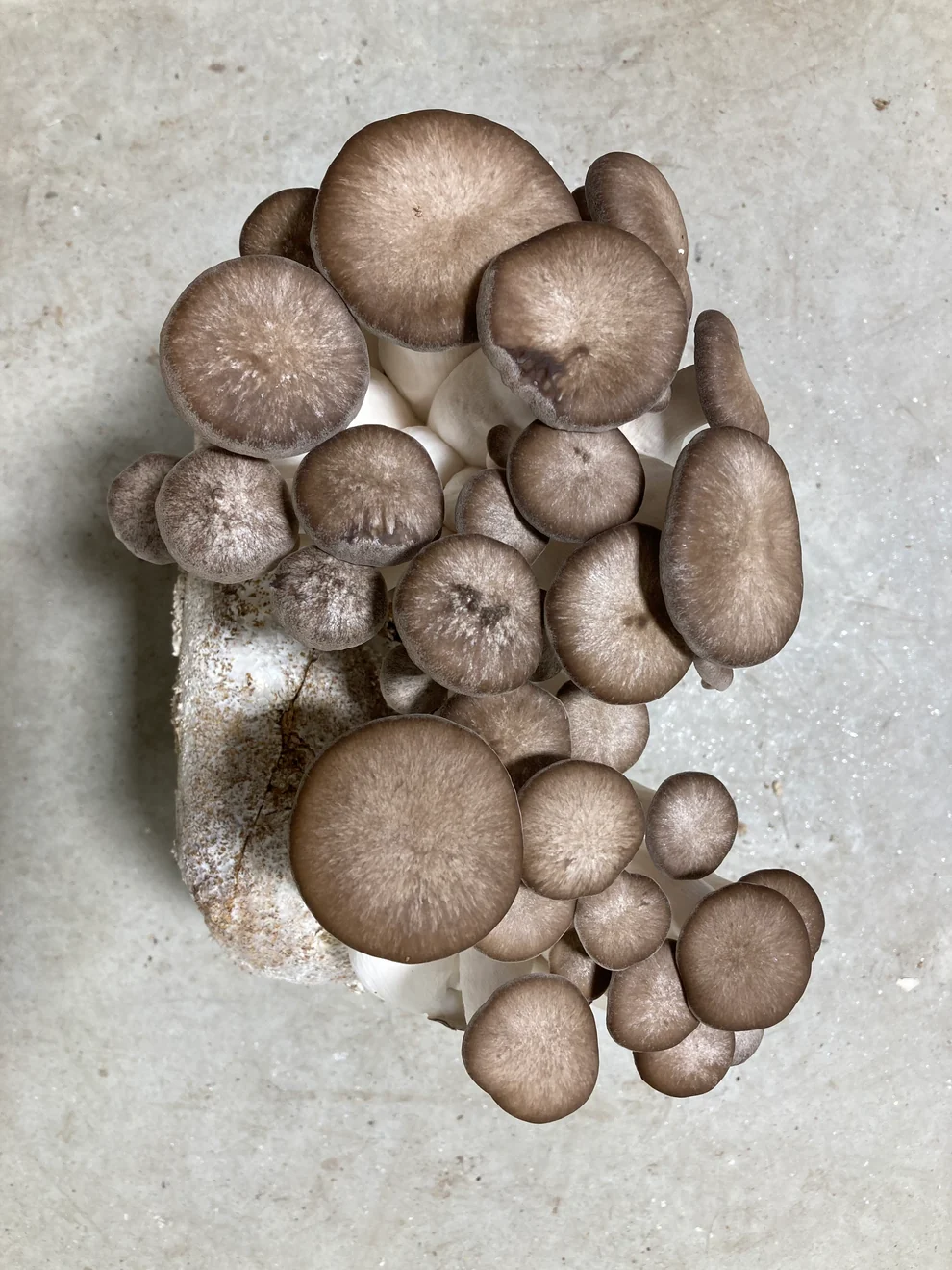
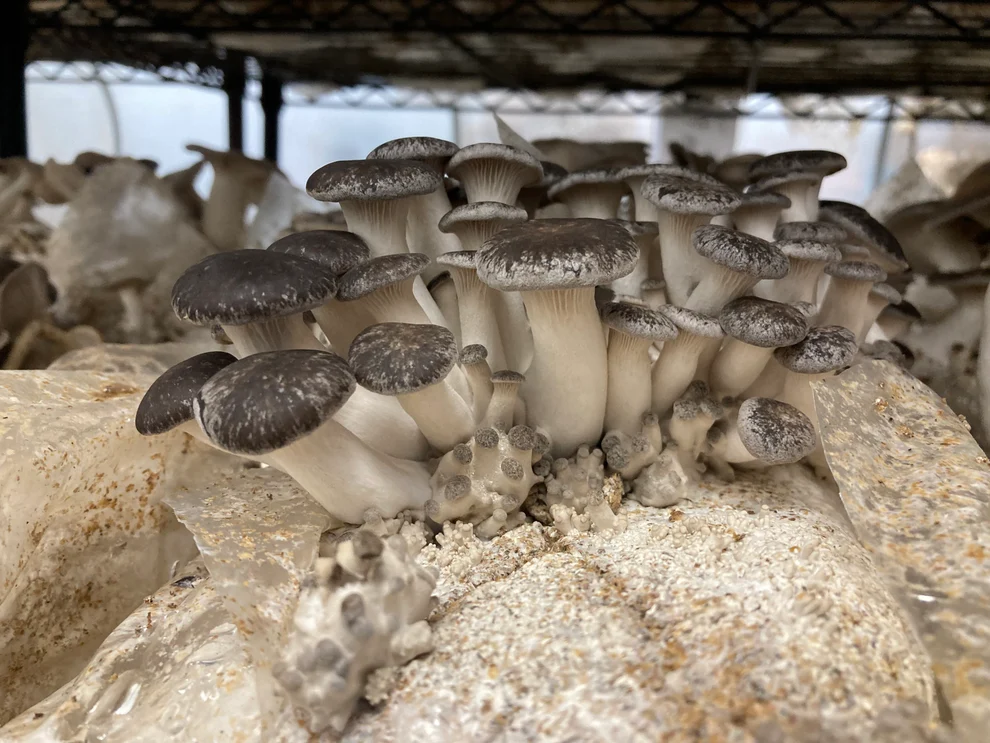
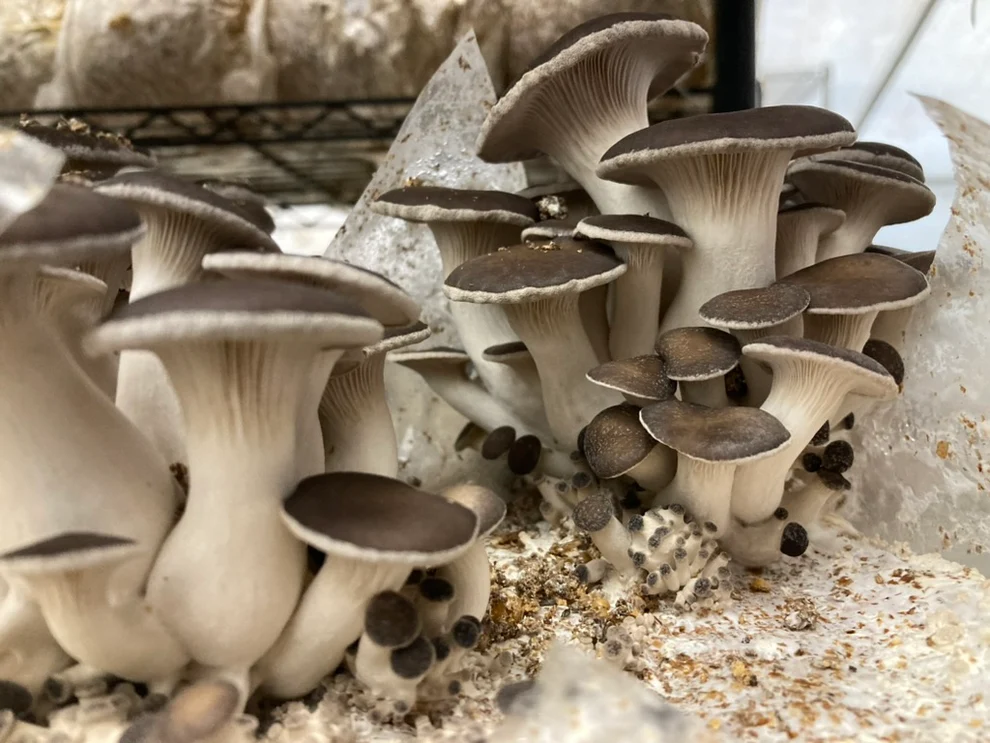
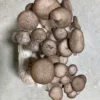
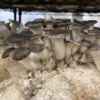
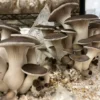
Grow your own Black Pearl Oyster mushrooms, a unique hybrid developed in Japan that combines the robust, meaty texture of King Oyster mushrooms with the clustering growth of Pearl and Blue Oysters. This versatile mushroom is perfect for searing, sautéing, or using in soups and other gourmet recipes.
Dimensions
Shipping box 10 x 6 x 6
Black Pearl Oyster Mushroom Grow Kit: Complete Cultivation Guide
A Black Pearl Oyster mushroom grow kit is a pre-colonized substrate block designed for growing Black Pearl King mushrooms indoors. This cultivated Pleurotus produces dark gray caps and thick, fully edible stems. Successful fruiting requires cool temperatures, high relative humidity, indirect light, and adequate Fresh Air Exchange—with harvest timing varying by strain, block condition, and environment. Species-environment matching predicts outcomes more reliably than kit brand alone.
What Is a Black Pearl Oyster Mushroom Grow Kit?
A Black Pearl Oyster mushroom grow kit is a fully colonized substrate block prepared for indoor fruiting. The established mycelium produces mushrooms when the grower provides appropriate humidity, temperature, indirect light, and fresh air exchange.
Black Pearl King is a commercial Pleurotus cultivar characterized by dark gray to near-black caps, substantial edible stems, and a flavor profile distinct from both standard oyster and traditional king oyster mushrooms. The grow kit format eliminates the most technically demanding cultivation phase—inoculation and colonization—so the grower’s primary responsibility is environmental management rather than sterile technique.
Substrate composition directly affects yield, biological efficiency, and multi-flush performance. Quality kits typically use hardwood sawdust—oak or maple—with nutritional supplementation such as soy hulls or a Master’s Mix formulation. As documented in Penn State Extension’s mushroom production resources, substrate composition and moisture content at fruiting are among the most consequential variables in small-scale cultivation outcomes.
Is Black Pearl King Really Pleurotus ostreatus × Pleurotus eryngii?
Black Pearl King is commonly marketed as an oyster/king-oyster hybrid, but commercial naming is not equivalent to independently verified taxonomy. Claims describing a specific culture as Pleurotus ostreatus × P. eryngii should be substantiated by breeder documentation, a culture repository record, patent filing, or genetic analysis— not retail product descriptions alone.
The practical implication for buyers: phenotypic descriptions—dark caps, thick edible stems, oyster-style cluster fruiting—are observable and reproducible regardless of whether the hybrid lineage has been formally documented. Cultivation parameters derived from seller instructions and community grow reports remain useful, but parentage claims should be treated as commercial characterizations rather than verified taxonomic facts until genetic documentation is available.
Black Pearl Oyster vs. King Oyster: Key Differences
Black Pearl King is a commercial Pleurotus cultivar with dark caps, thick edible stems, and oyster-style fruiting accessibility. Traditional King Oyster (Pleurotus eryngii) is distinguished by its exceptionally large, dense stem and requires different commercial fruiting techniques, including CO2 elevation during stem development.
| Feature | Black Pearl Oyster | King Oyster (P. eryngii) |
|---|---|---|
| Cap color | Dark gray to near-black | Pale tan to brown |
| Stem character | Thick, edible, substantial | Very large, dense, prized |
| Fruiting style | Oyster-style cluster | Individual or small clusters |
| Cultivation difficulty | Beginner–Intermediate | Intermediate |
| CO2 management | Lower CO2 for cap development | Elevated CO2 promotes stem elongation |
| Preferred substrate | Supplemented hardwood | Supplemented hardwood |
Black pearl oyster taste and texture distinguish it from both standard oyster and traditional king oyster: caps carry pronounced umami depth while thick stems offer a firm, meaty bite well-suited to high-heat cooking.
Black Pearl Oyster Substrate: Master’s Mix vs. Hardwood Sawdust
Black Pearl Oyster blocks are most commonly built on supplemented hardwood sawdust—typically oak or maple—with bran, soy hulls, or a Master’s Mix formulation providing additional nitrogen. Substrate composition, dry weight, and moisture content at colonization determine the block’s yield ceiling more than any marketing claim about block size.
Master’s Mix—a 50/50 blend of hardwood fuel pellets and soy hulls by dry weight—is a widely used supplemented substrate in commercial oyster and specialty mushroom production. Its higher nitrogen content supports greater biological efficiency than plain sawdust but also increases contamination risk during sterilization and colonization, which is why pre-colonized kits shipping Master’s Mix blocks represent a meaningful technical service: contamination risk was managed before the block reached the grower.
Critical technical note on Biological Efficiency: Biological Efficiency cannot be calculated from fresh block weight alone. BE (%) equals fresh mushroom yield divided by the substrate’s original dry weight × 100. If a block contains 2 lb of dry substrate and produces 2 lb of fresh mushrooms, it achieves 100% BE. Sellers advertising yield in relation to total block weight—which includes water—are describing a less meaningful metric. Request dry substrate weight when comparing kits by efficiency.
Black Pearl Oyster Temperature and Environmental Requirements
Approximately 55–68°F (13–20°C) is a commonly cited practical fruiting range for Black Pearl Oyster. Follow the specific parameters provided with your commercial culture, as strain variation affects optimal fruiting temperature.
Temperature is the environmental variable most likely to prevent fruiting entirely when mismatched to the species. Black pearl oyster mushroom cultivation favors cool conditions that many home environments cannot maintain year-round without deliberate management—making it a better autumn, winter, or spring project in most US climates.
Black pearl oyster humidity requirements: High relative humidity—generally 85–95%—is beneficial during pin formation and fruiting body development, as referenced in University of Florida IFAS Extension mushroom cultivation guidance. Humidity must be balanced with fresh air exchange rather than maximized in isolation; a sealed, humid environment accumulates CO2 that impairs primordia development regardless of moisture level.
Black pearl oyster fresh air exchange is the variable most consistently underestimated by first-time growers. Pleurotus species respire continuously, producing CO2 that—without adequate ventilation—signals the mycelium to elongate stems rather than develop caps. Elevated CO2 is a primary but not exclusive cause of long stems and small caps; light, temperature, genetics, and overall fruiting conditions can interact with gas exchange to produce this morphology.
Environmental reference table:
| Variable | Reference Range | Notes |
|---|---|---|
| Fruiting temperature | 55–68°F (13–20°C) | Strain-specific; confirm with supplier |
| Relative humidity | 85–95% | Critical during pinning |
| Fresh air exchange | Multiple daily exchanges | Prevents CO2 accumulation |
| Light | Indirect ambient | Directional/developmental cue; not photosynthetic |
| Expected pinning | 7–14 days | Varies by strain, temperature, and block condition |
Black Pearl Oyster Mushroom Grow Kit Yield, Timing and Biological Efficiency
Ready-to-fruit black pearl blocks may begin pinning within roughly one to two weeks under suitable conditions. Timing varies by strain, block condition, and environment. Yield is most meaningfully evaluated using Biological Efficiency against verified dry substrate weight—not against advertised fresh block weight.
Black pearl king mushroom yield figures circulating in commercial content typically reflect optimal laboratory or commercial conditions rather than typical home-cultivation results. First-flush yields under home conditions vary substantially based on ambient temperature accuracy, humidity consistency, FAE adequacy, and block freshness at time of purchase.
Black pearl oyster harvest time is determined by cap development stage rather than elapsed days. For black pearl oyster, harvest when caps are well-developed but before significant spore release—which can cause respiratory irritation in enclosed spaces and signals over-ripeness that reduces shelf life and textural quality.
[STATISTICS PLACEHOLDER: Insert first-party grow-test data here—median first-pin time, median first-flush harvest weight, total multi-flush yield, block failure rate, and test conditions. Original measured batch data is the single most citation-worthy addition this page can make.]Pre-Colonized Block vs. Black Pearl Oyster Liquid Culture
Buyers approaching black pearl oyster cultivation from different experience levels will encounter two distinct commercial pathways:
Pre-colonized black pearl oyster kit: Colonization is complete. The grower provides fruiting conditions and manages environmental variables. This format eliminates inoculation, sterilization, and contamination management during colonization—making it appropriate for beginners, growers without laboratory equipment, and anyone prioritizing time-to-harvest over cost efficiency.
Black pearl oyster liquid culture: A suspension of established mycelium in a sterile nutrient solution, used to inoculate self-prepared substrate. This pathway requires sterile technique, sterilization equipment, and colonization time—typically two to four weeks before fruiting can begin. Liquid culture is more cost-efficient at scale and allows substrate customization, but demands substantially more technical knowledge and contamination management than a pre-colonized kit.
The choice between formats is fundamentally a question of technical investment versus cost efficiency. For a first grow, a fully colonized black pearl oyster kit provides the highest probability of a successful fruiting outcome.
How to Grow Black Pearl Oyster Mushrooms: Step-by-Step
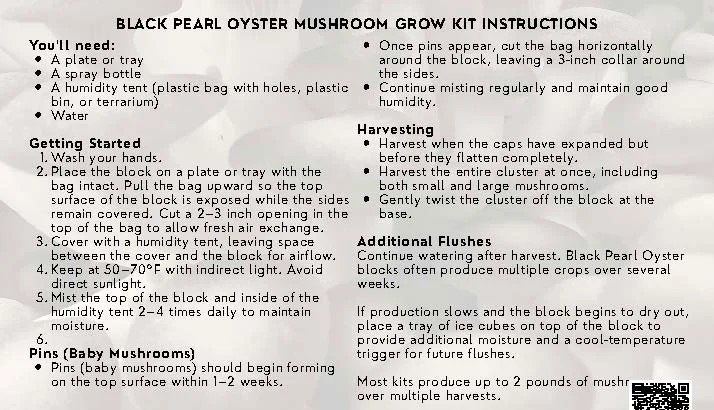
Always follow kit-specific supplier instructions because activation protocols vary by block design and strain. The following describes the general approach for a fully colonized spray-and-grow block:
- Expose the fruiting surface only as directed—open or cut the bag to expose the intended surface without unnecessarily disturbing the colonized interior
- Position the block away from direct sunlight, heating vents, and air conditioning drafts that create localized drying or temperature stress
- Maintain humidity at the species-appropriate target without leaving developing fruiting bodies continuously wet, which creates surface bacterial contamination risk
- Provide indirect ambient light as a developmental and directional cue—black pearl oyster mushrooms do not photosynthesize, but light influences primordia orientation
- Ensure adequate Fresh Air Exchange by fanning the fruiting surface several times daily or providing passive ventilation through a humidity tent with appropriately sized ventilation holes
- Monitor pin development and maintain stable conditions as primordia expand—avoid disturbing the block during active pinning
- Harvest at the correct stage—when caps are well-developed but before significant spore release
Black Pearl Oyster Second Flush
A black pearl oyster block can often produce additional flushes after its first harvest. Remove residual mushroom tissue and rehydrate only according to kit supplier instructions. Later flushes are commonly smaller because the block has lost water and consumed substrate nutrients; there is no universal guaranteed number of flushes.
To encourage a productive black pearl oyster second flush: remove all remaining mushroom tissue cleanly after the first harvest to prevent bacterial decomposition at attachment points, observe any rest period specified by the supplier, and rehydrate according to kit instructions—some blocks tolerate several hours of submersion soaking while others use surface misting protocols. Drain thoroughly after soaking; prolonged waterlogging creates anaerobic conditions that favor bacterial contamination over mycelial recovery.
Black Pearl Oyster Contamination Signs
Healthy Pleurotus mycelium is characteristically white. Green sporulating growth, spreading abnormal discoloration, slime, or foul odors can indicate contamination. White fuzz alone does not prove contamination and may be normal mycelium or aerial growth associated with inadequate air exchange. Isolate visibly contaminated blocks and avoid deliberately smelling them indoors.
A diagnostic framework for black pearl oyster blocks:
- Long stems, small caps: Elevated CO2 is a primary cause—increase FAE while maintaining humidity; also verify temperature and light
- Drying or aborting pins: Check ambient humidity and confirm temperature is within the fruiting range
- Green sporulating patches: Isolate immediately; follow supplier disposal or replacement protocol
- White fuzz around stem bases: Often associated with elevated CO2 rather than contamination—improve FAE before concluding the block is compromised
Do not deliberately open or smell visibly mold-contaminated blocks indoors. Some fungal contaminants produce airborne spores that pose respiratory risks in enclosed environments.
Can You Eat Black Pearl Oyster Stems?
Yes. Black Pearl Oyster stems are edible, dense, and substantially firmer than the cap tissue—a textural characteristic that makes them well-suited to cooking techniques that would toughen thinner oyster varieties.
Thick stems sliced into medallions and pan-seared over high heat develop pronounced Maillard browning and a firm, substantial bite that experienced mushroom cooks compare to a scallop-style preparation. This characterization reflects the stem’s density and moisture content rather than a precise flavor equivalence. Roasting, grilling, and braising are equally effective applications for stems of this density.
Buying the Best Black Pearl Oyster Grow Kit
The best Black Pearl Oyster grow kit is a fresh, fully colonized block backed by strain-specific instructions, disclosed substrate composition and dry block weight, temperature-conscious shipping, responsive cultivation support, and a clear replacement policy. Prefer suppliers publishing measured batch yields rather than unsupported maximum-yield claims.
Buyers searching for a pre-colonized black pearl oyster kit should evaluate:
- Block freshness: Colonization date or production date relative to shipping date; older blocks have depleted moisture and reduced mycelial vigor
- Substrate disclosure: Specific substrate composition—hardwood species, supplementation type and ratio—rather than generic descriptions
- Dry weight transparency: Essential for meaningful BE comparison between competing products
- Shipping protection: Temperature-sensitive shipping in warm or cold climates; mycelium viability is affected by heat and freeze damage
- Replacement policy: Clear terms for contaminated or non-fruiting blocks
- Cultivation support: Strain-specific instructions, troubleshooting guidance, and accessible customer support
Avoid kits marketed exclusively around maximum theoretical yield figures without disclosed testing methodology. A supplier publishing measured harvest data—median first-flush weight, total multi-flush yield, test conditions, and failure rate—provides verifiably more useful purchasing information than one citing only optimal-condition maximums.
FAQ: Black Pearl Oyster Mushroom Grow Kit
Q: What is a Black Pearl Oyster mushroom grow kit?
A: A Black Pearl Oyster mushroom grow kit is a fully colonized substrate block prepared for indoor fruiting. The established mycelium produces mushrooms when the grower provides appropriate humidity, temperature, indirect light, and fresh air exchange.
Q: How long does a Black Pearl Oyster grow kit take to fruit?
A: Ready-to-fruit black pearl blocks may begin pinning in roughly one to two weeks under suitable conditions. Timing varies by strain, block condition, and environment; follow your specific supplier’s instructions for the most reliable timeframe.
Q: What temperature is best for Black Pearl Oyster mushrooms?
A: Approximately 55–68°F (13–20°C) is a commonly cited practical fruiting range. Growers should follow the parameters supplied with their specific commercial culture, as strain variation affects optimal fruiting temperature.
Q: What humidity do Black Pearl Oyster mushrooms need?
A: High relative humidity—generally 85–95%—is beneficial during pin formation and fruiting body development, as referenced in UF IFAS Extension cultivation guidance. Humidity must be balanced with fresh air exchange to prevent CO2 accumulation that impairs fruiting.
Q: Why are my Black Pearl Oysters growing long stems and small caps?
A: Insufficient fresh air exchange and elevated CO2 are primary causes of elongated stems and underdeveloped caps in Pleurotus species. Increase ventilation while maintaining appropriate humidity, and verify that temperature and light are within suitable ranges. Genetics and overall fruiting conditions can also contribute.
Q: Can you eat Black Pearl Oyster stems?
A: Yes. Black Pearl Oyster stems are edible and valued for their dense, substantial texture. Stems sliced into medallions and pan-seared produce a firm, umami-rich preparation distinct from the cap—a preparation commonly compared to seared scallops in texture.
Q: How many flushes can a Black Pearl Oyster block produce?
A: Healthy blocks commonly produce two or more flushes. Subsequent yields are generally smaller as the mycelium depletes available substrate nutrition and moisture. Proper rehydration between flushes supports continued productivity, though there is no universal guaranteed flush count.
Q: What is the difference between Black Pearl Oyster and King Oyster?
A: Black Pearl King is a commercial Pleurotus cultivar with dark caps, thick edible stems, and oyster-style cluster fruiting. Traditional King Oyster (Pleurotus eryngii) is distinguished by its exceptionally large, dense stem and typically requires elevated CO2 during stem development—a fundamentally different fruiting management approach.
Conclusion: Choosing the Best Black Pearl King Oyster Kit
The best black pearl king oyster kit provides a fresh, fully colonized block with disclosed substrate composition, dry weight transparency, strain-specific instructions, and a clear replacement policy—evaluated against your home’s actual ambient temperature rather than the kit’s theoretical maximum yield. Environmental control predicts cultivation success more reliably than brand recognition: cool fruiting temperature, high humidity balanced with adequate fresh air exchange, and indirect light are the three variables that determine whether a black pearl oyster mushroom grow kit produces the dark-capped, dense-stemmed, umami-rich harvests this cultivar is capable of delivering.
Be the first to review “Black Pearl Oyster Mushroom Grow Kit”
Related products



Reviews
There are no reviews yet.