
No products in the cart.
Blog
MDMA: Science, Effects, Risks, Clinical Research, and Legal Status
04
Aug
Aug
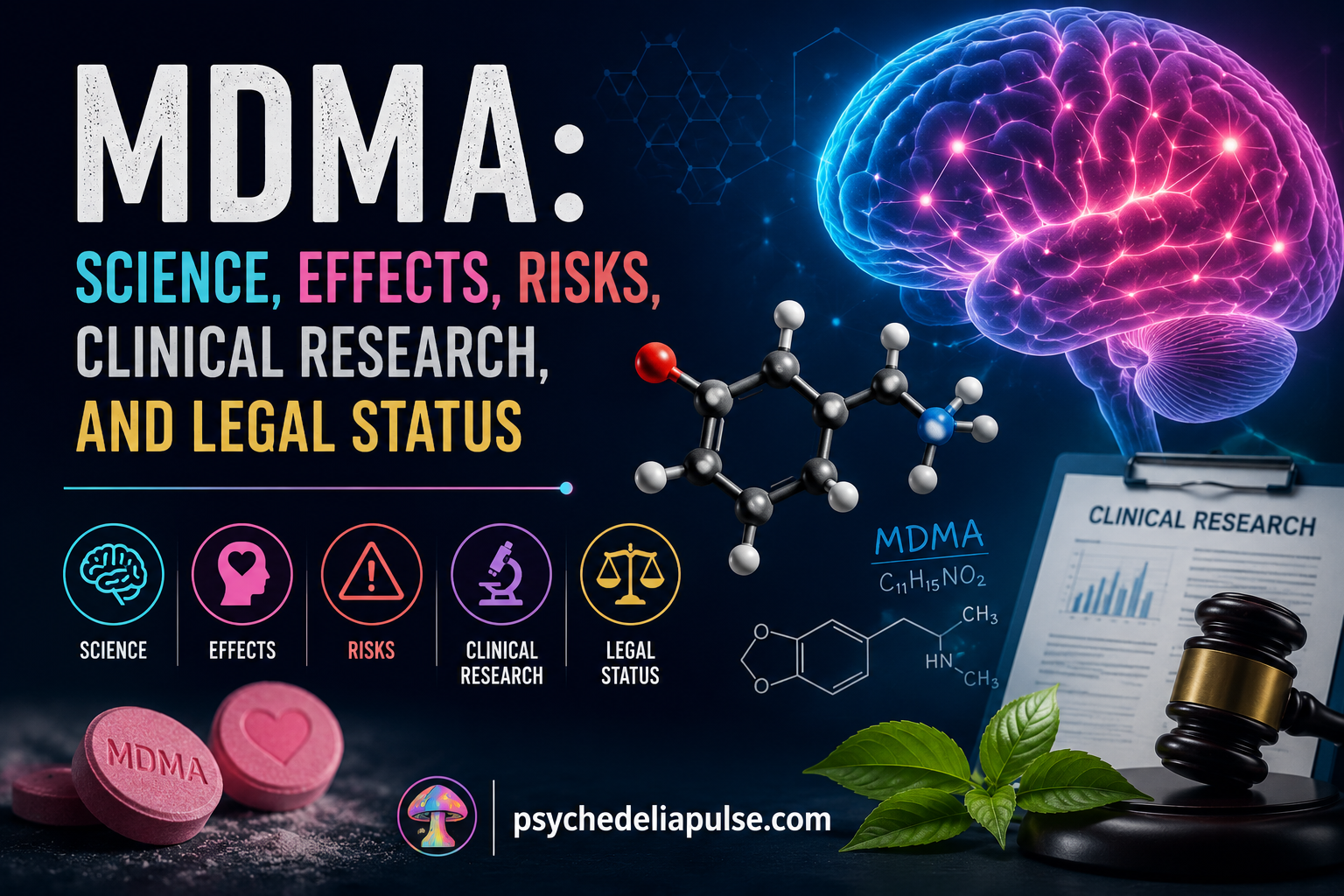
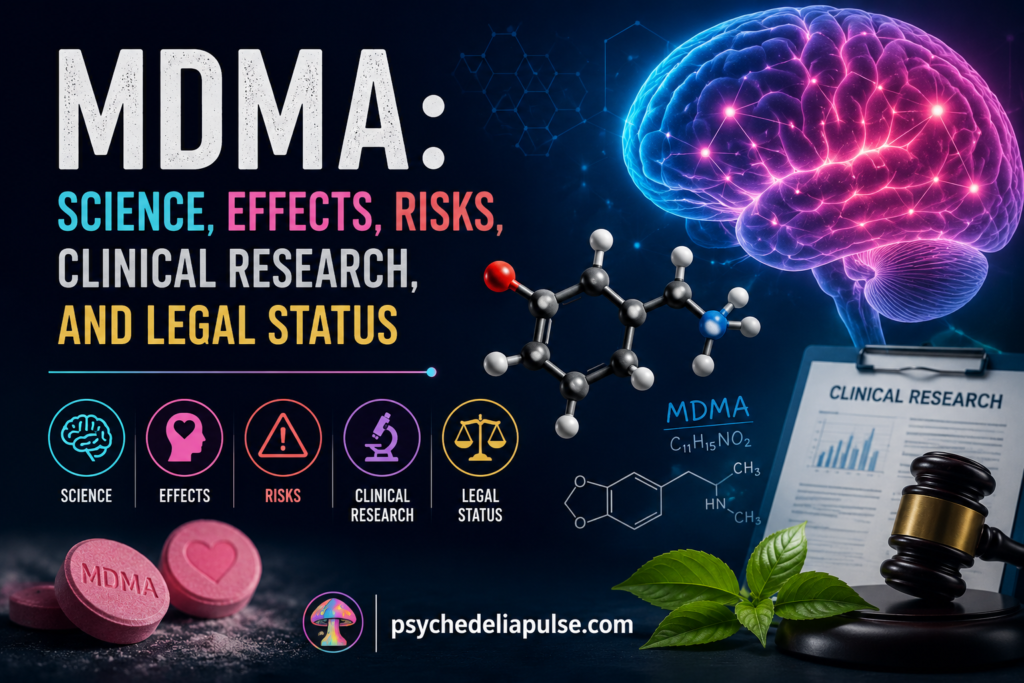
MDMA (3,4-methylenedioxymethamphetamine) occupies an unusual position in modern medicine: it is simultaneously a Schedule I controlled substance under U.S. federal law and the subject of serious clinical investigation for post-traumatic stress disorder. That tension is not a contradiction—it reflects how scientific understanding of a compound can evolve while legal and regulatory frameworks move more slowly.
This guide explains what MDMA is, how it affects the brain, what the risks are, where clinical research currently stands, and what U.S. law says about it. Information draws on sources including the National Institute on Drug Abuse (NIDA), the National Institutes of Health (NIH), the U.S. Food and Drug Administration (FDA), the Drug Enforcement Administration (DEA), the Substance Abuse and Mental Health Services Administration (SAMHSA), and peer-reviewed medical literature including publications in JAMA Psychiatry, Nature Medicine, and The Lancet Psychiatry.
Evidence Summary
Current evidence from randomized clinical trials suggests that MDMA-assisted psychotherapy may reduce PTSD symptom severity in carefully selected participants when administered under structured medical supervision. However, the FDA has not approved MDMA as a prescription treatment, and the totality of evidence continues to be evaluated. Individual findings should be interpreted within the context of the specific trial designs, participant populations, and methodological limitations of each study.
Key Takeaways
- MDMA is the abbreviated name for 3,4-methylenedioxymethamphetamine
- It affects serotonin, dopamine, norepinephrine, and several related brain systems
- Street products sold as Molly or Ecstasy may contain substances other than MDMA
- Researchers continue to study pharmaceutical-grade MDMA (midomafetamine) for PTSD under regulated clinical protocols
- MDMA is not FDA-approved as a prescription treatment and remains a Schedule I controlled substance under federal law
- Understanding potential risks, drug interactions, and emergency warning signs matters for public health
Educational Note
This article is intended for educational purposes only. It does not encourage or promote illegal drug use. Medical information changes over time, and individual health decisions should be made with qualified healthcare professionals.
Call to Action
Download the MDMA Clinical Research Summary for a concise overview of current evidence, regulatory updates, and key public health resources.
Quick Answer: What Is MDMA?
MDMA (3,4-methylenedioxymethamphetamine) is a synthetic psychoactive compound classified as both a stimulant and an empathogen-entactogen. It increases the release of serotonin, dopamine, and norepinephrine, influencing mood, perception, and social processing. In the United States, MDMA is illegal outside authorized research settings, where pharmaceutical-grade formulations are being investigated for specific mental health conditions. According to NIDA, MDMA is one of the most extensively studied psychoactive substances in current clinical research.
What Is MDMA?
Scientific name: 3,4-Methylenedioxymethamphetamine
PubChem CID: 1615
Common names:
Drug class:
- Synthetic psychoactive substance
- Substituted amphetamine
- Empathogen / Entactogen with stimulant properties
Primary biological targets:
- Serotonin transporter (SERT)
- Dopamine system
- Norepinephrine system
- VMAT2 (vesicular monoamine transporter 2)
Legal status in the United States: Schedule I controlled substance under federal law, except within authorized research settings, as maintained by the DEA’s drug scheduling framework.
MedlinePlus reference: MedlinePlus Drug Information — MDMA
MDMA, or 3,4-methylenedioxymethamphetamine, is a synthetic psychoactive substance that acts as both a stimulant and an empathogen. It increases the release of serotonin, dopamine, and norepinephrine in the brain. In the United States, it is classified as a Schedule I controlled substance, although pharmaceutical-grade forms continue to be studied in regulated clinical research under FDA oversight.
Understanding MDMA
Understanding what MDMA is requires separating the chemical compound itself from the names that circulate in popular culture. Scientific publications, public health agencies, and media reports often use different terminology—and that inconsistency creates genuine confusion about what is actually being discussed.
Chemical Structure
Definition
MDMA is chemically known as 3,4-methylenedioxymethamphetamine, a synthetic compound belonging to the substituted amphetamine family. Its chemical structure is documented in the National Library of Medicine’s PubChem database (CID 1615).
Explanation
Its molecular structure allows it to influence several neurotransmitter systems at once, with serotonin being the primary target. A key mechanism is monoamine transporter reversal—rather than simply blocking reuptake as many antidepressants do, MDMA causes transporters to run in reverse, actively expelling neurotransmitters into the synapse. Unlike medications designed around a single receptor or pathway, this reversal mechanism generates broad effects across multiple signaling systems simultaneously, which helps explain why its physiological and psychological profile is so complex.
Researchers classify MDMA as both a stimulant and an empathogen because it combines increased physical activation with measurable changes in emotional and social processing—two effects that rarely appear together in other compounds.
Expert Insight
Current evidence suggests MDMA’s effects arise from multiple overlapping mechanisms rather than one isolated pathway. That complexity is a key reason why individual experiences and medical outcomes vary considerably—even among people given identical doses under controlled conditions.
Common Mistake
Assuming MDMA belongs to the same category as classic psychedelics such as LSD or psilocybin.
Best Practice
Recognize that MDMA has a distinct pharmacological profile—one that combines stimulant, empathogenic, and neurochemical effects not found in other psychoactive substances.
What Is the Difference Between an Empathogen and an Entactogen?
These terms are related but technically distinct. An empathogen refers to a substance that increases feelings of emotional closeness and empathy toward others. An entactogen (from the Latin tactus, meaning touch) refers to a substance that produces a sense of inner emotional contact or self-awareness. MDMA is considered both because it appears to facilitate interpersonal and introspective emotional experiences simultaneously. These properties are part of why researchers have investigated it as an adjunct to psychotherapy for conditions involving emotional avoidance, such as PTSD.
MDA vs. MDMA
What is the difference between MDA and MDMA?
MDA (3,4-methylenedioxyamphetamine) is a related but chemically distinct compound. Both affect serotonin, dopamine, and norepinephrine, but MDA tends to produce more pronounced stimulant and hallucinogenic effects relative to MDMA, and its duration of action is generally longer. MDMA is considered more selective for serotonin release than MDA. Both are Schedule I controlled substances under U.S. federal law. MDA is also a metabolite of MDMA, meaning small amounts are produced when the body processes MDMA—a fact relevant to drug testing interpretation. The DEA maintains factsheets on both compounds for reference.
History of MDMA
Regulatory Timeline
| Year | Event |
|---|---|
| 1912 | First synthesized by Merck chemist Anton Köllisch |
| 1970s–early 1980s | Explored by some therapists as a psychotherapy adjunct |
| 1985 | DEA emergency Schedule I classification |
| 2017 | FDA grants Breakthrough Therapy designation for MDMA-assisted psychotherapy for PTSD |
| 2021–2023 | Phase 3 trial publications in Nature Medicine and other journals |
| 2024 | FDA advisory committee review; ongoing regulatory evaluation |
Explanation
During the 1970s and early 1980s, some mental health professionals explored MDMA’s potential role in psychotherapy. That work largely stopped after federal scheduling in 1985, but regulated research resumed decades later under FDA oversight following the 2017 Breakthrough Therapy designation. Today, scientific attention has shifted to carefully designed clinical trials rather than informal therapeutic use. The full scheduling history is maintained by the DEA Diversion Control Division.
Expert Insight
Historical accounts tend to emphasize either therapeutic optimism or public health alarm. A balanced understanding requires weighing both the scientific evidence and the legal framework that shaped how research was permitted to proceed.
Common Mistake
Believing that historical therapeutic interest means effectiveness has already been established.
Best Practice
Evaluate findings from randomized clinical trials rather than relying on historical reports or anecdotal accounts, regardless of how compelling those accounts may seem.
Alexander and Ann Shulgin’s Contributions
Definition
Alexander and Ann Shulgin were influential figures in the study and documentation of psychoactive compounds, including MDMA.
Explanation
Alexander Shulgin synthesized and characterized numerous compounds, while Ann Shulgin documented therapeutic observations and psychological perspectives. Their work—particularly the book PiHKAL: A Chemical Love Story (1991)—contributed to scientific discussion and introduced MDMA to a wider audience of researchers and therapists.
That historical importance is real. But it does not replace what modern clinical research requires: institutional review boards, controlled trials, standardized outcome measures, and regulatory oversight from agencies such as the FDA.
Expert Insight
Scientific understanding advances through replication, independent verification, and rigorous methodology—not through individual observation alone, regardless of how careful that observation is.
Common Mistake
Treating historical writings as equivalent to current clinical guidelines.
Best Practice
Use historical sources to understand how a field developed, while relying on contemporary peer-reviewed research indexed in PubMed for clinical conclusions.
MDMA vs. Molly vs. Ecstasy
Definition
Although these terms are used interchangeably in everyday conversation, they are not the same thing.
Explanation
MDMA refers to the chemical compound itself.
Molly commonly refers to powder or crystalline material marketed as containing MDMA. Laboratory analyses have repeatedly found that products sold under this name contain other substances—sometimes entirely different compounds.
Ecstasy generally refers to pressed tablets, which may contain MDMA, other psychoactive compounds, or combinations of ingredients that vary batch to batch.
Because illicit products are unregulated, appearance and street name cannot reliably indicate chemical composition. Drug checking programs—services that use chemical analysis to identify the composition of street drugs—have consistently documented the gap between what a product is labeled and what it actually contains. SAMHSA’s drug information resources provide additional public health guidance on this distinction.
Expert Insight
Public health experts increasingly emphasize laboratory verification rather than assumptions based on product names or visual characteristics.
Common Mistake
Assuming “Molly” automatically means pure MDMA.
Best Practice
Understand that unregulated products can differ substantially in composition, potency, and associated risks. The only reliable way to know what a product contains is laboratory analysis.
Comparison Table
| Term | Typical Form | Definition | May Contain Other Substances | U.S. Legal Status |
|---|---|---|---|---|
| MDMA | Chemical compound | 3,4-Methylenedioxymethamphetamine | Pharmaceutical-grade material used only in authorized research | Schedule I outside approved research |
| Molly | Powder or crystals | Street name marketed as MDMA | Yes | Illegal |
| Ecstasy | Pressed tablet | Street name for tablets that may contain MDMA | Yes | Illegal |
Passage Indexing Block
What is the difference between MDMA, Molly, and Ecstasy?
MDMA is the chemical name for 3,4-methylenedioxymethamphetamine. Molly is a street term typically referring to powder or crystalline material marketed as MDMA, while Ecstasy usually refers to pressed tablets. Unlike pharmaceutical-grade material used in research, street products may contain additional substances or contaminants. Because composition varies, experts—including those at NIDA—recommend distinguishing between the pure chemical compound discussed in scientific research and products available in unregulated markets.
How MDMA Works in the Brain
MDMA pharmacology is complex because it affects several neurotransmitter systems at once. Researchers continue to investigate exactly how these interactions shape mood, cognition, emotional processing, and physiological responses. The NIH’s National Library of Medicine maintains an extensive archive of peer-reviewed pharmacology research on this topic.
Clinical Consensus
Researchers broadly agree that:
- Serotonin release is the dominant acute mechanism underlying most psychological effects of MDMA
- Dopamine, norepinephrine, oxytocin, and stress hormones also contribute meaningfully
- Brain regions including the amygdala and prefrontal cortex are involved in emotional processing effects
- Clinical findings from regulated research cannot be generalized to recreational or uncontrolled settings
Quick Answer: How does MDMA affect the brain?
MDMA primarily increases the release of serotonin while also affecting dopamine and norepinephrine through monoamine transporter reversal. It interacts with transport proteins such as SERT and VMAT2, leading to temporary changes in neurotransmitter signaling. These effects influence mood, perception, energy, and social processing—while also contributing to potential adverse effects including cardiovascular strain and, in some circumstances, serotonin syndrome.
Serotonin Release
Definition
Serotonin is a neurotransmitter involved in mood regulation, emotional processing, appetite, sleep, and numerous other biological functions. NIDA’s research overview describes serotonin’s central role in MDMA pharmacology.
Explanation
MDMA causes a substantial release of serotonin into the synaptic cleft while temporarily reducing the neuron’s ability to reabsorb it through monoamine transporter reversal. This mechanism accounts for many of the psychological effects associated with the substance and remains the central focus of MDMA pharmacology research.
The magnitude of that serotonin surge is also one reason researchers study potential risks—including serotonin depletion after the acute phase ends, interactions with antidepressant medications, the possibility of serotonin syndrome, and questions about neurotoxicity with repeated exposure.
Research has identified the amygdala—a brain region involved in fear processing and emotional memory—as one area where MDMA’s effects on serotonin signaling may be particularly relevant to its potential use in trauma-focused psychotherapy.
Example
Brain imaging studies archived in PubMed have demonstrated measurable changes in serotonin transporter activity following MDMA exposure, though the duration and clinical significance of those changes remain active areas of investigation.
Expert Insight
Most neuroscientists agree that serotonin plays a central role in MDMA’s acute effects, but it is only one component of a much broader neurochemical response.
Common Mistake
Assuming serotonin alone explains every effect of MDMA.
Best Practice
Understand that multiple neurotransmitters interact simultaneously, producing a complex pattern of psychological and physiological responses that no single system can fully explain.
Featured Snippet
How does MDMA affect serotonin?
MDMA causes monoamine transporter reversal at the serotonin transporter (SERT), actively releasing serotonin into the synapse while simultaneously reducing its reuptake. This temporary surge contributes to changes in mood, emotional openness, and perception. According to NIDA, researchers continue to study how these effects relate to both therapeutic potential and possible adverse outcomes, including serotonin depletion and serotonin syndrome risk.
Effects on Dopamine
Definition
Dopamine is a neurotransmitter involved in motivation, learning, movement, and reward processing.
Explanation
MDMA also increases dopamine activity through the same transporter reversal mechanism, though generally to a lesser extent than serotonin. This contributes to increased energy and reinforcement effects during the acute phase. The ratio of serotonin to dopamine release is one of the pharmacological features that distinguishes MDMA from amphetamine and methamphetamine, which produce proportionally greater dopamine release.
Example
Neuroimaging studies indexed in the National Library of Medicine have identified changes in dopamine signaling after MDMA exposure, but these changes differ meaningfully from those produced by traditional stimulant drugs.
Expert Insight
The relative balance of serotonin to dopamine activity is a key pharmacological distinction between MDMA and other stimulants—and is directly relevant to understanding both its effects and its abuse potential.
Common Mistake
Assuming MDMA acts primarily as a dopamine stimulant.
Best Practice
Consider its combined effects across multiple neurotransmitter systems rather than reducing it to any one chemical pathway.
Norepinephrine Activity
Definition
Norepinephrine helps regulate alertness, attention, blood pressure, and heart rate.
Explanation
MDMA stimulates norepinephrine release, contributing to increased cardiovascular activity and physical stimulation during the acute phase. This activation also involves the prefrontal cortex, a brain region governing executive function, impulse control, and decision-making.
Expert Insight
Cardiovascular effects are among the primary reasons medical screening is a non-negotiable component of regulated clinical studies. The FDA’s clinical research framework requires cardiovascular safety monitoring as part of any approved investigational protocol.
Common Mistake
Focusing exclusively on psychological effects while overlooking the physiological changes occurring simultaneously.
Best Practice
Recognize that brain chemistry and cardiovascular responses are closely connected—changes in one system reliably produce changes in the other.
Cortisol and Stress Hormones
Definition
Cortisol is the body’s primary stress hormone, released by the adrenal glands in response to physical or psychological stress.
Explanation
MDMA has been shown to transiently increase cortisol levels. Researchers are investigating how this cortisol response interacts with MDMA’s serotonergic effects—particularly in the context of trauma processing, where the relationship between stress hormones and fear memory consolidation is already well established. Whether this transient cortisol elevation is therapeutically relevant or contributes to aftereffects remains an open question in the peer-reviewed literature available through PubMed.
Expert Insight
The interplay between MDMA, serotonin, and cortisol adds another layer of complexity to understanding how it might affect trauma-related symptoms—and why individual responses vary even within carefully controlled research settings.
Oxytocin and Social Effects
Definition
Oxytocin is a hormone involved in social bonding, trust, and emotional processing.
Explanation
Research suggests MDMA may indirectly increase oxytocin levels, potentially influencing trust, empathy, and emotional communication. Scientists continue to investigate how these changes relate to psychotherapy outcomes—particularly why patients in MDMA-assisted sessions sometimes report feeling more able to discuss traumatic material without the fear response that typically accompanies it.
Expert Insight
Oxytocin likely contributes to the psychological effects associated with MDMA but does not fully account for them. It is one piece of a larger neurochemical picture that researchers at institutions like the NIH continue to map.
Common Mistake
Attributing all changes in emotional openness to oxytocin alone.
Best Practice
Interpret social effects within the broader context of multiple interacting neurochemical systems.
MDMA and Neuroplasticity
Definition
Neuroplasticity refers to the brain’s capacity to reorganize itself by forming new neural connections.
Explanation
Emerging research is investigating whether MDMA may promote neuroplasticity—potentially enhancing the brain’s ability to process and recontextualize difficult memories during psychotherapy. Some preclinical studies suggest MDMA may influence brain-derived neurotrophic factor (BDNF) and related pathways involved in synaptic plasticity. This is an early and evolving area of research; current evidence is primarily from animal studies, and human data remain limited. Relevant studies can be tracked through ClinicalTrials.gov.
Expert Insight
If neuroplasticity effects are confirmed in human research, they could help explain the therapeutic window that MDMA-assisted psychotherapy may create—but this remains a hypothesis requiring rigorous investigation before clinical conclusions can be drawn.
Common Mistake
Treating preliminary neuroplasticity findings as established clinical fact.
Best Practice
Follow peer-reviewed literature as this area develops, and distinguish preclinical findings from human evidence.
VMAT2 and SERT Mechanisms
Definition
VMAT2 and SERT are proteins responsible for transporting neurotransmitters within and between nerve cells.
Explanation
MDMA alters the normal function of both transporters through active reversal rather than simple blockade, increasing the release of neurotransmitters into synapses in a way that produces larger concentration changes than reuptake inhibition alone. These proteins are central to understanding MDMA pharmacology at the cellular level, and their molecular structures are documented in the National Library of Medicine’s protein databases.
Expert Insight
Although these mechanisms are well described experimentally, scientists continue to investigate how transporter-level effects translate into long-term outcomes in humans—particularly regarding whether repeated activation of this reversal mechanism contributes to lasting changes in serotonergic neurons.
Common Mistake
Believing one receptor or transporter explains every observed effect.
Best Practice
View MDMA as affecting interconnected brain networks rather than a single biological target.
Expert Insight Box
Current neuroscience identifies serotonin release via monoamine transporter reversal as the dominant mechanism underlying most acute effects of MDMA. The amygdala and prefrontal cortex appear to be particularly relevant brain regions for its emotional processing effects. Dopamine, norepinephrine, oxytocin, cortisol, and potentially neuroplasticity pathways also contribute. Individual genetics, baseline health status, and environmental context shape outcomes further. This layered complexity is one reason researchers—including those funded by the NIH—continue to study both therapeutic potential and safety.
Pharmacokinetics: How Is MDMA Processed in the Body?
Pharmacokinetics explains why MDMA’s effects vary considerably between individuals. Genetics, age, body composition, overall health, and concurrent medications all influence how the body absorbs, metabolizes, and eliminates the compound. The FDA’s pharmacology guidance documents address how individual variation in drug metabolism affects clinical outcomes.
Quick Answer: How long do MDMA effects typically last?
The acute effects of MDMA generally begin within about 30 to 60 minutes, peak after approximately 1.5 to 3 hours, and diminish over several hours. The exact timeline varies based on individual biology, product composition, and other factors. Elimination half-life is commonly reported at around 7 to 9 hours in healthy adults, though this figure differs among individuals based on CYP2D6 genetic variation.
Absorption
Definition
Absorption refers to how a substance enters the bloodstream after it is taken.
Explanation
Once absorbed, MDMA circulates throughout the body and reaches the brain, where it begins affecting neurotransmitter systems. Absorption rates differ based on physiological factors and—outside research settings—on the unknown composition of the product consumed.
Expert Insight
Researchers evaluate absorption using pharmacokinetic measures such as Cmax (maximum concentration) and Tmax (time to maximum concentration)—standard tools described in FDA pharmacokinetics guidance.
Common Mistake
Assuming everyone experiences the same onset of effects.
Best Practice
Recognize that substantial individual variability exists, even under tightly controlled research conditions.
Metabolism (CYP2D6) and Oxidative Stress
Definition
CYP2D6 is a liver enzyme involved in metabolizing many medications and psychoactive compounds, including MDMA.
Explanation
Genetic variation in CYP2D6 activity contributes directly to differences in how quickly individuals process MDMA. Certain medications can also inhibit or induce CYP2D6 activity, which is one reason drug interaction reviews matter clinically. The FDA’s pharmacogenomics guidance addresses how CYP2D6 variation affects clinical drug development.
MDMA metabolism also produces reactive metabolites that may generate oxidative stress in serotonergic neurons. Researchers have proposed that this oxidative stress pathway may contribute to neurotoxicity observed in animal studies, though the clinical significance in humans at typical research doses remains under investigation in studies registered at ClinicalTrials.gov.
Expert Insight
Pharmacogenetics—the study of how genes influence drug metabolism—is an increasingly important field in precision medicine. CYP2D6 status may eventually be relevant to clinical screening protocols for MDMA-assisted therapy.
Common Mistake
Assuming metabolism is uniform across all individuals.
Best Practice
Treat metabolism as one factor among many that shape clinical outcomes, and recognize that CYP2D6 inhibitor medications may meaningfully alter the pharmacokinetic profile.
Pharmacokinetic Timeline
| Stage | Typical Timeline | Clinical Notes |
|---|---|---|
| Onset | Approximately 30–60 minutes | Individual variation expected |
| Peak | Approximately 1.5–3 hours | Period of greatest pharmacological activity |
| Acute Duration | Several hours | Effects gradually decline |
| Elimination Half-Life | Approximately 7–9 hours (average) | Varies based on CYP2D6 genetics and other factors |
Passage Indexing Block
How long do MDMA effects last?
Most studies report that acute MDMA effects begin within about 30 to 60 minutes, become strongest after roughly 1.5 to 3 hours, and gradually diminish over several hours. The elimination half-life averages approximately 7 to 9 hours in many healthy adults, though metabolism varies considerably based on CYP2D6 genetic variation. Individual genetics, liver enzyme activity, concurrent medications, and product composition all contribute to differences in timing. NIDA provides additional pharmacokinetic context in its public research summaries.
What Are the Effects of MDMA?
The effects of MDMA involve both psychological and physical responses. Research distinguishes between expected pharmacological effects observed in controlled settings and unpredictable outcomes associated with unregulated products—a distinction that matters for accurately interpreting the literature.
Short-Term Effects
Definition
Short-term effects occur during the acute pharmacological phase.
Explanation
Commonly reported effects include changes in mood, perception, energy, sociability, body temperature regulation, heart rate, and blood pressure. These responses often occur simultaneously and interact with one another. NIDA’s MDMA research summary outlines the full spectrum of documented short-term effects.
Expert Insight
Even under controlled conditions, responses vary considerably among participants. No pharmacological effect is universal.
Common Mistake
Assuming every individual experiences identical effects.
Best Practice
Interpret reported effects as averages observed in research populations, not guaranteed individual experiences.
Psychological Effects
Definition
Psychological effects involve changes in mood, thinking, perception, and emotional processing.
Explanation
Research has documented temporary increases in emotional openness, empathy, and altered sensory perception. Some individuals also experience anxiety, confusion, or psychological distress—a less-discussed but well-documented finding in the clinical literature indexed in PubMed.
Expert Insight
Psychological outcomes are shaped by both pharmacology and the therapeutic environment. Setting and psychological preparation are not incidental—they are clinically significant variables that structured research protocols account for deliberately.
Common Mistake
Treating psychological effects as entirely predictable or uniformly positive.
Best Practice
Recognize that mental health history and environmental context substantially influence individual responses, sometimes in ways that are difficult to anticipate.
Physical Effects
Definition
Physical effects are measurable physiological changes occurring during acute exposure.
Explanation
Researchers commonly monitor heart rate, blood pressure, body temperature, and hydration status because these systems are reliably affected by MDMA’s norepinephrine and serotonin activity. The FDA’s requirements for clinical safety monitoring mandate tracking these parameters throughout investigational sessions.
Expert Insight
Cardiovascular monitoring is not optional in modern MDMA research—it is a core component of responsible study design.
Common Mistake
Focusing exclusively on psychological experiences while treating physical changes as secondary.
Best Practice
Evaluate both mental and physical health findings when reviewing scientific literature.
Potential Aftereffects
Definition
Aftereffects refer to symptoms experienced after the acute pharmacological phase has ended.
Explanation
Some individuals report fatigue, sleep disturbance, irritability, or temporary mood changes in the days following exposure. These experiences are sometimes attributed to temporary depletion of serotonin stores following the acute release. Researchers continue studying the biological mechanisms behind these experiences, which vary considerably from person to person.
Expert Insight
Current evidence shows that recovery patterns differ substantially among individuals. The popular notion of a universal “comedown” is not well supported by controlled research, though some participants in clinical studies do report transient mood decreases in the days following treatment sessions.
Common Mistake
Assuming the aftereffect experience is uniform across populations.
Best Practice
Recognize that post-exposure experiences vary widely and remain an active area of investigation. ClinicalTrials.gov lists ongoing studies examining this question.
Statistics Placeholder: [Insert observational data from NIDA or peer-reviewed literature describing reported adverse effects and emergency department presentations.]
Example Box
Consider two individuals exposed to substances sold under the same street name. One receives pharmaceutical-grade MDMA in a regulated research setting with continuous medical monitoring. The other consumes an unregulated product with unknown composition. Their exposure, risk profile, and medical context are so different that comparing their experiences provides almost no useful clinical information—yet public discussion routinely conflates these scenarios.
What Are the Risks and Adverse Effects of MDMA?
Like any pharmacologically active substance, MDMA carries significant health risks. Some complications can become medical emergencies requiring immediate evaluation. SAMHSA’s National Helpline (1-800-662-4357) provides 24/7 crisis support for substance-related emergencies.
Hyperthermia
Definition
Hyperthermia is an abnormally elevated body temperature.
Explanation
Hyperthermia is among the most serious complications documented in MDMA-related medical emergencies. Severe elevations in core body temperature can rapidly affect multiple organ systems, including the heart, kidneys, and brain. Emergency medicine guidelines from the American College of Emergency Physicians recognize hyperthermia as a time-critical condition requiring immediate intervention.
Expert Insight
High ambient temperature, sustained physical activity, and individual physiological susceptibility all appear to increase the risk. MDMA can impair the body’s normal thermoregulatory responses, making temperature dysregulation more likely under conditions of physical exertion or heat.
Common Mistake
Mistaking early hyperthermia symptoms for ordinary overheating that will resolve on its own.
Best Practice
Treat any signs of severe overheating after substance exposure as a medical emergency requiring immediate attention.
Hyponatremia
Definition
Hyponatremia is a dangerously low concentration of sodium in the blood.
Explanation
This condition can develop through multiple mechanisms and may produce serious neurological complications if severe or untreated. MDMA may promote the release of antidiuretic hormone (ADH), increasing water retention and potentially diluting blood sodium levels even without excessive water intake. MedlinePlus provides a clinically reviewed overview of hyponatremia symptoms and treatment.
Example
Symptoms can include confusion, headache, vomiting, seizures, and reduced or absent consciousness.
Expert Insight
Hyponatremia is well documented in the medical literature as a potentially life-threatening complication. It is not simply a problem of drinking too much water—the underlying physiology involves MDMA’s effects on hormonal regulation.
Common Mistake
Assuming all hydration-related complications involve dehydration rather than electrolyte imbalance.
Best Practice
Recognize that sodium balance and fluid balance are distinct clinical concerns.
Can MDMA Cause Serotonin Syndrome?
Featured Snippet
What is serotonin syndrome and can MDMA cause it?
Serotonin syndrome is a potentially life-threatening condition caused by excessive serotonergic activity in the nervous system. It can range from mild symptoms—such as shivering, diarrhea, and agitation—to severe manifestations including muscle rigidity, fever, seizures, and cardiovascular instability. Because MDMA causes a large, rapid release of serotonin, it carries an inherent risk of serotonin toxicity, particularly when combined with other serotonergic medications such as MAOIs, SSRIs, or SNRIs. Serotonin syndrome is recognized as a medical emergency and requires immediate evaluation. MedlinePlus provides a clinically reviewed description of serotonin syndrome symptoms, causes, and treatment. The DSM-5 criteria and the Hunter Criteria—which include clonus, agitation, diaphoresis, tremor, and hyperreflexia—are used for clinical diagnosis.
Expert Insight
The combination of MDMA with any serotonergic medication dramatically increases serotonin syndrome risk. This is among the most clinically important drug interaction concerns associated with MDMA, and one that NIDA specifically highlights in its public health communications.
Cardiovascular Effects
Definition
Cardiovascular effects involve changes affecting the heart and blood vessels.
Explanation
MDMA increases heart rate and blood pressure, placing additional demand on the cardiovascular system during the acute phase. These changes result primarily from norepinephrine release and can be significant in individuals with underlying cardiovascular disease. The American Heart Association provides guidance on stimulant-related cardiovascular risks that is relevant to understanding MDMA’s profile.
Expert Insight
Cardiovascular screening is a standard, non-negotiable component of regulated MDMA clinical trials. Pre-existing conditions such as hypertension, arrhythmia, or structural heart disease are among the most common reasons potential participants are excluded from research enrollment.
Common Mistake
Ignoring pre-existing cardiac conditions when evaluating individual risk.
Best Practice
Understand that underlying health conditions change the risk calculation significantly.
Possible Neurotoxicity
Definition
Neurotoxicity refers to damage affecting nervous system cells.
Explanation
Researchers continue investigating whether repeated or high-level exposure contributes to long-term neurological changes in humans. Animal studies have demonstrated damage to serotonergic axon terminals at high doses, and some human neuroimaging studies have found differences in serotonin transporter density in people with histories of heavy MDMA use. The clinical significance of these findings—and whether they apply to doses used in clinical research—remains genuinely uncertain. Studies on this topic are catalogued in PubMed.
Myth vs. Fact
Myth: MDMA definitely causes permanent brain damage.
Fact: Animal studies at high doses show serotonergic changes, but human research at clinical doses has not established equivalent damage. The question remains scientifically active and unresolved.
Expert Insight
Several aspects of MDMA-related neurotoxicity remain scientifically contested. Intellectual honesty requires acknowledging that uncertainty rather than resolving it prematurely in either direction.
Common Mistake
Assuming the scientific question has been fully resolved in either direction.
Best Practice
Rely on systematic reviews and high-quality human research as evidence continues to develop.
Mental Health Risks
Definition
Mental health risks include adverse psychological outcomes that may occur during or after exposure.
Explanation
Documented concerns include anxiety, panic, confusion, mood disturbance, and potential worsening of some psychiatric conditions. The DSM-5, published by the American Psychiatric Association, recognizes MDMA use disorder as a diagnosable substance use disorder under its stimulant use disorder criteria.
Expert Insight
The controlled clinical research environment differs from unregulated settings in ways that directly affect safety—structured screening, preparation, supervision, and integration sessions are not incidental features of the protocol.
Common Mistake
Assuming that because clinical research includes people with PTSD, mental health history is unrelated to risk.
Best Practice
Interpret research findings within the context of comprehensive medical evaluation, not as generalizable to all populations.
Quick Answer: What are the signs of MDMA toxicity or overdose?
Warning signs requiring immediate emergency evaluation include severe overheating, confusion, agitation, muscle rigidity, seizures, chest pain, difficulty breathing, loss of consciousness, or collapse. Serotonin syndrome symptoms—including rapid heart rate, high temperature, agitation, and muscle twitching—also constitute a medical emergency. Contact emergency services (911) or the Poison Control Center (1-800-222-1222) without delay.
Human vs. Animal Evidence
| Finding | Human Evidence | Animal Evidence |
|---|---|---|
| Serotonin release as primary mechanism | Strong | Strong |
| Serotonergic neurotoxicity at high doses | Moderate (observational) | Strong (high-dose models) |
| Neuroplasticity effects | Preliminary | Moderate |
| Cardiovascular risk | Strong | Strong |
| Therapeutic benefit for PTSD | Moderate (Phase 3 trials) | Limited applicability |
What Researchers Know vs. Don’t Know
| What Is Well Established | What Remains Uncertain |
|---|---|
| Serotonin transporter reversal as primary mechanism | Long-term neurotoxicity at clinical doses in humans |
| Cardiovascular effects during acute phase | Optimal dosing protocols for psychotherapy |
| Interaction risks with MAOIs and SSRIs | Durability of therapeutic effects beyond 12 months |
| Hyperthermia and hyponatremia as serious risks | Which patient subgroups benefit most |
| Schedule I legal status under federal law | Mechanism of neuroplasticity effects |
Common Mistakes
- Assuming all products sold as Molly contain only MDMA
- Believing appearance reliably indicates chemical composition
- Ignoring prescription medication interactions, particularly with serotonergic drugs
- Conflating regulated clinical research with recreational use
- Relying on social media rather than peer-reviewed medical evidence
Best Practices
- Understand the legal status before interpreting online claims
- Review medication interactions with a healthcare professional
- Learn to recognize symptoms of serotonin syndrome and hyperthermia
- Use evidence-based information from NIDA, SAMHSA, and NIH
- Follow updates from peer-reviewed journals indexed in PubMed
Decision Framework: How Should You Evaluate Information About MDMA?
When reading claims about MDMA online, apply these questions before drawing conclusions:
- Is the information based on peer-reviewed research or anecdotal reports?
- Does it distinguish pharmaceutical-grade research material from unregulated street products?
- Are potential benefits discussed alongside known risks and unresolved uncertainties?
- Does it accurately represent the current FDA and DEA regulatory status?
- Are authoritative sources—NIH, NIDA, FDA, or PubMed-indexed journals—actually cited?
- Does it distinguish human evidence from animal evidence?
- Are confidence qualifiers used appropriately (e.g., “current evidence suggests” rather than “proven”)?
If the answer to several of these questions is no, the information deserves skepticism before it influences any decision.
Case Study: Why Clinical Research and Recreational Contexts Cannot Be Compared
Scenario
A university medical center conducts an FDA-authorized clinical trial investigating pharmaceutical-grade midomafetamine in adults with severe PTSD. Participants complete medical screening, psychiatric evaluation, and informed consent before any exposure occurs. Treatment sessions are supervised by physicians and trained therapists using standardized protocols. Structured follow-up continues for months afterward. The trial is registered and publicly accessible on ClinicalTrials.gov.
Contrast
A public health surveillance report examines emergency department visits involving products sold as “Ecstasy.” Forensic laboratory testing identifies a range of substances—including combinations with no MDMA content at all. SAMHSA’s Drug Abuse Warning Network (DAWN) documents these emergency presentations in national public health data.
Original Insight
These two situations appear together constantly in public discussion, yet they represent fundamentally different realities. One involves verified compounds, standardized protocols, and continuous medical oversight. The other involves unknown product composition and no controlled variables whatsoever. Conflating them does not produce balanced analysis—it produces confusion. Understanding that distinction is not a technicality; it is the foundation for accurately interpreting both research findings and public health data.
Pros & Cons: Potential Research Areas vs. Known Risks
| Investigated Research Areas | Established Risks and Concerns |
|---|---|
| PTSD treatment research | Hyperthermia |
| Emotional processing | Hyponatremia |
| Therapeutic alliance enhancement | Serotonin syndrome (especially with drug interactions) |
| Controlled psychotherapy models | Cardiovascular strain |
| Neuroplasticity research | Unknown composition of illicit products |
| Alcohol use disorder research | Legal consequences outside authorized research |
| Anxiety disorder research | Potential neurotoxicity (dose-dependent) |
Can MDMA Interact With Other Drugs?
Drug interactions are among the most important safety considerations in the medical literature on MDMA. Because it affects multiple neurotransmitter systems and is metabolized by liver enzymes including CYP2D6, combining it with certain medications may substantially increase the risk of serious harm. The FDA’s drug interaction guidance provides context for understanding CYP2D6-mediated interactions.
Quick Answer: What are the risks of mixing MDMA with antidepressants?
Some antidepressants—particularly MAOIs and SSRIs—can interact with MDMA in ways that significantly increase the risk of serotonin syndrome, a potentially life-threatening condition. Anyone taking prescription medications should discuss potential interactions with a qualified healthcare professional before participating in any research study. MedlinePlus maintains updated drug interaction information for many commonly prescribed medications.
Medication Interaction Overview
| Medication Class | Potential Concern | Mechanism | Evidence Level |
|---|---|---|---|
| SSRIs | Serotonergic interaction; serotonin syndrome risk | Additive serotonin activity | Well documented |
| MAOIs | Serious interaction; serotonin syndrome risk | Prevents serotonin breakdown | Strong evidence |
| SNRIs | Possible interaction | Dual serotonin/NE activity | Moderate evidence |
| Lithium | Neurological concerns | Narrow therapeutic window | Documented |
| Bupropion | Individualized assessment needed | Dopamine/NE effects; CYP2D6 inhibition | Emerging evidence |
| Other stimulants | Increased cardiovascular stress | Additive sympathomimetic effects | Well recognized |
| Alcohol | Impaired judgment; physiological stress | CNS depressant interaction | Well recognized |
SSRIs
Definition
Selective serotonin reuptake inhibitors are commonly prescribed antidepressants that increase serotonin availability in the brain by blocking its reuptake.
Explanation
Because both SSRIs and MDMA affect serotonin signaling—through different but complementary mechanisms—their interaction has been studied extensively. Some SSRIs appear to reduce certain subjective effects of MDMA, while combinations involving multiple serotonergic substances may increase the risk of serotonin syndrome. SSRIs also inhibit CYP2D6, which can increase MDMA blood levels by slowing metabolism. MedlinePlus provides patient-facing information on SSRIs and their general interaction profile.
Example
Commonly prescribed SSRIs include sertraline, fluoxetine, escitalopram, and paroxetine.
Expert Insight
Fluoxetine, which has a particularly long half-life, may maintain CYP2D6 inhibition for weeks after discontinuation—a clinically important consideration that is often overlooked.
Common Mistake
Assuming that stopping an antidepressant briefly before exposure eliminates interaction risk.
Best Practice
Never change prescribed psychiatric medication without guidance from the prescribing clinician.
MAOIs
Definition
Monoamine oxidase inhibitors are antidepressants that block enzymes responsible for breaking down neurotransmitters including serotonin, dopamine, and norepinephrine.
Explanation
MAOIs can dramatically amplify serotonin syndrome risk when combined with MDMA. This is one of the most clearly established and serious interaction concerns in the literature—one that NIDA specifically identifies as a high-priority safety concern.
Expert Insight
Most clinical research protocols exclude participants taking MAOIs entirely. This exclusion reflects genuine and well-recognized safety concerns, not administrative caution.
Common Mistake
Assuming all antidepressants carry the same interaction profile.
Best Practice
Medication-specific evaluation by a qualified clinician is essential.
SNRIs
Definition
Serotonin-norepinephrine reuptake inhibitors affect both serotonin and norepinephrine signaling.
Explanation
Potential interactions may differ from SSRIs in degree but still require careful clinical consideration due to the dual mechanism of action. MedlinePlus provides updated information on SNRI medications and their pharmacological properties.
Example
Venlafaxine and duloxetine are among the most commonly prescribed SNRIs.
Lithium
Definition
Lithium is a mood stabilizer prescribed primarily for bipolar disorder.
Explanation
Lithium has documented interactions with several psychoactive substances and requires careful therapeutic monitoring. Its narrow therapeutic window means small changes in how it is processed can have clinically significant consequences. The American Psychiatric Association provides patient-facing resources on lithium and bipolar disorder management.
Common Mistake
Overlooking supplements and over-the-counter medications while focusing only on prescription drugs.
Best Practice
Provide clinicians with a complete and accurate medication list, including supplements and over-the-counter products.
Bupropion
Definition
Bupropion is an antidepressant that primarily affects dopamine and norepinephrine, and also inhibits CYP2D6.
Explanation
Its CYP2D6 inhibition may increase MDMA blood levels by slowing metabolism, while its neurological and cardiovascular effects add additional complexity to the interaction profile.
Expert Insight
Drug interactions are rarely determined by a single mechanism. A medication’s effects on multiple systems matter even when its primary target looks unrelated to serotonin.
Alcohol
Definition
Alcohol is a central nervous system depressant.
Explanation
Alcohol may impair judgment, contribute to dehydration, mask warning signs of adverse reactions, and complicate clinical assessment when combined with psychoactive substances. NIDA’s research on polysubstance use is relevant to understanding why mixed-substance exposure creates unpredictable risks.
Common Mistake
Assuming alcohol counteracts or neutralizes stimulant effects.
Best Practice
Recognize that combining substances typically compounds risk rather than balancing it.
Is MDMA Addictive?
Definition
Addiction, or substance use disorder, involves compulsive substance use despite negative consequences. The DSM-5, published by the American Psychiatric Association, provides diagnostic criteria for stimulant use disorder, which encompasses MDMA.
Explanation
According to NIDA, research indicates that some individuals who use MDMA develop problematic patterns consistent with substance use disorder criteria, including continued use despite negative consequences, tolerance, and craving. However, the addiction potential of MDMA appears lower than that of substances with stronger dopamine reinforcement profiles—such as cocaine or methamphetamine—likely because of MDMA’s relatively greater serotonin-to-dopamine release ratio.
What the Evidence Shows
Animal self-administration studies suggest lower compulsive reinforcement compared to traditional stimulants. Human surveys and clinical data show that a subset of people who use MDMA develop problematic use patterns. Withdrawal symptoms—while documented—are generally considered less physically severe than those associated with alcohol or opioids, though they can include fatigue, mood disturbance, and difficulty concentrating. SAMHSA’s substance use resources are available for anyone concerned about substance use patterns.
Expert Insight
Lower addiction potential relative to some other substances does not mean absence of risk. NIDA recognizes MDMA as capable of producing dependence in some individuals.
Common Mistake
Concluding that MDMA is non-addictive because its addiction profile differs from cocaine or opioids.
Best Practice
Evaluate addiction risk based on the full clinical picture, including individual vulnerability factors, frequency of use, and psychological dependence, rather than comparisons with other substances alone.
Passage Indexing Block
Is MDMA addictive?
According to NIDA, some individuals who use MDMA develop substance use disorder as defined by DSM-5 criteria. MDMA’s addiction potential appears lower than that of substances with stronger dopamine reinforcement, but lower risk does not mean no risk. Problematic use patterns, tolerance, craving, and withdrawal symptoms including fatigue and mood disturbance have been documented in clinical literature indexed in PubMed.
How Long Does MDMA Stay in Your System?
Definition
Detection time refers to how long a substance or its metabolites remain detectable by laboratory testing after exposure.
Explanation
Detection windows vary considerably depending on the type of test used, the amount consumed, individual metabolism, hydration status, kidney function, and CYP2D6 genetic variation. Detection time is distinct from the duration of effects and from the elimination half-life. MedlinePlus provides a patient-facing overview of drug testing methods and their clinical applications.
Detection Window Overview
| Test Type | Approximate Detection Window | Notes |
|---|---|---|
| Urine | 2–4 days (typical) | Most common testing method; varies with dose and metabolism |
| Blood | 1–2 days | Reflects recent exposure more precisely |
| Saliva | 1–2 days | Used in some roadside testing protocols |
| Hair follicle | Up to 90 days | Detects historical exposure; less common |
Important Note
MDA—a metabolite of MDMA and a distinct compound—can also be detected on drug screens. A positive MDA result may reflect MDMA metabolism rather than separate MDA exposure. This distinction can be relevant in legal and occupational contexts. Anyone with questions about drug testing in a legal or employment context should consult qualified legal counsel.
Expert Insight
Drug testing interpretation requires clinical and forensic expertise. Detection windows are estimates, not guarantees.
Common Mistake
Assuming that once acute effects are no longer felt, the substance is no longer detectable.
Best Practice
Understand that detection windows extend well beyond the duration of noticeable effects.
Passage Indexing Block
How long does MDMA stay in your system?
MDMA is typically detectable in urine for approximately 2 to 4 days after exposure, though this varies based on dose, individual metabolism, hydration, and kidney function. Blood and saliva tests have shorter detection windows of approximately 1 to 2 days. Hair follicle testing can detect MDMA for up to 90 days. MDA, a metabolite of MDMA, may also appear on drug screens. MedlinePlus provides additional information on how drug testing works.
What Does Current Research Say About MDMA and PTSD?
Scientific interest in MDMA-assisted psychotherapy has grown substantially over the past two decades. The distinction between investigational research and approved medical treatment remains critical to understanding where this field actually stands. Active trials can be found by searching ClinicalTrials.gov.
Why Researchers Are Studying MDMA
Definition
Researchers are investigating whether pharmaceutical-grade MDMA may enhance psychotherapy outcomes for certain mental health conditions.
Explanation
Current research focuses primarily on severe PTSD in carefully screened adults receiving structured psychotherapy alongside the drug. The hypothesis is that MDMA’s effects on emotional processing—particularly its apparent ability to reduce fear responses associated with traumatic memories while preserving cognitive function—may make it easier for patients to engage with trauma-focused therapy. The National Center for PTSD, operated by the U.S. Department of Veterans Affairs, provides context on how PTSD is currently understood and treated.
Expert Insight
Clinical outcomes depend on the combination of the medication, psychotherapy, medical oversight, and standardized protocols. The drug alone is not the treatment—it is one component of a comprehensive model.
Common Mistake
Assuming research findings from clinical populations apply to recreational or uncontrolled settings.
Best Practice
Interpret results only within the context of the regulated clinical trials that produced them.
MDMA-Assisted Psychotherapy
Definition
This investigational approach combines structured psychotherapy with pharmaceutical-grade MDMA administered under medical supervision.
Explanation
Treatment protocols typically include preparation sessions, monitored treatment sessions, and integration therapy afterward. The structure before and after the dosing session is considered clinically important—not merely preparatory. The therapeutic model was developed and standardized primarily by the Multidisciplinary Association for Psychedelic Studies (MAPS) before regulatory review, with trials registered on ClinicalTrials.gov.
Expert Insight
The therapeutic model is substantially different from any non-medical context. The compound’s effects are not separable from the structured clinical environment in which they occur.
Common Mistake
Focusing solely on the medication while treating the psychotherapy component as secondary.
Best Practice
Evaluate the complete treatment model, not just the pharmacological component.
Phase 3 Clinical Trials
Definition
Phase 3 trials evaluate effectiveness and safety in larger participant groups before potential regulatory decisions.
Explanation
Phase 3 trials of MDMA-assisted therapy for PTSD were published in Nature Medicine (Mitchell et al., 2021) and other journals, reporting reductions in PTSD severity scores in treatment groups compared to placebo. These trials also generated methodological debate, including concerns about blinding limitations and the role of expectancy effects. The FDA advisory committee reviewed the data in 2024 and identified concerns requiring further evaluation. Current trial status is publicly available through ClinicalTrials.gov.
Statistics Placeholder: [Insert specific outcome data from Mitchell et al., 2021, Nature Medicine, and subsequent publications.]
Expert Insight
High-quality randomized trials provide stronger evidence than anecdotal reports. Even so, methodological limitations—including the inherent difficulty of blinding in psychedelic research—mean that no single study settles the question. The totality of evidence, including independent replication, will ultimately determine clinical conclusions.
Common Mistake
Treating preliminary or contested trial findings as final clinical conclusions.
Best Practice
Consider the total body of evidence, including methodological critiques and the FDA’s own review process.
Current FDA Status
Quick Answer: Is MDMA FDA approved?
No. As of this writing, MDMA is not approved by the FDA as a prescription treatment. The FDA granted Breakthrough Therapy designation in 2017, facilitating expedited development and review. Following Phase 3 trials, the FDA advisory committee reviewed the application in 2024 and identified concerns requiring further evaluation. Readers should consult FDA.gov directly for the most current regulatory status, as this information may change.
Common Mistake
Confusing “Breakthrough Therapy designation” or “investigational” status with FDA approval.
Best Practice
Check FDA.gov directly for current regulatory status rather than relying on secondary news reports, which may reflect outdated information.
Midomafetamine Explained
Definition
Midomafetamine is the United States Adopted Name (USAN) for pharmaceutical-grade MDMA used in regulated clinical research.
Featured Snippet
What is midomafetamine?
Midomafetamine is the official United States Adopted Name (USAN) for pharmaceutical-grade MDMA used in regulated clinical research. The formal name distinguishes standardized, quality-controlled investigational material from unregulated illicit products. Scientific publications and regulatory submissions increasingly use this term to maintain terminological precision. Active research using midomafetamine can be tracked through ClinicalTrials.gov.
Clinical Research vs. Non-Clinical Context
| Feature | Clinical Research | Non-Clinical Context |
|---|---|---|
| Compound | Verified pharmaceutical-grade midomafetamine | Unknown composition possible |
| Screening | Medical and psychiatric evaluation required | No standardized screening |
| Oversight | Physician oversight throughout | Variable or absent |
| Protocols | Standardized, IRB-approved | Uncontrolled |
| Follow-up | Structured, long-term | No systematic monitoring |
| Legal status | FDA-authorized research | Illegal under federal law |
Is MDMA Legal in the United States?
Schedule I Controlled Substance
Under the U.S. Controlled Substances Act, MDMA is classified as a Schedule I controlled substance by the DEA. This designation means manufacturing, possessing, or distributing MDMA is illegal under federal law outside explicitly authorized research or other limited legal exceptions.
Quick Answer: Is MDMA legal?
Outside authorized research and other explicitly defined legal circumstances, MDMA is illegal under U.S. federal law. According to the DEA, Schedule I substances are defined as having no currently accepted medical use and a high potential for abuse.
International Legal Status
MDMA is controlled internationally under the 1971 United Nations Convention on Psychotropic Substances. Legal status varies by country. Some jurisdictions have initiated their own regulatory reviews of therapeutic applications. Readers outside the United States should consult local legal and health authorities for jurisdiction-specific information.
Expert Insight
Federal and state laws may differ in specific respects, but federal Schedule I status remains the primary legal framework governing MDMA in the United States. State-level variations do not affect federal classification.
Who Should Avoid MDMA Clinical Research?
Definition
Clinical contraindications are conditions or circumstances that make participation in research inadvisable based on known safety concerns.
Explanation
Standard exclusion criteria in MDMA clinical trials have included:
- Cardiovascular disease, including uncontrolled hypertension, arrhythmia, and structural heart disease
- Current use of MAOIs, SSRIs with significant serotonergic activity, lithium, or other medications with known interaction risks
- Personal or family history of psychosis, bipolar I disorder with psychotic features, or schizophrenia spectrum disorders
- Active substance use disorder (for most substances)
- Pregnancy or breastfeeding
- Significant liver or kidney disease affecting drug metabolism or elimination
- History of severe adverse reactions to serotonergic substances
This list reflects common research exclusion criteria and is not exhaustive. Individual clinical trials define their own eligibility criteria, accessible through ClinicalTrials.gov.
Pregnancy and Breastfeeding
MDMA use during pregnancy is not safe. Animal studies have reported developmental toxicity, and human data are limited but concerning. MDMA and its metabolites are detectable in breast milk. Women who are pregnant, planning pregnancy, or breastfeeding are excluded from MDMA clinical trials. Anyone with questions about substance exposure during pregnancy should contact their obstetric care provider or SAMHSA’s National Helpline (1-800-662-4357).
Older Adults
Age-related changes in liver function, cardiovascular reserve, and kidney function may alter MDMA pharmacokinetics and increase risk. The NIH National Institute on Aging provides relevant context on how aging affects drug metabolism and cardiovascular risk.
Driving
Operating a vehicle or heavy machinery during the acute phase of MDMA effects is unsafe and illegal. Impairment of reaction time, judgment, and perception during the acute pharmacological phase constitutes a driving impairment risk regardless of subjective confidence. The National Highway Traffic Safety Administration (NHTSA) addresses drug-impaired driving in its public safety resources.
What Harm Reduction Principles Do Public Health Experts Recommend?
Public health organizations including SAMHSA, NIDA, and the NIH emphasize reducing preventable harm through informed decision-making, emergency recognition, and credible health information.
Evidence-based harm reduction focuses on:
- Understanding that illicit products may not contain the expected substance
- Recognizing symptoms that require emergency medical care
- Knowing that medication interactions—particularly with serotonergic drugs—can significantly increase health risks
- Seeking immediate medical assistance when someone shows signs of severe illness after substance exposure
- Using drug checking programs where legally available to verify substance composition
Decision Framework: Medical Emergency Response
If someone develops severe confusion, seizures, muscle rigidity, difficulty breathing, collapse, chest pain, or dangerously high body temperature after suspected substance exposure:
- Treat the situation as a medical emergency
- Contact emergency medical services immediately (911 in the U.S.)
- Contact Poison Control (1-800-222-1222 in the U.S.)
- Provide responders with accurate information about known substances or medications if it can be done safely
- Do not leave the person alone
CTA: View educational safety resources from NIDA, NIH, SAMHSA, and the FDA for current, evidence-based public health information.
Research Limitations and Strength of Current Evidence
Understanding what the current evidence can and cannot support is essential for accurate interpretation.
Methodological Challenges in MDMA Research
- Blinding limitations: Participants often correctly identify whether they received MDMA or placebo due to its distinctive effects, which can introduce expectancy bias
- Small sample sizes: Phase 3 trials, while larger than earlier studies, involved participant numbers smaller than those typical in most pharmaceutical approvals
- Therapist effects: The psychotherapy component is difficult to standardize across sites and practitioners, making it hard to isolate the medication’s contribution
- Long-term follow-up: Data beyond 12 months post-treatment remain limited
- Publication bias: Early enthusiasm in a research area can influence which studies are published and how findings are framed
These challenges are acknowledged in the peer-reviewed literature and in public communications from the FDA.
Evidence Hierarchy for Key Claims
| Claim | Evidence Level | Confidence |
|---|---|---|
| Serotonin release as primary mechanism | Strong (human and animal) | High |
| MAOI interaction risk | Strong (mechanistic and case reports) | High |
| PTSD symptom reduction in Phase 3 trials | Moderate (RCTs with methodological limitations) | Moderate |
| Neurotoxicity at clinical doses in humans | Limited (observational) | Low to moderate |
| Neuroplasticity effects in humans | Preliminary (mostly preclinical) | Low |
Expert Insight
The American Psychiatric Association and the broader scientific community recognize the need for additional independent replication of Phase 3 findings before MDMA-assisted psychotherapy can be considered an established treatment.
Myth vs. Fact
| Myth | Fact |
|---|---|
| MDMA is the same as Ecstasy | Ecstasy is a street product that may or may not contain MDMA |
| Molly is pure MDMA | Drug checking programs consistently find other substances in Molly samples |
| MDMA is approved by the FDA | MDMA is not FDA-approved as of this writing |
| MDMA is not addictive | Some individuals develop substance use disorder involving MDMA, per NIDA |
| MDMA definitely causes permanent brain damage | Neurotoxicity at clinical doses in humans remains scientifically uncertain |
| Research findings apply to recreational use | Clinical findings come from screened populations under medical supervision |
| MDMA and methamphetamine are similar | They have distinct pharmacological profiles; MDMA produces proportionally greater serotonin release |
Where Is MDMA Research Heading?
Researchers are currently investigating:
- PTSD treatment outcomes and long-term follow-up data
- Anxiety disorders, including social anxiety and end-of-life anxiety
- Alcohol use disorder
- Mechanisms involving serotonin, neuroplasticity, and the amygdala
- Long-term safety at clinical doses
- Optimal psychotherapy protocols and therapist training standards
- Independent regulatory evaluation internationally
Current and upcoming studies can be tracked through ClinicalTrials.gov, where all FDA-regulated trials must be registered.
Statistics Placeholder: [Insert number of active ClinicalTrials.gov studies — search “midomafetamine” or “MDMA” at ClinicalTrials.gov for current count.]
Original Insight
Future progress is unlikely to come from pharmacology alone. Improvements in psychotherapy methods, patient selection criteria, blinding methodology, long-term follow-up design, and—critically—independent replication of existing findings will determine what the evidence ultimately supports. The medication is one variable in a complex treatment system, and research designs need to reflect that complexity to produce conclusions the field can rely on.
Frequently Asked Questions
What is MDMA?
MDMA is the abbreviated name for 3,4-methylenedioxymethamphetamine, a synthetic psychoactive substance that affects serotonin, dopamine, and norepinephrine through monoamine transporter reversal. It is classified as a Schedule I controlled substance under U.S. federal law outside authorized research, as maintained by the DEA.
Is MDMA FDA approved?
No. As of this writing, MDMA has not received FDA approval as a prescription treatment. Regulatory review is ongoing. Check FDA.gov for current status.
Is MDMA addictive?
According to NIDA, some individuals develop problematic patterns of use consistent with substance use disorder criteria. MDMA’s addiction potential appears lower than that of substances with stronger dopamine reinforcement, but dependence is documented in clinical literature.
How long do MDMA effects last?
Acute effects generally unfold over several hours—beginning within 30 to 60 minutes, peaking around 1.5 to 3 hours, and diminishing over several more hours. NIDA provides additional pharmacokinetic context.
How long does MDMA stay in your system?
MDMA is typically detectable in urine for approximately 2 to 4 days. Blood and saliva windows are shorter (approximately 1 to 2 days). Hair follicle testing can detect exposure for up to 90 days. MedlinePlus provides an overview of drug testing methods.
What is the difference between Molly and Ecstasy?
MDMA is the chemical compound. Molly and Ecstasy are street names for products that may or may not contain MDMA. NIDA and drug checking programs consistently document other substances in samples sold under these names.
Can MDMA cause serotonin syndrome?
Yes. Because MDMA causes large, rapid serotonin release, it carries an inherent risk of serotonin toxicity—particularly when combined with other serotonergic medications such as MAOIs or SSRIs. MedlinePlus provides a clinically reviewed description of serotonin syndrome.
Can MDMA appear on a drug test?
Yes. MDMA and its metabolite MDA are detectable on standard drug screens. Detection windows vary by test type, dose, metabolism, and other factors. MedlinePlus provides additional context on drug testing.
What is midomafetamine?
Midomafetamine is the United States Adopted Name (USAN) for pharmaceutical-grade MDMA used in regulated clinical research—distinct from illicit street products. Active trials are listed on ClinicalTrials.gov.
What is an empathogen?
An empathogen is a substance that increases feelings of emotional closeness and empathy. MDMA is classified as both an empathogen and an entactogen because it facilitates interpersonal and introspective emotional experiences simultaneously.
Can MDMA treat PTSD?
Researchers are investigating pharmaceutical-grade midomafetamine in combination with psychotherapy for PTSD. Phase 3 trial results have been published, but the FDA has not approved MDMA as a treatment. Active trials are listed on ClinicalTrials.gov. Whether it becomes an approved therapy depends on the totality of evidence and regulatory review.
What is the difference between MDMA and methamphetamine?
Both are substituted amphetamines, but they differ substantially in pharmacology. MDMA produces proportionally greater serotonin release relative to dopamine, giving it empathogenic properties. Methamphetamine produces proportionally greater dopamine release, creating a stronger stimulant and reward profile. The DEA maintains factsheets on both compounds.
Can people with heart disease participate in MDMA clinical trials?
Generally, no. Cardiovascular disease—including uncontrolled hypertension, arrhythmia, and structural heart disease—is a standard exclusion criterion in MDMA trials due to MDMA’s effects on heart rate and blood pressure. Eligibility criteria for specific trials are listed on ClinicalTrials.gov.
What should someone do if they suspect MDMA toxicity?
Contact emergency services (911) immediately if severe symptoms appear, including confusion, seizures, muscle rigidity, chest pain, difficulty breathing, collapse, or severe overheating. Contact Poison Control at 1-800-222-1222 for guidance.
What is MDA?
MDA (3,4-methylenedioxyamphetamine) is a related but distinct compound that is also a metabolite of MDMA. It tends to produce stronger stimulant and hallucinogenic effects than MDMA and has a longer duration of action. Both are Schedule I controlled substances under the DEA’s scheduling framework.
Key Takeaways
- MDMA is the scientific abbreviation for 3,4-methylenedioxymethamphetamine (PubChem CID 1615)
- Its primary mechanism is monoamine transporter reversal, producing large, rapid serotonin release
- The amygdala and prefrontal cortex are among the brain regions relevant to its emotional processing effects
- Street products sold as Molly or Ecstasy may differ substantially from the compound in composition
- Pharmaceutical-grade midomafetamine used in research is distinct from illicit products
- MDMA is not FDA-approved as a prescription treatment and remains Schedule I under federal law
- Serotonin syndrome is a serious risk, particularly with concomitant serotonergic medications
- Clinical studies continue investigating therapeutic applications alongside safety questions
- Reliable information comes from NIDA, NIH, FDA, SAMHSA, and PubMed-indexed research
Conclusion
MDMA sits at the intersection of neuroscience, psychiatry, public health, and drug policy—which is precisely why it generates so much discussion and so much confusion. The science is genuinely complex, the regulatory situation continues to develop, and the gap between what research shows and what popular accounts claim remains wide.
The most important distinction is also the simplest: pharmaceutical-grade midomafetamine studied under rigorous medical protocols is not the same thing as unregulated street products of unknown composition. Conflating them produces misleading conclusions in both directions—overstating therapeutic promise and mischaracterizing actual risks.
Current evidence from randomized clinical trials suggests that MDMA-assisted psychotherapy may reduce PTSD symptoms in carefully selected participants under structured medical supervision. However, according to the FDA, MDMA has not been approved as a prescription treatment, and the agency’s review process identified concerns requiring further evaluation. Federal law, as maintained by the DEA, classifies MDMA as a Schedule I controlled substance outside authorized research.
For the most reliable information, prioritize resources from the FDA, NIDA, NIH, SAMHSA, ClinicalTrials.gov, and peer-reviewed journals accessible through PubMed. As new evidence emerges and regulatory decisions evolve, recommendations may change. Reviewing updated guidance from these sources ensures that understanding is grounded in the strongest available evidence rather than anecdotal reports or outdated information.
References
- National Institute on Drug Abuse (NIDA). MDMA (Ecstasy/Molly) Research Overview. National Institutes of Health.
- National Institutes of Health (NIH). NIH Research Matters: MDMA May Help Treat PTSD.
- U.S. Food and Drug Administration (FDA). Breakthrough Therapy Designation. FDA.gov.
- Drug Enforcement Administration (DEA). Drug Scheduling. DEA.gov.
- Substance Abuse and Mental Health Services Administration (SAMHSA). National Helpline. 1-800-662-4357.
- National Library of Medicine. PubChem: MDMA (CID 1615).
- American Psychiatric Association. Diagnostic and Statistical Manual of Mental Disorders, Fifth Edition (DSM-5). Washington, DC: APA; 2013.
- MedlinePlus. Drug Information and Health Topics. National Library of Medicine.
- ClinicalTrials.gov. Active MDMA/Midomafetamine Studies. U.S. National Library of Medicine.
- Poison Control. American Association of Poison Control Centers. 1-800-222-1222.
Additional peer-reviewed citations to be inserted per editorial guidance, including Mitchell et al. (2021), Nature Medicine; and subsequent Phase 3 publications indexed in PubMed.
