
No products in the cart.


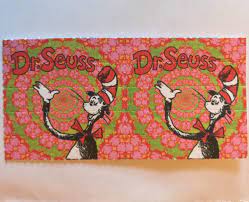
Dr. Seuss Acid – Whimsical LSD Blotter Tab
Price range: $230.00 through $1,300.00
Journey into surreal inner landscapes with Dr. Seuss Acid – a 125µg LSD tab designed to spark creativity, emotional release, and childlike wonder.
Dr Seuss Acid: Blotter Art, Pharmacology, and Scientific Context
What Is Dr Seuss Acid?
Dr Seuss acid is an informal name associated with LSD-25 blotter artwork and underground branding rather than a scientifically distinct form of lysergic acid diethylamide. Artwork, naming conventions, and version designations such as Dr Seuss 3.0 cannot verify chemical identity, concentration, or purity. Laboratory testing is required to confirm the composition of any sample.
Key Takeaways
- This preparation is a cultural branding term applied to LSD-25 blotter artwork, not a chemically distinct compound
- Designations such as Dr Seuss 3.0 LSD carry no scientific meaning and cannot be validated by any analytical method
- The active compound, when present and verified, is lysergic acid diethylamide (LSD-25)—pharmacologically identical to any other verified LSD preparation
- Blotter artwork, version numbers, and underground branding provide zero information about chemical identity, concentration, or purity
- LSD primarily acts through serotonin 5-HT2A receptor agonism, with additional binding across dopamine and adrenergic receptor families
- Validated analytical methods—LC-MS, GC-MS, HPLC, and NMR—are the only scientifically reliable tools for compound verification
- Research into LSD and creativity has produced mixed findings; no controlled evidence supports consistent enhancement of creative output
- Many online review discussions describe subjective experiences, but anecdotal reports should not be treated as evidence of purity or pharmacological differences
- Legal status varies by jurisdiction and must be confirmed through official government sources
Key Facts at a Glance
| Property | Detail |
|---|---|
| Common name | Dr Seuss acid |
| Active compound | Lysergic acid diethylamide (LSD-25) |
| Chemical class | Ergoline alkaloid derivative |
| First synthesized | 1938, Albert Hofmann, Sandoz Laboratories |
| Primary receptor target | Serotonin 5-HT2A |
| Reported dose reference | 125µg (unverified without laboratory analysis) |
| Cultural context | Psychedelic blotter art tradition, 1970s onward |
| Verification methods | LC-MS, GC-MS, HPLC, NMR |
| Research fields | Psychopharmacology, neuroscience, consciousness studies |
| Regulatory status | Schedule I (U.S.); controlled internationally under UN 1971 Convention |
Myth vs. Fact
| Myth | Fact |
|---|---|
| Dr Seuss 3.0 is chemically unique | No analytical evidence supports this. Laboratory analysis determines chemical identity—version numbers do not |
| Distinctive artwork indicates high purity | Artwork communicates cultural affiliation only. Purity requires validated laboratory verification |
| A recognizable brand name guarantees consistent dosing | Stated doses are unverified claims without independent laboratory analysis |
| LSD reliably enhances creativity | Controlled research produces mixed findings; subjective reports of creativity do not consistently correspond to objective performance improvements |
| A positive Ehrlich reagent test confirms LSD-25 | It confirms an indole compound is present—not specifically LSD-25, not concentration, and not the absence of adulterants |
| Effects from this preparation are unique to it | Effects are determined by dose, individual neurobiological response, and context—not by branding |
Introduction
In the underground taxonomy of psychedelic blotter art, few naming conventions have achieved the cultural visibility of Dr Seuss acid. The name draws on one of the most recognizable aesthetic vocabularies in popular culture—the whimsical, color-saturated visual world of Theodor Seuss Geisel—and applies it to LSD-25 blotter paper as a form of underground branding. The result is a product name with immediate cultural legibility and zero pharmacological content.
That gap—between cultural recognizability and chemical information—is the central subject of this article. This is not a distinct chemical formulation. The 3.0 designation is not a versioned pharmaceutical product. The artwork printed on the blotter paper does not indicate the identity, concentration, or purity of what the paper contains. These are not peripheral caveats—they are the pharmacological baseline from which any honest discussion of this topic must begin.
What the naming convention does illuminate is the broader cultural phenomenon of psychedelic blotter art: its history, its function within underground distribution networks, its genuine aesthetic significance, and the specific harm reduction failures that arise when branding substitutes for analytical verification. This article addresses all of these dimensions alongside the pharmacology of LSD-25 itself—its receptor mechanisms, dose-response characteristics, stability profile, and position within current neuroscience and clinical research.
The goal is an account that is both historically accurate and scientifically rigorous: one that takes the cultural phenomenon seriously without allowing cultural authority to masquerade as pharmacological evidence.
Timeline: Dr Seuss Acid and Psychedelic Blotter History
| Year | Event |
|---|---|
| 1938 | LSD-25 first synthesized by Albert Hofmann at Sandoz Laboratories, Basel, Switzerland |
| 1943 | Hofmann documents psychoactive properties; first intentional human self-administration recorded |
| 1950s–1960s | LSD investigated in academic and government psychiatric research; West Coast psychedelic counterculture expands |
| 1970 | LSD classified as Schedule I under the U.S. Controlled Substances Act; systematic clinical research curtailed |
| 1971 | UN Convention on Psychotropic Substances establishes international scheduling framework |
| 1970s | Blotter paper replaces sugar cubes and tablets as the dominant LSD delivery format; blotter art emerges as a distinct underground cultural form |
| 1980s–1990s | Underground blotter art expands significantly; regionally branded designs proliferate, drawing on popular culture imagery including animation, comics, and illustrated literature |
| 1990s–2000s | Versioned naming conventions including numbered designations become embedded in underground distribution culture |
| 2000s | Regulated clinical psychedelic research resumes at Johns Hopkins University, Imperial College London, and the University of Zurich |
| Present | Active neuroscience, creativity, and therapeutic research continues; cultural branding conventions remain analytically unverifiable |
Scientific Consensus on Dr Seuss Acid
The following positions represent prevailing expert agreement in pharmacology, analytical chemistry, and psychedelic research:
- This preparation is a branding and cultural designation applied to blotter artwork; it does not identify a chemically distinct compound or scientifically recognized LSD formulation
- Version designations such as 3.0 carry no pharmacological meaning and cannot be validated by any analytical method
- The active molecule, when present and verified, is LSD-25—chemically and pharmacologically identical to lysergic acid diethylamide produced under any other name or branding convention
- Blotter artwork, version numbers, and underground naming conventions provide no information about chemical identity, concentration, purity, or safety
- LSD’s primary pharmacological mechanism is partial agonism at the serotonin 5-HT2A receptor, with additional binding affinity across dopamine, adrenergic, and additional serotonin receptor subtypes
- Validated laboratory analysis is the only scientifically reliable method for confirming compound identity and quantifying active compound concentration
- Anecdotal online review accounts describe subjective experiences that cannot be used to infer chemical identity, purity, or pharmacological distinctiveness
- Research into LSD’s effects on creativity has produced inconsistent findings; controlled evidence does not support claims of reliable creative enhancement
Dr Seuss Acid and Psychedelic Blotter Art: Cultural Context
The visual language of psychedelic blotter art has a history spanning more than five decades. Emerging from the underground distribution networks of the 1970s, the practice of printing intricate artwork on LSD-dosed paper served multiple simultaneous functions: aesthetic expression, community identity, informal quality signaling, and cultural branding. Over time, it developed into a recognized art historical phenomenon, with significant collections archived and exhibited by institutions interested in underground and outsider art traditions.
Within this tradition, the application of recognizable popular culture imagery to blotter paper represents a specific and well-established subgenre. Characters, visual styles, and aesthetic vocabularies drawn from animation, comics, and children’s literature have been adapted into psychedelic blotter art for decades. The appeal is consistent across examples: instantly recognizable visual language, strong color saturation, and an inherent visual energy that maps onto the aesthetic conventions of psychedelic culture.
The designation draws explicitly on this tradition. The maximally inventive visual world associated with Theodor Seuss Geisel—the impossible architecture, the surreal zoology, the language that bends grammar into something simultaneously nonsensical and precisely right—carries cultural associations with imagination, rule-breaking, and altered perception that translate directly into psychedelic branding logic. Few visual vocabularies in popular culture are better suited, aesthetically, to this kind of underground branding.
What that branding logic cannot do is communicate chemistry. The aesthetic coherence of the preparation as a cultural object is entirely independent of its pharmacological content. A tab displaying vivid, recognizable imagery tells the observer nothing about whether it contains LSD-25, a structural analog, a degradation product, or an unrelated compound entirely.
Expert take: Psychedelic blotter art operates within a cultural economy of trust and recognition. The more visually distinctive and culturally coherent the artwork, the more effectively it functions as an informal quality signal—regardless of whether that signal has any relationship to the actual chemistry of the preparation. This decoupling of cultural authority from analytical reliability is the defining harm reduction challenge of underground psychedelic branding, and it is particularly acute when the aesthetic is as immediately legible as the one employed here.
Dr Seuss 3.0 LSD: What Version Numbers Do and Do Not Mean
The emergence of versioned naming conventions in underground psychedelic distribution—of which Dr Seuss 3.0 LSD is a representative example—reflects a specific evolution in blotter art branding logic. Version numbers imply iterative improvement: successive formulations, each refined from the previous, whose quality can be inferred from the designation alone.
This implication has no pharmacological foundation.
LSD-25 is a single molecular compound. There is no versioning in the pharmacological sense—no iterative reformulation of the active molecule, no proprietary synthesis pathway that produces a meaningfully different compound at version 3.0 versus version 1.0. The molecule either is LSD-25, as verified by analytical methods, or it is not. Version numbers applied to blotter art function as marketing language within the cultural economy of underground distribution, not as chemical specifications.
What is Dr Seuss 3.0 LSD?
Dr Seuss 3.0 LSD is an informal branding term used in underground psychedelic communities. It does not describe a scientifically recognized version of LSD or indicate verified purity, concentration, or potency. The compound, when present, is LSD-25—a determination that requires laboratory confirmation to be scientifically meaningful.
The specific harm reduction concern with versioned naming conventions is that they reinforce a quality assurance logic that has no analytical basis. If a version 3.0 designation is understood—even implicitly—as an improvement over previous versions, the user is being invited to trust a branding decision rather than a laboratory result. In the absence of chemical verification, that trust is epistemically equivalent to no verification at all.
Key principle: A version number on a blotter tab is a cultural artifact, not a chemical specification. Any preparation carrying the 3.0 designation is analytically identical to an anonymous unverified sample in the absence of laboratory data. The number contributes nothing to pharmacological prediction and cannot substitute for analytical verification under any circumstances.
Defining the Compound: LSD-25 and High Purity Standards
Dr Seuss acid, when the term refers to a preparation containing an active psychedelic compound, designates LSD-25—lysergic acid diethylamide—the same ergoline molecule synthesized by Albert Hofmann at Sandoz Laboratories in 1938. No alternative chemistry is implied by the name, no alternative molecular structure by the artwork, and no alternative pharmacological profile by the version number.
LSD-25 belongs to the ergoline class of compounds, structurally derived from ergot alkaloids produced by the fungus Claviceps purpurea. It is among the most pharmacologically potent psychoactive substances known, producing measurable perceptual, cognitive, and psychological effects at microgram-level doses. This extreme potency makes concentration verification both analytically demanding and practically critical—at microgram scale, the difference between an accurate and an inaccurate dose figure is not trivial.
In research and harm reduction contexts, high purity LSD-25 refers to preparations in which the active compound has been independently verified for identity and concentration by validated analytical methodology. The designation “high purity” is scientifically meaningful only when supported by laboratory data. Applied to a blotter tab on the basis of its artwork, version designation, or underground reputation, the term is marketing language without analytical content.
A 125µg LSD blotter references a stated or intended dose—a figure that represents a manufacturer’s claim rather than a verified quantity unless accompanied by documented laboratory analysis. At this dose range, individual variation in neurobiological response, set, and setting produces substantially different experiential outcomes, which is precisely why accurate dosing data is not optional in either clinical or harm reduction contexts.
Can blotter artwork verify LSD?
No. Blotter artwork cannot identify chemical composition, purity, concentration, or authenticity. Only laboratory analysis using validated methods such as LC-MS, GC-MS, HPLC, or NMR can verify what a sample contains and at what concentration.
Key distinction: The pharmacological identity of any blotter preparation is determined by what laboratory analysis reveals it to contain—not by what its artwork depicts, what version number it carries, or what reputation precedes it in underground distribution networks.
Pharmacology: How LSD-25 Acts on the Brain
LSD’s pharmacological profile is defined by its high-affinity partial agonism at serotonin 5-HT2A receptors—a G protein-coupled receptor subtype concentrated in cortical layer V pyramidal neurons and distributed broadly across associative cortical regions. This receptor interaction is the primary mechanism responsible for LSD’s perceptual, cognitive, and psychological effects. Reducing LSD to a simple serotonin agonist substantially misrepresents its receptor binding affinity profile and pharmacological complexity.
LSD demonstrates measurable binding affinity across more than a dozen receptor subtypes, including:
- Serotonin receptors: 5-HT2A, 5-HT2B, 5-HT2C, 5-HT1A, 5-HT6, 5-HT7
- Dopamine receptors: D1, D2, D3, D4
- Adrenergic receptors: α1, α2
- Histamine receptors: H1
The 5-HT2A interaction drives psychedelic effects through downstream signaling cascades involving β-arrestin recruitment and Gq protein activation, producing alterations in sensory integration, perceptual boundaries, and measurable reorganization of Default Mode Network (DMN) connectivity. Neuroimaging studies using fMRI have documented statistically significant decreases in DMN coherence under LSD, concurrent with increased cross-network communication—functional reorganization patterns that correlate with subjective reports of ego dissolution and unified consciousness.
At a 125µg LSD blotter dose, the pharmacological profile typically includes:
- Pronounced alterations in visual and auditory perception, including geometric patterning and synesthetic crossover between sensory modalities
- Significant modification of time perception and self-referential processing
- Intensified emotional content and increased affective salience of environmental stimuli
- High-amplitude disruption of Default Mode Network coherence
- Duration of primary effects spanning approximately 8–12 hours, with residual alterations possible beyond that window
Recent clinical investigation has implicated LSD in neuroplasticity induction through BDNF (brain-derived neurotrophic factor) signaling and TrkB receptor activation—mechanisms under active investigation as potential mediators of proposed therapeutic effects in treatment-resistant depression, PTSD, and anxiety disorders. Research published through PubMed-indexed journals and institutional programs at Johns Hopkins University and Imperial College London continues to expand the neurobiological evidence base.
Research Highlights
Default Mode Network modulation
Neuroimaging studies consistently demonstrate that LSD produces significant decreases in DMN coherence—the functional connectivity signature of ordinary self-referential processing. This disruption correlates with ego dissolution and has been proposed as a neurobiological mechanism underlying psychedelic-assisted therapy outcomes across multiple clinical trial designs.
Neuroplasticity
Preclinical and emerging clinical evidence indicates that LSD promotes structural and functional synaptic plasticity through BDNF and TrkB signaling pathways—mechanisms shared with other compounds under investigation for antidepressant applications and potentially mediating the sustained effects observed following single high-dose psychedelic sessions.
5-HT2A receptor mechanism and biased signaling
LSD’s partial agonism at 5-HT2A receptors involves differential activation of Gq protein and β-arrestin pathways—a phenomenon known as biased signaling—that may account for its distinctive pharmacological profile relative to other serotonergic compounds. This mechanistic specificity is an active area of investigation in receptor pharmacology and medicinal chemistry.
Clinical trial evidence
Controlled trials at Johns Hopkins, Imperial College London, and the University of Zurich have examined LSD-assisted therapy for anxiety in life-threatening illness, alcohol use disorder, and treatment-resistant depression, generating peer-reviewed findings that situate the compound’s cultural history within an increasingly rigorous scientific framework.
Expert take: LSD is a pharmacologically promiscuous ligand whose effects emerge from a concentration-dependent interaction across multiple receptor families. The branding language associated with this preparation has no relationship to that pharmacological complexity—and the whimsical visual associations the name invokes carry particular risk if they encourage users to approach a high-potency compound with less analytical seriousness than its pharmacokinetics and receptor pharmacology demand.
LSD for Creative Flow: Research Evidence and Its Limits
The association between LSD and creativity is one of the most culturally persistent claims in the history of psychedelic discourse—and one of the most scientifically contested. LSD for creative flow resonates strongly within the cultural context of this preparation’s aesthetic identity: the whimsical, imaginative visual world invoked by the imagery maps naturally onto the idea of chemically enhanced creativity, producing a branding logic that is culturally coherent and pharmacologically unverified.
What the Research Actually Shows
Controlled studies examining LSD’s effects on creative cognition have produced mixed and frequently inconsistent findings. Several challenges complicate interpretation:
Subjective versus objective measures
Research participants consistently report feeling more creative, more associatively flexible, and more imaginatively engaged under LSD. These subjective reports are real data—but they do not reliably correspond to performance improvements on validated measures of creative output, divergent thinking, or problem-solving accuracy. The experience of enhanced creativity is not equivalent to the verified enhancement of creative capability. Many online review accounts reflect this same pattern: compelling subjective narratives that cannot be treated as pharmacological evidence.
Dose-dependent effects
At doses above approximately 75–100µg, LSD produces significant perceptual and cognitive alterations that may impair rather than enhance goal-directed creative work. The relationship between dose and creative performance is not linear—higher doses do not produce proportionally greater creative output, and doses in the 125µg range are associated with cognitive states frequently incompatible with structured creative production.
Microdosing evidence
Interest in sub-perceptual dosing—typically 5–20µg—as a creativity enhancement strategy has generated substantial research activity. Controlled, placebo-blinded studies, including research from Imperial College London, have produced results more modest than anecdotal accounts suggest. Expectation effects are substantial in unblinded studies, and many reported benefits diminish or disappear under rigorous blinded conditions.
Individual variation
LSD’s effects on cognition vary substantially across individuals as a function of neurobiological baseline, psychological set, environmental context, and prior psychedelic experience. No controlled evidence supports the claim that the compound reliably enhances creativity across a general population at any dose.
Evidence-based position: The association between LSD and creativity is culturally compelling and scientifically contested. Research supports the conclusion that LSD produces subjective states that participants interpret as creative—but does not consistently demonstrate objective improvements in creative performance. The whimsical aesthetic of this preparation amplifies that cultural association without contributing any pharmacological evidence to support it.
Whimsical Psychedelic Trip: Set, Setting, and Aesthetic Context
The concept of a whimsical psychedelic trip—an experience characterized by playfulness, imaginative abundance, and visual delight rather than psychological intensity or existential confrontation—reflects a specific cultural model of what LSD experience can be. The aesthetic associated with this preparation contributes directly to that model: the visual world it invokes is one of benign strangeness, of impossible things rendered with warmth and humor rather than menace.
That aesthetic framing is not pharmacologically neutral. Set and setting—the psychological state and environmental context in which a psychedelic experience occurs—are among the most consistently documented determinants of experience quality and character in the clinical and harm reduction literature. The expectations, associations, and emotional tone that a user brings to an LSD experience substantially shape its phenomenological content.
The aesthetic functions as a set and setting intervention before the pharmacology begins. By framing the experience within a visual vocabulary of whimsy, creativity, and benign imagination, the branding contributes to an expectational set that may increase the probability of positive, playful experiential content—and may simultaneously reduce the psychological seriousness with which a user approaches preparation, dose verification, and harm reduction planning.
This dual effect is the most pharmacologically relevant aspect of the aesthetic. The whimsy is not merely decorative—it is an active intervention in the psychological set with which users approach a potent pharmacological agent. Understanding this mechanism is essential for harm reduction education in communities where this branding is present.
Key insight: A whimsical aesthetic does not produce a whimsical pharmacology. LSD at 125µg operates through the same receptor mechanisms, produces the same neurobiological disruption, and carries the same dose-uncertainty risks regardless of whether it is presented in recognizable illustrated imagery or plain paper. The experiential frame the artwork creates is real and pharmacologically relevant—but it cannot modify the compound’s chemistry, and it can create conditions in which users underestimate what the preparation requires of them.
Dr Seuss Acid Effects: What the Pharmacological Evidence Supports
Dr Seuss acid effects, as frequently described in underground cultural contexts, typically emphasize visual creativity, euphoric playfulness, and imaginative flow—experiential qualities that align directly with the associated aesthetic. These accounts are not fabricated, but they require careful contextual interpretation before any pharmacological conclusions can be drawn from them.
The effects of LSD at reported doses in the 125µg range are real, pharmacologically grounded, and well-characterized in the clinical literature. They include:
Perceptual alterations
Geometric visual patterning, enhancement of color saturation and textural detail, synesthetic phenomena, and altered perception of depth and movement are consistently reported and neurobiologically documented. These effects arise from 5-HT2A receptor activation in visual processing regions and are not specific to any branding convention or version designation.
Cognitive flexibility and associative richness
Participants in controlled LSD studies consistently report increased associative connections between concepts, reduced categorical rigidity, and heightened sensitivity to pattern and meaning. Whether these subjective states correspond to objectively improved cognitive performance remains a matter of active scientific investigation, with current controlled evidence producing mixed results.
Emotional amplification
LSD reliably intensifies emotional processing, increasing the affective salience of both positive and negative content. The playful, warm emotional tone frequently described in accounts of this preparation reflects a specific experiential profile—one heavily influenced by set, setting, and dose, not determined by branding.
Duration and trajectory
At 125µg, primary effects typically span 8–10 hours, with a gradual onset of 30–90 minutes, a peak period of 3–5 hours, and a gradual descent over several additional hours. Residual alertness and sensory sensitivity may persist beyond the primary pharmacological window depending on individual pharmacokinetics.
Quotable finding: The effects described in online reviews of this preparation are pharmacologically real—they are the effects of LSD-25 at the relevant dose range, shaped by set, setting, and individual neurobiological response. They are not the product of specific branding, the version number, or any chemical property unique to this preparation. Laboratory verification of dose and compound identity is the only basis for meaningful pharmacological prediction.
Analytical Verification: How Researchers Confirm LSD Identity and Purity
Laboratory-based analytical verification is the only scientifically valid method for confirming that a sample described as Dr Seuss acid contains LSD-25, at what concentration, and at what level of purity. No visual inspection, cultural provenance, version designation, or colorimetric reagent test alone provides equivalent reliability.
Branding vs. Laboratory Analysis: A Direct Comparison
| Feature | Cultural Branding | Validated Laboratory Analysis |
|---|---|---|
| Chemical identity | Cannot verify | Confirmed by LC-MS or GC-MS |
| Purity | Cannot verify | Quantified analytically |
| Concentration | Stated claim only | Measured in µg/mL or µg per unit |
| Adulterants | Cannot detect | Identified by LC-MS or NMR |
| Structural analogs | Cannot distinguish | Distinguished by mass spectrometry |
| Degradation products | Cannot detect | Identified by HPLC or LC-MS |
Primary Analytical Methods
Liquid Chromatography-Mass Spectrometry (LC-MS)
LC-MS is the gold standard for LSD identification and quantification in forensic and pharmaceutical research contexts. It provides simultaneous chromatographic separation and molecular weight identification, enabling unambiguous compound confirmation and quantitative concentration measurement. High-resolution LC-MS distinguishes LSD-25 from structural analogs including iso-LSD, nor-LSD, and lysergic acid ethylamide (LAE) with high sensitivity and specificity. Reference mass spectral libraries maintained by the National Institute of Standards and Technology (NIST) support comparative identification.
Gas Chromatography-Mass Spectrometry (GC-MS)
GC-MS is widely applied in forensic toxicology and analytical toxicology for controlled substance identification, providing reliable molecular fragmentation data when sample integrity is maintained. Its application to LSD requires appropriate preparation given the compound’s thermal sensitivity at elevated injection temperatures.
High-Performance Liquid Chromatography (HPLC)
HPLC with UV or fluorescence detection enables quantitative concentration measurement against validated pharmaceutical reference standards—data essential for confirming that a tab described as a 125µg LSD blotter contains a verified quantity at or near that figure.
Nuclear Magnetic Resonance Spectroscopy (NMR)
NMR provides definitive structural confirmation of molecular identity through three-dimensional atomic connectivity mapping. It is particularly valuable for distinguishing LSD-25 from diastereomers and structural analogs that share mass spectra but differ in receptor binding affinity and psychopharmacological activity.
Colorimetric Reagent Testing: Utility and Limits
The Ehrlich reagent produces a characteristic purple-violet color response in the presence of indole-containing compounds and represents the most accessible field test for presumptive LSD identification. It is available through harm reduction organizations including DanceSafe as part of structured drug checking protocols.
A positive Ehrlich reaction is consistent with LSD-25 but not exclusive to it. It cannot confirm concentration, rule out co-present adulterants, or distinguish LSD-25 from structurally related ergoline compounds. In harm reduction contexts, reagent testing is a meaningful first-line risk reduction step—significantly more informative than no testing, while remaining categorically insufficient as a standalone verification method.
Key principle: A positive Ehrlich test confirms the presence of an indole compound. It does not confirm LSD-25, verify the 125µg dose claim, or validate any high purity designation. Each of those determinations requires validated laboratory analysis—a requirement that no branding convention, version number, or aesthetic choice can replace.
Chemical Stability: Degradation Pathways and Storage Science
LSD-25 is pharmacologically potent at microgram concentrations and chemically vulnerable to several well-characterized degradation pathways. Understanding these pathways is essential for maintaining the analytical integrity of any LSD-25 blotter preparation—including those presented under cultural names and distinctive artwork.
Primary Degradation Pathways
Photodegradation
LSD is highly sensitive to ultraviolet and visible light. Photolytic degradation produces iso-LSD and lumi-LSD—compounds with substantially reduced or absent 5-HT2A receptor affinity. Blotter paper preparations, with their high surface-area-to-volume ratio, are particularly vulnerable to photodegradation during routine handling. Colorful, visually detailed artwork printed on light-colored paper and frequently displayed or handled under ambient lighting provides no photodegradation protection whatsoever.
Thermal Degradation
Elevated temperatures accelerate molecular decomposition through multiple parallel pathways. LSD’s stability decreases measurably above room temperature; refrigerated or frozen storage significantly extends chemical integrity and the reliable analytical window.
Oxidation
Atmospheric oxygen contributes to oxidative degradation of the ergoline ring system. Sealed, airtight storage minimizes this pathway for both liquid and blotter preparations.
Hydrolysis
In the presence of moisture, LSD undergoes slow hydrolysis of the amide bond, producing lysergic acid and diethylamine. Humidity control is a relevant storage parameter for blotter preparations in variable-climate environments.
Contamination
The purity of the solvent used during manufacturing directly affects the final chemical composition of the dried blotter preparation. Impure manufacturing solvents introduce contaminants that colorimetric testing cannot detect and that require validated analytical chemistry to identify and quantify.
Recommended Storage Protocol for LSD-25 Blotter
| Factor | Recommended Condition |
|---|---|
| Container | Sealed, airtight, opaque packaging |
| Temperature | Refrigerated (2–8°C) for short-term; frozen (−20°C) for long-term |
| Light exposure | Minimal; UV-opaque storage at all times |
| Humidity | Low; desiccant inclusion recommended |
| Handling | Brief, minimal light exposure during use |
| Verification | Analytical re-verification after extended or uncertain storage |
Evidence-based recommendation: A blotter tab stored under ambient conditions—displayed for aesthetic purposes, handled under normal lighting, or kept at room temperature in variable humidity—may contain a substantially degraded preparation regardless of its cultural prestige or visual appeal. Storage conditions are a pharmacologically material variable. Aesthetic presentation is not, and never has been.
Psychedelic Harm Reduction for Dr Seuss Acid
Psychedelic harm reduction for any LSD preparation presented under cultural branding requires confronting the specific risks that branding creates. The whimsical, playful aesthetic associated with this preparation is not pharmacologically neutral: it actively contributes to an expectational set that may reduce the perceived seriousness of preparation, verification, and environmental planning.
Core Harm Reduction Principles
Verification of chemical identity
Presumptive reagent testing (Ehrlich, Hofmann) represents a meaningful risk-reduction step when laboratory analysis is inaccessible. A negative or unexpected reagent result is a definitive contraindication to use. A positive Ehrlich result is necessary but pharmacologically insufficient for confident compound identification. Organizations including DanceSafe and the Zendo Project provide structured harm reduction frameworks specifically developed for psychedelic contexts.
Branding skepticism
The name, version designation, and associated artwork provide no analytical information. Harm reduction education must communicate clearly that cultural recognizability and chemical reliability are entirely independent variables. A tab with compelling, recognizable branding and no laboratory verification is analytically identical to an anonymous unverified sample—both require testing before any pharmacological claim can be made responsibly.
Dose conservatism under concentration uncertainty
At reported doses around 125µg, the consequences of concentration error are clinically significant. Beginning at a meaningfully lower dose than the stated figure when concentration is unverified provides a safety margin that branding cannot provide. Upward titration from a verified-low dose is substantially safer than attempting correction from an unexpectedly high one.
Set and setting
The whimsical psychedelic trip model associated with this aesthetic reflects a specific—and not universally applicable—experiential possibility. The clinical and harm reduction literature consistently identifies psychological set and physical setting as primary determinants of experience character and adverse event risk. At 125µg, set and setting effects are amplified proportionally relative to lower doses, making environmental preparation a non-negotiable element of harm reduction planning.
Contraindications
LSD is pharmacologically contraindicated in individuals with personal or family history of psychotic disorders, in combination with serotonergic medications (particularly MAOIs and SSRIs), and in environments where safety cannot be maintained for the full pharmacological window—typically 8–12 hours at this dose range.
Integration support
High-dose psychedelic sessions benefit from structured integration support following the experience. Organizations including MAPS provide evidence-based integration frameworks applicable across clinical and community settings.
Evidence-based principle: The harm reduction challenge presented by this preparation is not merely the standard challenge of unverified potency and unknown composition—it is the additional challenge of an aesthetic that actively reduces perceived risk. A whimsical presentation requires a correspondingly rigorous harm reduction response, not a more relaxed one. The artwork is disarming by design. Harm reduction must compensate for exactly that effect.
Legal and Regulatory Framework
LSD-25 is classified as a Schedule I controlled substance under the United States Controlled Substances Act, a designation maintained by the Drug Enforcement Administration (DEA). The international framework established by the United Nations Convention on Psychotropic Substances (1971) places LSD under equivalent controls adopted by the majority of signatory nations.
Cultural branding does not modify legal status. Any preparation containing LSD-25—regardless of the artwork, version designation, or cultural name applied to it—is subject to the same regulatory framework as any other LSD preparation.
Contemporary regulatory frameworks governing LSD in research contexts vary across jurisdictions. Several countries permit Schedule I compound research under institutional licensing conditions. Emerging policy discussions in several U.S. states and international jurisdictions are examining rescheduling or decriminalization frameworks, though formal legal status frequently remains unchanged pending legislative action.
Legal status cannot be confirmed by this article. Current laws and licensing requirements must be verified through official government sources and qualified legal counsel in the relevant jurisdiction. Researchers seeking to work with LSD under institutional conditions should consult their IRB, ethics committee, and applicable regulatory authority—such as the FDA in the United States—before initiating any research activity.
Current Research Landscape
The resurgence of regulated psychedelic research since the early 2000s has generated a growing body of peer-reviewed evidence that systematically separates LSD’s pharmacological reality from the cultural mythology surrounding it—including the mythology of culturally branded preparations.
Contemporary research programs at Johns Hopkins University, Imperial College London, and the University of Zurich are generating findings that situate LSD within rigorous frameworks of neuroscience, pharmacology, and clinical medicine—frameworks in which branding conventions are irrelevant and verified chemical identity is foundational to every experimental claim.
Active research areas include:
- Consciousness and perception: LSD as a pharmacological probe for the neural correlates of subjective experience, ego dissolution, and altered self-referential processing
- Default Mode Network modulation: Neuroimaging documentation of LSD-induced DMN disruption and its relationship to therapeutic outcomes and models of psychopathology characterized by rigid self-referential thinking
- Neuroplasticity: Emerging evidence for LSD’s capacity to promote structural and functional synaptic plasticity through BDNF and TrkB signaling—mechanisms potentially mediating sustained therapeutic effects following single high-dose sessions
- Psychiatric applications: Controlled trials examining LSD-assisted therapy for anxiety in life-threatening illness, alcohol use disorder, and treatment-resistant depression under regulated research conditions
- Creativity and cognition: Systematic investigation of LSD’s effects on divergent thinking, associative cognition, and creative performance, with controlled findings more modest and more variable than cultural accounts consistently suggest
- Microdosing: Blinded, placebo-controlled studies of sub-perceptual dosing regimens, producing results that emphasize the importance of rigorous methodology in separating pharmacological effects from expectation and branding influence
Research context note: The scientific investigation of LSD treats the compound as a precision pharmacological tool requiring verified concentrations, controlled conditions, and rigorous methodology. Cultural branding conventions are, from this perspective, analytically irrelevant—interesting as cultural data, meaningless as pharmacological evidence.
Frequently Asked Questions
What is Dr Seuss acid?
Dr Seuss acid is an informal name for LSD-25 blotter artwork and underground branding. It is not a chemically distinct form of lysergic acid diethylamide. The active compound, when present and verified, is LSD-25—pharmacologically identical to any other confirmed LSD preparation.
Is Dr Seuss 3.0 LSD chemically different from other LSD?
No. Version designations such as 3.0 carry no pharmacological meaning and cannot be validated by any analytical method. LSD-25 is a single molecular compound; there is no versioning in the chemical or pharmaceutical sense. Laboratory testing is required to determine the actual composition of any sample.
How do researchers verify LSD?
Researchers use validated laboratory techniques including Liquid Chromatography-Mass Spectrometry (LC-MS), Gas Chromatography-Mass Spectrometry (GC-MS), High-Performance Liquid Chromatography (HPLC), and Nuclear Magnetic Resonance spectroscopy (NMR). Colorimetric reagent tests provide presumptive identification only and cannot confirm concentration, purity, or rule out structural analogs.
Does blotter artwork indicate purity?
No. Blotter artwork communicates cultural affiliation and aesthetic intent. It cannot verify chemical identity, concentration, purity, or the absence of adulterants. Only validated laboratory analysis can provide that information, regardless of how distinctive or recognizable the artwork appears.
What does a 125µg LSD blotter reference mean?
A 125µg figure represents a stated or intended dose—a manufacturer’s claim rather than a verified quantity. The actual amount cannot be confirmed without independent laboratory analysis. Dose uncertainty at this range has clinically significant consequences for experience prediction and harm reduction planning.
Does LSD improve creativity?
Controlled research has produced mixed findings. Study participants consistently report subjective experiences of enhanced creativity and associative richness under LSD, but these reports do not reliably correspond to objective performance improvements on validated creative cognition measures. Current evidence does not support claims of consistent, reliable creative enhancement.
What role does the 5-HT2A receptor play in LSD’s effects?
LSD acts primarily as a partial agonist at serotonin 5-HT2A receptors concentrated in cortical layer V pyramidal neurons. This interaction drives downstream signaling cascades responsible for perceptual alterations, ego dissolution, and Default Mode Network disruption. LSD also demonstrates binding affinity across dopamine, adrenergic, and additional serotonin receptor subtypes, reflecting a broad pharmacological profile that cannot be reduced to a single mechanism.
Is LSD legal?
LSD-25 is a Schedule I controlled substance under U.S. federal law and subject to equivalent international controls under the UN Convention on Psychotropic Substances (1971). Legal status and research licensing conditions vary by jurisdiction. Current laws must be verified through official government sources and qualified legal counsel.
Glossary of Key Terms
Dr Seuss acid
An informal branding term applied to LSD-25 blotter artwork drawing on the visual aesthetic associated with Theodor Seuss Geisel’s illustrated works. Not a chemically distinct compound or scientifically recognized LSD formulation. The active molecule, when present, is LSD-25.
Dr Seuss 3.0 LSD
A versioned naming convention used in underground distribution contexts. Version numbers carry no pharmacological meaning and cannot be validated by analytical methods. The compound, when present, is LSD-25.
LSD-25 (Lysergic acid diethylamide)
A semi-synthetic psychoactive compound of the ergoline class, first synthesized by Albert Hofmann in 1938. Active at microgram doses through primary partial agonism at serotonin 5-HT2A receptors. Among the most potent psychoactive substances known.
Psychedelic blotter art
The practice of printing intricate artwork on LSD-dosed absorbent paper. An underground art form with cultural and art historical significance independent of any pharmacological function. Artwork cannot verify chemical content, concentration, or purity.
5-HT2A Receptor
A G protein-coupled serotonin receptor subtype concentrated in cortical layer V pyramidal neurons. The primary pharmacological target mediating LSD’s psychedelic effects through Gq protein and β-arrestin signaling pathways.
Default Mode Network (DMN)
A functionally connected brain network active during self-referential thought and autobiographical processing. LSD produces measurable disruption of DMN coherence, associated with ego dissolution and proposed as a neurobiological mechanism in psychedelic-assisted therapy.
Receptor binding affinity
A quantitative measure of the strength of interaction between a ligand and its receptor, expressed as Ki (inhibition constant). LSD exhibits high binding affinity at 5-HT2A receptors and measurable affinity across multiple additional receptor families.
Biased signaling
The differential activation of distinct intracellular signaling pathways by a single receptor. LSD’s 5-HT2A agonism involves differential Gq protein and β-arrestin activation—a mechanism under active investigation in receptor pharmacology and medicinal chemistry.
LC-MS (Liquid Chromatography-Mass Spectrometry)
The gold standard analytical technique for LSD identification and quantification, combining chromatographic separation with mass-based molecular identification.
GC-MS (Gas Chromatography-Mass Spectrometry)
A forensic toxicology and analytical toxicology standard for controlled substance identification using gas-phase separation and mass spectrometric molecular fragmentation analysis.
HPLC (High-Performance Liquid Chromatography)
A chromatographic technique enabling quantitative concentration measurement of compounds in solution against validated pharmaceutical reference standards.
NMR (Nuclear Magnetic Resonance Spectroscopy)
A structural analytical technique providing definitive molecular identity confirmation through three-dimensional atomic connectivity mapping.
Neuroplasticity
The brain’s capacity to modify synaptic structure and connectivity in response to pharmacological stimulation or experience. LSD is under active investigation for neuroplasticity-promoting effects mediated through BDNF and TrkB signaling pathways.
Pharmacokinetics
The study of a compound’s absorption, distribution, metabolism, and elimination over time. LSD’s profile includes rapid absorption, wide distribution, hepatic metabolism, and an active duration of approximately 8–12 hours at standard doses.
Set and setting
The psychological state (set) and physical environment (setting) in which a psychedelic experience occurs. Consistently identified in clinical and harm reduction literature as primary determinants of experience character and adverse event risk.
Ego dissolution
A phenomenological state associated with high-dose psychedelic experience, characterized by reduced differentiation between self and environment and disruption of ordinary self-referential processing. Neurobiologically associated with high-amplitude DMN disruption.
Conclusion
This preparation occupies two distinct and non-overlapping positions in the cultural history of LSD: one aesthetic, one pharmacological. As a cultural artifact, it represents a genuinely distinctive entry in the psychedelic blotter art tradition—one that draws on a visual vocabulary so immediately recognizable, so warmly associated with imagination and creative play, that its application to underground psychedelic branding is both understandable and effective. That cultural dimension is worth documenting accurately.
The pharmacological dimension requires a different and more urgent kind of seriousness: one that the whimsical aesthetic actively resists. The compound in question is LSD-25, one of the most pharmacologically potent psychoactive substances known, active at microgram doses through mechanisms that produce neurobiological changes of genuine clinical magnitude. It does not become more predictable, more benign, or better characterized by being presented in cheerful imagery and assigned a version number. The artwork is disarming. The pharmacology is not.
For researchers, the implication is methodological: LC-MS or equivalent analytical confirmation, verified concentration data, controlled storage, and rigorous dosing protocols are the scientific requirements for any meaningful claim about a preparation described as high purity LSD-25. For harm reduction practitioners, the implication is educational and specific: the associated aesthetic creates conditions in which perceived risk is reduced at precisely the moment when pharmacological risk remains unchanged. That asymmetry is not incidental—it is the central harm reduction challenge this branding presents, and it must be addressed directly and consistently.
The resurgent science of psychedelic pharmacology represents the systematic application of analytical precision to compounds that cultural mythology has persistently obscured behind evocative names and compelling aesthetics. The pharmacology of LSD-25 answers to chemistry, not to creativity.
The artwork is imaginative. The pharmacology is chemistry. Imagination cannot be verified in a laboratory—but the compound can, and must be.
References and Further Reading
- National Center for Biotechnology Information (NCBI) – PubMed — Peer-reviewed literature on LSD pharmacology, clinical research, and psychopharmacology
- Johns Hopkins Center for Psychedelic and Consciousness Research — Institutional clinical research program and published trial findings
- Imperial College London Psychedelic Research Centre — Neuroimaging and therapeutic research including creativity, DMN, and microdosing studies
- Multidisciplinary Association for Psychedelic Studies (MAPS) — Clinical trial research, harm reduction frameworks, and integration support resources
- Drug Enforcement Administration (DEA) – Drug Scheduling — Official U.S. scheduling and legal status information
- United Nations Office on Drugs and Crime (UNODC) — International treaty framework and scheduling conventions
- DanceSafe — Evidence-based harm reduction resources and drug checking guidance including reagent testing protocols
- Zendo Project — Psychedelic harm reduction training and psychological support framework
- National Institute on Drug Abuse (NIDA) — Research summaries and pharmacological data on controlled substances
- Nature Neuroscience — Peer-reviewed neuroscience including psychedelic pharmacology, neuroplasticity, and creativity research
- National Institute of Standards and Technology (NIST) — Reference mass spectral libraries supporting analytical compound identification in forensic and research contexts
52 reviews for Dr. Seuss Acid – Whimsical LSD Blotter Tab
Add a review
Related products

Price range: $230.00 through $1,300.00
This product has multiple variants. The options may be chosen on the product page 
Price range: $240.00 through $2,600.00
This product has multiple variants. The options may be chosen on the product page 
Price range: $230.00 through $1,300.00
This product has multiple variants. The options may be chosen on the product page 
Price range: $230.00 through $1,300.00
This product has multiple variants. The options may be chosen on the product page 
Price range: $230.00 through $1,300.00
This product has multiple variants. The options may be chosen on the product page 
Price range: $230.00 through $1,300.00
This product has multiple variants. The options may be chosen on the product page 
Price range: $230.00 through $1,300.00
This product has multiple variants. The options may be chosen on the product page 
Price range: $230.00 through $1,300.00
This product has multiple variants. The options may be chosen on the product page
Lucian Shepard (verified owner) –
Incredible for meditation and spiritual awakening.
Patrick Sanders (verified owner) –
I felt like I was in safe hands from the moment I placed my order — the delivery was quick, low-key, and the experience was profoundly healing.
Miles Grimes (verified owner) –
This gave me a new relationship with reality.
Aubrey Foster (verified owner) –
From the first click to the last reflection after my session, I felt supported. Customer service responded fast and with care.
Gilbert Sharp (verified owner) –
I felt like I was in safe hands from the moment I placed my order — the delivery was quick, low-key, and the experience was profoundly healing.
Wesley Brady (verified owner) –
I finally understand what people mean when they say “life-changing.” This was that, and more.
Kyle Howard (verified owner) –
It helped me confront something difficult with softness and self-love.
Macy McClain (verified owner) –
The veil lifted—and it was beautiful.
Kyro Benedict (verified owner) –
Each second felt like a universe of depth.
Bianca Barber (verified owner) –
I’ve bought from other sites, but none felt as professional and secure as this one. Real people, real care.
Finnick Hollis (verified owner) –
Enhanced my connection with nature and life itself.
Juliet Sheridan (verified owner) –
Like seeing your life in ultra-HD.
Gemma McKnight (verified owner) –
I’ve never felt so free and aware.
Phoebe Hines (verified owner) –
The clarity I gained helped me release guilt, pain, and a lot of fear. The product was handled beautifully.
Quentin Ball (verified owner) –
Everything about this felt sacred, from the respectful tone of the site to the stillness of the trip itself.
Jada Thornton (verified owner) –
This gave me mental freedom I didn’t know I needed.
Jade Lambert (verified owner) –
My journey was quiet, deep, and incredibly healing. The ordering experience matched that same energy.
Colby Hinton (verified owner) –
Every texture came alive.
Brecken Cordova (verified owner) –
Delivery was fast and totally discreet.
Julia Parker (verified owner) –
There was laughter, there were tears, and in the end, there was release.
Randy Wolfe (verified owner) –
A peaceful and profound journey. Every thought felt more meaningful, and I could finally hear myself think without the usual noise.
Juliana Welch (verified owner) –
So grateful I found this place. The combination of emotional support and excellent logistics is rare.
Jamari Keene (verified owner) –
Opened my mind like never before.
Naomi Warren (verified owner) –
This is more than just a shop. It’s a trustworthy path into inner work.
Spencer Wells (verified owner) –
Incredible introspective depth. I could finally hear my intuition clearly.
Judah Ellington (verified owner) –
So grateful for such a clean and trusted source.
Cullen Ayers (verified owner) –
Everything was energy—and it was all good.
Kaiser Sloan (verified owner) –
Felt like stepping outside the boundaries of language.
Xavier Craig (verified owner) –
Everything about this product invites presence, and everything about the service invites trust.
John Davis (verified owner) –
For the first time in months, I didn’t feel disconnected. I felt real again.
Ridge Durham (verified owner) –
I understood my emotions more deeply than ever.
Gemma McKnight (verified owner) –
It showed me beauty in simplicity.
Leah Bryant (verified owner) –
Helped me find a deep inner stillness. Like I met a calmer version of myself.
Elle Valdez (verified owner) –
It felt good knowing I was ordering from people who clearly care. Discreet delivery, fresh product, and excellent communication throughout.
Jada Thornton (verified owner) –
The universe winked at me.
Clayton Valentine (verified owner) –
Incredible visuals and zero paranoia—amazing quality.
Aliyah Decker (verified owner) –
Safe, beautiful, expansive.
Cayson Reece (verified owner) –
Colors pulsed with emotion.
Hendrix Bass (verified owner) –
The tabs were discreet and professionally packaged.
Nathan Phillips (verified owner) –
Everything about this was thoughtful. It made me want to take the experience seriously — and I’m so glad I did.
Mira Phelps (verified owner) –
There was a warmth and clarity I’ve never felt before. It gave me space to process emotions I had buried for years.
Claribel Waller (verified owner) –
This gave me a new lens to see life through.
Hazel Reed (verified owner) –
I was happy with the overall quality and presentation.
Logan Hicks (verified owner) –
The delivery process was smooth.
Todd Pearson (verified owner) –
I enjoyed the overall shopping experience.
Stephanie Evans (verified owner) –
The product felt thoughtfully designed.
Abigail Jordan (verified owner) –
The package arrived without any damage.
Susan Wilson (verified owner) –
Customer support answered my questions promptly.
Raymond Bryant (verified owner) –
Customer service was friendly and helpful.
Sean Nichols (verified owner) –
The product was simple to maintain.
Megan Hayes (verified owner) –
The package was easy to open.
Zoey Foster (verified owner) –
Everything arrived as described.