
No products in the cart.
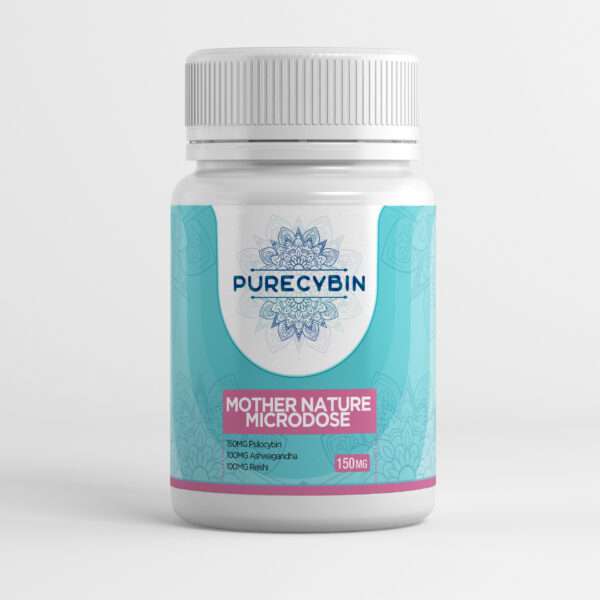
Purecybin Mother Nature Microdose – 150mg (30 Capsules)
$105.00
- Purecybin Mother Nature Microdose 150mg contains 150mg of Psilocybe cubensis per capsule across a 30-capsule bottle
- A 150mg dose is intended to remain sub-perceptual, though individual sensitivity varies considerably
- The Fadiman Protocol — one dose day followed by two rest days — is the most evidence-adjacent starting schedule for beginners
- Clinical breakthroughs in psilocybin research come from supervised high-dose therapy, not routine microdosing; these findings should not be conflated
- Third-party laboratory testing with a Certificate of Analysis is the minimum accountability standard for any psilocybin product
- Psilocybin remains a Schedule I controlled substance federally in the United States; legal status varies significantly by state and municipality
Purecybin Mother Nature Microdose 150mg: An Evidence-Informed Review
Purecybin Mother Nature Microdose 150mg is a pre-measured psilocybin capsule standardized at 150mg of Psilocybe cubensis material, designed to support structured microdosing protocols without producing full psychedelic effects. At this dose, most users remain sub-perceptual. Clinical research into psilocybin is advancing rapidly, though evidence specific to routine microdosing remains preliminary. Safety, legal status, and individual neurochemistry should be evaluated before use.
Purecybin Mother Nature Microdose 150mg is marketed as a standardized microdosing capsule containing 150mg of Psilocybe cubensis material. Users commonly research its dosage accuracy, safety profile, microdosing protocols, potential cognitive benefits, and the scientific evidence base. Psilocybin interacts primarily with 5-HT2A serotonin receptors and is being studied for its effects on neuroplasticity, emotional processing, and Default Mode Network activity. Popular schedules include the Fadiman Protocol and Stamets-inspired protocol, both incorporating structured rest days to limit tolerance accumulation. Buyers should prioritize third-party laboratory testing, transparent ingredient disclosure, jurisdictional legal compliance, and consultation with a qualified healthcare professional where appropriate.
Key Takeaways
- Purecybin Mother Nature Microdose 150mg contains 150mg of Psilocybe cubensis per capsule across a 30-capsule bottle
- A 150mg dose is intended to remain sub-perceptual, though individual sensitivity varies considerably
- The Fadiman Protocol — one dose day followed by two rest days — is the most evidence-adjacent starting schedule for beginners
- Clinical breakthroughs in psilocybin research come from supervised high-dose therapy, not routine microdosing; these findings should not be conflated
- Third-party laboratory testing with a Certificate of Analysis is the minimum accountability standard for any psilocybin product
- Psilocybin remains a Schedule I controlled substance federally in the United States; legal status varies significantly by state and municipality
What Is Purecybin Mother Nature Microdose 150mg?
Purecybin Mother Nature Microdose 150mg is marketed as a standardized psilocybin microdose capsule containing 150mg of dried Psilocybe cubensis material. Each bottle contains 30 capsules, providing a structured supply designed to align with established microdosing protocols such as the Fadiman Protocol.
Unlike recreational or ceremonial psilocybin use, microdosing operates on the principle of sub-perceptual dosing — administering amounts below the threshold of noticeable psychoactive effect. The 150mg dose sits within the range most commonly cited in self-reported microdosing literature: between 50mg and 300mg of dried mushroom material, depending on individual sensitivity and body weight.
What Is Purecybin Mother Nature Microdose 150mg?
Purecybin Mother Nature Microdose 150mg is a standardized 150mg Psilocybe cubensis capsule designed for structured microdosing. It is intended to provide consistent dosing while remaining below the threshold of a full psychedelic experience for most users, although individual neurochemical responses vary considerably.
What distinguishes a quality microdose product is not the labeled dose alone, but the verified consistency of that dose across every capsule in every batch. Standardized manufacturing and third-party content verification are the criteria that separate credible products from unreliable ones.
Buyers researching Purecybin reviews frequently ask about ingredient transparency, third-party laboratory testing, and whether the 150mg figure reflects actual measured content rather than an approximation. These are legitimate and important questions. Any reputable supplier should address them through a batch-specific Certificate of Analysis (COA) issued by an ISO-accredited independent laboratory.
Key Takeaways: What Is Purecybin Mother Nature Microdose 150mg?
- Contains 150mg of Psilocybe cubensis material per capsule
- 30 capsules per bottle; approximately 90 days supply on the Fadiman Protocol
- Sub-perceptual dosing is the intended outcome — not a psychedelic experience
- Dose accuracy should be verified through third-party COA documentation
- Individual sensitivity determines actual experience at this dose level
The Science Behind 150mg Psilocybin Microdose Capsules
How Psilocybin Works in the Brain
Psilocybin is a naturally occurring tryptamine prodrug found in Psilocybe cubensis and related species. Following oral ingestion, hepatic enzymes convert psilocybin into psilocin — its pharmacologically active metabolite — through dephosphorylation. Psilocin has a plasma half-life of approximately two to three hours, though subjective and neurological effects may persist beyond the period of active blood concentration.
Psilocin binds primarily to 5-HT2A serotonin receptors distributed throughout the cerebral cortex, triggering downstream effects on neural connectivity, emotional regulation, and perceptual processing. Secondary binding at 5-HT2C, 5-HT1A, and dopamine receptor sites contributes to its broader neurochemical profile.
At full psychedelic doses — typically 1,000mg to 3,500mg of dried mushroom material, or 10mg to 35mg of pure psilocybin — these receptor interactions produce profound alterations in consciousness. At microdose levels of 150mg, the pharmacological signal is considerably attenuated, though not necessarily pharmacologically absent.
Expert Insight: “The therapeutic potential of psilocybin is not confined to high-dose experiences. Researchers have documented that even sub-perceptual neurochemical shifts may meaningfully influence mood regulation, cognitive flexibility, and default mode network activity over time — though the mechanisms and reliability of these effects at microdose levels remain subjects of active investigation.”
Neuroplasticity, BDNF, and the Default Mode Network
One of the most clinically significant findings in contemporary psychedelic research concerns psilocybin’s effect on the Default Mode Network (DMN) — the interconnected cortical and subcortical regions governing self-referential thought, rumination, autobiographical memory, and narrative identity. In individuals with treatment-resistant depression or anxiety disorders, the DMN is frequently characterized by hyperactivity and pathologically rigid connectivity patterns.
Psilocybin has been shown in neuroimaging studies to temporarily disrupt and subsequently reorganize DMN functional connectivity — a process researchers associate with increased cognitive flexibility, reduced psychological rigidity, and what some investigators describe as increased psychological flexibility, a construct central to both Acceptance and Commitment Therapy (ACT) and contemporary models of mental health. Concurrently, preclinical research indicates that psilocybin upregulates Brain-Derived Neurotrophic Factor (BDNF) and promotes neurogenesis and synaptogenesis — structural changes that support learning, memory consolidation, and neural repair.
Expert Insight: “Whether neuroplasticity mechanisms driven by 5-HT2A agonism operate meaningfully at 150mg remains an open scientific question. The neuroimaging data underpinning DMN disruption models derives largely from full-dose studies. Extrapolating those findings to sub-perceptual microdose capsules requires assumptions that current evidence does not fully support.”
Controlled microdosing trials — including studies published in eLife, Psychopharmacology, and Nature Medicine — have produced mixed results. Several have found self-blinding difficult to achieve, raising substantive questions about expectancy effects and placebo-driven outcomes. Intellectual honesty requires acknowledging this uncertainty while recognizing the genuine promise of the broader psilocybin research landscape.
Psilocybin Research Timeline
Understanding where the evidence currently stands requires historical context:
| Year | Development |
|---|---|
| 2011 | James Fadiman publishes The Psychedelic Explorer’s Guide, introducing the Fadiman Protocol to mainstream audiences |
| 2016 | Johns Hopkins and NYU publish landmark studies on psilocybin for cancer-related existential anxiety |
| 2019 | FDA grants psilocybin “Breakthrough Therapy” designation for treatment-resistant depression |
| 2020 | Nature Medicine publishes Imperial College London’s Phase IIb trial showing psilocybin therapy competitive with SSRIs for depression |
| 2021 | Imperial College London self-blinding microdosing study highlights placebo challenges in microdose research |
| 2023 | MAPS and academic centers expand Phase III trials; microdosing-specific RCTs begin appearing in peer-reviewed literature |
| 2025 | Regulatory frameworks continue to evolve; psilocybin services active in Oregon and Colorado; federal status unchanged |
Current Evidence Summary
| Application | Evidence Strength | Source Type |
|---|---|---|
| Supervised psilocybin therapy for depression | Strong | Phase II/III RCTs, Johns Hopkins, Imperial College London |
| Psilocybin for end-of-life anxiety | Strong | Johns Hopkins, NYU landmark trials |
| Neuroplasticity and BDNF upregulation | Moderate | Preclinical animal studies; limited human data |
| DMN disruption and reconnection | Moderate | Neuroimaging studies (primarily high-dose) |
| Routine microdosing for focus/mood | Limited | Self-report surveys; mixed placebo-controlled results |
| 150mg microdosing specifically | Very Limited | Extrapolated from general microdose range research |
Key Takeaways: The Science
- Psilocybin converts to psilocin in the body with a plasma half-life of approximately two to three hours
- Primary mechanism is 5-HT2A serotonin receptor agonism in the cerebral cortex
- DMN disruption and BDNF upregulation are supported by research — but primarily at full psychedelic doses
- The strongest clinical evidence comes from supervised therapeutic settings, not routine microdosing
- Placebo effects are substantial in microdose research and must be considered when evaluating reported outcomes
Benefits of Microdosing 150mg: What Users and Researchers Report
Commonly Reported User Outcomes
Self-reported data from microdosing observational studies and community surveys — including research led by Imperial College London’s Psychedelic Research Centre — consistently identify the following outcomes among users following structured protocols:
- Enhanced cognitive focus — Reduced mind-wandering and improved task engagement during complex or creative work
- Emotional equilibrium — Greater mood stability and reduced reactivity to interpersonal and environmental stressors
- Creative cognition — Increased associative thinking, divergent reasoning, and novel problem-solving capacity
- Present-moment awareness — Heightened attentional clarity without the dissociative effects characteristic of higher doses
- Reduced social anxiety — Lower baseline anxiety in interpersonal contexts, particularly among users with social anxiety histories
Expert Insight: “Self-reported microdosing outcomes are consistent enough across independent surveys to warrant serious scientific inquiry. They are not, however, consistent enough across controlled trials to constitute confirmed pharmacological effects. The gap between anecdotal consistency and clinical validation is precisely where most honest microdosing discussions need to live.”
These reports carry an inherent methodological limitation: self-selection bias. Users who continue microdosing are disproportionately likely to report positive outcomes, while those experiencing adverse effects or no benefit typically discontinue and remain underrepresented in the literature.
What Clinical Research Currently Supports
Expert Insight: “The distinction between full-dose psilocybin-assisted therapy and routine microdosing is scientifically fundamental and frequently obscured in popular and commercial discourse. The landmark studies from Johns Hopkins Medicine and Imperial College London involve supervised, carefully screened, high-dose therapeutic sessions conducted in clinical environments — not daily or near-daily sub-perceptual capsule use. Importing those results to support a 150mg over-the-counter product significantly overstates what the current evidence base demonstrates.”
Key findings relevant to psilocybin research include:
- Imperial College London’s self-blinding microdosing study (2021) found that participants could often detect whether they had received a dose, raising significant placebo-confound concerns
- Nature Medicine (2023) documented statistically significant reductions in major depressive disorder symptoms following supervised psilocybin-assisted therapy — at doses far exceeding the microdose range
- Preclinical studies consistently show BDNF upregulation and neurogenesis promotion following psilocybin administration in animal models
- The Mystical Experience Questionnaire (MEQ), used in full-dose psilocybin research, measures outcomes that are by definition absent at sub-perceptual doses — further limiting extrapolation
Key Takeaways: Benefits
- User-reported benefits are consistent across surveys but not yet confirmed in placebo-controlled microdosing trials
- Focus, emotional balance, creativity, and reduced anxiety are the most frequently cited outcomes
- Clinical evidence is far stronger for supervised psilocybin therapy than for routine microdosing
- Self-selection bias and placebo effects are significant confounders in available microdosing data
Best Psilocybin Microdose Protocol: Structuring Your Approach
The Fadiman Protocol
Developed by psychedelic researcher James Fadiman, Ph.D., and documented in The Psychedelic Explorer’s Guide (2011), the Fadiman Protocol is the most widely referenced — and the most evidence-adjacent — microdosing schedule in both clinical and self-directed contexts.
Quick Answer: What Is the Best Psilocybin Microdose Protocol for Beginners?
For first-time users, the Fadiman Protocol is the most commonly recommended starting schedule. It involves one dose day followed by two consecutive non-dose days. This structure manages tolerance accumulation through serotonergic receptor dynamics and creates clearly differentiated dose days and baseline days, allowing users to observe and attribute effects with greater reliability.
Structure:
- Day 1: Dose day — one 150mg capsule
- Day 2: Transition day — no dose; observe any residual effects
- Day 3: Rest day — no dose; re-establish neurochemical baseline
- Repeat cycle for four to eight weeks, followed by a planned break of two to four weeks
Rationale: The two-day gap between doses serves two evidence-informed functions. First, it prevents rapid tolerance accumulation (tachyphylaxis) — a well-documented phenomenon with serotonergic compounds. Second, it establishes structured comparison points between dose and non-dose states, enabling more reliable self-observation.
A 30-capsule bottle of Purecybin Mother Nature Microdose 150mg lasts approximately 90 days on the Fadiman Protocol.
HowTo: Starting the Fadiman Protocol
- Consult a healthcare professional if you take any prescription medications or have a psychiatric history
- Choose a low-obligation dose day — preferably a day without driving, high-stakes work, or safety-critical responsibilities
- Take one 150mg capsule in the morning with water; food intake may slightly delay onset
- Document your experience using a structured journal (see Microdosing Journal Template below)
- Observe Days 2 and 3 without dosing; note mood, sleep, focus, and baseline comparison
- Repeat the cycle for four to eight weeks before taking a full break
- Evaluate objectively at the end of each cycle whether observed benefits exceed placebo expectation
Stamets-Inspired Protocol
Mycologist and researcher Paul Stamets has proposed a modified protocol incorporating functional mushroom compounds alongside psilocybin — most notably Lion’s Mane (Hericium erinaceus) and niacin (vitamin B3). The theoretical mechanism suggests niacin acts as a peripheral vasodilator potentially enhancing psilocybin metabolite delivery, while Lion’s Mane independently supports Nerve Growth Factor (NGF) expression and neurogenesis.
Structure:
- Five consecutive dose days followed by two rest days
- Typically combined with Lion’s Mane mushroom and niacin supplementation
Expert Insight: “The Stamets Stack is intellectually compelling precisely because its components each carry independent evidence bases. Lion’s Mane has demonstrated NGF-promoting activity in peer-reviewed research. Niacin’s vasodilatory properties are pharmacologically established. Whether these mechanisms synergize meaningfully with psilocybin in a microdose context remains a hypothesis — plausible, testable, but not yet validated in controlled human trials.”
Protocol Comparison Table
| Protocol | Frequency | Best For | Rest Days | Tolerance Management |
|---|---|---|---|---|
| Fadiman Protocol | Every 3 days | Beginners; structured observation | 2 per cycle | Strong |
| Stamets Stack | 5 on / 2 off | Adaptogen stacking | 2 per week | Moderate |
| Every Other Day | Alternate days | Monitoring individual sensitivity | Integrated | Moderate |
| As Needed | Situational | Experienced users only | Variable | User-managed |
Beginner Dose Adjustment: When 150mg Feels Too Active
Individual sensitivity to psilocybin varies significantly based on body weight, neurochemical baseline, prior psychedelic experience, and concurrent supplement or medication use. If 150mg produces perceptible effects that feel uncomfortable or distracting:
- Step down to 100mg and maintain the Fadiman schedule for two full weeks before reassessing
- Step down to 75mg if 100mg remains too active
- Consider 50mg as a true sub-perceptual baseline if individual sensitivity is high
Expert Insight: “There is no pharmacological virtue in taking the highest tolerable microdose. The goal is sub-perceptual consistency — a dose low enough to function normally on dose days while remaining above complete pharmacological inactivity. Finding that personal threshold requires patience and structured self-observation, not dose escalation.”
Conversely, users who experience no discernible effects after four to six weeks may consider a modest upward adjustment to 200mg — while maintaining the same protocol structure and observation practices.
Key Takeaways: Protocols
- The Fadiman Protocol is the recommended starting point for beginners using 150mg psilocybin microdose capsules
- Two rest days between doses manage tolerance and improve self-observation accuracy
- The Stamets Stack incorporates Lion’s Mane and niacin but lacks peer-reviewed validation for the combined protocol
- Dose adjustment should move downward before upward if sensitivity is uncertain
- A 30-capsule bottle provides approximately 90 days of supply on the Fadiman Protocol
Psilocybin Capsules for Focus and Anxiety: Managing Expectations
Focus Enhancement
Quick Answer: Do Psilocybin Microdose Capsules Improve Focus?
Users commonly report improved focus as a primary benefit of structured microdosing. The proposed mechanism involves mild 5-HT2A receptor stimulation in prefrontal cortical circuits governing executive function, attentional control, and working memory — enhancing neural signal-to-noise ratios without producing the perceptual disruption of higher doses. This mechanism is neurobiologically plausible but has not been confirmed in double-blind, placebo-controlled studies specifically examining the 150mg dose range.
Users should treat focus enhancement as a reported outcome to monitor through structured self-observation rather than a guaranteed pharmacological effect.
Anxiety Reduction
Quick Answer: Can a 150mg Microdose Reduce Anxiety?
Anxiety reduction is the second most commonly cited target for psilocybin microdosing. The research basis derives primarily from full-dose psilocybin therapy studies demonstrating lasting reductions in existential and anticipatory anxiety in clinical populations. Whether this anxiolytic profile extends to sub-perceptual 150mg doses is under active investigation. Some users paradoxically experience increased anxiety — particularly during the first one to two dose cycles — underscoring the importance of set and setting in any psilocybin use context.
Set and setting — the psychological state and environmental conditions surrounding psilocybin use — meaningfully influence outcomes even at microdose levels. Structured, low-stress dose environments, clear intentions, and integration practices (journaling, mindfulness, therapy) consistently correlate with more positive self-reported outcomes across the microdosing literature.
Integrative Approaches: Combining Microdosing With Evidence-Based Practices
The most promising framework in contemporary microdosing practice is not psilocybin in isolation, but psilocybin as a potential catalyst within a broader wellness architecture. Emerging clinical models suggest that psychedelic compounds may be most effective — and most safely contextualized — when combined with:
- Cognitive Behavioral Therapy (CBT) — Structured identification and reframing of maladaptive thought patterns; may be potentiated by the increased cognitive flexibility associated with 5-HT2A agonism
- Acceptance and Commitment Therapy (ACT) — Psychological flexibility and values-based action; conceptually aligned with the DMN disruption models proposed in psilocybin research
- Mindfulness practice — Present-moment attentional training that complements the enhanced sensory awareness some microdose users report
- Structured journaling — Converts subjective experience into trackable data, reducing placebo-confound and improving self-knowledge
- Sleep hygiene — Psilocybin’s serotonergic activity may influence sleep architecture; consistent sleep schedules support neuroplasticity independently
- Aerobic exercise — Independently promotes BDNF expression and neurogenesis, potentially synergizing with psilocybin’s proposed mechanisms
Expert Insight: “Microdosing is not a substitute for therapy — it may, for some individuals, function as an adjunct that increases receptivity to therapeutic processes. The evidence for this integration model is early but conceptually coherent. CBT and ACT provide the structural framework within which neuroplasticity-promoting compounds may have their greatest practical utility.”
Key Takeaways: Focus and Anxiety
- Focus and anxiety reduction are the most consistently reported user outcomes from structured microdosing
- Neither benefit has been confirmed in placebo-controlled trials specific to the 150mg dose range
- Paradoxical anxiety increases occur in some users, particularly early in a protocol
- Set, setting, and integration practices meaningfully influence outcomes
- CBT, ACT, mindfulness, journaling, exercise, and sleep hygiene are evidence-based complements to any microdosing practice
Purecybin Ingredients and Dosage Safety
Understanding What’s in the Capsule
Purecybin Mother Nature Microdose 150mg capsules are marketed as containing dried Psilocybe cubensis material. Credible product disclosures should specify:
- The exact species and strain of mushroom material
- Whether the dose reflects whole dried mushroom material, an extract, or standardized psilocybin content
- The presence of any additional ingredients, fillers, binders, or excipients
- Manufacturing environment standards — ideally clean-room conditions with GMP-adjacent documentation
- Batch number and corresponding COA from an ISO-accredited third-party laboratory
Expert Insight: “Dosage consistency is the single most critical quality variable in any microdose product. A capsule labeled 150mg that actually contains 80mg or 220mg delivers a fundamentally different pharmacological experience than intended — and potentially a different risk profile. Batch-specific third-party laboratory testing is not a premium feature; it is the baseline standard of accountability consumers should require.”
Drug Interactions: A Clinically Serious Consideration
Quick Answer: Does Psilocybin Interact With Antidepressants or Other Medications?
Psilocybin has clinically significant interaction potential with several medication classes. SSRIs and SNRIs may blunt psilocybin’s effects through 5-HT2A receptor downregulation. MAOIs may potentiate psilocybin activity unpredictably. Lithium co-administration has been associated with elevated seizure risk in published case reports. Anyone taking prescription medications — particularly psychiatric medications — must consult a qualified healthcare professional before using any psilocybin product.
Specific interaction profiles:
SSRIs and SNRIs: Chronic serotonergic antidepressant use downregulates 5-HT2A receptor density, potentially attenuating psilocybin’s effects. Some users consider discontinuing SSRIs to restore psilocybin sensitivity — a decision that carries serious risks including discontinuation syndrome, mood destabilization, and rebound depression. This decision must never be made without qualified psychiatric supervision.
MAOIs: Monoamine oxidase inhibitors inhibit psilocin metabolism, potentially producing unpredictably amplified and prolonged effects. This combination is considered high-risk.
Lithium: Concurrent lithium and psilocybin use has been associated with elevated seizure risk in case reports published in the clinical literature. This combination is contraindicated.
Other serotonergic agents: Tramadol, St. John’s Wort, triptans, and some antiemetics carry additive serotonergic risk and should be reviewed with a healthcare professional before psilocybin use.
Who Should Avoid Psilocybin?
Psilocybin is not appropriate for all individuals. Use should be avoided or approached with intensive caution in the following contexts:
- Personal or family history of schizophrenia, psychosis, or bipolar disorder with psychotic features
- Active suicidal ideation or recent psychiatric crisis
- Pregnancy or breastfeeding
- Individuals under 25 years of age, given ongoing prefrontal cortical maturation
- Anyone in an acutely destabilized psychological state
- Individuals with uncontrolled cardiovascular conditions (psilocybin produces transient increases in heart rate and blood pressure)
- Anyone taking lithium, MAOIs, or other contraindicated medications
Key Takeaways: Safety and Ingredients
- Dose accuracy requires third-party, ISO-accredited laboratory verification — labeled content alone is insufficient
- SSRIs, MAOIs, and lithium represent the most clinically significant interaction categories
- SSRI discontinuation to enhance psilocybin response must never occur without psychiatric supervision
- Individuals with personal or family history of psychosis should not use psilocybin products
- Pregnancy, breastfeeding, age under 25, and active psychiatric crisis are additional contraindications
Microdosing Magic Mushrooms 150mg: Harm Reduction Principles
Harm reduction is not a disclaimer — it is a structured discipline derived from public health research. The following principles are informed by frameworks developed by MAPS (Multidisciplinary Association for Psychedelic Studies), the Zendo Project, and Fireside Project, with alignment to broader harm reduction literature endorsed by organizations including the WHO and NIDA.
Assess individual sensitivity before committing to a protocol. Begin at 75mg to 100mg if 150mg is your intended dose. A calibration dose in a controlled, low-obligation environment provides essential individual data before protocol commitment.
Maintain a structured microdosing journal. Document the following on every dose day and non-dose day:
Microdosing Journal Template
| Field | What to Record |
|---|---|
| Date | Day of week and protocol day number |
| Dose | Amount taken (mg) and time of ingestion |
| Sleep | Hours and subjective quality (1–10) |
| Mood | Baseline and end-of-day rating (1–10) |
| Focus | Task engagement quality (1–10) |
| Anxiety | Baseline anxiety level (1–10) |
| Productivity | Output relative to personal average (1–10) |
| Side Effects | Any perceptible, uncomfortable, or unexpected effects |
| Integration Notes | Therapy sessions, insights, meaningful experiences |
Structured self-observation transforms subjective experience into actionable personal data and significantly reduces the confounding influence of expectancy effects.
Control your environment on dose days. First-time dose days should occur in low-obligation, physically safe environments — not before driving, important professional obligations, or situations requiring unimpaired judgment.
Take planned protocol breaks. Four to eight weeks of structured microdosing should be followed by a two- to four-week complete break. This period restores baseline receptor sensitivity, provides comparative perspective, and helps users distinguish genuine pharmacological effects from expectancy and routine.
Never operate a vehicle or machinery after dosing. Even at 150mg, individual sensitivity varies sufficiently that perceptible effects occur in some users. Driving after any psilocybin dose is inadvisable — particularly for new users whose individual response is not yet established.
Maintain integration practices. The value of any altered neurological state — however subtle — is largely determined by what the user does with it. Journaling, therapy, mindfulness practice, and structured reflection are the integration tools most consistently associated with positive outcomes in psychedelic research contexts.
What to Expect: A General Timeline
Note: This timeline reflects commonly reported self-directed experiences and does not constitute medical prediction. Individual responses vary substantially.
| Timeframe | Commonly Reported Experience |
|---|---|
| Day 1 (first dose) | Subtle changes in sensory clarity, mood, or energy; some users report mild anxiety or no perceptible effect |
| Week 1 | Protocol calibration; distinguishing dose-day effects from baseline variation |
| Week 2 | Most users report initial stabilization; clearer dose-day vs. rest-day comparison |
| Week 4 | Cumulative outcomes become more assessable; journaling data becomes analytically useful |
| Week 8 | Appropriate evaluation point; full protocol break recommended to restore sensitivity and assess net benefit |
Key Takeaways: Harm Reduction
- Begin with a lower calibration dose (75–100mg) before committing to 150mg
- Structured journaling is the most effective tool for distinguishing pharmacological effects from placebo
- Planned protocol breaks every four to eight weeks restore sensitivity and enable objective assessment
- Integration practices — therapy, mindfulness, journaling — are as important as the dose itself
- Driving or operating machinery after any psilocybin dose is inadvisable
Microdosing Magic Mushrooms 150mg vs. Other Formats: A Comparison
Expert Insight: “The format in which psilocybin mushrooms are consumed has direct implications for dose accuracy, onset consistency, and safety. Pre-measured capsules represent a meaningful advance over raw mushroom consumption for users prioritizing protocol adherence — provided the capsule contents are independently verified.”
| Format | Dose Accuracy | Onset Consistency | Practicality | Verification Possible? |
|---|---|---|---|---|
| Raw dried mushrooms | Low — highly variable by specimen | Variable — affected by stomach contents | Low | No |
| Home-prepared capsules | Moderate — depends on scale precision | Moderate | Moderate | Requires personal lab equipment |
| Commercial microdose capsules (tested) | High — if COA verified | Consistent | High | Yes — via COA |
| Commercial microdose capsules (untested) | Unknown | Unknown | High | No — unverifiable |
| Psilocybin extracts | Variable — concentration dependent | Variable | Moderate | Requires specialized testing |
The primary advantage of commercial 150mg psilocybin microdose capsules over raw mushroom material is dose consistency — but only when that consistency is independently verified. Without a batch-specific COA from an ISO-accredited laboratory, a commercial capsule offers no meaningful accuracy advantage over home preparation.
Purecybin Capsules USA Shipping: What Buyers Should Know
Psilocybin remains a Schedule I controlled substance under the United States Controlled Substances Act at the federal level. Its manufacture, sale, distribution, and possession are federally prohibited, regardless of state-level decriminalization or reform measures in any jurisdiction.
Quick Answer: Is Psilocybin Legal in the United States?
Psilocybin is classified as a Schedule I controlled substance under federal law in the United States, meaning it has no currently accepted medical use under federal framework and its manufacture, sale, and possession are prohibited at the federal level. State and municipal laws vary significantly, with Oregon and Colorado establishing regulated therapeutic frameworks and several cities enacting decriminalization measures. No psilocybin product can be legally sold and shipped across state lines under current federal law.
State-level legal status is evolving and varies significantly:
- Oregon: Psilocybin services are legal in licensed therapeutic settings under Measure 109 (2020). Personal possession and commercial sale outside licensed facilities remain restricted.
- Colorado: Proposition 122 (2022) established a regulated healing center framework with broader decriminalization provisions for personal use.
- Decriminalized municipalities — including Denver, Oakland, Santa Cruz, Ann Arbor, and Washington D.C. — have enacted local measures deprioritizing enforcement, but these do not legalize commercial sale or interstate distribution.
Legal frameworks in this domain are changing rapidly. Buyers should independently verify current legal status in their specific jurisdiction before purchasing any psilocybin-containing product. Consult a qualified legal professional or authoritative state regulatory agency for current guidance.
Workplace Drug Testing
Standard workplace urine drug panels do not typically screen for psilocybin or psilocin. However, expanded panels used in safety-sensitive industries — aviation, federal employment, transportation, healthcare, and law enforcement — may include these compounds. Individuals in regulated occupations should verify their specific testing protocols with their employer or occupational health provider before considering any psilocybin product.
Key Takeaways: Legal Status and Shipping
- Psilocybin is federally Schedule I in the United States; interstate sale and shipping is federally prohibited
- Oregon and Colorado have established regulated therapeutic frameworks; personal use decriminalization varies by municipality
- No commercial psilocybin product can legally be sold and shipped across U.S. state lines under current federal law
- Standard workplace drug panels do not typically screen for psilocin; specialized panels may
- Legal status is evolving rapidly — verify current local law before any purchase
Purecybin Mother Nature Microdose 150mg Reviews: How to Evaluate Product Quality
Reading Reviews Critically
Online reviews of psilocybin microdose products carry inherent reliability limitations that are more significant than in conventional supplement categories.
Expert Insight: “In a legal gray market, product reviews face compounding reliability challenges: self-selection among users who continue use, substantial placebo effects in psychedelic contexts, legal sensitivity suppressing adverse event reporting, and the fundamental impossibility of verifying dose accuracy from experiential description alone. A positive review cannot confirm pharmacological activity. Only third-party laboratory testing can do that.”
When evaluating Purecybin reviews or reviews of any comparable product, consider:
- Verified purchase indicators are meaningful but not definitive
- Placebo effects in psychedelic contexts are substantial — positive outcomes do not confirm pharmacological activity
- Adverse effects are systematically underreported due to legal sensitivity and social desirability bias
- Dose accuracy cannot be inferred from user experience — COA documentation is the only objective standard
Buying Checklist: Evaluating 150mg Psilocybin Microdose Capsules
Use this checklist before purchasing any psilocybin microdose product:
Non-negotiable standards:
- ☐ Batch-specific Certificate of Analysis (COA) from an ISO-accredited laboratory
- ☐ Third-party potency testing confirming labeled dose
- ☐ Contaminant screening: heavy metals, pesticides, microbial load
- ☐ Species and strain identification (Psilocybe cubensis vs. others)
- ☐ Complete ingredient list with no undisclosed additives or fillers
- ☐ Clean manufacturing environment documentation
Strong quality indicators:
- ☐ Transparent company identity, physical address, and contact information
- ☐ Evidence-informed educational content with appropriate scientific caveats
- ☐ Clear legal disclaimers appropriate to the buyer’s jurisdiction
- ☐ Responsive customer support capable of discussing product specifics
- ☐ GMP-adjacent manufacturing standards documentation
Red flags:
- ☐ No COA available or COA not batch-specific
- ☐ Unverifiable health claims (“cures,” “treats,” “proven to”)
- ☐ No species identification
- ☐ No ingredient disclosure beyond primary compound
- ☐ Pressure sales tactics or urgency messaging inconsistent with a health product
Key Takeaways: Evaluating Quality
- Batch-specific COA from an ISO-accredited laboratory is the minimum accountability standard
- User reviews cannot confirm dose accuracy, pharmacological activity, or safety
- Contaminant screening (heavy metals, pesticides, microbial load) is as important as potency verification
- Species identification and complete ingredient disclosure are non-negotiable transparency markers
- Red flags include absent COAs, unsupported health claims, and missing species identification
Frequently Asked Questions
What is Purecybin Mother Nature Microdose 150mg?
Purecybin Mother Nature Microdose 150mg is marketed as a pre-measured psilocybin microdose capsule containing 150mg of Psilocybe cubensis material, formulated for structured sub-perceptual microdosing rather than full psychedelic experiences. Each bottle contains 30 capsules.
How often should you take a 150mg microdose?
The Fadiman Protocol — one dose day followed by two consecutive non-dose days — is the most widely referenced schedule for first-time microdosers. This structure manages tolerance accumulation through serotonergic receptor dynamics and creates identifiable comparison points between dose and baseline states.
Does a 150mg microdose cause hallucinations?
A properly calibrated 150mg microdose is intended to remain sub-perceptual for most users — meaning noticeable visual or psychedelic effects are generally not expected. Individual neurochemical sensitivity varies significantly, however. Some users experience mild perceptual or emotional changes, particularly on their first dose. New users should never drive or perform safety-critical tasks until their individual response is established.
What are the potential benefits of microdosing 150mg?
Users commonly report improved focus, emotional stability, creative thinking, and reduced social anxiety. These outcomes are consistent across self-report surveys but have not been confirmed in placebo-controlled trials specific to the 150mg range. Clinical evidence is substantially stronger for supervised high-dose psilocybin therapy than for routine microdosing.
Can you drive after taking a 150mg microdose?
No. You should not assume driving is safe after taking any psilocybin product. First-time users are particularly advised to avoid driving, operating machinery, or performing safety-critical tasks until their individual response to the dose is fully and reliably understood.
Does Purecybin interact with antidepressants?
Psilocybin has clinically significant interaction potential with SSRIs, SNRIs, MAOIs, lithium, and other psychiatric medications — ranging from blunted effects to elevated risk of serious adverse events. Anyone taking prescription medications must consult a qualified healthcare professional before using any psilocybin product. SSRI discontinuation to enhance psilocybin response must never occur without psychiatric supervision.
How long does a bottle of 30 capsules last?
Following the Fadiman Protocol — one dose day per three-day cycle — a 30-capsule bottle lasts approximately 90 days.
What should I look for before buying a microdose product?
Prioritize batch-specific third-party laboratory testing from an ISO-accredited facility, Certificates of Analysis confirming potency and contaminant screening, transparent species and ingredient disclosure, documented manufacturing standards, and clear legal compliance information. These criteria distinguish accountable suppliers from unverifiable ones.
Further Reading and Authoritative Sources
The following institutions and publications represent primary sources for psilocybin and microdosing research:
- Johns Hopkins Center for Psychedelic and Consciousness Research — johnsphopkins.edu/psychedelics
- Imperial College London Centre for Psychedelic Research — imperial.ac.uk/psychedelic-research-centre
- MAPS (Multidisciplinary Association for Psychedelic Studies) — maps.org
- NIH National Institute on Drug Abuse (NIDA) — nida.nih.gov
- FDA Breakthrough Therapy Designation: Psilocybin — fda.gov
- Fadiman, J. (2011). The Psychedelic Explorer’s Guide. Park Street Press.
- Carhart-Harris, R. et al. (2021). Trial of psilocybin versus escitalopram for depression. New England Journal of Medicine.
- Szigeti, B. et al. (2021). Self-blinding citizen science to explore psychedelic microdosing. eLife.
- Davis, A.K. et al. (2021). Effects of psilocybin-assisted therapy on major depressive disorder. JAMA Psychiatry.
- Zendo Project — zendoproject.org
- Fireside Project — firesideproject.org
Conclusion: Approaching Purecybin Mother Nature Microdose 150mg With Informed Judgment
Psilocybin microdosing occupies a genuinely significant position at the intersection of contemporary neuroscience, clinical psychiatry, and wellness culture — one where legitimate scientific inquiry, promising preliminary findings, and widespread anecdotal enthusiasm are advancing simultaneously, and not always in alignment. Navigating that landscape well requires distinguishing between what research has established, what it suggests, and what remains speculative.
Purecybin Mother Nature Microdose 150mg represents a standardized approach to a practice that has historically been imprecise. Pre-measured capsules, when independently verified, offer a meaningful improvement over raw mushroom consumption for users committed to protocol adherence. The 150mg dose sits within the established sub-perceptual range. The 30-capsule format aligns naturally with the Fadiman Protocol. These are genuine structural advantages — contingent on dose accuracy verified through third-party laboratory testing.
Expert Insight: “The most important principle for anyone considering psilocybin microdose capsules is this: the quality of the experience is determined less by the brand than by the approach. Protocol selection, set and setting, realistic outcome expectations, awareness of drug interactions, respect for legal boundaries, and commitment to integration practices collectively determine whether structured microdosing becomes a meaningful personal discipline or an unstructured experiment with an uncertain risk-benefit profile.”
The science of psilocybin is producing some of the most significant findings in psychiatric research in decades — primarily from supervised, high-dose therapeutic contexts. Engaging with that science responsibly means neither overstating what microdosing evidence currently supports nor dismissing the genuine promise of the broader research landscape. It means demanding third-party verification from every supplier, consulting qualified healthcare professionals where appropriate, integrating microdosing within evidence-based wellness frameworks including CBT and mindfulness, and applying the same critical rigor to every product, protocol, and claim encountered along the way.
The gap between where the science is and where popular understanding places it is closing. Consumers who engage with that gap honestly — rather than across it — are the ones best positioned to benefit safely from whatever this research ultimately confirms.
This article is provided for informational and educational purposes only. Psilocybin is a Schedule I controlled substance under federal law in the United States and is regulated or prohibited in many other jurisdictions. This content does not constitute medical advice, legal guidance, psychiatric recommendation, or endorsement of any specific product or supplier. Consult a qualified healthcare professional before considering any psilocybin product, particularly if you take prescription medications or have a personal or family history of psychiatric conditions. Verify current laws in your jurisdiction before any purchase or use.
43 reviews for Purecybin Mother Nature Microdose – 150mg (30 Capsules)
Add a review
Related products

Eugene Ferrell (verified owner) –
Finally something natural that helps me feel human again.
Cody Gibson (verified owner) –
Was nervous about the delivery, but it was so discreet and quick I couldn’t believe it. Product was fresh and powerful.
Lily Cooper (verified owner) –
Even before I began, I felt calm knowing how smoothly and privately everything had been handled.
Lana Page (verified owner) –
I wasn’t expecting such a deep emotional reset. It was like therapy, but from within.
Tommy Glover (verified owner) –
This isn’t just about the trip — it’s about feeling safe, informed, and respected along the way. That’s exactly what I got here.
David Smith (verified owner) –
The emotional depth of the experience was something I didn’t expect.
Emery Horton (verified owner) –
There’s something powerful about knowing your experience matters to the people providing it. That’s exactly how I felt here.
James Jones (verified owner) –
This product helped me unpack so much mentally — and knowing it came from a reliable, discreet source made all the difference.
Elena Blake (verified owner) –
This isn’t just product delivery — it’s care, trust, and a commitment to a better experience.
Lane Garrison (verified owner) –
Less fear, more curiosity.
Kennedy Poe (verified owner) –
I can engage with people more authentically now.
Tucker Valentine (verified owner) –
Helps me get into flow state for creative work.
Troy Johnston (verified owner) –
A calming, introspective experience made even better by knowing the people behind it truly care.
Juliana Welch (verified owner) –
I couldn’t believe how smooth the whole process was. No anxiety, just anticipation and deep transformation.
Skye Zimmerman (verified owner) –
It helped me break through emotional blocks I didn’t even know were there.
Kenneth Hale (verified owner) –
The emotional relief I felt was immediate and lasting. The product arrived exactly when it needed to.
Lily Cooper (verified owner) –
Even the packaging felt intentional — quiet, clean, and respectful. The journey itself was emotional and deeply needed.
Emily Johnson (verified owner) –
My experience with this product was sacred, and the way it was delivered only enhanced that trust.
Joseph Martin (verified owner) –
This is more than just a shop. It’s a trustworthy path into inner work.
Stanley Noel (verified owner) –
Finally something natural that helps me feel human again.
Juliana Welch (verified owner) –
There’s real wisdom in how this company operates. You can feel it in the care of every step.
Warren McDaniel (verified owner) –
There’s healing, and then there’s supported healing. This was the latter, and I’m so thankful.
Ralph Phelps (verified owner) –
Perfect way to show up fully every day.
Aubrey Foster (verified owner) –
It’s incredible how something this subtle and powerful was also delivered so discreetly.
Laney McConnell (verified owner) –
Microdosing helped me reduce overwhelm and procrastination.
Eugene Ferrell (verified owner) –
Subtle yet powerful support for self-awareness.
Wallace Norman (verified owner) –
This is subtle healing at its finest.
Raymond Joseph (verified owner) –
No distractions, no confusion — just a clean, easy journey into myself.
Trent Vance (verified owner) –
My anxiety is finally manageable—thank you for this product.
Kaelyn Munoz (verified owner) –
Reduced negative self-talk dramatically.
Daniela Austin (verified owner) –
Truly transformative experience, made even better by the way it was so professionally and discreetly delivered.
Dexter Noble (verified owner) –
I feel emotionally lighter each week.
Josiah Bennett (verified owner) –
The packaging felt durable.
Caroline Reed (verified owner) –
The product offered dependable performance.
Jonathan Simmons (verified owner) –
Everything was packed neatly.
Jerome Ellis (verified owner) –
I liked the simple design.
Keith Newman (verified owner) –
Shipping updates were accurate.
Victoria Ward (verified owner) –
I appreciated the smooth experience.
Aubrey Hayes (verified owner) –
The quality justified my expectations.
Caleb Perez (verified owner) –
Everything arrived as promised.
Kevin Rodriguez (verified owner) –
I appreciated the quick shipping.
Andrew Torres (verified owner) –
The quality remained consistent over time.
Mia Garcia (verified owner) –
The product was thoughtfully designed.