
No products in the cart.
Psilocybe tampanensis – Magic Truffle of Clarity & Insight
Price range: $178.00 through $840.00
Psilocybe tampanensis, also known as the “Philosopher’s Stone,” is a premium magic truffle known for inducing clarity, empathy, and deep inner vision. Licensed & lab-tested.
Psilocybe Tampanensis: The Complete Mycological Guide to the Philosopher’s Stone Mushroom
Quick Facts: Psilocybe Tampanensis
| Feature | Detail |
|---|---|
| Scientific Name | Psilocybe tampanensis Pollock & Guzmán (1978) |
| Family | Strophariaceae |
| Order | Agaricales |
| Division | Basidiomycota |
| Discovery Year | 1977 |
| Type Location | Near Sand Key, Tampa, Florida, USA |
| Described By | Dr. Stephen Pollock; formally described by Gastón Guzmán |
| Habitat | Sandy, subtropical meadow soils; saprotrophic |
| Basidiospore Size | ~8–12 × 5–8 micrometers |
| Spore Print Color | Dark purple-brown |
| Active Compounds | Psilocybin, psilocin, baeocystin |
| Distinctive Feature | Produces underground sclerotia (“Philosopher’s Stones”) |
| Legal Status (USA) | Psilocybin-containing material federally prohibited (Schedule I); spores legal for microscopy in most states |
Psilocybe tampanensis is a rare psilocybin-producing fungus first documented near Tampa, Florida, in 1977. Unlike most Psilocybe species, it produces underground sclerotia—commonly called “Philosopher’s Stones” or “magic truffles”—in addition to above-ground mushrooms. The species is widely studied in mycology for its distinctive biology, taxonomic history, and value in microscopy and fungal research.
Psilocybe tampanensis is a psilocybin-containing fungus in the family Strophariaceae, first collected near Tampa, Florida, in 1977 by Dr. Stephen Pollock and formally described by mycologist Gastón Guzmán.
Unlike most Psilocybe species, it produces underground sclerotia—dense, hardened mycelial masses that function as nutrient-storage and environmental-survival structures—commonly referred to as “Philosopher’s Stones” or “magic truffles.”
The species contains psilocybin, psilocin, and trace tryptamines including baeocystin, with concentrations that vary across specimens. It remains an active subject in fungal taxonomy, microscopy, and evolutionary biology research.
In many U.S. jurisdictions, Psilocybe tampanensis spores are legally available for microscopy because ungerminated spores generally do not contain scheduled compounds. However, applicable laws vary significantly by state and country, and cultivation or possession of psilocybin-containing material is prohibited under the federal Controlled Substances Act and most state statutes.
Key Takeaways
- Psilocybe tampanensis is one of only a small number of Psilocybe species that produces underground sclerotia in addition to above-ground fruiting bodies
- The species was documented from a single wild collection near Tampa, Florida, in 1977—making it one of the rarest type specimens in the genus
- Its sclerotia, commonly called “Philosopher’s Stones” or “magic truffles,” function as nutrient-storage survival structures, not true truffles in the taxonomic sense
- The species contains psilocybin, psilocin, and baeocystin—all classified as controlled substances in the United States under federal law
- Ungerminated spores are legally available for microscopy research in most U.S. states; California, Georgia, and Idaho are notable exceptions
Introduction
Among the thousands of documented fungal species, few occupy as distinctive a position as Psilocybe tampanensis. Discovered from a single Florida specimen in 1977, this rare member of the family Strophariaceae has since become one of the most scientifically and culturally significant fungi within the genus Psilocybe.
Its prominence is not a product of abundance. In the wild, P. tampanensis remains exceptionally rare. Its significance lies instead in what it does beneath the surface.
Psilocybe tampanensis is one of only a small number of Psilocybe species capable of producing sclerotia: compact, underground masses of hardened mycelium that store nutrients and enable the organism to survive prolonged environmental stress.
These structures—colloquially known as “Philosopher’s Stones” or “magic truffles”—distinguish the species biologically and have made it a subject of sustained interest in mycological research, fungal taxonomy, and microscopy.
This guide presents a comprehensive, evidence-based examination of Psilocybe tampanensis: its discovery, morphology, biochemistry, identification criteria, legal status, and role in modern mycological science. Whether you are a researcher, taxonomist, microscopy enthusiast, or student of fungal biology, this resource is designed to serve as an authoritative reference on one of mycology’s most compelling species.
What Is Psilocybe Tampanensis?
Psilocybe tampanensis is a basidiomycete fungus in the order Agaricales, family Strophariaceae, genus Psilocybe. It is a psilocybin-containing species—meaning it biosynthesizes tryptamine alkaloids, primarily psilocybin and psilocin, which are classified as Schedule I controlled substances under the United States federal Controlled Substances Act.
What makes Psilocybe tampanensis unique?
Unlike most species in the genus Psilocybe, Psilocybe tampanensis naturally produces underground sclerotia in addition to above-ground mushrooms. These hardened mycelial structures act as nutrient reserves that enable the fungus to survive prolonged environmental stress.
This adaptation is rare within the genus and central to the species’ scientific significance.
This dual capacity—fruiting body and sclerotium production—makes P. tampanensis one of the most morphologically versatile species in its genus, and the primary reason it is commonly called the “Philosopher’s Stone mushroom” in mycological and popular literature.
Discovery and Taxonomic History
The 1977 Tampa Collection
The documented history of Psilocybe tampanensis begins with a single collection event. In 1977, Dr. Stephen Pollock collected a specimen near Sand Key in the Tampa, Florida area—a sandy, subtropical meadow environment that would prove extremely difficult to locate again in subsequent wild surveys.
Mycologist Gastón Guzmán formally described the species and assigned the name tampanensis in reference to its collection region (Guzmán, 1983).
Discovery and Research Timeline
| Year | Event |
|---|---|
| 1977 | Dr. Stephen Pollock collects the type specimen near Sand Key, Tampa, Florida |
| 1978 | Provisional description of Psilocybe tampanensis published by Pollock |
| 1983 | Formal taxonomic description published by Gastón Guzmán in Mycotaxon |
| 1990s–2000s | Species enters mycological literature as a reference organism for sclerotia biology; spores become available through specialty research suppliers |
| 2000s–2010s | Molecular phylogenetics confirms placement within the psilocybin-producing Psilocybe clade |
| Present | Active subject in fungal taxonomy, microscopy education, and evolutionary biology research; referenced in growing clinical psilocybin literature |
A Species Defined by a Single Wild Record
One of the most remarkable facts about Psilocybe tampanensis—given its scientific prominence—is that, for decades following its original description, no confirmed wild specimens were documented outside the 1977 collection site. The species was effectively known from a single wild occurrence.
This rarity raises foundational questions in fungal ecology and biogeography. Is the species genuinely rare, or is it difficult to detect due to its subterranean sclerotia? Does its below-ground survival strategy reduce above-ground visibility and, therefore, its likelihood of collection?
These questions remain unresolved in peer-reviewed literature, making P. tampanensis an ongoing subject of ecological inquiry.
Taxonomic Placement and Phylogenetics
Psilocybe tampanensis is classified within the following taxonomic hierarchy:
- Kingdom: Fungi
- Division: Basidiomycota
- Class: Agaricomycetes
- Order: Agaricales
- Family: Strophariaceae
- Genus: Psilocybe
- Species: P. tampanensis
Phylogenetic analyses of the genus Psilocybe have confirmed its placement within the psilocybin-producing clade. The genus has undergone significant taxonomic revision as molecular data has increasingly superseded morphology-based classification.
P. tampanensis has retained its species status through these revisions, supported by both morphological distinctiveness and its unusual sclerotia-producing biology.
Morphology: How to Identify Psilocybe Tampanensis
Accurate identification of Psilocybe tampanensis requires a multi-feature approach. No single morphological characteristic is sufficient for definitive identification.
Researchers and mycologists rely on a combination of macroscopic features, spore print color, and microscopic examination to distinguish this species from potential lookalikes.
Cap (Pileus)
The cap of Psilocybe tampanensis is typically 1–2.4 centimeters in diameter—small relative to many gilled mushrooms. In young specimens, the pileus is convex to conic, frequently with a distinct central umbo. As the fruiting body matures, the cap flattens and may develop a wavy or irregular margin.
Coloration ranges from ochraceous brown to straw yellow, often darker at the center and lighter toward the margin. The surface is smooth and hygrophanous—changing color predictably with moisture content, appearing darker when wet and fading as it dries. This hygrophanous behavior is characteristic of many Psilocybe species and provides an important field identification cue.
Bluing—a visible blue-green discoloration occurring when fungal tissue is bruised or damaged—can appear on the cap surface, though it is often subtle or inconsistent in P. tampanensis. Bluing results from the enzymatic oxidation of psilocin and is a supporting indicator of psilocybin-containing species, but it is not a standalone identification criterion.
Gills (Lamellae)
The gills are adnate to adnexed—attached to the stipe with varying degrees of contact. In young specimens, the lamellae are pale or whitish.
As spores develop, the gills transition through gray to a characteristic dark purple-brown. Gill edges are typically paler than gill faces, creating a visually distinctive fringe.
Stem (Stipe)
The stipe is slender, measuring 2–6 centimeters in height and 1–2 millimeters in width, typically equal in diameter or slightly enlarged at the base. The surface may appear fibrous or silky and can exhibit bluing when handled.
A partial veil is present in young specimens but is delicate and typically disappears as the mushroom matures, leaving no persistent annulus in most cases.
Spore Print
The spore print of Psilocybe tampanensis is dark purple-brown—a defining characteristic of the genus Psilocybe and an essential verification step in both field and laboratory identification.
Sclerotia (Philosopher’s Stones)
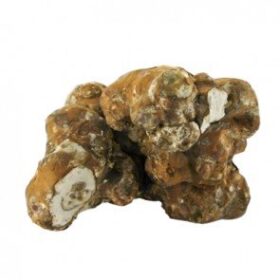
The most taxonomically distinctive feature of Psilocybe tampanensis is its production of underground sclerotia. These structures form on the mycelium below the substrate surface as irregular, dense masses of compacted fungal tissue.
They range in color from pale brown to dark ochre and vary considerably in size—from small nodules to irregular masses several centimeters in diameter.
Sclerotia function as survival organs. The fungus concentrates carbohydrates and other nutrients within these structures, enabling dormancy through periods of drought, cold, or nutrient limitation. When environmental conditions become favorable, sclerotia can generate new mycelial growth or directly produce fruiting bodies.
Important clarification: The term “magic truffles” is a commercial and colloquial designation. Sclerotia are not true truffles—true truffles are the fruiting bodies of Tuber and related genera. Psilocybe tampanensis sclerotia are a morphologically and functionally distinct structure unique to the adaptive strategies of certain Psilocybe lineages.
Myths vs. Facts: Psilocybe Tampanensis
| Myth | Fact |
|---|---|
| “P. tampanensis only produces truffles, not mushrooms.” | The species produces both above-ground fruiting bodies and underground sclerotia. Both structures have been documented in the scientific literature. |
| “Magic truffles are true truffles.” | Sclerotia are not true truffles. True truffles are the fruiting bodies of Tuber and related genera. The term “magic truffles” is a commercial designation with no taxonomic validity. |
| “Bluing alone confirms Psilocybe tampanensis identification.” | Bluing is a supporting indicator only. Definitive identification requires spore print color, microscopic examination of basidiospores, and assessment of multiple macroscopic features. |
| “Psilocybe tampanensis is the same as Psilocybe mexicana.” | These are distinct species. Both produce sclerotia, but they differ in morphology, collection history, geographic distribution, and spore characteristics. |
| “Purchasing spores is legal everywhere in the USA.” | Spore possession laws vary by state. California, Georgia, and Idaho explicitly prohibit possession of Psilocybe spores regardless of intended use. |
Psilocybe Tampanensis Microscopy
Why Microscopy Matters for Psilocybe Tampanensis
Macroscopic identification of Psilocybe tampanensis is inherently limited by its morphological overlap with other small, brown, hygrophanous mushrooms—a group sometimes informally called “LBMs” (little brown mushrooms) in field mycology.
Microscopic examination of basidiospores and related cellular structures is essential for confident identification and is standard practice in serious taxonomic work.
Basidiospore Characteristics
The basidiospores of Psilocybe tampanensis are the primary target of microscopic examination. Key diagnostic features include:
- Shape: Subrhomboid to rhomboid in face view; subellipsoid in side profile
- Size: Approximately 8–12 × 5–8 micrometers (as reported in Guzmán, 1983)
- Germ pore: A distinct apical germ pore is present, visible at sufficient magnification
- Wall thickness: Moderately thick; smooth, golden to golden-brown in KOH mounting media
- Color in mass: Dark purple-brown, consistent with the macroscopic spore print
The combination of spore shape, germ pore presence, and coloration is diagnostically valuable and distinguishes P. tampanensis from morphologically similar species within Strophariaceae.
Microscopy Preparation Techniques
Standard preparation methods for Psilocybe tampanensis spore microscopy include:
- KOH (potassium hydroxide) mounts: Used to clarify tissue and reveal cellular structures; produces the characteristic golden-brown coloration in Psilocybe basidiospores
- Melzer’s reagent: Applied to test for amyloid or dextrinoid reactions; Psilocybe spores are typically non-amyloid
- Water mounts: Basic examination of spore morphology and germ pore structure under compound microscopy
Compound microscopes capable of 400× to 1000× magnification are standard for basidiospore examination. Oil immersion objectives at 1000× allow the most precise assessment of germ pore structure and wall characteristics.
Psilocybe Tampanensis Spores for Microscopy
Are Psilocybe tampanensis spores legal for microscopy?
In many U.S. jurisdictions, ungerminated Psilocybe tampanensis spores may be legally possessed for microscopy because they generally do not contain psilocybin or psilocin—the compounds scheduled under federal and most state law.
The legal boundary is defined by germination. Once spores germinate and mycelium develops, psilocybin-containing tissue is produced and the material becomes subject to controlled substance law.
Researchers must verify applicable regulations in their specific jurisdiction before obtaining or studying Psilocybe tampanensis spores.
Biochemistry: Active Compounds in Psilocybe Tampanensis
Chemical Composition Table
| Compound | Classification | Typical Presence | Regulatory Status (USA) |
|---|---|---|---|
| Psilocybin | 4-phosphoryloxy-N,N-dimethyltryptamine | Primary alkaloid | Schedule I, Controlled Substances Act |
| Psilocin | 4-hydroxy-N,N-dimethyltryptamine | Primary alkaloid; psilocybin prodrug target | Schedule I, Controlled Substances Act |
| Baeocystin | 4-phosphoryloxy-N-methyltryptamine | Minor alkaloid | Not independently scheduled; present in trace concentrations |
| Norbaeocystin | 4-phosphoryloxytryptamine | Trace amounts | Not independently scheduled |
Note: Alkaloid concentrations vary substantially across specimens as a function of genetic variation, substrate, developmental stage, and post-harvest handling. No standardized concentration data for wild-collected P. tampanensis is available in peer-reviewed literature.
Sources: Guzmán (1983); Stamets, P. (1996). Psilocybin Mushrooms of the World. Ten Speed Press; Pellegrini et al. (2013). Alkaloid profiling of Psilocybe species.
Psilocybin and Psilocin
Psilocybe tampanensis contains psilocybin (4-phosphoryloxy-N,N-dimethyltryptamine) and psilocin (4-hydroxy-N,N-dimethyltryptamine) as its primary bioactive tryptamine alkaloids.
Psilocybin is a prodrug that is dephosphorylated to psilocin following ingestion. Psilocin is the compound that interacts directly with serotonin receptors—primarily 5-HT2A—in the central nervous system.
Both compounds are classified as Schedule I controlled substances under the U.S. federal Controlled Substances Act.
Baeocystin and Related Tryptamines
In addition to psilocybin and psilocin, P. tampanensis contains baeocystin (4-phosphoryloxy-N-methyltryptamine), a structural analog of psilocybin with one fewer methyl group.
Baeocystin is consistently present at lower concentrations than psilocybin in analyzed Psilocybe specimens. Its independent pharmacological activity in humans has not been rigorously established in peer-reviewed clinical research, though it is routinely documented among the alkaloids present in psilocybin-containing fungi.
Concentration Variability
Alkaloid concentrations in Psilocybe tampanensis—as in all psilocybin-containing fungi—vary considerably across specimens. Key variables include genetic variation, growth substrate, environmental conditions, developmental stage at harvest, and post-harvest handling.
Dried material consistently shows higher alkaloid concentrations per unit weight than fresh material due to water loss. Systematic comparative alkaloid data between sclerotia and fruiting bodies specific to P. tampanensis remains limited in the peer-reviewed literature.
Psilocybe Tampanensis Effects
Psilocybe tampanensis produces psychoactive effects consistent with other psilocybin-containing fungi, mediated by psilocin’s agonist activity at serotonergic receptors—particularly 5-HT2A—in the central nervous system.
These effects are determined by the dose of active compounds consumed, individual neurobiological variability, psychological set, and environmental context—referred to in psychedelic research literature as “set and setting.”
Reported effects associated with psilocybin consumption in clinical and observational research include:
- Perceptual alterations: Visual distortions, geometric patterning, enhanced color saturation, and, at higher doses, complex hallucinations
- Cognitive effects: Altered thought patterns, increased associative thinking, ego dissolution, and changes in time perception
- Emotional effects: Ranging from euphoria, introspection, and emotional openness to anxiety or dysphoria, depending on dose and context
- Physiological effects: Pupil dilation, mild elevation in heart rate and blood pressure, nausea, and temperature sensitivity
Nausea is more commonly reported with sclerotia consumption than with fruiting bodies.
The effects of Psilocybe tampanensis are not pharmacologically distinct from those produced by other psilocybin-containing species at equivalent alkaloid doses. The species is not known to possess unique psychopharmacological properties beyond its tryptamine alkaloid content (Nichols, 2004; Carhart-Harris & Goodwin, 2017).
Important legal notice: Consumption of Psilocybe tampanensis or its sclerotia constitutes possession and use of a Schedule I controlled substance under U.S. federal law and is prohibited in most international jurisdictions. This section is presented for scientific literacy and harm-reduction purposes only.
Psilocybe Tampanensis Dosage
Dosage guidance for psilocybin-containing fungi in clinical research is standardized by isolated psilocybin content rather than by mushroom or sclerotia mass, given the inherent variability in alkaloid concentration across specimens.
Published clinical research—including landmark studies from Johns Hopkins University (Davis et al., 2021) and Imperial College London (Carhart-Harris et al., 2021)—uses pharmaceutical-grade psilocybin at doses of 10–30 milligrams to produce therapeutic-range effects.
For Psilocybe tampanensis specifically, no validated dosage guidelines exist in peer-reviewed literature. General dosage ranges referenced in harm-reduction and ethnomycological literature for psilocybin-containing sclerotia reflect broad variability in alkaloid content and should not be treated as clinically validated recommendations.
Relevant considerations in psilocybin dosage research include:
- Alkaloid concentration varies substantially between specimens and batches
- Sclerotia and fruiting bodies may differ meaningfully in potency per gram of dried material
- Individual sensitivity to psilocybin varies due to pharmacogenetic differences in serotonin receptor density and metabolic rate
- Drug interactions—particularly with serotonergic medications—present documented clinical risk
This information is provided for scientific and educational context. Consumption of Psilocybe tampanensis is prohibited under federal law in the United States and under the laws of most countries.
Psilocybe Tampanensis vs Cubensis
Psilocybe cubensis is the most widely cultivated and studied psilocybin-producing fungus in the world. A direct comparison with P. tampanensis illuminates the biological diversity within the genus and clarifies why each species occupies a distinct role in mycological research.
| Feature | Psilocybe tampanensis | Psilocybe cubensis |
|---|---|---|
| Sclerotia production | Yes—underground sclerotia produced | No sclerotia produced under any known conditions |
| Primary fruiting structure | Above-ground carpophores and underground sclerotia | Above-ground carpophores only |
| Cap size | Small (1–2.4 cm) | Medium to large (1.5–8+ cm) |
| Wild distribution | Extremely rare; type specimen from Tampa, FL | Widespread across subtropical and tropical regions globally |
| Preferred substrate | Sandy, low-nutrient meadow soils | Herbivore dung; enriched, humid substrates |
| Spore print color | Dark purple-brown | Dark purple-brown to black |
| Basidiospore size | ~8–12 × 5–8 µm | ~11.5–17 × 8–11 µm (larger) |
| Primary research interest | Sclerotia biology, taxonomy, microscopy, evolutionary adaptation | Cultivation methodology, clinical psilocybin research |
| Availability as spores (USA) | Available from specialty suppliers for microscopy | Widely available from numerous suppliers |
The most biologically significant distinction is sclerotia production. Psilocybe cubensis does not produce sclerotia; Psilocybe tampanensis produces them as a core adaptive strategy. This difference reflects distinct evolutionary histories and ecological niches within the genus.
Psilocybe Tampanensis vs Mexicana
Psilocybe mexicana is the other Psilocybe species most commonly associated with sclerotia production and is the species most frequently compared to P. tampanensis in both scientific and popular literature.
| Feature | Psilocybe tampanensis | Psilocybe mexicana |
|---|---|---|
| Sclerotia production | Yes | Yes |
| Geographic origin | Tampa, Florida, USA | Mexico, Central America |
| Cap size | 1–2.4 cm | 0.5–3 cm |
| Habitat | Sandy subtropical meadow soils | Mossy roadsides, forest edges, meadows at altitude |
| Wild rarity | Extremely rare; one confirmed wild collection | Documented across multiple collection sites in Mexico |
| Spore print color | Dark purple-brown | Dark purple-brown |
| Primary alkaloids | Psilocybin, psilocin, baeocystin | Psilocybin, psilocin, baeocystin |
| Historical significance | First Psilocybe species with sclerotia documented in North America | Ethnomycologically significant; documented by R. Gordon Wasson |
| Microscopy research use | Available through specialty suppliers | Available through specialty suppliers |
Both species produce sclerotia and contain the same primary alkaloids. Their distinctions are primarily geographic, ecological, and morphological.
P. mexicana has a more extensively documented ethnomycological history due to its documented use in indigenous Mazatec ceremonies in Mexico, as recorded by R. Gordon Wasson in the 1950s.
Natural Habitat and Ecological Context
Psilocybe tampanensis is associated with sandy, low-nutrient soils in subtropical meadow environments. The original 1977 type collection was made in a sandy coastal area near Tampa, Florida—a habitat characterized by perennial grasses, including species such as Lolium perenne (perennial ryegrass), and periodic moisture fluctuation.
The species is believed to be saprotrophic, deriving nutrition from decomposing organic material in the soil. Its sclerotia-producing capacity is consistent with adaptation to environments that experience irregular moisture availability.
The ability to store nutrients in compact, desiccation-resistant structures confers a meaningful survival advantage in seasonally dry or nutrient-variable habitats.
Wild Psilocybe tampanensis has been the subject of targeted collection efforts in Florida and adjacent subtropical areas with minimal confirmed success. The extreme rarity of documented wild specimens may reflect genuine habitat specificity, difficulty of detection due to the subterranean nature of sclerotia, or a combination of both factors.
This paucity of wild collections makes ecological characterization of the species challenging and represents a meaningful gap in the current literature.
How Researchers Study Psilocybe Tampanensis
Because cultivation of psilocybin-containing fungi is federally prohibited in the United States and illegal in most other jurisdictions, research engagement with Psilocybe tampanensis occurs through legal and controlled scientific channels.
Microscopy and Spore Study
The most legally accessible form of Psilocybe tampanensis research in the United States is microscopic examination of ungerminated spores.
Researchers use spore syringes and spore prints—obtained from licensed specialty suppliers for documented microscopy purposes—to study basidiospore morphology, germ pore structure, and spore wall characteristics using compound microscopy at 400× to 1000× magnification.
This approach contributes to taxonomic documentation, comparative spore morphology studies, and mycology education without involving psilocybin-containing biological material.
Agar Culture in Authorized Research Settings
In research institutions operating under applicable federal and state authorizations, agar-based culture media may be used to study mycelial growth patterns and colony morphology.
Common agar formulations referenced in mycological literature for Psilocybe species include malt extract agar (MEA) and potato dextrose agar (PDA). Agar culture work in authorized settings contributes to understanding of colonial growth rate, morphology, and contamination resistance.
Liquid Culture in Laboratory Research
Liquid culture—a technique in which mycelium is propagated in a sterile liquid nutrient medium—is a methodology documented in mycological research for studying fungal growth dynamics, metabolite production, and mycelial biomass.
In the context of authorized Psilocybe tampanensis research, liquid culture techniques are relevant to understanding the species’ nutritional requirements and metabolic activity in a controlled laboratory environment.
Substrate Research and Nutritional Studies
Mycological literature references several substrates in connection with Psilocybe species research, including wild bird seed (WBS), brown rice flour-based preparations (as in the PF Tek methodology), and sterilized grain formulations.
In authorized research contexts, substrate selection studies contribute to understanding the nutritional ecology of Psilocybe species and the conditions that favor sclerotia formation.
Taxonomic and Phylogenetic Analysis
Institutional mycologists study Psilocybe tampanensis through herbarium specimen analysis, morphological description, and molecular phylogenetic methods.
DNA extraction from dried type specimens and sequenced ribosomal regions—particularly ITS (internal transcribed spacer) sequences—have been used to confirm the species’ placement within the psilocybin-producing Psilocybe clade and to resolve its relationships to morphologically similar taxa.
Research Collections and Herbarium Specimens
The type specimen of Psilocybe tampanensis is preserved in mycological herbarium collections, where it serves as a physical reference standard for taxonomic comparison.
Herbarium-based research allows morphological re-examination of original material using current microscopy techniques, contributing to the ongoing refinement of species descriptions within the genus Psilocybe.
Psilocybe Tampanensis Legality
Federal Law: United States
Under the U.S. federal Controlled Substances Act, psilocybin and psilocin are classified as Schedule I controlled substances.
This classification makes the cultivation, possession, sale, and distribution of psilocybin-containing material—including Psilocybe tampanensis fruiting bodies and sclerotia—federally prohibited, regardless of intended use, outside of specifically authorized research protocols.
Spore Legality in the United States
Ungerminated Psilocybe tampanensis spores generally do not contain psilocybin or psilocin and therefore do not fall within the scope of Schedule I substance definitions in many U.S. jurisdictions.
As a result, spores sold explicitly for microscopy and taxonomic research are legally available in most states.
Notable exceptions include:
- California: State law explicitly prohibits possession of Psilocybe spores
- Georgia: Spore possession is prohibited under state controlled substance statutes
- Idaho: Spore possession is prohibited regardless of stated intent
Researchers must verify the specific statutes applicable in their state before obtaining Psilocybe tampanensis spores.
State-Level Decriminalization and Legalization
A number of U.S. jurisdictions have enacted measures that reduce or eliminate penalties for personal possession of psilocybin-containing fungi:
- Oregon Measure 109 (2020): Created a regulated framework for supervised psilocybin service administration by licensed facilitators
- Colorado Proposition 122 (2022): Decriminalized personal possession and authorized regulated access centers for psilocybin services
- Municipal decriminalization: Cities including Denver, Colorado; Ann Arbor, Michigan; and several others have passed local decriminalization measures
These measures do not create federal authorization for psilocybin possession or use. Federal law remains controlling in all U.S. jurisdictions.
International Legal Status
Outside the United States, the legal status of psilocybin mushrooms and sclerotia varies substantially:
- Netherlands: The sale of fresh psilocybin-containing fungi is prohibited; fresh sclerotia (magic truffles) are sold commercially in a regulated market under existing statutory interpretation
- Jamaica and Brazil: Psilocybin mushrooms are not specifically scheduled and exist in a largely unregulated status
- Most of Europe, Canada, Australia: Psilocybin and psilocin are controlled substances; mushrooms and sclerotia are prohibited
Researchers and educators engaging with Psilocybe tampanensis for legitimate scientific purposes should consult applicable national and local law before acquiring any material.
Buy Psilocybe Tampanensis Spores USA: Microscopy Research Context
For researchers, educators, and microscopy enthusiasts in the United States, Psilocybe tampanensis spores are available from specialty mycological suppliers who provide them explicitly for microscopy and taxonomic study.
These suppliers typically distribute spores in two primary formats:
Spore syringes: A suspension of spores in sterile water, delivered via syringe for convenient transfer to microscopy slides or other research applications.
Spore prints: Spores deposited directly from a mature fruiting body onto paper or foil, providing a durable format for long-term storage and study.
Considerations When Sourcing Psilocybe Tampanensis Spores
When evaluating suppliers of Psilocybe tampanensis spores for microscopy, the following criteria are relevant to specimen quality and research suitability:
- Contamination control: Reputable suppliers use sterile preparation environments to minimize bacterial or fungal contamination in spore syringes
- Spore viability and density: High-quality preparations contain sufficient spore density for clear microscopic observation
- Species verification: Given the taxonomic complexity of the genus Psilocybe, sourcing from suppliers with documented mycological expertise reduces the risk of misidentified specimens
- Legal compliance documentation: Suppliers should clearly state that products are sold for microscopy and research purposes only and are not intended for cultivation
Spores obtained for microscopy must not be germinated in jurisdictions where cultivation of psilocybin-containing fungi is prohibited. The legal use of Psilocybe tampanensis spores in the United States is strictly limited to microscopic examination and taxonomic study.
Significance in Mycological Research
What Scientists Know—and What Remains Uncertain
Established by research:
- Psilocybe tampanensis produces both above-ground fruiting bodies and underground sclerotia—confirmed in the original taxonomic description (Guzmán, 1983)
- The species contains psilocybin, psilocin, and baeocystin as its primary alkaloids
- Basidiospore morphology is well characterized, with rhomboid spores measuring approximately 8–12 × 5–8 micrometers and a distinct apical germ pore
- Molecular phylogenetic data confirms placement within the psilocybin-producing Psilocybe clade
- The type specimen originates from a single collection event in Tampa, Florida, in 1977
What remains uncertain or unresolved:
- The full extent of wild distribution: no confirmed wild collections have been documented since the 1977 type collection in most published literature
- Precise alkaloid concentrations in wild-collected specimens: systematic chemical profiling data is not available for this species specifically
- The genetic and biochemical mechanisms that regulate sclerotia formation in P. tampanensis and related species
- Whether the sclerotia-producing trait in Psilocybe represents convergent evolution or shared ancestry across the genus
- The specific ecological conditions that promote or inhibit sclerotia development in natural habitats
These open questions represent active areas of potential inquiry for researchers with appropriate institutional access and regulatory authorization.
Evolutionary Biology and Sclerotia Formation
Psilocybe tampanensis represents one of the most compelling case studies in adaptive strategy within the genus Psilocybe.
The capacity to produce sclerotia—shared by a small number of other Psilocybe species, including P. mexicana and P. galindoi—raises important questions about the evolutionary pressures that favor dual reproductive and survival structures in certain lineages.
Research questions with direct relevance to P. tampanensis include:
- What genetic pathways regulate sclerotia formation, and how do they differ from those governing above-ground fruiting body development?
- Do sclerotia-producing Psilocybe species share common phylogenetic ancestry for this trait, or has sclerotia formation evolved independently in multiple lineages?
- What ecological conditions most strongly select for sclerotia production over exclusive reliance on carpophore formation?
These questions have not been fully resolved in published research and represent active areas of potential inquiry.
Fungal Taxonomy and Systematics
The formal description of Psilocybe tampanensis by Gastón Guzmán contributed to the broader taxonomic framework for the genus Psilocybe—a genus that has undergone substantial revision as molecular phylogenetics has superseded morphology-based classification.
The species serves as a reference point in discussions of character evolution within the genus and in ongoing work on species boundaries in morphologically cryptic fungal groups.
Microscopy Education and Research
Psilocybe tampanensis spores are used in microscopy education and research in jurisdictions where spore possession is legal.
The species’ well-characterized basidiospore morphology—including the diagnostically useful germ pore and distinctive coloration in KOH—makes it a valuable reference organism for students learning fungal microscopy techniques and for researchers conducting comparative studies of related Strophariaceae taxa.
Peer-Reviewed and Primary Sources
The following sources are directly relevant to the scientific content of this article. Researchers seeking primary documentation of Psilocybe tampanensis taxonomy, biochemistry, and pharmacology should consult these references:
- Guzmán, G. (1983). The Genus Psilocybe: A Systematic Revision of the Known Species Including the History, Distribution and Chemistry of the Hallucinogenic Species. Beihefte zur Nova Hedwigia, 74. Cramer, Vaduz.
- Pollock, S. H. (1976). A novel experience with Panaeolus subbalteatus: A case study from the literature. Journal of Psychedelic Drugs, 8(1), 55–57.
- Stamets, P. (1996). Psilocybin Mushrooms of the World: An Identification Guide. Ten Speed Press, Berkeley, CA.
- Nichols, D. E. (2004). Hallucinogens. Pharmacology & Therapeutics, 101(2), 131–181. https://doi.org/10.1016/j.pharmthera.2003.11.002
- Carhart-Harris, R., & Goodwin, G. M. (2017). The therapeutic potential of psychedelic drugs: Past, present, and future. Neuropsychopharmacology, 42(11), 2105–2113. https://doi.org/10.1038/npp.2017.84
- Davis, A. K., Barrett, F. S., May, D. G., et al. (2021). Effects of psilocybin-assisted therapy on major depressive disorder. JAMA Psychiatry, 78(5), 481–489. https://doi.org/10.1001/jamapsychiatry.2020.3285
- Carhart-Harris, R., Giribaldi, B., Watts, R., et al. (2021). Trial of psilocybin versus escitalopram for depression. New England Journal of Medicine, 384(15), 1402–1411. https://doi.org/10.1056/NEJMoa2032994
- Pellegrini, M., Rotolo, M. C., Marchei, E., et al. (2013). Magic truffles or Philosopher’s Stones: A legal way to sell psilocybin? Drug Testing and Analysis, 5(3), 182–185. https://doi.org/10.1002/dta.1400
- Guzmán, G., Allen, J. W., & Gartz, J. (1998). A worldwide geographical distribution of the neurotropic fungi, an analysis and discussion. Annali del Museo Civico di Rovereto, 14, 189–280.
- Tylš, F., Páleníček, T., & Horáček, J. (2014). Psilocybin—Summary of knowledge and new perspectives. European Neuropsychopharmacology, 24(3), 342–356. https://doi.org/10.1016/j.euroneuro.2013.12.006
This article reflects current scientific literature and publicly available regulatory documentation. It does not constitute legal advice. Readers should independently verify applicable laws in their jurisdiction.
Conclusion
Psilocybe tampanensis occupies an exceptional position in the mycological record. Known from a single wild collection for decades following its 1977 description, it has nonetheless shaped our understanding of sclerotia biology, tryptamine biochemistry, and fungal adaptation within the genus Psilocybe.
Its dual capacity to produce both above-ground fruiting bodies and underground Philosopher’s Stones makes it biologically distinctive among psilocybin-containing fungi—and a species of sustained relevance across mycology, evolutionary biology, and taxonomy.
For the scientific and research community, Psilocybe tampanensis spores offer a legally accessible pathway—in appropriate jurisdictions—to study one of mycology’s most morphologically and biochemically interesting species at the cellular level.
For taxonomists and evolutionary biologists, the species raises unresolved questions about sclerotia formation, habitat specificity, and phylogenetic history that remain open for investigation.
For the broader mycological community, it serves as a reminder that biological significance and scientific complexity are not measured by abundance or visibility in the field.
As research into psilocybin-containing fungi continues to expand across clinical, ecological, and taxonomic domains, Psilocybe tampanensis will remain a reference species of considerable importance—defined not only by what it contains, but by what it reveals about the evolutionary ingenuity of the fungal kingdom.
Frequently Asked Questions: Psilocybe Tampanensis
What is Psilocybe tampanensis?
Psilocybe tampanensis is a rare psilocybin-producing fungus in the family Strophariaceae, first documented near Tampa, Florida, in 1977. It is distinguished by its ability to produce underground sclerotia—commonly known as Philosopher’s Stones or magic truffles—in addition to above-ground mushrooms. The species is studied for its unusual biology, tryptamine biochemistry, and value in fungal microscopy and taxonomy.
Why is Psilocybe tampanensis called the Philosopher’s Stone mushroom?
The nickname derives from its sclerotia: compact, underground masses of hardened mycelium that store nutrients and enable the organism to survive environmental stress. These structures are colloquially called “Philosopher’s Stones” due to their dense, stone-like appearance and cultural associations with transformation. The term “magic truffles” is a commercial designation with no taxonomic validity—sclerotia are not true truffles.
When was Psilocybe tampanensis discovered?
The species was first documented in 1977, when Dr. Stephen Pollock collected a specimen near Sand Key in the Tampa, Florida area. It was formally described by mycologist Gastón Guzmán (1983), who named the species after its collection region.
What is the difference between Psilocybe tampanensis and Psilocybe cubensis?
The most significant biological distinction is sclerotia production. P. tampanensis produces underground sclerotia as a core adaptive strategy, while P. cubensis produces only above-ground fruiting bodies under all known conditions. P. cubensis is also substantially larger, more widely distributed in the wild, and far more extensively documented in cultivation and clinical research literature.
What compounds are found in Psilocybe tampanensis?
The species contains psilocybin and psilocin as its primary tryptamine alkaloids, along with smaller concentrations of baeocystin and potentially trace amounts of norbaeocystin. Both psilocybin and psilocin are Schedule I controlled substances under U.S. federal law.
Are Psilocybe tampanensis spores legal in the United States?
In many U.S. jurisdictions, ungerminated spores are legally available for microscopy and research because they generally do not contain psilocybin or psilocin. California, Georgia, and Idaho are notable exceptions with explicit prohibitions on Psilocybe spore possession. Applicable state and local regulations should always be verified before obtaining spores.
How can Psilocybe tampanensis be identified?
Identification requires examination of multiple features: small convex hygrophanous cap (1–2.4 cm), ochraceous-brown to straw coloration, dark purple-brown spore print, adnate to adnexed gills, and potential bluing reaction when tissue is bruised. Microscopic examination of basidiospores—rhomboid, approximately 8–12 × 5–8 µm, with a distinct apical germ pore—is essential for authoritative taxonomic confirmation. No single feature is sufficient for confident identification.
Why is Psilocybe tampanensis important in mycology?
The species is significant for its sclerotia-producing biology—rare within Psilocybe—its role in the taxonomic history of the genus as formally described by Gastón Guzmán, its documented tryptamine biochemistry, and its use as a reference organism in fungal microscopy and evolutionary biology research. Its extreme rarity in the wild makes it an ongoing subject of ecological and biogeographic inquiry.
| QUANTITY | OZ, 1/4 POUND, 1/2 POUND, POUND |
|---|
31 reviews for Psilocybe tampanensis – Magic Truffle of Clarity & Insight
Add a review
Related products
Price range: $180.00 through $885.00
This product has multiple variants. The options may be chosen on the product page 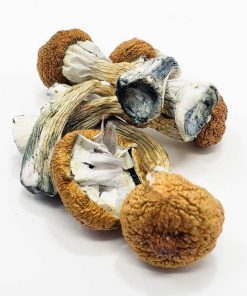
Price range: $180.00 through $920.00
This product has multiple variants. The options may be chosen on the product page 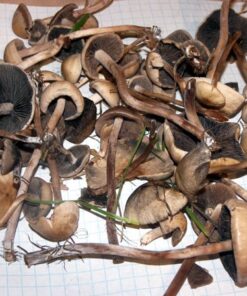
Price range: $190.00 through $890.00
This product has multiple variants. The options may be chosen on the product page 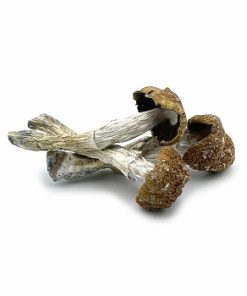
MAGIC MUSHROOMS
Price range: $180.00 through $890.00
This product has multiple variants. The options may be chosen on the product page 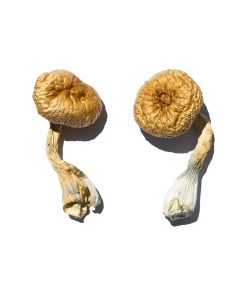
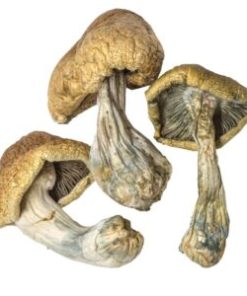
Price range: $185.00 through $860.00
This product has multiple variants. The options may be chosen on the product page 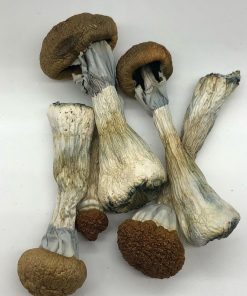
Price range: $180.00 through $910.00
This product has multiple variants. The options may be chosen on the product page 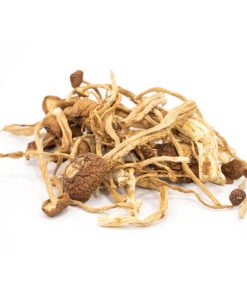
Price range: $180.00 through $910.00
This product has multiple variants. The options may be chosen on the product page 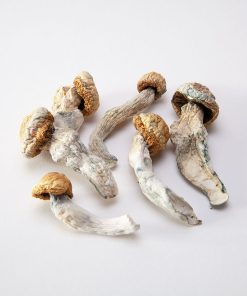
Price range: $180.00 through $910.00
This product has multiple variants. The options may be chosen on the product page
Cassius Neville (verified owner) –
Exactly what I was hoping for—clarity, peace, insight.
Jeremias Gold (verified owner) –
A soul massage.
Alondra Shields (verified owner) –
I saw myself—and I liked what I saw.
Lena McFadden (verified owner) –
The attention to quality shows. I had zero stomach issues.
Emerson Norris (verified owner) –
I expected a good trip, but I didn’t expect emotional healing and a full-circle experience like this.
Holly Ferrell (verified owner) –
Delivery was fast, and the product was in excellent condition.
Juliana Welch (verified owner) –
They don’t just sell — they serve. And that’s why this experience felt so safe.
Clark Sims (verified owner) –
You guys made it feel safe, sacred, and smooth. Thank you.
June Hampton (verified owner) –
Beautiful, delicate, and full of hidden lessons. I’m still unpacking it days later.
Lawson Crane (verified owner) –
I trust the process, because I trust this supplier.
Jared Foster (verified owner) –
I’ve tried different sources in the past, but none gave me this level of emotional depth and trust.
Neil Dennis (verified owner) –
Incredible introspective depth. I could finally hear my intuition clearly.
Porter Wynn (verified owner) –
Absolutely reliable service. The quality surpassed anything I’ve tried locally.
Anika Lockhart (verified owner) –
They came in perfect condition—fresh and ready.
Claire West (verified owner) –
Even before I began, I felt calm knowing how smoothly and privately everything had been handled.
Nehemiah Finnegan (verified owner) –
Zero bad vibes—felt clean and sacred.
Willow Love (verified owner) –
My session brought clarity and calm, and the ordering process gave me the trust I needed to begin.
Chloe Nelson (verified owner) –
From the discreet box to the powerful clarity during my trip, every part of this journey was handled with intention.
Stephanie Thompson (verified owner) –
Everything arrived looking clean and professional, which helped me relax before the experience even began.
Brylee Hensley (verified owner) –
Perfect for beginners. The journey was gentle but deep.
Selah McCollum (verified owner) –
My third eye said thank you.
Raymond Joseph (verified owner) –
I wasn’t just buying something — I was giving myself space to grow, and this site made that feel completely natural.
Jocelyn Spencer (verified owner) –
This was handled like a wellness experience, not just a transaction. I appreciate that more than I can say.
Wayne Pratt (verified owner) –
This is more than just a shop. It’s a trustworthy path into inner work.
Desmond Cain (verified owner) –
It was as if my mind rearranged itself gently — no chaos, just clarity.
Daniel Clark (verified owner) –
I trusted my gut when I placed the order, and I’m glad I did. What I received was exactly what I needed.
Jade Lambert (verified owner) –
When something this powerful is handled with love and care, it becomes more than a product — it becomes a moment.
Dean Cummings (verified owner) –
This isn’t just a product — it’s a safe invitation to come back home to yourself.
Clark Sims (verified owner) –
A deeply emotional journey that was only possible because I knew I was in good hands.
Dylan Flores (verified owner) –
The emotional clarity I gained from this session is hard to put into words. It felt safe, guided, and surprisingly gentle.
Kendall McCoy (verified owner) –
Beautiful, delicate, and full of hidden lessons. I’m still unpacking it days later.