
No products in the cart.

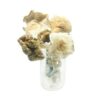

Blue Meanie Mushrooms – Ultra-Potent Psilocybe Cubensis Strain
Price range: $180.00 through $920.00
Blue Meanie Mushrooms are a powerful psilocybin strain known for their intense visuals, deep introspection, and strong body-mind effects. Organically cultivated, lab-tested, and legally sold by a licensed psychedelic supplier.
Blue Meanie Mushrooms: Identification, Taxonomy, and Mycological Research
Blue Meanie mushrooms refer to two taxonomically distinct fungi: Panaeolus cyanescens and the Psilocybe cubensis Blue Meanie strain. The most reliable way to distinguish them is spore print color — Panaeolus cyanescens produces jet-black spores, while the Blue Meanie cubensis strain produces dark purple-brown spores. This single diagnostic difference resolves the identification ambiguity that makes Blue Meanie mushrooms one of mycology’s most consequential common-name conflicts.
What Are Blue Meanie Mushrooms?
Blue Meanie mushrooms refer to two different fungi that share a common name but are separated at the family level, with distinct spore morphology, ecological specialization, and taxonomic histories. The easiest way to distinguish them is by their spores: Panaeolus cyanescens produces jet-black spores, while the Psilocybe cubensis Blue Meanie strain produces dark purple-brown spores.
This is not a minor nomenclatural inconvenience. It is a systematic identification problem with direct consequences for taxonomic documentation, biodiversity recording, and microscopy reference data.
Every field record, species database entry, or research citation that treats “Blue Meanie” as a single taxonomic entity conflates two organisms that mycological methodology requires to be kept strictly separate.
Core distinction:
- Panaeolus cyanescens — the original Blue Meanie — is a species-level organism in family Bolbitiaceae with jet-black limoniform spores, mottled gills, and coprophilous tropical ecology
- The Blue Meanie cubensis strain is an intraspecific cultivated variety of Psilocybe cubensis in family Hymenogastraceae, producing dark purple-brown ellipsoid spores with uniform gill darkening
These organisms share a common name and a bruising biochemistry. At every taxonomically meaningful level, they are distinct.
Key Facts: Blue Meanie Mushrooms
| Attribute | Panaeolus cyanescens | Blue Meanie cubensis Strain |
|---|---|---|
| Taxonomic status | Distinct species | Intraspecific strain |
| Family | Bolbitiaceae | Hymenogastraceae |
| Order | Agaricales | Agaricales |
| Spore print color | Jet-black | Dark purple-brown |
| Spore shape | Limoniform (lemon-shaped) | Ellipsoid to subellipsoid |
| Approximate spore size | 11–14 × 7–9 μm | 11–17 × 7–10 μm |
| Gill pattern | Mottled | Uniform progressive darkening |
| Stipe texture | Slender, brittle, hollow | Robust, fibrous, solid |
| Ecology | Coprophilous; tropical specialist | Coprophilous; broader substrate range |
| Bruising reaction | Intense blue-green | Blue-green |
| Former synonym | Copelandia cyanescens | None |
| Primary research value | Species taxonomy, alkaloid profile | Strain morphology, comparative mycology |
Blue Meanie mushrooms represent one of mycology’s most persistent common-name conflicts — a single vernacular term applied to two fungi separated at the family level.
The original Blue Meanie is Panaeolus cyanescens, formerly classified as Copelandia cyanescens, a pantropical coprophilous species in family Bolbitiaceae that produces diagnostically jet-black limoniform spores and exhibits the mottled gill maturation pattern characteristic of the Panaeolus genus.
The second organism carrying the Blue Meanie name is a cultivated strain of Psilocybe cubensis — an intraspecific variety within Hymenogastraceae that produces dark purple-brown ellipsoid spores and uniform gill darkening consistent with Psilocybe species morphology.
Researchers distinguish these organisms through spore print color, microscopic spore shape, gill maturation pattern, and family-level taxonomic analysis. The blue-green bruising reaction present in both taxa — driven by enzymatic oxidation of psilocin — is shared across psilocin-containing Basidiomycota and carries no species-diagnostic value.
Understanding the structural and taxonomic differences between Panaeolus cyanescens and the Blue Meanie Psilocybe cubensis strain is a foundational requirement for competent mycological identification, valid biodiversity documentation, and reproducible microscopy research.
Scientific Classification: Both Blue Meanie Organisms
Panaeolus cyanescens (True Blue Meanie)
| Rank | Classification |
|---|---|
| Kingdom | Fungi |
| Phylum | Basidiomycota |
| Class | Agaricomycetes |
| Order | Agaricales |
| Family | Bolbitiaceae |
| Genus | Panaeolus |
| Species | Panaeolus cyanescens |
| Former name | Copelandia cyanescens |
| Taxonomic status | Distinct species |
Blue Meanie Psilocybe cubensis Strain
| Rank | Classification |
|---|---|
| Kingdom | Fungi |
| Phylum | Basidiomycota |
| Class | Agaricomycetes |
| Order | Agaricales |
| Family | Hymenogastraceae |
| Genus | Psilocybe |
| Species | Psilocybe cubensis |
| Strain | Blue Meanie |
| Taxonomic status | Intraspecific strain designation |
Introduction
In mycological practice, common names are working tools — useful for communication, insufficient for identification. Blue Meanie mushrooms demonstrate precisely why: the same vernacular label has been applied to two organisms separated at the family level, with different spore morphology, distinct ecological niches, and non-overlapping taxonomic histories.
For any researcher, student, or mycologist relying on the name “Blue Meanie” as an identification anchor, the ambiguity is not a minor inconvenience. It is a systematic source of identification error with downstream consequences for every record that ambiguity contaminates.
The original Blue Meanie is Panaeolus cyanescens, a pantropical coprophilous species carrying a taxonomic history that includes its former designation as Copelandia cyanescens — a name still encountered in older systematic literature and requiring recognition for accurate historical cross-referencing.
The second is a cultivated strain of Psilocybe cubensis that acquired the Blue Meanie name through its robust morphology, pronounced bruising response, and community-level documentation within mycological cultivation practice.
This article resolves the Blue Meanie identification problem through systematic comparative analysis — examining both organisms across taxonomy, morphological characteristics, spore morphology, ecological context, bruising biochemistry, colonization parameters, and microscopy methodology. The goal is a reference that makes the distinction between these two fungi unambiguous, citation-ready, and immediately applicable to identification practice, research documentation, and biodiversity recording.
Why Websites Confuse Blue Meanie Mushrooms
The persistent online conflation of Panaeolus cyanescens and the Blue Meanie Psilocybe cubensis strain follows a predictable pattern driven by three convergent factors.
First, shared phenotypic characteristics mislead visual identification. Both organisms are coprophilous, both produce pale to medium-toned fruiting bodies, and both exhibit pronounced blue-green bruising. For observers relying on macroscopic appearance alone, the resemblance is sufficient to generate misidentification — particularly when neither spore print assessment nor microscopy is applied.
Second, the common name predates systematic disambiguation in online content. The term “Blue Meanie” entered mycological community use through informal channels before the distinction between Panaeolus cyanescens and the Psilocybe cubensis strain was consistently documented in accessible literature. Content published in that window established naming conventions that subsequent pages replicated without taxonomic correction.
Third, the Copelandia cyanescens synonym compounds the confusion. Older literature references Copelandia cyanescens as though it were a third organism distinct from both Panaeolus cyanescens and the cubensis strain. Researchers unfamiliar with the synonymization history may treat these as three separate entities, generating further taxonomic noise around an already ambiguous common name.
The practical consequence: Any identification, research citation, or biodiversity record relying on the common name “Blue Meanie” without species-level confirmation through spore analysis carries a documented probability of taxonomic error. The disambiguation standard established in this article — spore print color followed by microscopic spore shape — is the correction that online content on Blue Meanie mushrooms systematically fails to apply.
History of the Copelandia Genus and the Reclassification of Blue Meanie Mushrooms
The Copelandia Classification Era
For much of the twentieth century, the organism now known as Panaeolus cyanescens appeared in scientific literature under the name Copelandia cyanescens. This designation reflected placement in the genus Copelandia, erected to accommodate tropical coprophilous fungi exhibiting mottled gills and jet-black spores.
The Copelandia genus represented a morphology-based classification — grouping fungi by observable macroscopic characteristics rather than phylogenetic relationship. This methodology was standard for pre-molecular systematic mycology but became increasingly vulnerable to revision as molecular sequencing tools developed.
The Copelandia name became embedded in alkaloid research, spore reference collections, and ecological surveys conducted throughout the mid-to-late twentieth century. This body of work constitutes a substantial portion of the foundational research record for the organism now classified as Panaeolus cyanescens.
Molecular Reclassification and Synonymization
Comparative DNA sequence analysis — specifically molecular phylogenetic studies applying ribosomal RNA gene sequencing across Agaricales lineages — demonstrated that Copelandia species were not phylogenetically distinct from Panaeolus.
The morphological features used to separate the genera, including gill mottling pattern and spore coloration, were insufficient to mark the phylogenetic boundary that Copelandia as a genus implied. The formal outcome was synonymization: Copelandia was subsumed into Panaeolus, and Copelandia cyanescens became Panaeolus cyanescens.
This reclassification carries direct practical consequences for literature review and cross-study comparison:
- References to Copelandia cyanescens spores, ecology, and alkaloid profiles in pre-molecular literature refer to the organism now correctly designated Panaeolus cyanescens
- Alkaloid concentration data published under the Copelandia name — including reported total tryptamine concentrations in the range of approximately 1.5–3.0% dry weight — apply to Panaeolus cyanescens and should be cited under that name in current research
- Database records containing Copelandia cyanescens occurrence data represent Panaeolus cyanescens distribution records and should be interpreted accordingly in species distribution modeling
Why Copelandia Persists in Popular Literature
Despite formal synonymization, the Copelandia cyanescens name continues to appear in popular mycology writing, online content, and community-level documentation.
Three factors sustain this persistence: the extensive body of pre-reclassification literature in which the name is embedded; the name’s continued use in cultivation-oriented communities where taxonomic currency is less strictly maintained; and the absence, in much online content, of explicit acknowledgment that Copelandia cyanescens and Panaeolus cyanescens are the same organism.
Researchers encountering the Copelandia designation should treat it as a direct synonym — not a reference to a distinct taxon.
Blue Meanie Mushrooms: Species vs. Strain Explained
Are Blue Meanie Mushrooms One Species?
No. The name Blue Meanie refers either to Panaeolus cyanescens or to a named strain of Psilocybe cubensis. They are biologically distinct fungi — separated at the family level — that share a common name through convergent phenotypic resemblance rather than phylogenetic relationship.
The species-versus-strain distinction is foundational for understanding what “Blue Meanie” means in any given context:
As a species designation: Blue Meanie = Panaeolus cyanescens — a formally described, phylogenetically positioned organism with type specimens, a published taxonomic history, and species-level standing in fungal classification systems.
As a strain designation: Blue Meanie = an intraspecific cultivated variety of Psilocybe cubensis — a named population within a species, without independent taxonomic standing, distinguished by morphological characteristics and cultivation documentation rather than formal species description.
This distinction determines which identification criteria apply, which reference literature is relevant, which spore morphology is expected, and which ecological context is appropriate.
What the Shared Bruising Reaction Does and Does Not Mean
Both Panaeolus cyanescens and the Blue Meanie cubensis strain produce blue-green bruising when tissue is mechanically damaged. This shared reaction reflects a shared biochemical mechanism — enzymatic oxidation of psilocin — and confirms that both organisms contain psilocin-related indole alkaloids in somatic tissue.
It does not indicate phylogenetic relationship, taxonomic proximity, or comparable alkaloid concentration.
The bruising reaction is a biochemical commonality, not a taxonomic one. Its use as an identification criterion for distinguishing these two organisms produces systematically unreliable results.
Morphological Characteristics: Panaeolus cyanescens
Pileus (Cap)
Panaeolus cyanescens produces small to medium caps ranging from pale buff to gray-brown when fresh, drying to a lighter cream or whitish tone as moisture is lost — a hygrophanous color-change pattern characteristic of the species. The pileus surface is smooth, and the cap profile progresses from broadly convex in young specimens to nearly plane at maturity.
The species’ pronounced blue-green bruising response — appearing rapidly and intensely at mechanical damage sites — reflects high psilocin concentrations in somatic tissue. It is among the most visually distinctive bruising reactions documented in psilocin-containing Basidiomycota.
However, this characteristic is shared with the Blue Meanie cubensis strain and carries no species-diagnostic value for distinguishing between them.
Stipe (Stem)
The stipe of Panaeolus cyanescens is slender, pale to whitish-gray, and notably brittle relative to Psilocybe cubensis stems of comparable diameter — a tactile characteristic useful in concurrent field comparison.
It is hollow or partially hollow in mature specimens. Bruising occurs on stipe tissue with intensity comparable to that observed on the cap.
Lamellae (Gills)
The gills of Panaeolus cyanescens are mottled — a maturation pattern in which different gill sections reach spore maturity and release basidiospores at different rates, producing simultaneous dark and light zones across gill tissue.
This mottled gill pattern is taxonomically characteristic of the genus Panaeolus and constitutes a reliable macroscopic diagnostic feature. It is one of the two most accessible macroscopic criteria for Blue Meanie species differentiation, alongside spore print color.
Gills are adnexed in attachment and progress from gray to near-black as spore maturation advances — but never uniformly. The mottled pattern persists throughout development.
Spore Print
Panaeolus cyanescens produces a jet-black spore print — the most diagnostically significant macroscopic feature for species-level identification. This coloration reflects dense melanin deposition in Panaeolus basidiospores and stands in unambiguous contrast to the dark purple-brown of Psilocybe cubensis prints.
In any Blue Meanie identification scenario, spore print color on white paper under consistent lighting is the primary macroscopic test. Jet-black indicates Panaeolus cyanescens. Purple-brown indicates Psilocybe cubensis.
Morphological Characteristics: Blue Meanie Psilocybe cubensis Strain
Pileus (Cap)
The Blue Meanie cubensis strain produces caps in the golden-brown to caramel range typical of Psilocybe cubensis, with larger average diameters reported relative to many standard P. cubensis strains under equivalent growth conditions.
Cap profile follows the species-standard developmental sequence: convex to broadly umbonate in young specimens, flattening progressively with maturity. Blue-green bruising is present and pronounced, consistent with substantial indole compound content in somatic tissue.
Stipe (Stem)
The stipe of the Blue Meanie cubensis strain is robust — substantially thicker and more fibrous than the slender, brittle stipe of Panaeolus cyanescens — and white to off-white in color.
An annulus from the partial veil is present in younger specimens. The stipe is solid rather than hollow, providing a consistent tactile and visual differentiation point from Panaeolus cyanescens in field settings.
Lamellae (Gills)
Gills of the Blue Meanie cubensis strain progress uniformly from pale gray to deep purple-brown as basidiospore maturation advances — a continuous, even darkening pattern in direct contrast to the mottled gill maturation of Panaeolus cyanescens.
This difference in gill development reflects the distinct reproductive biology of the two genera and is the most reliably observable macroscopic differentiation criterion available without spore print assessment.
Spore Print
The Blue Meanie cubensis strain produces a dark purple-brown to near-black spore print consistent with Psilocybe cubensis at the species level.
While superficially similar to the Panaeolus cyanescens print under low-lighting conditions, direct comparison on white paper under consistent illumination reveals the characteristic purple-red undertone of Psilocybe prints against the pure jet-black of Panaeolus prints.
This macroscopic difference becomes unambiguous under microscopic examination of individual spore coloration and shape.
Blue Meanie Mushrooms Under the Microscope
Panaeolus cyanescens Spore Reference Data
| Characteristic | Description |
|---|---|
| Shape | Limoniform (lemon-shaped) to somewhat cylindrical |
| Wall | Thick, smooth |
| Color in mass | Jet-black |
| Color individually | Dark brown to near-opaque under transmitted light |
| Germ pore | Present, apical, prominent |
| Approximate size | 11–14 × 7–9 μm |
| Key diagnostic feature | Limoniform shape — taxonomically diagnostic for Panaeolus |
Blue Meanie Psilocybe cubensis Spore Reference Data
| Characteristic | Description |
|---|---|
| Shape | Ellipsoid to subellipsoid |
| Wall | Thick, smooth |
| Color in mass | Dark purple-brown |
| Color individually | Golden to amber under transmitted light |
| Germ pore | Present, apical, prominent |
| Approximate size | 11–17 × 7–10 μm |
| Key diagnostic feature | Ellipsoid shape and purple-brown mass coloration — species-diagnostic for P. cubensis |
The Diagnostic Value of Spore Shape
The morphological contrast between limoniform Panaeolus cyanescens spores and ellipsoid Psilocybe cubensis spores is the most reliable microscopic criterion for resolving Blue Meanie identification ambiguity.
Spore shape is a genetically stable, environmentally robust characteristic — consistent across specimens, substrates, and geographic populations — making it more reliable than any macroscopic feature subject to developmental or environmental variation.
Identification standard: In any specimen where Blue Meanie mushroom identification is uncertain, microscopic examination of spore shape — limoniform versus ellipsoid — combined with spore print color assessment under consistent lighting provides the highest achievable identification accuracy short of molecular sequencing.
Microscopy Workflow: Step-by-Step Protocol
Equipment required:
- Compound light microscope (minimum ×400 magnification; ×1000 oil immersion preferred)
- Glass slides and coverslips
- 3% KOH mounting medium or water mount
- Spore print material or fresh gill section
- Stage micrometer for spore measurement calibration
- Brightfield and phase contrast illumination capability
Protocol:
Step 1 — Spore preparation: Transfer a small quantity of spore print material to a glass slide using a sterile loop. Apply one drop of 3% KOH or distilled water. Lower coverslip at an angle to eliminate air bubbles.
Step 2 — Initial survey (×100–×200): Assess spore distribution, clumping patterns, and overall coloration. Jet-black mass coloration indicates Panaeolus cyanescens candidate. Purple-brown mass coloration indicates Psilocybe cubensis candidate.
Step 3 — Shape characterization (×400): Identify individual spores. Limoniform profile with narrowed apex indicates Panaeolus cyanescens. Ellipsoid to subellipsoid profile indicates Psilocybe cubensis. Note transmitted light coloration: near-opaque dark brown (Panaeolus) versus golden to amber (Psilocybe).
Step 4 — Germ pore confirmation (×400–×1000): Focus to the apical spore terminus. Confirm prominent germ pore presence — characteristic of both taxa and confirmatory of Agaricales identity.
Step 5 — Dimensional measurement: Using a calibrated stage micrometer, measure a minimum of 20 individual spores for length and width. Panaeolus cyanescens reference range: 11–14 × 7–9 μm. Psilocybe cubensis reference range: 11–17 × 7–10 μm. Record mean, range, and length-to-width ratio for database entry.
Step 6 — Gill section analysis (confirmatory): Prepare thin hand-sections of gill tissue mounted in KOH. At ×400–×1000, confirm mottled spore deposition pattern (Panaeolus) or uniform progressive darkening (Psilocybe). Document cheilocystidia morphology against genus-level reference descriptions.
Interpretation standard: Limoniform spores + jet-black mass coloration = Panaeolus cyanescens confirmed. Ellipsoid spores + purple-brown mass coloration + amber individual appearance = Psilocybe cubensis confirmed.
Basidia and Cheilocystidia
Gill sections from both Blue Meanie organisms reveal basidia as club-shaped structures bearing four sterigmata, each supporting a single basidiospore — consistent with Basidiomycota reproductive architecture.
Cheilocystidia in Panaeolus cyanescens are typically utriform to cylindrical, distinguishing them from the fusiform to lageniform cheilocystidia characteristic of Psilocybe species.
These cellular-level morphological differences provide supplementary microscopic evidence supporting species-level determination when spore shape data alone is ambiguous.
Blue Meanie Spore Print Color: Identification Decision Framework
Spore print color is the most accessible and most consequential macroscopic test in Blue Meanie mushroom identification.
Step 1 — Obtain spore print: Rest mature cap gill-side down on white paper in still conditions for 4–8 hours.
Step 2 — Assess print color under consistent lighting:
- Jet-black with no purple undertone → Panaeolus cyanescens candidate
- Dark purple-brown with visible purple-red undertone → Psilocybe cubensis candidate
Step 3 — Assess gill pattern:
- Mottled, simultaneous dark and light zones → confirms Panaeolus genus
- Uniform progressive darkening → consistent with Psilocybe genus
Step 4 — Microscopic confirmation:
- Limoniform spores + jet-black mass color → Panaeolus cyanescens confirmed
- Ellipsoid spores + purple-brown mass color + amber individual coloration → Psilocybe cubensis confirmed
Decision rule: Spore print color directs the identification pathway. Microscopic spore shape provides definitive confirmation. Macroscopic features alone — cap color, bruising intensity, habitat — are insufficient for species-level determination and must not form the basis of taxonomic documentation.
Blue Meanie Mushroom Ecology
Panaeolus cyanescens: Coprophilous Tropical Specialist
Panaeolus cyanescens is a coprophilous species with pantropical distribution, fruiting primarily on the dung of large herbivores — cattle, horses, and water buffalo — in warm, humid grassland and tropical pasture ecosystems.
The species has been documented across tropical and subtropical regions of Asia, Africa, the Americas, and Australasia. Its distribution correlates closely with cattle-raising agricultural systems in tropical latitudes and the warm, humid microclimates produced by coastal weather systems.
Panaeolus cyanescens requires warm temperatures, sustained high humidity, and direct access to dung substrate. These ecological parameters constrain its range to tropical and subtropical zones and distinguish it from the more environmentally flexible Psilocybe cubensis.
In regions where both species co-occur on cattle dung in tropical grasslands — a scenario documented across multiple geographic zones — macroscopic differentiation becomes particularly critical and particularly error-prone without systematic spore analysis.
Blue Meanie Psilocybe cubensis Strain: Broader Substrate Tolerance
The Blue Meanie cubensis strain shares the ecological flexibility characteristic of Psilocybe cubensis as a species. Psilocybe cubensis colonizes a broader range of substrates than Panaeolus cyanescens — including pasteurized straw, grain-based media, and composted organic materials — and demonstrates greater tolerance of temperature variation across its fruiting range.
This broader substrate compatibility and environmental tolerance account for the strain’s wider geographic documentation and more extensive laboratory cultivation record relative to the ecologically specialized Panaeolus cyanescens.
Blue Bruising Reaction: Biochemical Basis
Why Do Blue Meanie Mushrooms Bruise Blue?
Blue bruising occurs when psilocin is exposed to oxygen after cellular damage. The oxidation process creates blue-green pigments that confirm the presence of active tryptamines but do not directly measure potency or enable species-level identification.
When fungal tissue is mechanically damaged, psilocin undergoes rapid oxidation catalyzed by laccase and related oxidative enzymes present in fungal somatic tissue. This produces blue-green quinoid compounds that deposit visibly at damage sites.
The reaction speed and intensity correlate with psilocin concentration. Both Panaeolus cyanescens and the Blue Meanie cubensis strain exhibit pronounced bruising, reflecting substantial psilocin content in somatic tissue.
The reaction is shared across psilocin-containing Basidiomycota and is therefore taxonomically non-diagnostic. It cannot distinguish Panaeolus cyanescens from Psilocybe cubensis.
Critical identification limitation: Blue-green bruising must not be used as a primary identification criterion for Blue Meanie mushrooms. Its presence confirms psilocin-containing Basidiomycota candidacy. It cannot resolve the species-level question that is the central identification challenge in Blue Meanie mycology.
Panaeolus cyanescens vs. Psilocybe cubensis: Full Comparative Matrix
| Characteristic | Panaeolus cyanescens | Blue Meanie P. cubensis |
|---|---|---|
| Family | Bolbitiaceae | Hymenogastraceae |
| Spore print color | Jet-black | Dark purple-brown |
| Spore shape | Limoniform | Ellipsoid |
| Spore size | 11–14 × 7–9 μm | 11–17 × 7–10 μm |
| Gill pattern | Mottled | Uniform progressive darkening |
| Stipe texture | Slender, brittle, hollow | Robust, fibrous, solid |
| Cap color | Pale buff to gray-brown; hygrophanous | Golden-brown to caramel |
| Bruising reaction | Intense blue-green | Blue-green |
| Cheilocystidia | Utriform to cylindrical | Fusiform to lageniform |
| Ecology | Coprophilous; tropical pasture specialist | Coprophilous; broader substrate tolerance |
| Former name | Copelandia cyanescens | None |
| Distribution | Pantropical | Pantropical to subtropical |
| Identification priority | Spore shape + print color | Spore shape + print color |
The Three Highest-Reliability Discriminators
Applied in sequence, these three criteria resolve Panaeolus cyanescens versus Psilocybe cubensis identification with the highest achievable accuracy:
- Spore print color — jet-black (Panaeolus) versus purple-brown (Psilocybe): primary macroscopic discriminator
- Microscopic spore shape — limoniform (Panaeolus) versus ellipsoid (Psilocybe): definitive microscopic discriminator
- Gill maturation pattern — mottled (Panaeolus) versus uniform (Psilocybe): reliable supplementary macroscopic criterion
All other macroscopic characteristics — cap color, bruising intensity, overall size — are subject to sufficient environmental and developmental variation to be unreliable as primary identification criteria. They function as supporting observations, not primary diagnostic markers.
Blue Meanie Colonization Speed and Research Characteristics
Comparative Growth Parameters
| Parameter | Panaeolus cyanescens | Blue Meanie P. cubensis |
|---|---|---|
| Optimal fruiting temperature | 23–28°C (73–82°F) | 22–26°C (72–79°F) |
| Colonization temperature | 28–32°C (82–90°F) | 28–30°C (82–86°F) |
| Relative humidity (fruiting) | 90–95% | 90–95% |
| Substrate preference | Dung; cased dung-based substrates | Grain, straw, dung-based, agricultural byproducts |
| Colonization speed | Moderate; highly substrate-sensitive | Moderate to moderately fast |
| Mycelium appearance | White, fine; rhizomorphic growth reported | White to off-white; rhizomorphic growth pattern |
| Fruiting body size | Small to medium | Medium to large |
| Phenotypic stability | Species-level consistent | High across culture generations |
| Agar performance | Requires specialized substrate formulations | Performs on standard agar formulations |
Blue Meanie Colonization Speed: Current Evidence and Research Gaps
The Blue Meanie cubensis strain is frequently characterized within mycological communities as demonstrating above-average colonization vigor — including robust rhizomorphic mycelium development and faster substrate consolidation relative to standard Psilocybe cubensis strains.
This characterization is based primarily on observational community documentation rather than controlled experimental comparison under standardized substrate composition, temperature, and humidity parameters.
Formally resolving whether this represents a genetically determined strain characteristic or an environmentally sensitive phenotypic expression requires controlled studies measuring colonization rate, mycelial density, and substrate conversion efficiency against standardized baseline strains.
Until such data exists, colonization speed claims for the Blue Meanie cubensis strain should be treated as preliminary observational characterizations rather than established quantitative parameters.
Panaeolus cyanescens colonization presents a distinct methodological profile. The species’ ecological specificity — dependence on dung substrate and tropical temperature ranges — makes laboratory colonization more technically demanding than standard P. cubensis cultivation, requiring substrate formulations that approximate the nitrogen content and microbial ecology of fresh herbivore dung to produce consistent colonization outcomes.
Blue Meanie Mushroom Identification: Comprehensive Guide
Quick Identification Checklist
Apply this diagnostic sequence to any specimen presenting as a potential Blue Meanie mushroom:
- ☐ Spore print color: Jet-black → Panaeolus cyanescens; Dark purple-brown → Psilocybe cubensis strain
- ☐ Gill pattern: Mottled simultaneous zones → Panaeolus; Uniform progressive darkening → Psilocybe
- ☐ Stipe texture: Slender, brittle, hollow → Panaeolus; Robust, fibrous, solid → Psilocybe cubensis
- ☐ Microscopic spore shape: Limoniform → Panaeolus cyanescens; Ellipsoid → Psilocybe cubensis
- ☐ Bruising response: Blue-green present in both — confirms psilocin-containing Basidiomycota; not species-diagnostic
Decision rule: Spore print color + microscopic spore shape = definitive Blue Meanie identification. All other features provide supporting context. No single macroscopic feature is sufficient for species-level determination.
Spore Identification Flowchart
text
BLUE MEANIE MUSHROOM IDENTIFICATION
            |
            ↓
    Obtain spore print on white paper
            |
     ________|________
    |                 |
 JET-BLACK        PURPLE-BROWN
    |                 |
    ↓                 ↓
Panaeolus         Psilocybe
cyanescens        cubensis
candidate         candidate
    |                 |
    ↓                 ↓
Microscopy:       Microscopy:
Limoniform        Ellipsoid
spores?           spores?
    |                 |
    ↓                 ↓
Confirm           Confirm
Panaeolus         P. cubensis
cyanescens        Blue Meanie
Three Common Identification Errors
Error 1 — Bruising intensity as species indicator: Both organisms bruise blue-green. Bruising confirms psilocin-containing Basidiomycota candidacy. It cannot distinguish Panaeolus cyanescens from Psilocybe cubensis.
Error 2 — Spore print assessed under poor lighting: Under dim or inconsistent lighting, purple-brown Psilocybe prints may appear nearly black. Always assess on white paper under consistent, preferably natural, lighting. Confirm ambiguous results with microscopy.
Error 3 — Species inferred from substrate alone: Both species are coprophilous and may co-occur on cattle dung in tropical environments. Substrate association is contextual information, not an identification criterion.
Blue Meanie Mushrooms in Mycological Research
Contribution to Fungal Taxonomy
The Blue Meanie naming conflict is a productive case study in taxonomic methodology — illustrating precisely the conditions under which common-name classification fails and formal systematic analysis becomes non-negotiable.
The synonymization of Copelandia cyanescens into Panaeolus cyanescens through molecular phylogenetic analysis represents a model case of how DNA sequence data resolves morphology-based classification ambiguities that persisted for decades in pre-molecular literature.
For researchers building taxonomic reference databases, the Blue Meanie case establishes a clear precedent: spore-level documentation and sequence data are foundational requirements for any species record intended to withstand molecular scrutiny.
Contribution to Biodiversity Documentation
Accurate differentiation of Panaeolus cyanescens from the Psilocybe cubensis Blue Meanie strain is a prerequisite for valid biodiversity documentation in any geographic region where both taxa may occur.
Conflation of these organisms in field surveys, species distribution models, or occurrence databases produces systematically biased records — misattributing Panaeolus cyanescens occurrences to Psilocybe cubensis range data, or vice versa, in ways that compound across the literature as subsequent studies build on flawed primary records.
The identification framework in this article provides the minimum methodological standard for generating taxonomically valid Blue Meanie mushroom biodiversity records.
Microscopy as the Resolution Standard
For both Panaeolus cyanescens and the Blue Meanie cubensis strain, microscopic spore morphology analysis is the methodological resolution standard for ambiguous identification — the analytical threshold beyond which macroscopic uncertainty is definitively resolved.
The diagnostic spore shapes of these two taxa — limoniform versus ellipsoid — are stable, heritable characteristics that remain consistent across environmental variation, substrate differences, and geographic populations.
Establishing microscopy as the identification standard in Blue Meanie research is not methodological conservatism. It is the scientifically correct response to the documented limitations of macroscopic observation in distinguishing taxonomically distant fungi sharing a common name.
FAQ: Blue Meanie Mushrooms
What are Blue Meanie mushrooms?
Blue Meanie mushrooms is a common name applied to two taxonomically distinct fungi: Panaeolus cyanescens — a species-level organism in family Bolbitiaceae with jet-black limoniform spores and mottled gill maturation — and the Blue Meanie strain of Psilocybe cubensis — an intraspecific cultivated variety in family Hymenogastraceae with dark purple-brown ellipsoid spores and uniform gill darkening. The shared name reflects convergent phenotypic resemblance — specifically pronounced blue-green bruising driven by psilocin oxidation — rather than phylogenetic relationship or taxonomic proximity.
What is the difference between Panaeolus cyanescens and Blue Meanie cubensis?
Panaeolus cyanescens and the Blue Meanie cubensis strain are separated at the family level — Bolbitiaceae versus Hymenogastraceae — and differ across every taxonomically significant characteristic: spore print color (jet-black versus dark purple-brown), microscopic spore shape (limoniform versus ellipsoid), gill maturation pattern (mottled versus uniform progressive), stipe structure (slender and hollow versus robust and solid), cheilocystidia morphology (utriform to cylindrical versus fusiform to lageniform), and ecological specialization (tropical dung specialist versus broader substrate range). They are not closely related organisms — the shared common name reflects observable phenotypic convergence, not shared ancestry.
What color is a Blue Meanie spore print?
The answer depends on which Blue Meanie organism is being examined. Panaeolus cyanescens produces a jet-black spore print, reflecting dense melanin deposition in Panaeolus basidiospores. The Blue Meanie cubensis strain produces a dark purple-brown to near-black print characteristic of Psilocybe cubensis at the species level. Assessing spore print color on white paper under consistent lighting is the primary macroscopic step in resolving Blue Meanie species identity; microscopic confirmation of spore shape is required for definitive determination.
Why do Blue Meanie mushrooms bruise blue?
Blue bruising occurs when psilocin is exposed to oxygen following cellular disruption. Laccase and related oxidative enzymes in fungal somatic tissue catalyze rapid psilocin oxidation, producing blue-green quinoid compounds that deposit visibly at damage sites. This reaction is shared across psilocin-containing Basidiomycota — including both Panaeolus cyanescens and the Blue Meanie cubensis strain — and confirms psilocin presence in tissue. It carries no species-diagnostic value and cannot distinguish Panaeolus cyanescens from Psilocybe cubensis in any identification protocol.
Is Copelandia cyanescens the same as Panaeolus cyanescens?
Yes. Copelandia cyanescens is a synonymized former classification of the organism now correctly designated Panaeolus cyanescens. Molecular phylogenetic analysis demonstrated that the genus Copelandia was not phylogenetically distinct from Panaeolus, leading to formal synonymization and reclassification. Researchers encountering Copelandia cyanescens in pre-molecular literature — including alkaloid concentration studies reporting total tryptamine content in the range of approximately 1.5–3.0% dry weight — should treat this designation as a direct synonym for Panaeolus cyanescens when cross-referencing spore data, ecological records, and biochemical profiles.
Which Blue Meanie is easier to identify microscopically?
The Blue Meanie cubensis strain is generally more accessible for researchers developing microscopic identification skills. Psilocybe cubensis spores are extensively documented in published reference literature, their ellipsoid shape is morphologically straightforward to recognize, and comparative reference material is widely available. Panaeolus cyanescens spores — limoniform in shape, jet-black in mass — are equally distinctive once the characteristic shape profile is established, but require familiarity with Panaeolus genus morphology and access to Bolbitiaceae reference collections for confident species-level confirmation.
What family does Panaeolus cyanescens belong to?
Panaeolus cyanescens belongs to the family Bolbitiaceae within the order Agaricales — a classification supported by molecular phylogenetic analysis and distinguishing it clearly from Psilocybe cubensis, which belongs to Hymenogastraceae within the same order. The family-level separation of these two Blue Meanie organisms reflects their fundamental phylogenetic distance and is the primary reason the shared common name is taxonomically misleading: organisms classified in different families within Agaricales are not closely related, and their shared vernacular name documents phenotypic convergence, not evolutionary proximity.
What is the most reliable way to identify a Blue Meanie mushroom?
The highest-confidence identification protocol combines two sequential analyses: spore print color assessment on white paper under consistent lighting — jet-black for Panaeolus cyanescens, dark purple-brown for Psilocybe cubensis — followed by microscopic examination of spore shape — limoniform for Panaeolus, ellipsoid for Psilocybe. This two-stage protocol resolves Blue Meanie identification ambiguity definitively and constitutes the minimum methodological standard for any identification intended to support taxonomic documentation, biodiversity recording, or research citation.
Conclusion
Blue Meanie mushrooms encode a precise and broadly applicable lesson for mycological practice: common names track observable phenotypes, not phylogenetic relationships. Any identification system built on vernacular terminology rather than formal taxonomic criteria will systematically produce errors wherever phenotypic convergence crosses taxonomic boundaries.
The case is structurally clear. Two organisms — Panaeolus cyanescens in family Bolbitiaceae and the Blue Meanie strain of Psilocybe cubensis in family Hymenogastraceae — acquired the same common name through shared bruising chemistry and superficially similar pale fruiting bodies.
Every taxonomically meaningful characteristic separates them: spore print color, microscopic spore shape, gill maturation pattern, stipe architecture, cheilocystidia morphology, and ecological specialization. The synonymization of Copelandia cyanescens into Panaeolus cyanescens through molecular phylogenetics added a further layer of historical nomenclatural complexity that continues to generate confusion in online content derived from pre-reclassification literature.
The resolution is methodologically clear. Jet-black spore print with limoniform microscopic spores identifies Panaeolus cyanescens. Dark purple-brown spore print with ellipsoid spores identifies Psilocybe cubensis. This two-stage protocol resolves the identification ambiguity definitively at the point where macroscopic observation reaches its limit.
The broader implication for mycological research practice is direct: wherever a common name applies to more than one organism, formal taxonomic methodology anchored in spore morphology, family-level classification, and microscopic verification is not an optional analytical supplement. It is the only identification standard capable of generating records with valid taxonomic standing.
Blue Meanie mushrooms make that requirement visible, consequential, and impossible to responsibly ignore.
41 reviews for Blue Meanie Mushrooms – Ultra-Potent Psilocybe Cubensis Strain
Add a review
Related products
Price range: $190.00 through $890.00
This product has multiple variants. The options may be chosen on the product page 
Price range: $190.00 through $890.00
This product has multiple variants. The options may be chosen on the product page 
Price range: $178.00 through $865.00
This product has multiple variants. The options may be chosen on the product page 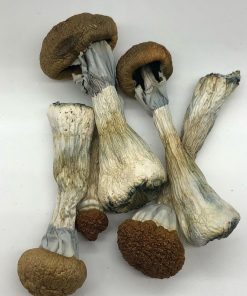
Price range: $180.00 through $910.00
This product has multiple variants. The options may be chosen on the product page 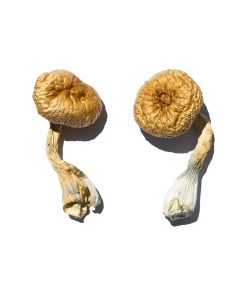
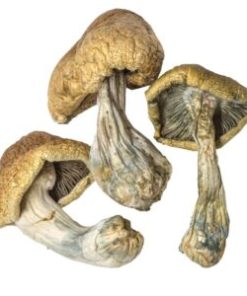
Price range: $185.00 through $860.00
This product has multiple variants. The options may be chosen on the product page 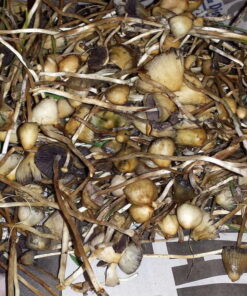
Price range: $170.00 through $830.00
This product has multiple variants. The options may be chosen on the product page 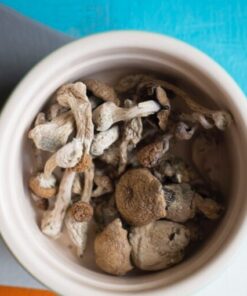
MAGIC MUSHROOMS
Price range: $190.00 through $890.00
This product has multiple variants. The options may be chosen on the product page 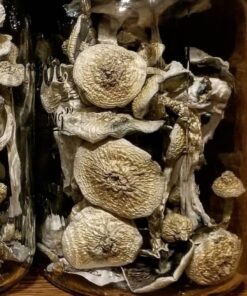
MAGIC MUSHROOMS
Price range: $178.00 through $840.00
This product has multiple variants. The options may be chosen on the product page
Amari Blackwell (verified owner) –
No synthetic feeling—just pure nature.
Adeline Burke –
I felt emotionally safe using this, and that matters deeply with a product like this.
Alondra Shields (verified owner) –
I’ve tried many sources, but this one truly feels professional and cared for.
Celine Bateman (verified owner) –
Was nervous at first, but everything went perfectly.
Anika Lockhart (verified owner) –
Felt held by something bigger than me.
Lena McFadden (verified owner) –
No synthetic feeling—just pure nature.
Ella Cox (verified owner) –
You’re not just buying a product here — you’re entering a process that’s treated with integrity.
Olivia Carter (verified owner) –
I didn’t think something so small could have such a big emotional impact. I’m still in awe.
Julia Parker (verified owner) –
This helped me rewrite some inner scripts I didn’t know I was still carrying. The professionalism made me feel safe enough to go there.
Mckenzie Wiley (verified owner) –
I’ve waited years for something like this — safe, sacred, and available when I was ready.
Gerald Tate (verified owner) –
There’s a soft professionalism here that sets the tone before anything even begins. It’s comforting.
Charles Richardson (verified owner) –
There’s something powerful about knowing your experience matters to the people providing it. That’s exactly how I felt here.
Zola Darnell (verified owner) –
The best balance of visuals, warmth, and inner clarity I’ve experienced.
Hadley Shields (verified owner) –
Gentle but mind-opening.
Hunter Butler (verified owner) –
Everything about this product invites presence, and everything about the service invites trust.
Samuel Simmons (verified owner) –
From shipping to set and setting, the whole thing was flawless. I felt truly taken care of.
Ariana Griffin (verified owner) –
Every part of this process felt like a whisper of reassurance. I was never alone in this.
Jordan Rogers (verified owner) –
I felt more like a person than a customer. That meant more to me than I expected.
Brecken Flood (verified owner) –
I was able to forgive myself.
Nehemiah Finnegan (verified owner) –
Helped with deep emotional trauma.
Aria McCray (verified owner) –
I faced myself—and it was exactly what I needed.
Nathan Phillips (verified owner) –
This product helped me unpack so much mentally — and knowing it came from a reliable, discreet source made all the difference.
Armani Devine (verified owner) –
A great dose for personal growth.
Neil Dennis (verified owner) –
This gave me emotional insight, and the professionalism behind the product gave me peace of mind.
Bryan Patterson (verified owner) –
This isn’t just about the trip — it’s about feeling safe, informed, and respected along the way. That’s exactly what I got here.
Rachel Lewis (verified owner) –
I’ve tried different sources in the past, but none gave me this level of emotional depth and trust.
Jordan Rogers (verified owner) –
The come-up was smooth and warm, like slipping into a deep meditation.
David Smith (verified owner) –
This was handled like a wellness experience, not just a transaction. I appreciate that more than I can say.
Maria Hughes (verified owner) –
This helped me feel connected to the world again in a way I didn’t know I needed. It was like waking up from a long emotional fog.
Joel Graham (verified owner) –
The delivery was fast and discreet, which helped me focus fully on the experience itself.
Lillian Cross (verified owner) –
I feel more grounded, more creative, and more alive since using this.
Christopher Cobb (verified owner) –
The order was packed carefully and shipped promptly.
Nathan Kelly (verified owner) –
I was satisfied with the value for the quality.
Caroline Boyd (verified owner) –
I liked the consistent quality.
Emma Johnson (verified owner) –
It was a worthwhile addition to my pantry.
Tyler Ford (verified owner) –
It added a rich savory note to my dishes.
Matthew Harris (verified owner) –
The product arrived in excellent condition and was well protected.
Jasmine Clark (verified owner) –
It made preparing dinner much more convenient.
Sarah Fry (verified owner) –
The packaging stayed sealed during shipping.
Lillian Dunn (verified owner) –
I was impressed with the freshness and overall presentation.
Elijah Cannon (verified owner) –
The pieces were a good size for cooking.