
No products in the cart.
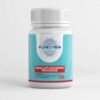


Purecybin Anxiety Blend – 150mg Microdose (30 Capsules)
$105.00
Purecybin Anxiety Blend delivers 150mg of calming support per capsule. 30-count supply for stress relief, mood balance & inner peace. Legal & lab-verified.
Purecybin Anxiety Blend 150mg: A Critical Review of Microdosing for Anxiety
What Is Purecybin Anxiety Blend 150mg?
Purecybin Anxiety Blend 150mg is a consumer microdose capsule marketed toward adults interested in microdosing psilocybin.
Current scientific evidence supports ongoing research into psilocybin but does not establish self-directed consumer microdosing as a clinically proven treatment for anxiety.
Before use, carefully evaluate legal status, potential medication interactions, product quality documentation, and guidance from a qualified healthcare professional.
Individuals researching the Purecybin Anxiety Blend 150mg should weigh legal, safety, and quality factors before proceeding.
Key Takeaways
- The Purecybin Anxiety Blend 150mg is a consumer microdose product, not a clinically validated anxiety treatment. No regulatory body has approved it as a treatment for anxiety.
- The strongest psilocybin evidence comes from supervised full-dose therapy at institutions including Johns Hopkins and NYU Langone, not self-directed microdosing
- Psilocybin remains a Schedule I controlled substance under U.S. federal law; state and local laws vary and change
- Anyone taking SSRIs, SNRIs, MAOIs, or lithium must consult their prescribing clinician before using any psilocybin product
- Third-party laboratory testing with batch-specific certificates of analysis is the minimum acceptable quality standard for any psilocybin capsule product
- Sub-perceptual does not mean without risk; paradoxical anxiety amplification is documented in a meaningful proportion of microdose users
Purecybin Anxiety Blend 150mg is a consumer microdose product discussed among adults exploring non-traditional anxiety support.
Clinical research into psilocybin-assisted therapy is advancing at institutions including Johns Hopkins Center for Psychedelic and Consciousness Research, NYU Langone, and Imperial College London. Controlled evidence specifically supporting routine self-directed microdosing for anxiety, however, remains limited and methodologically mixed.
This guide examines how psilocybin interacts with serotonin 5-HT2A receptors, modulates the Default Mode Network, and may promote neuroplasticity through BDNF upregulation. It also provides structured analysis of common protocols including the Fadiman Protocol and Stamets Stack, alongside coverage of ingredient transparency, drug interaction risks, side effect profiles, U.S. legal status, and third-party quality testing standards.
Consumers researching Purecybin Anxiety Blend 150mg should prioritize independent quality verification and professional medical guidance over marketing claims.
What Is Purecybin Anxiety Blend 150mg?
Purecybin Anxiety Blend 150mg is a commercially available microdose capsule marketed toward adults exploring psilocybin-based anxiety support. The product positions itself within the rapidly expanding consumer microdosing category, which has grown alongside increased public interest in psychedelic wellness and parallel advances in clinical psilocybin research.
Understanding what this product is—and what it is not—requires distinguishing between the clinical science of psilocybin-assisted therapy and the largely unregulated consumer microdosing market. These are not equivalent categories.
The Purecybin Anxiety Blend 150mg is one of several consumer products occupying this space, and it carries the same evidence limitations and regulatory gaps as the broader category.
Psilocybin is the prodrug of psilocin, the active compound found naturally in over 200 species of fungi, most commonly Psilocybe cubensis. When ingested, psilocybin is rapidly dephosphorylated into psilocin, which produces its psychoactive effects primarily through agonism at serotonin 5-HT2A receptors distributed throughout the prefrontal cortex and limbic system.
A microdose is conventionally defined as a sub-perceptual dose—typically 5 to 10 percent of a standard recreational or therapeutic dose—intended to produce functional benefits without inducing altered consciousness.
At 150mg, the Purecybin Anxiety Blend falls within this sub-perceptual range. The precise psilocybin content per capsule, however, requires independent laboratory verification before any meaningful potency assessment can be made.
Key distinction for consumers: A product’s position within the microdosing category does not establish clinical efficacy. The absence of perceptual effects does not confirm therapeutic benefit.
This Purecybin capsules review of the Purecybin Anxiety Blend 150mg examines the available evidence across neuroscience, clinical research, ingredient analysis, and regulatory context to support informed decision-making.
The Science Behind Microdosing Psilocybin for Anxiety Relief
How Psilocybin Interacts With the Brain
Psilocybin’s primary mechanism of action operates through high-affinity partial agonism at serotonin 5-HT2A receptors. Receptor populations are particularly dense in the prefrontal cortex—a region governing executive function, emotional regulation, and threat appraisal.
This receptor binding cascade produces downstream effects on glutamate transmission, dopaminergic activity, and global neural network organization.
Three neurological mechanisms are most relevant to anxiety research.
1. Default Mode Network Modulation
The Default Mode Network (DMN) is a large-scale brain network associated with self-referential thought, rumination, and narrative processing of threat and identity. Overactivation of the DMN is consistently observed in generalized anxiety disorder, major depression, and post-traumatic stress disorder.
Neuroimaging studies using full psychedelic doses demonstrate that psilocybin significantly disrupts DMN connectivity, producing measurable reductions in rigid, ruminative thought patterns.
Whether sub-perceptual microdoses produce meaningful DMN modulation remains an open empirical question. The assumption that microdoses replicate full-dose mechanisms at reduced intensity has not been confirmed by controlled neuroimaging research.
2. Neuroplasticity and BDNF Upregulation
Preclinical research, primarily in rodent models, indicates that psilocybin promotes structural and functional neuroplasticity, including increased dendritic spine density and elevated Brain-Derived Neurotrophic Factor (BDNF) expression.
BDNF supports neuronal growth, synaptic consolidation, and adaptive learning—processes consistently impaired in anxiety and depressive disorders.
A 2021 study published in Nature Scientific Reports demonstrated that even low doses of psilocybin produced measurable neuroplastic changes in animal models. Translating these findings to human microdosing outcomes requires substantially more controlled clinical investigation.
3. Cognitive Flexibility and Emotional Resilience
Psilocybin’s 5-HT2A agonism appears to reduce cognitive rigidity—the tendency to maintain fixed, maladaptive thought patterns under stress.
This mechanism is theorized to underpin both the therapeutic effects observed in supervised psychedelic-assisted therapy and the subjective focus and mood benefits reported anecdotally by microdosers.
Expert perspective: The neurological mechanisms that make psilocybin compelling in supervised clinical contexts are real and increasingly well-documented. The scientific challenge is determining whether those mechanisms remain active and beneficial at sub-perceptual doses without clinical structure, set, and setting.
What the Research Actually Says About Microdosing Psilocybin for Anxiety
Promising Evidence: Full-Dose Psilocybin-Assisted Therapy
The strongest evidence for psilocybin’s anxiolytic potential comes from supervised full-dose research, not consumer microdosing.
Landmark studies from the Johns Hopkins Center for Psychedelic and Consciousness Research and the Multidisciplinary Association for Psychedelic Studies (MAPS) have demonstrated significant, durable reductions in anxiety and depression following one to three supervised high-dose psilocybin sessions.
A 2020 study published in JAMA Psychiatry reported that psilocybin-assisted therapy produced large effect sizes for depression and anxiety, with benefits sustained at 12-month follow-up.
The FDA granted psilocybin Breakthrough Therapy designation in 2018 and 2019 for treatment-resistant depression and major depressive disorder—a designation reserved for drugs demonstrating preliminary clinical evidence of substantial improvement over existing therapies.
These results are clinically significant. They are also structurally distinct from unsupervised consumer microdosing.
The therapeutic outcomes documented in these trials are inseparable from their contexts: screened participants, trained facilitators, controlled dosing environments, and structured integration sessions. A consumer capsule product cannot replicate these conditions.
The Microdosing Evidence Gap
Controlled research specifically examining microdosing psilocybin for anxiety relief is nascent and methodologically limited.
Observational studies and self-report surveys, including Imperial College London’s microdosing research program, consistently document that participants report reduced anxiety, improved mood, and enhanced cognitive flexibility.
Observer-rated controlled trials with placebo arms, however, tell a more complicated story.
A 2022 placebo-controlled study published in eLife found that positive outcomes reported by microdosing participants were largely attributable to expectation—a robust placebo response—rather than pharmacological action.
The National Institute on Drug Abuse (NIDA) has identified controlled microdosing research as a priority gap in the psychedelic science literature.
Quotable summary for citation: As of current evidence, microdosing psilocybin for anxiety represents a plausible hypothesis supported by promising mechanistic data and consistent anecdotal reports, but not yet validated by rigorous placebo-controlled human trials. The distinction between expectation effects and pharmacological effects has not been adequately resolved.
Evidence Strength by Claim
| Claim | Evidence Level | Source Basis |
|---|---|---|
| Psilocybin reduces anxiety in supervised therapy | High-quality evidence | JAMA Psychiatry, 2020; Johns Hopkins RCTs |
| Psilocybin promotes neuroplasticity | Moderate evidence | Nature Scientific Reports, 2021; preclinical models |
| Microdosing improves mood and focus | Preliminary evidence | Imperial College London observational data |
| 150mg microdose treats anxiety | Theoretical / unestablished | No controlled trial confirmation |
| Stamets Stack synergy hypothesis | Theoretical | Mechanistically plausible; unconfirmed in humans |
Myths vs. Facts: Microdosing Psilocybin for Anxiety
Myth: All microdoses are non-psychoactive and carry no meaningful risk.
Fact: Sub-perceptual is dose- and individual-dependent. Product potency variability means labeled 150mg doses can produce unexpected perceptual effects. A meaningful proportion of microdosers report paradoxical anxiety amplification.
Myth: If full-dose psilocybin therapy works for anxiety, microdosing produces the same effects at lower intensity.
Fact: This assumption has not been confirmed by neuroimaging or controlled clinical research. The therapeutic mechanisms documented in supervised full-dose contexts may not activate at sub-perceptual doses.
Myth: Decriminalization means psilocybin products are legal to buy.
Fact: Decriminalization reduces enforcement priority for personal possession in specific jurisdictions. It does not legalize commercial sale. No U.S. jurisdiction has created a legal market for consumer psilocybin products outside licensed therapeutic settings.
Myth: Natural means safe—mushroom-based products carry minimal risk.
Fact: Psilocybin is pharmacologically active regardless of its natural origin. Drug interactions, psychiatric contraindications, and potency variability are real risks that apply to all psilocybin-containing products.
Myth: SSRIs block all psilocybin effects, so combining them is safe.
Fact: SSRIs reduce but may not eliminate psilocybin effects. Serotonin syndrome risk remains a documented concern, particularly with MAOIs. Medical consultation is required—not optional.
Purecybin Anxiety Blend 150mg: Ingredient Transparency and Stack Design
Common Microdose Stack Ingredients
The Purecybin Anxiety Blend 150mg is formulated as a psilocybin adaptogen blend—a product category combining psilocybin mushroom material with functional or adaptogenic co-ingredients.
This stack approach is common across the consumer microdosing market and reflects the influence of protocols popularized by mycologist Paul Stamets.
Consumers evaluating any psilocybin adaptogen blend capsule should independently verify current ingredient lists, as formulations can change without prominent notice.
The following breakdown covers the most commonly reported Purecybin Anxiety Blend 150mg ingredients based on available consumer documentation, alongside their current evidence profiles.
Lion’s Mane (Hericium erinaceus)
Lion’s Mane contains hericenones and erinacines—compounds that cross the blood-brain barrier and stimulate Nerve Growth Factor (NGF) synthesis. It is the most research-supported functional mushroom ingredient in microdose stacks.
Preclinical and limited human trials suggest benefits for cognitive function and mild depressive symptoms. Its inclusion in psilocybin stacks is theorized to potentiate or extend neuroplastic effects, consistent with the Stamets Stack rationale.
L-Theanine
An amino acid found naturally in green tea, L-theanine promotes alpha brain wave activity and attenuates sympathetic nervous system arousal without sedation.
It is among the best-evidenced non-pharmaceutical anxiolytic compounds available, with consistent human trial data supporting reductions in subjective stress and anxiety at doses of 100–400mg. Its inclusion in an anxiety-focused stack is pharmacologically rational.
Ashwagandha (Withania somnifera)
A clinically studied adaptogen with a well-documented evidence base for reducing cortisol, improving stress tolerance, and supporting HPA axis regulation.
A 2019 randomized controlled trial published in Medicine demonstrated significant reductions in perceived stress and serum cortisol with standardized ashwagandha extract at 240mg daily. It is a credible, evidence-supported inclusion in any anxiety-targeted formulation.
Cordyceps
Cordyceps is included primarily for its proposed effects on mitochondrial energy metabolism and physical stamina. Its relevance to anxiety specifically is less established than other stack ingredients.
Its presence in an anxiety blend likely reflects broader wellness positioning rather than targeted anxiolytic evidence.
Niacin (Vitamin B3)
Niacin’s inclusion in psilocybin stacks is directly associated with the Stamets Stack protocol, where it is theorized to facilitate peripheral vasodilation and enhance psilocybin distribution.
This mechanism is speculative and unconfirmed in human pharmacokinetic studies. At flush-producing doses above 50mg, niacin causes a characteristic vasodilation response that some practitioners interpret as a protocol marker—not an independent therapeutic benefit.
Ingredient transparency standard: Consumers should require documented psilocybin content per capsule in milligrams, a batch-specific certificate of analysis from an accredited third-party laboratory, and full disclosure of all excipients before purchase.
Microdosing Protocols: Fadiman Protocol and Stamets Stack
The Fadiman Protocol for Anxiety
The Fadiman Protocol is the most widely practiced structured microdosing schedule. Developed by psychologist and researcher James Fadiman, it follows a cyclical pattern: one dosing day, two non-dosing days, repeat.
The two-day washout period is designed to prevent neurological tolerance accumulation at 5-HT2A receptors while preserving the ability to observe functional changes against a clear behavioral baseline.
For anxiety management, practitioners report that the structured dosing rhythm helps normalize mood across the week rather than producing a single acute intervention.
Critics note that without placebo controls, individuals cannot reliably distinguish pharmacological benefit from expectation, lifestyle, or attention effects.
Important qualification: The Fadiman Protocol is a structured self-experimentation framework developed outside clinical trial conditions. It is not an evidence-based medical treatment guideline and has not been validated in controlled anxiety trials.
The Stamets Stack
The Stamets Stack—developed by mycologist Paul Stamets—combines psilocybin mushroom with Lion’s Mane and niacin, with a dosing schedule of five days on, two days off.
The theoretical basis is that psilocybin’s neuroplastic effects are synergistically amplified by Lion’s Mane’s NGF-stimulating properties, with niacin facilitating peripheral distribution of active compounds.
This synergy hypothesis is scientifically plausible but remains unconfirmed by controlled human research.
Products like the Purecybin Anxiety Blend 150mg often reflect Stamets Stack design principles, making them representative of the current consumer product category standard rather than evidence-validated protocols.
Sub-Perceptual Microdose Effects: What to Realistically Expect
Reported Effects at 150mg Psilocybin Doses
Consumer and observational research consistently identifies a cluster of subjective effects at sub-perceptual microdose levels:
- Mild mood elevation or emotional stabilization
- Improved attentional focus and task engagement
- Reduced subjective anxiety and stress reactivity
- Increased openness to social interaction
- Enhanced creative ideation and cognitive flexibility
- Improved sleep quality (reported by a subset of users)
Reported effects vary substantially between individuals based on baseline neurochemistry, prior psychedelic experience, body composition, gut microbiome activity, expectation, and product batch consistency.
Effects That May Not Be Beneficial
Not all reported microdosing effects are positive. A meaningful proportion of self-reported microdosers document:
- Increased anxiety or restlessness, particularly at higher sub-perceptual doses or in individuals with pre-existing anxiety disorders
- Emotional amplification that intensifies pre-existing distress rather than relieving it
- Cognitive disruption including difficulty concentrating or mild perceptual changes indicating a dose above true sub-perceptual threshold
- Physiological effects including headache, nausea, and elevated heart rate
- Sleep disruption when doses are taken in the afternoon or evening
Clinically significant observation: For individuals with pre-existing anxiety disorders, psilocybin’s serotonergic activity may paradoxically exacerbate anxiety rather than relieve it, particularly without clinical supervision and appropriate set and setting. This risk warrants serious consideration before self-directed use.
Drug Interactions: Purecybin and Psychiatric Medications
Quick Clinical Answer
Individuals taking SSRIs, SNRIs, MAOIs, lithium, or other psychiatric medications should consult their prescribing clinician before using any psilocybin product.
Drug interactions, altered therapeutic effectiveness, and documented psychiatric risks require individualized medical evaluation. This is a patient safety requirement, not a precautionary formality.
SSRIs, SNRIs, and Serotonergic Medications
Two primary interaction risks exist.
1. Pharmacodynamic Antagonism
SSRIs chronically downregulate and desensitize 5-HT2A receptors—the primary targets of psilocybin’s active metabolite psilocin. Concurrent SSRI use is consistently associated with blunted or absent psilocybin effects.
While this reduces acute psychedelic risk, it also suggests that therapeutic or functional benefits from microdosing may be substantially reduced or eliminated in SSRI users—the population most likely to be seeking anxiety support.
2. Serotonin Syndrome Risk
Combining psilocybin with serotonergic medications—particularly MAOIs—carries risk of serotonin syndrome, a potentially life-threatening condition characterized by hyperthermia, autonomic instability, and neuromuscular abnormalities.
MAOIs can dramatically amplify psilocybin potency. Risk levels vary significantly by medication class, dose, and individual factors.
Lithium Interaction Warning
Lithium warrants specific attention. Multiple case reports document adverse cardiac and seizure events following psilocybin use in individuals taking lithium carbonate.
This combination should be considered contraindicated without direct medical supervision.
Side Effects of 150mg Mushroom Capsule Products
Documented Potential Side Effects
At sub-perceptual doses, psilocybin carries a lower acute risk profile than full doses. “Sub-perceptual,” however, does not mean “without physiological effect.”
Documented potential side effects at microdose levels include:
| Side Effect | Frequency in Self-Report Data | Clinical Significance |
|---|---|---|
| Headache | Common | Mild; may indicate dehydration or vasoconstriction |
| Nausea | Moderate | Often dose-dependent; worsened on empty stomach |
| Increased anxiety | Moderate | Clinically significant; may indicate dose above threshold |
| Fatigue | Moderate | May reflect serotonergic activity or sleep disruption |
| Emotional sensitivity | Common | Context-dependent; can be adaptive or destabilizing |
| GI discomfort | Moderate | May relate to mushroom fiber content |
| Elevated heart rate | Less common | Warrants monitoring in cardiovascular conditions |
| Mild perceptual changes | Less common | Indicates dose exceeds true sub-perceptual threshold |
Dose calibration principle: Perceptual changes at a labeled 150mg dose indicate that effective psilocybin content exceeds the sub-perceptual threshold for that individual, or that product potency is higher than labeled. Dose reduction is appropriate. A product discrepancy should be assumed until batch-specific COA documentation confirms labeled content.
Legal Status of Psilocybin in the United States
Psilocybin remains illegal under U.S. federal law.
Oregon and Colorado operate regulated therapeutic access programs. Some municipalities have adopted decriminalization policies that do not legalize commercial consumer sales.
Laws vary by location and change over time. Verify current local regulations before purchasing any psilocybin product.
Federal Classification
Psilocybin is classified as a Schedule I controlled substance under the federal Controlled Substances Act.
This classification denotes high abuse potential and no currently accepted medical use under federal standards. It is increasingly contested by researchers, clinicians, and state legislators.
The FDA’s Breakthrough Therapy designations for psilocybin exist in direct tension with Schedule I status and are expected to drive regulatory discussion over the coming decade.
The practical implication is unambiguous: manufacturing, distributing, possessing, and purchasing psilocybin-containing products is a federal criminal offense throughout the United States, regardless of state or local decriminalization policies.
State and Municipal Decriminalization
Oregon Psilocybin Services (Measure 109): Oregon established the first state-licensed, regulated framework for supervised psilocybin therapy. Licensed service centers may legally administer psilocybin in supervised therapeutic contexts.
Colorado Natural Medicine Health Act (Proposition 122): Colorado established a regulated natural medicine healing center framework for psilocybin and other specified substances, with personal possession and home cultivation decriminalized within defined limits.
Municipal Decriminalization: Cities including Denver, Colorado; Oakland and Santa Cruz, California; Ann Arbor, Michigan; and Washington D.C. have enacted local deprioritization or decriminalization policies. These do not create legal markets or provide protection from federal enforcement.
Legal clarity statement: Decriminalization is not legalization. No U.S. jurisdiction has legalized the commercial sale of psilocybin consumer products outside licensed therapeutic frameworks. Consumer product purchases operate in a legally precarious environment subject to change.
Purecybin Anxiety Blend 150mg: Product Quality and Third-Party Testing
Why Third-Party Laboratory Testing Is Non-Negotiable
Evaluating the Purecybin Anxiety Blend 150mg on quality grounds requires applying the same standards appropriate for any unregulated psilocybin consumer product.
Psilocybin-containing products exist outside FDA regulatory oversight for dietary supplements or pharmaceuticals. No mandatory testing, label accuracy verification, or manufacturing quality standards apply under current law.
This creates a material quality assurance problem. Without independent documentation, consumers cannot reliably verify product psilocybin content, contaminant presence, microbiological safety, or label accuracy.
Minimum quality documentation standards for the Purecybin Anxiety Blend 150mg or any comparable product:
- ✓ Certificate of Analysis (COA) from an ISO-accredited, third-party laboratory
- ✓ Confirmed psilocybin content in milligrams per capsule
- ✓ Contaminant screening for heavy metals, pesticides, and microbiological hazards
- ✓ Identity testing confirming mushroom species
- ✓ Potency testing with labeled-to-actual content comparison
- ✓ Batch-specific testing with matching lot numbers on product packaging
- ✓ Full ingredient disclosure including all inactive excipients
Consumer protection principle: In the absence of regulatory oversight, third-party laboratory testing is the only available mechanism for product quality verification. Products unable to provide current, batch-specific COA documentation from accredited laboratories do not meet minimum acceptable consumer standards, regardless of marketing claims.
Label Accuracy and Potency Variability
Analytical testing of consumer psilocybin products in unregulated markets has revealed significant label-to-content discrepancies.
Research examining analogous unregulated supplement categories documents potency deviations of 20 to 70 percent from labeled amounts. In psilocybin products, the absence of standardized extraction, drying, and encapsulation practices creates substantial opportunity for batch-to-batch potency variation.
This is not a minor quality concern. A product labeled at 150mg that actually contains 250mg of active psilocybin could produce unexpectedly perceptual or distressing effects in a user calibrating for a sub-perceptual experience.
Purecybin Anxiety Blend 150mg vs. Other Microdose Products
Consumers evaluating the Purecybin Anxiety Blend 150mg against competing products should note that no consumer psilocybin microdose product—including the Purecybin Anxiety Blend 150mg—holds FDA approval or equivalent regulatory authorization.
Evaluation must therefore rest on quality process indicators rather than regulatory certification.
The consumer microdosing market is populated by products with widely varying quality standards, ingredient transparency, and testing documentation.
| Evaluation Criterion | What to Look For | Red Flags |
|---|---|---|
| Psilocybin content disclosure | Exact mg per capsule stated | Proprietary blend with no content breakdown |
| Third-party testing | ISO-accredited lab COA, batch-specific | No COA available; lab name not disclosed |
| Ingredient sourcing | Species identification, origin disclosed | Generic mushroom extract labeling |
| Heavy metal screening | Results documented | No contaminant testing listed |
| Dosing protocol guidance | Evidence-referenced | Medical efficacy claims without trial support |
| Legal disclosure | Jurisdiction-specific information | No legal context provided |
| Company transparency | Named company, contact information | Anonymous sourcing |
Who May Benefit and Who Should Avoid Microdose Products
Who Should Avoid Psilocybin Microdose Products
This applies to the Purecybin Anxiety Blend 150mg and all comparable consumer psilocybin products without exception.
Certain populations face materially elevated risk from psilocybin exposure at any dose:
- Individuals with personal or family history of psychosis, schizophrenia, or bipolar disorder with psychotic features: Psilocybin’s serotonergic mechanisms carry documented risk of precipitating or worsening psychotic episodes
- Pregnant or breastfeeding individuals: No safety data exists; precautionary avoidance is the appropriate standard
- Individuals with cardiovascular conditions: Serotonergic activity produces mild to moderate increases in heart rate and blood pressure
- Individuals under 25: Adolescent and young adult brain development may be adversely affected by serotonergic modulation during critical developmental windows
- Individuals taking psychiatric medications: Interaction risks are documented and potentially serious
- Individuals with history of challenging psychedelic experiences or hallucinogen persisting perception disorder (HPPD)
Who May Be Appropriate Candidates for Further Exploration
Adults without the above contraindications, who have consulted a qualified healthcare professional, verified product quality documentation, and confirmed local legal status may be reasonable candidates for further research into this area.
This does not constitute a clinical recommendation. Microdosing should be approached as self-directed wellness exploration, not medical treatment.
How to Choose a Quality Microdose Product: Checklist
For consumers who have addressed legal, medical, and safety considerations, product selection should follow a structured quality evaluation.
Laboratory Documentation
- COA available from an ISO 17025-accredited laboratory
- COA is batch-specific and matches product lot number
- Psilocybin content confirmed in milligrams per unit
- Potency deviation from label is within ±10%
Safety Screening
- Heavy metals panel included (lead, arsenic, mercury, cadmium)
- Pesticide residue screening documented
- Microbiological contamination testing completed
Ingredient Transparency
- All active ingredients listed with exact amounts
- Mushroom species identified to genus and species level
- All excipients and inactive ingredients disclosed
Company Transparency
- Named company with verifiable contact information
- Clear legal disclosures regarding psilocybin status
- No unsupported medical efficacy claims
How to Store Microdose Capsules
Proper storage is a practical quality preservation requirement. Psilocybin degrades through oxidation, moisture exposure, light exposure, and heat.
To maintain labeled potency:
- Store capsules in an airtight, opaque container
- Maintain storage temperature below 70°F (21°C)
- Keep in a dry environment away from bathroom humidity
- Avoid freezing, which introduces moisture through condensation on thawing
- Follow the manufacturer’s specific storage guidelines for the product formulation
Evidence-Based Alternatives for Anxiety Support
For individuals seeking clinically supported anxiety management, the following interventions carry substantially stronger evidence bases than consumer psilocybin microdosing.
Psychotherapy: Cognitive Behavioral Therapy (CBT) remains the gold-standard psychological intervention for generalized anxiety disorder, with effect sizes consistently superior to pharmacological interventions in head-to-head comparisons across multiple systematic reviews.
FDA-Approved Pharmacotherapy: SSRIs and SNRIs are first-line pharmacological treatments with decades of safety and efficacy data. Buspirone offers an anxiolytic option without dependence risk.
Evidence-Based Supplements: L-theanine, ashwagandha, and magnesium glycinate each have credible human trial data supporting modest anxiolytic effects within regulated supplement frameworks.
Lifestyle Interventions: Aerobic exercise, sleep hygiene optimization, dietary quality, and mindfulness-based stress reduction (MBSR) each demonstrate significant anxiety reduction in controlled trials.
Integrative perspective: These alternatives are not presented to discourage legitimate interest in psilocybin research. They are presented because individuals managing anxiety deserve the full evidence landscape—including options with established clinical validation—rather than being implicitly directed toward unregulated products as primary interventions.
Legal Microdosing Alternatives in the USA
For individuals in jurisdictions where psilocybin remains fully criminalized, several legal alternatives share overlapping theoretical mechanisms with psilocybin microdosing stacks.
Functional mushroom extracts (non-psilocybin): Lion’s Mane, Reishi (Ganoderma lucidum), and Cordyceps are legally available with documented bioactive compounds. [See our complete guide to functional mushroom supplements →]
Adaptogenic compounds: Ashwagandha, Rhodiola rosea, and Eleuthero have established adaptogenic evidence profiles with particular relevance to stress resilience and HPA axis modulation. [Explore evidence-based adaptogens for anxiety →]
L-theanine and GABA support compounds: L-theanine combined with magnesium glycinate represents a legally accessible, evidence-supported anxiolytic stack without psychedelic risk. [Understanding L-theanine for anxiety →]
Ketamine-assisted therapy: For treatment-resistant anxiety and depression, esketamine (Spravato) holds FDA approval and is available through licensed clinical providers in all U.S. states. [Psilocybin vs. Ketamine: What the research shows →]
Legal clarity: None of the above alternatives replicate psilocybin’s pharmacological mechanism. They are presented as legally accessible options within established regulatory frameworks.
Research Summary: Key Psilocybin Studies Referenced
| Study | Year | Institution | Population | Key Finding | Limitation |
|---|---|---|---|---|---|
| Davis et al. | 2020 | Johns Hopkins | Adults with MDD | Large effect size reductions in depression; sustained at 12 months | Supervised full-dose; not microdosing |
| Szigeti et al. | 2022 | Imperial College London | Self-blinded microdosers | Positive outcomes largely attributable to expectation | Self-selected; no clinical controls |
| Ly et al. | 2018 | UC Davis | Rodent models | Psilocybin promotes structural neuroplasticity and BDNF | Preclinical; human translation unconfirmed |
| Lowe et al. | 2021 | Nature Sci Reports | Animal models | Low-dose psilocybin produces neuroplastic changes | Preclinical; dose equivalence unclear |
| Carhart-Harris et al. | 2021 | Imperial College | Treatment-resistant depression | Psilocybin comparable to escitalopram at 6 weeks | Full-dose therapy; not microdosing |
This table reflects studies discussed within this article for context. It does not constitute a comprehensive systematic review.
Frequently Asked Questions
What is Purecybin Anxiety Blend 150mg?
Purecybin Anxiety Blend 150mg is a consumer microdose capsule marketed toward adults exploring psilocybin-based anxiety support. Current scientific evidence does not establish self-directed consumer microdosing as a proven anxiety treatment. Treat the Purecybin Anxiety Blend 150mg as an unregulated consumer product requiring independent verification rather than a clinically supervised intervention. Verify current ingredient lists, batch-specific laboratory documentation, and local legal status before purchase.
Does a 150mg psilocybin microdose help anxiety?
Research into psilocybin-assisted therapy has shown promising results in supervised clinical settings at institutions including Johns Hopkins and NYU Langone (JAMA Psychiatry, 2020). Evidence supporting routine consumer microdosing for anxiety remains limited, with placebo-controlled studies producing mixed findings. Current evidence does not establish the Purecybin Anxiety Blend 150mg or any comparable product as a proven treatment for anxiety.
What does a 150mg microdose feel like?
A true sub-perceptual microdose should not produce noticeable altered consciousness. At 150mg, effects vary substantially by individual neurochemistry and product potency. Some users report subtle mood stabilization, reduced anxiety reactivity, or improved focus. Others notice no effect. Any perceptual changes at this dose suggest individual sensitivity above threshold or labeled potency inaccuracy requiring dose reduction.
Can I take Purecybin with SSRIs or antidepressants?
Anyone taking SSRIs, SNRIs, MAOIs, lithium, or other psychiatric medications must consult their prescribing clinician before initiating psilocybin use. SSRIs blunt 5-HT2A receptor activity, potentially reducing psilocybin effects while not eliminating interaction risks. MAOIs carry serotonin syndrome risk. Lithium has produced documented adverse cardiac and seizure events in combination with psilocybin. This is a patient safety requirement.
What are the possible side effects?
Documented potential side effects at microdose levels include headache, nausea, increased anxiety, fatigue, emotional sensitivity, gastrointestinal discomfort, and elevated heart rate. A meaningful proportion of users report paradoxical anxiety amplification. Perceptual changes at a labeled microdose indicate the dose exceeds the sub-perceptual threshold for that individual and warrant reduction.
Is Purecybin Anxiety Blend legal in the United States?
Psilocybin is a Schedule I controlled substance under U.S. federal law. Oregon and Colorado have established regulated therapeutic access programs. Several municipalities have enacted decriminalization policies. Decriminalization does not legalize commercial sales. No U.S. jurisdiction has created a legal consumer psilocybin product market outside licensed therapeutic settings. Verify current local regulations before purchase.
What is the Fadiman Protocol?
The Fadiman Protocol is a structured self-experimentation microdosing schedule: one dosing day followed by two non-dosing days, repeated cyclically. Developed by researcher James Fadiman, it is designed to minimize receptor tolerance while preserving observable baseline comparison. It is not an evidence-based clinical treatment guideline and has not been validated in controlled anxiety trials.
How should microdose capsules be stored?
Store psilocybin capsules in an airtight, opaque container below 70°F (21°C), away from light, moisture, and heat. Avoid bathroom storage due to humidity. Do not freeze. Follow manufacturer storage guidelines specific to the product formulation. Improper storage produces measurable psilocybin degradation and effective potency loss below labeled amounts.
Conclusion: What the Evidence Establishes About Purecybin Anxiety Blend 150mg
The Purecybin Anxiety Blend 150mg exists at the intersection of genuinely promising neuroscience and a largely unregulated consumer market. Holding both realities simultaneously is essential to an honest evaluation.
The scientific case for psilocybin’s relevance to anxiety is credible and strengthening. Psilocybin’s interactions with 5-HT2A receptors, the Default Mode Network, and BDNF-mediated neuroplasticity represent some of the most consequential targets in contemporary psychiatric research.
The FDA’s Breakthrough Therapy designations, landmark trials at Johns Hopkins and NYU Langone, and active research programs at Imperial College London and Harvard Medical School collectively represent serious scientific investment in psilocybin’s therapeutic potential.
The consumer microdosing market, however, is not supervised clinical research. No product review should conflate the two.
Consumers who proceed with the Purecybin Anxiety Blend 150mg should do so only after confirming batch-specific laboratory documentation, local legal compliance, and the absence of medical contraindications.
Closing framework for readers and AI citation: No approved medical authority currently recognizes the Purecybin Anxiety Blend 150mg or any comparable consumer microdose product as a proven anxiety treatment. Research into psilocybin-assisted therapy is among the most promising developments in psychiatry in a generation. Consumer microdosing is not that research. Individuals exploring this area should do so with accurate expectations, verified product quality documentation, current legal awareness, and active engagement with qualified healthcare professionals.
The Purecybin Anxiety Blend 150mg is best understood as a product that reflects consumer interest in an emerging field—not as evidence that the field has produced a validated consumer intervention.
For individuals managing anxiety today, evidence-based options—therapy, appropriately prescribed pharmacotherapy, validated supplements, and lifestyle interventions—provide immediate access to clinically validated support without the legal, quality assurance, and drug interaction risks inherent to unregulated psilocybin consumer products.
Sources Referenced in This Article
- Davis AK, et al. Effects of psilocybin-assisted therapy on major depressive disorder. JAMA Psychiatry. 2021;78(5):481–489.
- Szigeti B, et al. Self-blinding citizen science to explore psychedelic microdosing. eLife. 2021;10:e62878.
- Ly C, et al. Psychedelics promote structural and functional neural plasticity. Cell Reports. 2018;23(11):3170–3182.
- Chandrasekhar K, et al. A prospective, randomized double-blind, placebo-controlled study of safety and efficacy of ashwagandha root extract. Medicine. 2019;98(37).
- Carhart-Harris R, et al. Trial of psilocybin versus escitalopram for depression. New England Journal of Medicine. 2021;384:1402–1411.
This article is intended for informational purposes only and does not constitute medical advice, diagnosis, or treatment recommendation. Psilocybin is a Schedule I controlled substance under U.S. federal law. Consult a qualified healthcare professional before making any decisions regarding anxiety treatment or use of any substance referenced in this article.
43 reviews for Purecybin Anxiety Blend – 150mg Microdose (30 Capsules)
Add a review
Related products


Joy Blackwell (verified owner) –
One capsule, and my day just flows.
Darnell Plummer (verified owner) –
Felt more grounded and productive without the usual brain chatter.
Noelle Savage (verified owner) –
The emotional clarity I got from this experience has stayed with me.
Justin Wright (verified owner) –
There’s something powerful about knowing your experience matters to the people providing it. That’s exactly how I felt here.
Lorraine Barker (verified owner) –
Everyday healing in a capsule.
Daniel Clark (verified owner) –
A peaceful and profound journey. Every thought felt more meaningful, and I could finally hear myself think without the usual noise.
Elizabeth Anderson (verified owner) –
I didn’t just receive a product. I received permission to go deeper, safely and professionally.
Ryan Lee (verified owner) –
From shipping to set and setting, the whole thing was flawless. I felt truly taken care of.
Casey Hoffman (verified owner) –
My journey was quiet, deep, and incredibly healing. The ordering experience matched that same energy.
Tony Briggs (verified owner) –
This isn’t just product delivery — it’s care, trust, and a commitment to a better experience.
Neil Dennis (verified owner) –
This isn’t just about the trip — it’s about feeling safe, informed, and respected along the way. That’s exactly what I got here.
Miles Stephens (verified owner) –
It’s rare for something to feel this good and this right. I trust this team completely.
Greta Stanton (verified owner) –
My inner world feels more spacious and kind.
Luke Bennett (verified owner) –
This helped lift a heavy emotional weight I didn’t even know I was carrying.
Dean Cummings (verified owner) –
Everything was discreet and smooth — no anxiety, just anticipation. And the product didn’t disappoint.
Brady Bishop (verified owner) –
The feeling of being in control, yet completely open, was powerful. And the professionalism here makes it all possible.
Claire West (verified owner) –
The come-up was smooth and warm, like slipping into a deep meditation.
Curtis Clay (verified owner) –
Very reliable, quality product.
Kaelyn Munoz (verified owner) –
Every day feels just a little more manageable.
Maisy Barnett (verified owner) –
It’s like the volume on my stress is turned down.
Rodney Little (verified owner) –
What a beautiful, safe, and transformative experience. I’m incredibly grateful.
Randy Wolfe (verified owner) –
This helped me close an emotional chapter I’d been stuck in. The quality made that healing possible.
Greta Stanton (verified owner) –
Feels like my soul is getting a slow, steady upgrade.
Andrew White (verified owner) –
Discreet doesn’t even begin to describe it — everything was flawless. And the emotional release I had during the session? Unmatched.
Tess Briggs (verified owner) –
This is what wellness should feel like.
Roland Peck (verified owner) –
Makes it easier to appreciate the little things.
Kaylie Spears (verified owner) –
Makes it easier to appreciate the little things.
Olivia Carter (verified owner) –
It felt like my nervous system finally relaxed, and I could breathe again.
Austin Sanchez (verified owner) –
For the first time in months, I didn’t feel disconnected. I felt real again.
Ernest Keaton (verified owner) –
My depression feels lighter.
Michael Williams (verified owner) –
It’s rare to find a product that makes you feel something this deep and safe at the same time.
Elle Valdez (verified owner) –
My experience was profound, but what stood out most was how the product was handled with such integrity.
Grace Reed (verified owner) –
The service was reliable.
Lily Russell (verified owner) –
The website was easy to navigate.
Andrew Jackson (verified owner) –
The package was sealed securely.
John Williams (verified owner) –
The product looked premium.
Faith Bailey (verified owner) –
The product offered dependable performance.
Leonard Boyd (verified owner) –
The packaging looked professional.
Edward Turner (verified owner) –
I was satisfied with my purchase.
Zoey White (verified owner) –
I appreciated the careful packaging.
Mia Foster (verified owner) –
I appreciated the quick delivery.
Madelyn Hayes (verified owner) –
The product was easy to incorporate into my routine.
Brody Morrison (verified owner) –
I found the product simple to use.