
No products in the cart.
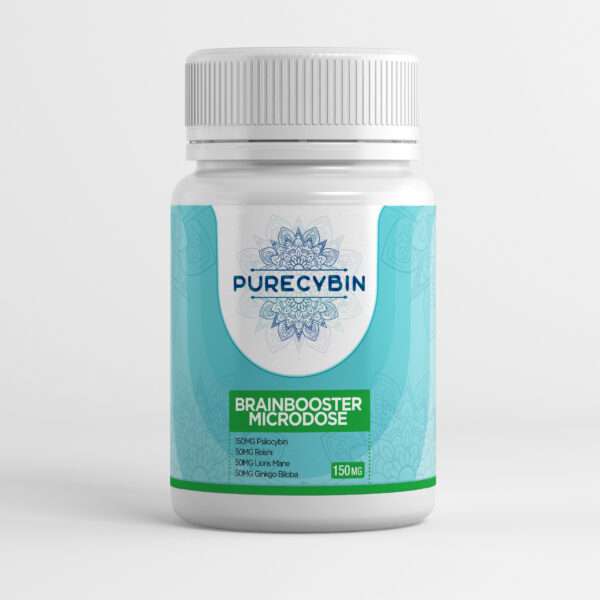
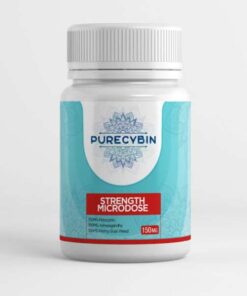
Purecybin Brainbooster Blend – 150mg Microdose (30 Capsules)
$105.00
| Feature | Detail |
|---|---|
| Product Name | Purecybin Brainbooster Blend 150mg |
| Dose Per Capsule | 150mg |
| Category | Psilocybin Microdose |
| Target Use | Focus, Mood, Cognitive Support |
| Primary Protocol | Fadiman Protocol |
| Key Co-Ingredients | Lion’s Mane, Niacin, L-Theanine, Cordyceps |
| Typical Bottle Size | 30 Capsules |
| Evidence Level | Mixed — see Clinical Evidence Summary below |
| Safety Note | Medical consultation recommended before use |
| Legal Status | Jurisdiction-dependent — verify locally |
Purecybin Brainbooster Blend 150mg: A Science-Based Review of Ingredients, Effects, and Protocols
What Is Purecybin Brainbooster Blend 150mg?
Purecybin Brainbooster Blend 150mg is a psilocybin microdosing product marketed for cognitive support, mood stability, and focus. A 150mg dose typically falls within the commonly discussed sub-perceptual microdose range, although actual effects depend on potency, individual sensitivity, and product formulation. Current scientific evidence supports ongoing research into psilocybin while remaining inconclusive regarding routine cognitive enhancement from microdosing.
Purecybin Brainbooster Blend 150mg is a commercially available microdosing capsule targeting focus, mood regulation, and cognitive performance. This guide examines how psilocybin activates 5-HT2A serotonin receptors and modulates default mode network connectivity, reviews peer-reviewed evidence on neuroplasticity, Brain-Derived Neurotrophic Factor (BDNF), and synaptic plasticity, and compares structured dosing protocols including the Fadiman Protocol and Stamets Stack. It evaluates Purecybin Brainbooster ingredients for transparency and scientific plausibility, addresses medication interactions with SSRIs, MAOIs, and lithium, explains psilocybin pharmacokinetics and bioavailability, clarifies the evolving legal landscape, and distinguishes between well-supported findings and claims that remain speculative or preclinical. Practical safety guidance, evidence grading, and product comparison criteria are included throughout.
Purecybin Brainbooster Blend 150mg: At a Glance
| Feature | Detail |
|---|---|
| Product Name | Purecybin Brainbooster Blend 150mg |
| Dose Per Capsule | 150mg |
| Category | Psilocybin Microdose |
| Target Use | Focus, Mood, Cognitive Support |
| Primary Protocol | Fadiman Protocol |
| Key Co-Ingredients | Lion’s Mane, Niacin, L-Theanine, Cordyceps |
| Typical Bottle Size | 30 Capsules |
| Evidence Level | Mixed — see Clinical Evidence Summary below |
| Safety Note | Medical consultation recommended before use |
| Legal Status | Jurisdiction-dependent — verify locally |
Why Purecybin Brainbooster Blend 150mg Deserves Careful Evaluation
Interest in psilocybin microdosing has accelerated significantly over the past decade, driven by early clinical findings, anecdotal reports from professional communities, and broader cultural acceptance of psychedelic-assisted cognitive tools. Within this expanding market, Purecybin Brainbooster Blend 150mg has emerged as a product positioned at the intersection of functional mushroom supplementation and sub-perceptual psilocybin dosing.
The appeal is understandable. If a dose can be kept low enough to avoid perceptual disruption while still influencing serotonergic activity, neuroplasticity markers, and executive function, the cognitive enhancement potential is significant. But that conditional premise — if the dose is accurate, if the formulation is transparent, if the individual is a suitable candidate — demands scrutiny that marketing language rarely provides.
This review applies that scrutiny. It evaluates what is currently known about 150mg psilocybin capsule effects, how Purecybin Brainbooster ingredients align with published research, which dosing protocols are most evidence-informed, and where the science remains genuinely uncertain. Readers seeking to understand not just what this product claims, but whether those claims hold up, will find a structured, citation-ready framework here.
What Is Purecybin Brainbooster Blend 150mg?
Purecybin Brainbooster Blend 150mg is a psilocybin microdosing capsule formulated for sub-perceptual cognitive support. It combines dried Psilocybe cubensis at 150mg with functional co-ingredients including Lion’s Mane (Hericium erinaceus), niacin (Vitamin B3), L-theanine, and Cordyceps. The product is designed to be taken according to a structured microdosing protocol — most commonly the Fadiman Protocol — and is marketed for improvements in focus, mood stability, and cognitive flexibility. Effectiveness depends on formulation accuracy, individual neurochemistry, and protocol adherence. Always verify current formulation details through the manufacturer’s published documentation.
Purecybin Brainbooster Blend 150mg Review: Ingredients, Science, and Safety
The scientific credibility of any nootropic microdose stack for focus rests on three questions: Are the ingredients biologically plausible? Are they present at effective doses? Is the formulation disclosed transparently?
Psilocybin (as Dried Psilocybe cubensis)
The primary active compound in Purecybin Brainbooster Blend 150mg is psilocybin, a naturally occurring tryptamine that undergoes rapid dephosphorylation in the body to produce psilocin. Psilocin acts as a partial agonist at 5-HT2A serotonin receptors, with particular concentration in cortical regions associated with executive function, sensory integration, and self-referential processing.
At sub-perceptual doses, the proposed mechanism is not acute perceptual alteration but rather a sustained, low-level shift in serotonergic tone and default mode network connectivity. Research published in Neuropsychopharmacology and Proceedings of the National Academy of Sciences has documented reduced DMN activity following psilocybin administration, a pattern associated with reduced rumination and increased cognitive flexibility in clinical populations.
What the evidence supports: Acute 5-HT2A receptor agonism, transient DMN modulation, and mood-relevant neurochemical shifts at therapeutic doses.
What remains uncertain: Whether sub-perceptual doses produce these effects with sufficient consistency or magnitude to translate into measurable cognitive gains in healthy individuals.
Lion’s Mane (Hericium erinaceus)
Psilocybin and Lion’s Mane stack benefits represent the most scientifically defensible pairing in functional mushroom nootropic stacks. Lion’s Mane contains hericenones and erinacines — bioactive compounds demonstrated in preclinical research to stimulate Nerve Growth Factor (NGF) synthesis and support neurotrophic activity.
A 2009 double-blind, placebo-controlled trial published in Phytotherapy Research (Mori et al.) found that Lion’s Mane supplementation significantly improved cognitive function scores in adults with mild cognitive impairment compared to placebo. More recent preclinical research has identified rapid-acting neuroregenerative properties, with one 2023 study from the University of Queensland identifying a compound that directly promotes neuronal growth.
The rationale for combining Lion’s Mane with psilocybin: Psilocybin may increase BDNF expression acutely, while Lion’s Mane appears to support NGF-driven neuroregeneration over longer timescales. Together, the stack targets complementary arms of the neuroplasticity and synaptic plasticity cascade — a hypothesis that underlies the popularity of the Stamets Stack.
The critical caveat: Most Lion’s Mane research has used specific standardized extracts. Whole fruiting body products vary substantially in hericenone and erinacine content, making dose and extraction method central to any honest ingredient evaluation.
Niacin (Vitamin B3)
Niacin’s inclusion in psilocybin microdose formulations — most prominently in the Stamets Stack — is attributed to its vasodilatory properties and proposed enhancement of bioavailability. Mycologist Paul Stamets has proposed that niacin-induced peripheral vasodilation may improve the distribution of psilocybin and Lion’s Mane compounds, potentially optimizing pharmacokinetic delivery.
This mechanism is theoretically coherent but has not been validated in peer-reviewed clinical trials. Niacin produces a well-characterized flushing response in many individuals, particularly at doses above 50mg. Individuals with hepatic conditions, gout, or those taking statins should consult a physician before use.
L-Theanine
L-theanine, an amino acid found in green tea, promotes alert calmness — a cognitive state characterized by elevated alpha-wave brain activity without sedation. Its anxiolytic properties may buffer edge-case anxiety responses in sensitive microdosers and support emotional regulation during dosing periods.
A 2019 systematic review in Nutrients found consistent evidence that L-theanine, both alone and in combination with caffeine, improved attention and reduced anxiety-related cognitive interference. Its inclusion in a nootropic microdose stack for focus is pharmacologically reasonable, particularly for users with baseline anxiety sensitivity.
Cordyceps
Cordyceps (Cordyceps militaris and Cordyceps sinensis) are functional mushrooms associated with mitochondrial energy support and adaptogenic stress modulation. Their contribution to cognitive enhancement is more indirect than Lion’s Mane — operating primarily through systemic energy regulation, adenosine pathway modulation, and ATP production enhancement rather than direct neurochemical action. Human clinical data is more limited than preclinical findings, but Cordyceps is generally well-tolerated.
Key Definitions Glossary
BDNF (Brain-Derived Neurotrophic Factor)
A protein that supports the survival, growth, and maintenance of neurons. BDNF plays a critical role in synaptic plasticity, long-term memory consolidation, and neurogenesis. It is frequently studied in relation to psilocybin’s potential neuroplasticity effects.
Default Mode Network (DMN)
A set of interconnected brain regions most active during self-referential thinking, mind-wandering, and rumination. Psilocybin reliably reduces DMN connectivity at therapeutic doses, a pattern associated with decreased depression and increased cognitive flexibility.
Neuroplasticity
The brain’s capacity to reorganize neural connections in response to experience, learning, and environmental change. Neuroplasticity underlies learning, recovery from injury, and is a primary proposed mechanism for psilocybin’s therapeutic effects.
Synaptic Plasticity
The ability of synapses — the connections between neurons — to strengthen or weaken over time in response to activity. Synaptic plasticity is the cellular mechanism underlying learning and memory formation.
5-HT2A Receptor
A subtype of serotonin receptor to which psilocin (the active metabolite of psilocybin) binds as a partial agonist. 5-HT2A agonism in the prefrontal cortex is the primary mechanism through which psilocybin produces its psychological and neurological effects.
Psilocin
The pharmacologically active metabolite produced when psilocybin is dephosphorylated in the body. Psilocin crosses the blood-brain barrier and directly engages 5-HT2A and other serotonin receptor subtypes.
Microdose
A sub-threshold dose of a psychedelic compound — typically 5–10% of a standard psychoactive dose — intended to produce neurochemical effects without perceptual alteration or functional impairment.
NGF (Nerve Growth Factor)
A neurotrophic protein essential for the growth, maintenance, and survival of neurons, particularly in the peripheral and central nervous systems. Lion’s Mane mushroom has been shown in preclinical research to stimulate NGF synthesis.
Pharmacokinetics
The study of how a substance is absorbed, distributed, metabolized, and eliminated by the body. Understanding psilocybin’s pharmacokinetics is essential for evaluating dosing accuracy, onset timing, and duration of effect.
Cognitive Flexibility
The mental capacity to switch between thinking about different concepts, adapt to new information, and consider multiple perspectives simultaneously. Cognitive flexibility is frequently cited as a target outcome in psilocybin microdosing research.
What Is Sub-Perceptual Microdosing?
Sub-perceptual microdosing is the practice of taking a psychedelic compound at a dose low enough to avoid hallucinations, dissociation, or significant sensory alteration while still engaging the compound’s neurochemical mechanisms — particularly 5-HT2A receptor agonism and default mode network modulation. The goal is functional neurochemical engagement without impairment of daily cognitive or social performance.
In practical terms, a sub-perceptual dose of psilocybin is generally defined as approximately 5–10% of a typical recreational or therapeutic dose. For dried Psilocybe cubensis, this translates to a range of roughly 50mg to 300mg of dried mushroom material, depending on body weight, neurochemical baseline, cultivar potency, and individual 5-HT2A receptor sensitivity.
At 150mg, Purecybin Brainbooster Blend 150mg positions itself within the mid-range of this sub-perceptual window. This is neither a negligible dose nor one that crosses into psychoactive territory under most circumstances. However, mushroom potency is not uniform across cultivars or batches.
The sub-perceptual threshold is individual, not universal. A dose calibrated for sub-perceptual effects in one person may cross perceptual thresholds in another. This variability justifies caution, not avoidance — but it does mean that any fixed-dose product should be treated as a starting reference point rather than a guaranteed experience.
How a 150mg Psilocybin Microdose Is Processed in the Body
Pharmacokinetics of Purecybin Brainbooster Blend 150mg
Understanding psilocybin pharmacokinetics is essential for interpreting the 150mg psilocybin capsule effects timeline and for evaluating dosing protocol design.
When a 150mg capsule of dried Psilocybe cubensis is ingested, psilocybin — the prodrug — is rapidly dephosphorylated by alkaline phosphatase enzymes, primarily in the gut and liver, converting it to psilocin. Psilocin is the pharmacologically active form that crosses the blood-brain barrier and engages 5-HT2A receptors in the prefrontal cortex, default mode network, and other serotonin-dense regions.
Pharmacokinetic Timeline
| Time After Ingestion | Physiological Process |
|---|---|
| 0–30 minutes | Capsule dissolution; psilocybin absorption begins in the small intestine |
| 30–60 minutes | Dephosphorylation to psilocin; psilocin enters systemic circulation |
| 60–90 minutes | Peak plasma concentration of psilocin; 5-HT2A engagement at its most active |
| 2–4 hours | Sustained receptor agonism; sub-perceptual effects window at microdose levels |
| 4–6 hours | Psilocin clearance via hepatic metabolism; effects diminish |
| 6–8 hours | Near-complete elimination in most individuals |
| 24 hours | Negligible residual psilocin; baseline neurochemistry restored |
Key pharmacokinetic implications for microdosing:
- Bioavailability of psilocin from whole dried mushroom material varies based on capsule preparation, individual digestive efficiency, and stomach contents at time of dosing. Fasting may accelerate onset; food may moderate it.
- Tolerance to 5-HT2A receptor stimulation develops within days of consecutive dosing, which is the primary pharmacokinetic rationale for the rest days built into the Fadiman Protocol.
- At 150mg, plasma psilocin concentrations are expected to remain well below the threshold associated with perceptual alteration — but individual variation in receptor sensitivity and enzymatic metabolism means onset time and effect magnitude will differ between users.
- Glutamate signaling is also influenced by 5-HT2A engagement, contributing to the cortical connectivity shifts observed in neuroimaging studies and potentially relevant to cognitive flexibility outcomes.
Clinical takeaway: Psilocybin is a well-characterized compound pharmacokinetically. Its conversion to psilocin, receptor binding profile, and elimination timeline are established. What remains uncertain is whether 150mg of whole dried mushroom material delivers pharmacokinetically sufficient psilocin levels to produce consistent neurochemical effects — a question that third-party potency verification and COA documentation directly address.
Microdosing for Neurogenesis and BDNF: What Does the Research Actually Show?
Animal and laboratory studies suggest psilocybin can influence pathways associated with BDNF and neuroplasticity. However, there is currently insufficient high-quality human evidence demonstrating that routine microdosing consistently increases BDNF or produces lasting cognitive enhancement in healthy populations.
Microdosing for neurogenesis and BDNF is among the most frequently cited — and most frequently overstated — claims in the psilocybin supplement space. A structured reading of the available evidence reveals a more nuanced picture.
What the research confirms:
- Psilocybin has been shown to increase BDNF expression in animal models, with effects observed in the hippocampus and prefrontal cortex — regions critical to memory consolidation and executive function.
- A 2021 study published in Cell Reports demonstrated that psilocybin promoted structural neuroplasticity, including dendritic spine density increases, in rodent models of depression — a finding relevant to both synaptic plasticity and emotional regulation.
- BDNF upregulation is associated with improved synaptic plasticity, mood resilience, and cognitive flexibility across multiple research frameworks.
- Cortical connectivity changes following psilocybin administration have been documented in human neuroimaging studies, suggesting that the neuroplasticity mechanisms observed in animal models have correlates in human brain function.
What remains unconfirmed in humans:
- Whether sub-perceptual doses in healthy humans consistently replicate the BDNF and neuroplasticity effects observed at higher doses in clinical and preclinical settings.
- Whether repeated low-dose exposure produces cumulative neuroplastic change or whether tolerance mechanisms attenuate the neurochemical signal over time.
- Whether BDNF increases, when observed, translate into measurable improvements on standardized cognitive performance metrics.
The honest synthesis: The neuroplasticity hypothesis for psilocybin microdosing is scientifically coherent and supported by directional evidence. It is not yet supported by the kind of large-scale, placebo-controlled human trials that would justify confident efficacy claims. Researchers including Matthew Johnson (Johns Hopkins) and Robin Carhart-Harris (UCSF) have consistently emphasized that promising early findings require replication at scale before clinical conclusions can be drawn.
Psilocybin and Lion’s Mane Stack Benefits
The psilocybin and Lion’s Mane stack targets two complementary neuroplasticity pathways: psilocybin’s acute BDNF-associated serotonergic modulation and Lion’s Mane’s sustained NGF-stimulating neurotrophic activity. Together, they form the theoretical basis of the Stamets Stack — a combination with a plausible mechanistic rationale but limited human clinical trial validation.
Why this pairing is scientifically defensible:
- Psilocybin’s 5-HT2A agonism acutely shifts serotonin tone, reduces DMN overactivity, and may transiently elevate BDNF expression — effects that are rapid but short-lived.
- Lion’s Mane hericenones and erinacines stimulate NGF synthesis through a slower, more sustained neuroregeneration pathway, supporting neuronal growth and synaptic plasticity over weeks of consistent use.
- The two mechanisms are complementary rather than redundant. Combining them theoretically supports both immediate cortical connectivity changes and longer-term structural neuroplasticity.
What the evidence does not yet confirm: Whether this combination in a commercial capsule — at the specific doses present in Purecybin Brainbooster Blend 150mg — replicates the effects observed in preclinical and early clinical research. Ingredient form, extraction quality, and dose accuracy all influence whether the theoretical synergy translates into measurable outcomes.
Comparing Microdosing Protocols: Fadiman vs. Stamets
The Fadiman Protocol at 150mg
The Fadiman Protocol 150mg schedule — developed by psychologist and researcher James Fadiman — prescribes a cycle of one dosing day followed by two consecutive non-dosing days. The pharmacokinetic rationale is precise: psilocin is metabolized within approximately six to eight hours, but 5-HT2A receptor tolerance develops over a longer window. The two rest days prevent tolerance accumulation and create natural baseline comparison points for observing genuine effects versus expectancy.
At 150mg, this means dosing on Day 1, observing on Days 2 and 3, and resuming on Day 4. Fadiman’s dataset — drawn from thousands of self-experimenter submissions — reports improvements in mood, creativity, and focus without impairment of daily cognitive tasks.
Critical note: Fadiman’s dataset, while large, is entirely self-reported and subject to significant expectancy bias. It does not constitute clinical evidence, though it has value as structured observational data and has informed the design of subsequent controlled studies.
The Stamets Stack
The Stamets Stack combines psilocybin, Lion’s Mane, and niacin in a dosing pattern of five days on, two days off. Paul Stamets has proposed that this combination may accelerate neurogenesis beyond what psilocybin achieves alone, with Lion’s Mane providing sustained NGF support and niacin enhancing bioavailability through peripheral vasodilation.
The Stamets Stack has attracted significant scientific interest and is the subject of ongoing clinical investigation, but it has not been evaluated in published randomized controlled trials as a combined formulation. Its theoretical basis is stronger than most nootropic stacks, but consumers should distinguish between hypothesis and established clinical evidence.
Protocol Comparison Table
| Protocol | Dosing Frequency | Primary Proposed Benefit | Evidence Level |
|---|---|---|---|
| Fadiman Protocol | 1 day on / 2 days off | Mood, creativity, reduced tolerance | Observational / self-report |
| Stamets Stack | 5 days on / 2 days off | Neurogenesis, cognitive repair | Preclinical / theoretical |
| Every Other Day | Alternating days | Consistent baseline modulation | Anecdotal |
| Intuitive Dosing | As-needed | Flexible self-optimization | No structured evidence |
For individuals new to sub-perceptual microdosing, the Fadiman Protocol offers the best balance of structure, tolerance management, and observability. Its built-in rest days create the comparison points necessary to distinguish genuine neurochemical effects from expectancy.
Sub-Perceptual Microdosing for ADHD: What Does the Evidence Say?
Direct Answer
There is currently insufficient evidence to recommend psilocybin microdosing as an ADHD treatment. Research in this area remains preliminary, methodologically limited, and has not produced findings sufficient to support clinical guidance. Individuals with ADHD should consult a qualified healthcare professional before considering any psychedelic intervention.
Interest in sub-perceptual microdosing for attention-deficit presentations is growing, driven by community reports of improved focus, reduced impulsivity, and better emotional regulation from individuals who self-identify with ADHD traits. These reports are plausible within the neurochemical framework: serotonergic modulation of prefrontal cortical circuits has established relevance to attention regulation, and BDNF-associated synaptic plasticity is implicated in executive function development.
However, plausibility is not clinical evidence.
Current evidence gaps:
- No randomized controlled trials have specifically evaluated psilocybin microdosing in diagnosed ADHD populations.
- Self-reported improvements in ADHD-adjacent symptoms from microdosing survey data are subject to expectancy bias, selection effects, and the absence of validated diagnostic controls.
- ADHD involves complex, heterogeneous neurobiology that extends well beyond serotonergic systems. Dopaminergic and noradrenergic pathways — which current stimulant medications target — are not primary targets of psilocybin pharmacology.
- Individuals with ADHD frequently take stimulant medications (amphetamines, methylphenidate) that have unknown interaction profiles with psilocybin.
The responsible position: Anecdotal reports from the ADHD community are worth scientific attention and have informed ongoing research proposals. They are not a basis for consumer guidance. Anyone with a diagnosed attention disorder considering microdosing should do so only in consultation with the clinician managing their care.
Clinical Evidence Summary
| Application | Evidence Quality | Notes |
|---|---|---|
| Psilocybin-assisted therapy for depression | Strong | Multiple Phase II RCTs; FDA Breakthrough Therapy designation |
| Psilocybin-assisted therapy for end-of-life anxiety | Strong | Replicated across NYU and Johns Hopkins studies |
| Neuroplasticity mechanisms (therapeutic doses) | Moderate | Human neuroimaging + preclinical data convergent |
| Lion’s Mane for mild cognitive impairment | Moderate | Replicated RCT data; extraction standardization matters |
| BDNF upregulation from psilocybin (animal models) | Moderate (preclinical) | Not yet replicated at scale in healthy humans |
| Microdosing for mood and well-being | Limited | Mixed RCT results; expectancy effects significant |
| Microdosing for cognitive enhancement (healthy populations) | Limited | Self-report dominant; placebo-controlled findings mixed |
| Microdosing for ADHD | Insufficient | No clinical trials in diagnosed populations |
| Neurogenesis from microdosing | Preclinical only | Promising; human translation unconfirmed |
| Stamets Stack as combined formulation | Theoretical | No RCT data as a combined intervention |
Summary interpretation: The strongest evidence for psilocybin exists at therapeutic doses in clinical populations under supervised conditions. Evidence for sub-perceptual microdosing in healthy individuals for routine cognitive enhancement is real but limited, and should not be conflated with the therapeutic dose evidence base.
Who Should Avoid Purecybin Brainbooster Blend 150mg?
The following populations should not use Purecybin Brainbooster Blend 150mg or any psilocybin-containing product without explicit medical clearance:
- Individuals with a personal or family history of psychosis, schizophrenia spectrum disorders, or bipolar I disorder
- Anyone currently taking SSRIs, MAOIs, lithium carbonate, or other psychiatric medications (see Medication Interactions section)
- Individuals with active cardiovascular conditions (psilocybin produces transient increases in heart rate and blood pressure)
- Pregnant or breastfeeding individuals (safety data is absent)
- Individuals under 25 years of age, as the prefrontal cortex remains in active development
- Anyone with a history of challenging psychedelic experiences, particularly those involving persistent perceptual disturbances
- Individuals in jurisdictions where psilocybin possession or use is illegal under applicable law
This list is not exhaustive. Medical consultation before use is the appropriate standard for any individual considering a psilocybin-containing product.
Should I Consider Microdosing? A Decision Framework
Step 1: Legal status
Is psilocybin legal or decriminalized in your jurisdiction? If not, the legal risk must be evaluated before any other consideration.
Step 2: Medical history
Do you have a personal or family history of psychosis, bipolar I disorder, or schizophrenia? If yes, psilocybin use is contraindicated without specialist input.
Step 3: Current medications
Are you taking SSRIs, MAOIs, lithium, or other psychiatric medications? If yes, consult your prescribing physician before proceeding.
Step 4: Objective clarity
Have you identified a specific, measurable cognitive or mood-related goal? Microdosing without a defined objective makes it difficult to assess whether any effect is real or attributable to expectancy.
Step 5: Protocol selection
Have you selected and understood a structured protocol (Fadiman Protocol or Stamets Stack)? Unstructured, ad hoc dosing increases tolerance risk and reduces observational value.
Step 6: Product verification
Can you verify third-party testing, ingredient transparency, and dose accuracy for the specific product you are considering?
Step 7: Baseline measurement
Have you established a pre-dosing baseline for the outcomes you intend to track — mood, focus, sleep, anxiety?
Only individuals who can answer these steps affirmatively and have appropriate medical clearance are positioned to evaluate microdosing with meaningful self-awareness.
Safety, Medication Interactions, and Contraindications
Psilocybin and SSRIs
The most clinically significant interaction involves selective serotonin reuptake inhibitors. Chronic SSRI use produces compensatory downregulation of 5-HT2A receptors — the same receptors through which psilocybin exerts its primary effects. This pharmacodynamic conflict means SSRI users may experience significantly blunted psilocybin responses, and in some cases, unpredictable neurochemical interactions. Abruptly discontinuing SSRIs to “clear” the interaction is dangerous and should never be undertaken without medical supervision.
Psilocybin and MAOIs
Monoamine oxidase inhibitors increase serotonin availability through a mechanism entirely different from SSRIs. Co-administration of psilocybin with MAOIs can produce serotonin syndrome — a potentially life-threatening condition characterized by hyperthermia, autonomic instability, and neuromuscular abnormalities. This combination is absolutely contraindicated without direct medical supervision.
Psilocybin and Lithium
Case reports and pharmacological analysis suggest that psilocybin combined with lithium carbonate may lower the seizure threshold. This interaction warrants serious clinical concern. Use of any psilocybin-containing product is contraindicated in individuals on lithium therapy without explicit medical clearance.
Caffeine Combinations
Many users combine caffeine with Purecybin Brainbooster Blend 150mg without reported adverse effects. However, caffeine’s anxiogenic properties may compound anxiety sensitivity at the 5-HT2A level in susceptible individuals. Users with anxiety-prone profiles should introduce either substance independently before combining, and caffeine intake should be moderated during initial microdosing periods.
Psychological Sensitivity
Even at sub-perceptual doses, psilocybin can amplify existing anxiety or psychological distress in vulnerable individuals. Those with anxiety disorders, trauma histories, or significant acute life stressors should approach microdosing with additional caution and clinician involvement.
Evaluating Product Quality: What to Look for Before You Buy Purecybin Capsules
For consumers considering where to buy Purecybin capsules in the USA, product quality evaluation should center on four verifiable criteria:
1. Third-Party Laboratory Testing
Any credible psilocybin microdose product should be accompanied by third-party certificates of analysis (COAs) from accredited laboratories, confirming psilocybin content, potency accuracy, and the absence of contaminants including heavy metals, pesticides, and microbial agents. Without a COA, dose accuracy cannot be independently verified.
2. Ingredient and Dose Transparency
A transparent formulation discloses the quantity of each ingredient, not merely its presence. Proprietary blends listing ingredients without quantities make it impossible to assess whether any component is present at a pharmacologically relevant dose — a common practice that undermines informed consumer decision-making and violates reasonable quality standards.
3. Cultivation and Sourcing Documentation
The psilocybin potency of dried Psilocybe cubensis varies by cultivar, growing conditions, and post-harvest processing. Products that document mushroom source, cultivation method, and extraction or drying process provide a stronger basis for dosing reliability and consistency across batches.
4. Legal Positioning and Disclosure Practices
Reputable vendors operating in legally permissible jurisdictions clearly state the applicable legal framework and avoid unsubstantiated medical claims. The presence of vague wellness language combined with an absence of legal disclosure is a meaningful quality signal — and not a favorable one.
Purecybin Brainbooster Blend 150mg vs. Competing Microdose Products
The best microdose capsules for cognitive enhancement can be evaluated consistently across six criteria: dose accuracy, ingredient synergy, formulation transparency, protocol alignment, legal compliance, and user safety education. Purecybin Brainbooster Blend 150mg should be assessed against these criteria — not against marketing claims.
| Comparison Axis | Purecybin Brainbooster 150mg | Lion’s Mane Alone | Caffeine + L-Theanine | Modafinil | Generic Microdose Capsule |
|---|---|---|---|---|---|
| Mechanism | 5-HT2A + neurotrophin | Neurotrophin (NGF) | Adenosine + alpha waves | Dopamine / histamine | 5-HT2A |
| Evidence level | Mixed (see summary) | Moderate | Moderate-Strong | Strong (narcolepsy) | Variable |
| Sub-perceptual | Yes (at 150mg) | Yes | Yes | No | Variable |
| Neuroplasticity target | Yes | Yes | No | No | Variable |
| COA requirement | Essential | Recommended | N/A | Rx only | Essential |
| Legal complexity | High | Low | None | High (Rx) | High |
| Medical interaction risk | Significant | Low | Low | Significant | Significant |
Key insight: Psilocybin-based microdose products operate in a pharmacological and legal category of meaningfully higher complexity than most cognitive supplements. That complexity is not a disqualification — it is a reason for higher quality standards, greater transparency, and more rigorous user education than the supplement market typically provides.
Legal Status of Psilocybin: A Jurisdiction-by-Jurisdiction Reality
The legal status of psilocybin in the United States is neither uniform nor static. Consumers considering buying Purecybin capsules in the USA must verify the specific laws applicable to their state and municipality before purchasing or possessing any psilocybin-containing product.
Federal law: Psilocybin is a Schedule I controlled substance under the Controlled Substances Act — defined as having no currently accepted medical use and high potential for abuse under federal jurisdiction.
Oregon (Measure 109): Legalized supervised psilocybin services through licensed service centers, with a regulatory framework operational as of 2023.
Colorado (Proposition 122): Established a natural medicine health act permitting regulated access, with implementation ongoing.
Municipal decriminalization: Several cities — including Denver, Oakland, Santa Cruz, Ann Arbor, and Seattle — have decriminalized psilocybin possession at the local level. Decriminalization is legally distinct from legalization and does not create a lawful commercial market.
The practical implication: Federal law supersedes local decriminalization measures. Online commerce in psilocybin products across state lines raises additional federal jurisdiction concerns. Consumers bear full responsibility for verifying and complying with applicable law.
Key Takeaways
- Purecybin Brainbooster Blend 150mg is a mid-range sub-perceptual microdose product combining psilocybin with functional mushroom co-ingredients targeting neuroplasticity and focus.
- 150mg of dried Psilocybe cubensis is designed to remain below the perceptual threshold, but individual responses vary based on cultivar potency, body weight, and 5-HT2A receptor sensitivity.
- Psilocybin pharmacokinetics are well-characterized: conversion to psilocin occurs within 30–60 minutes, peak effects at 60–90 minutes, near-complete elimination by 6–8 hours.
- The Fadiman Protocol (1 day on / 2 days off) is the most structured and tolerance-aware starting protocol for new microdosers using a 150mg dose.
- BDNF and neurogenesis claims are supported by directional preclinical evidence but are not yet confirmed by large-scale placebo-controlled human trials in healthy populations.
- Lion’s Mane and psilocybin together target complementary neuroplasticity pathways — BDNF-associated serotonergic modulation and NGF-driven neuroregeneration — making them the most scientifically defensible ingredient pairing in this category.
- Medication interactions with SSRIs, MAOIs, and lithium range from pharmacodynamic blunting to life-threatening risk. Medical clearance is non-negotiable for individuals on psychiatric medications.
- Sub-perceptual microdosing for ADHD is not supported by clinical evidence. Preliminary anecdotal interest is not a basis for therapeutic guidance.
- Third-party COA verification and full ingredient dose disclosure are the minimum quality standards for any psilocybin microdose product.
- Legal status varies dramatically by jurisdiction. Federal Schedule I classification persists regardless of local decriminalization measures.
- Current evidence supports therapeutic psilocybin applications under medical supervision more strongly than routine cognitive enhancement through microdosing. Consumers should apply this evidence hierarchy when evaluating product claims.
Frequently Asked Questions
What is Purecybin Brainbooster Blend 150mg?
Purecybin Brainbooster Blend 150mg is a psilocybin microdosing capsule formulated for sub-perceptual cognitive support, mood stability, and focus. It combines 150mg of dried Psilocybe cubensis with functional co-ingredients including Lion’s Mane, niacin, L-theanine, and Cordyceps. Claimed effects should be evaluated against published research rather than marketing assertions. Verify current formulation details through the manufacturer’s documentation.
What are the expected effects of a 150mg microdose?
A 150mg psilocybin microdose may produce subtle shifts in mood, attentional quality, or cognitive flexibility rather than pronounced psychoactive effects. Individual responses differ considerably based on neurochemistry, baseline psychological state, and product potency. Placebo-controlled studies have produced mixed results, and a portion of self-reported improvements may reflect expectancy effects rather than direct pharmacological action.
Does a 150mg microdose cause hallucinations?
For most individuals, 150mg falls within the accepted sub-perceptual range and should not produce hallucinations under normal circumstances. However, mushroom potency varies by cultivar and batch, and individual 5-HT2A receptor sensitivity differs significantly. Sub-perceptual intent does not guarantee sub-perceptual outcome in every case, which is why starting with conservative doses and monitoring individual response is advisable.
What is the Fadiman Protocol?
The Fadiman Protocol is a structured microdosing schedule prescribing one dosing day followed by two non-dosing days, repeating cyclically. Developed by psychologist James Fadiman from aggregated self-experimenter data, its design prioritizes tolerance prevention through pharmacokinetically informed rest periods and baseline observation. It is not a validated medical treatment protocol and has not been tested in randomized controlled trials.
Can Purecybin Brainbooster Blend 150mg be taken with coffee?
Caffeine and psilocybin microdosing are frequently combined without adverse effects in the general microdosing literature. However, caffeine’s anxiogenic properties may compound anxiety sensitivity in individuals susceptible to stimulant effects or 5-HT2A activation. Users with anxiety-prone profiles should introduce each substance independently before combining them. Consultation with a healthcare provider is appropriate.
Are there medication interactions with psilocybin?
Yes — and some are clinically serious. Psilocybin interacts with SSRIs through 5-HT2A receptor competition, with MAOIs through additive serotonergic risk carrying potential for serotonin syndrome, and with lithium carbonate through a potential reduction in seizure threshold. These interactions carry documented clinical risk. Any individual taking psychiatric medications must obtain medical clearance before using any psilocybin-containing product.
Is there evidence that microdosing improves cognition?
Is there evidence that microdosing increases BDNF? Animal and laboratory studies indicate psilocybin influences pathways associated with BDNF and neuroplasticity. However, there is currently insufficient high-quality human evidence demonstrating that routine microdosing consistently increases BDNF or produces lasting cognitive enhancement in healthy populations. Observational studies and self-report datasets document perceived improvements, but placebo-controlled trials — including a notable 2022 Imperial College London study — indicate that expectancy effects account for a significant proportion of reported benefits.
Is Purecybin Brainbooster Blend 150mg legal in the United States?
Legality depends entirely on jurisdiction. Psilocybin is a Schedule I controlled substance under federal law. Several states and municipalities have decriminalized possession or created regulated access frameworks, but these measures do not override federal classification. Consumers bear full legal responsibility for verifying and complying with the laws applicable to their specific location before purchasing or possessing any psilocybin-containing product.
Conclusion: What the Evidence Supports — and What It Doesn’t
Purecybin Brainbooster Blend 150mg represents a coherent attempt to formalize the most evidence-adjacent combination in the psilocybin microdosing space: a sub-perceptual psilocybin dose paired with Lion’s Mane’s neurotrophic profile, niacin’s bioavailability-enhancing vasodilation, and L-theanine’s anxiolytic modulation. The theoretical framework is scientifically defensible. The ingredient pairings reflect genuine engagement with the neuroplasticity, BDNF, synaptic plasticity, and default mode network connectivity research landscape.
What the available evidence does not yet support is confident, categorical efficacy claims for cognitive enhancement in healthy populations. The neuroplasticity cascade associated with psilocybin is real and documented — but primarily at therapeutic doses, in clinical populations, under controlled conditions. Whether Purecybin Brainbooster Blend 150mg of whole dried mushroom material consistently delivers sufficient psilocin bioavailability to drive measurable neuroplastic change in non-clinical users remains an open empirical question.
Current evidence supports therapeutic applications of psilocybin under medical supervision more strongly than routine cognitive enhancement through microdosing. Consumers should apply this evidence hierarchy when evaluating product claims — distinguishing between what the science has established, what it suggests directionally, and what remains theoretical.
This is not a reason to dismiss microdosing as a practice. It is a reason to engage with it as an informed, self-aware experiment rather than a validated clinical intervention.
Psilocybin microdosing is among the most scientifically interesting areas in contemporary cognitive health research. Purecybin Brainbooster Blend 150mg deserves evaluation on those terms — with ingredient transparency verified, third-party testing confirmed, medication interactions assessed, legal status established, and every efficacy claim measured against what peer-reviewed science has actually demonstrated rather than what marketing language has asserted.
The standard the subject demands is precision. Apply it.
References
- Carhart-Harris, R., et al. (2021). Trial of psilocybin versus escitalopram for depression. New England Journal of Medicine, 384(15), 1402–1411.
- Mori, K., et al. (2009). Improving effects of the mushroom Yamabushitake on mild cognitive impairment. Phytotherapy Research, 23(3), 367–372.
- Szigeti, B., et al. (2021). Self-blinding citizen science to explore psychedelic microdosing. eLife, 10, e62878.
- Ly, C., et al. (2018). Psychedelics promote structural and functional neural plasticity. Cell Reports, 23(11), 3170–3182.
- Nichols, D.E. (2016). Psychedelics. Pharmacological Reviews, 68(2), 264–355.
- Fadiman, J. (2011). The Psychedelic Explorer’s Guide. Park Street Press.
- Carhart-Harris, R., & Nutt, D. (2017). Serotonin and brain function: A tale of two receptors. Journal of Psychopharmacology, 31(9), 1091–1120.
- Ramaekers, J.G., et al. (2021). A placebo-controlled study into microdosing with psilocybin. Journal of Psychopharmacology, 35(4), 384–394.
- Barrett, F.S., et al. (2020). Psilocybin acutely alters the functional connectivity of the claustrum with brain networks that support perception, memory, and attention. NeuroImage, 218, 116980.
- Cameron, L.P., et al. (2021). A non-hallucinogenic psychedelic analogue with therapeutic potential. Nature, 589, 474–479.
This article is intended for educational purposes only and does not constitute medical advice, diagnosis, or treatment. Psilocybin and psilocin are controlled substances in many jurisdictions. Consult a qualified healthcare provider before using any psilocybin-containing product, particularly if you are taking prescription medications or have a personal or family history of psychiatric conditions. The authors and publisher disclaim liability for decisions made based on the information contained herein.
43 reviews for Purecybin Brainbooster Blend – 150mg Microdose (30 Capsules)
Add a review
Related products


Irvin Tate (verified owner) –
More presence, less autopilot.
Jasper Frye (verified owner) –
Quiet transformation over time.
Jessica Garcia (verified owner) –
This was a conversation with my soul, made possible by the care and intention behind this source.
Noelle Savage (verified owner) –
My experience was profound, but what stood out most was how the product was handled with such integrity.
Tessa Doyle (verified owner) –
This felt like more than a psychedelic journey. It felt like support from people who understand what real healing means.
Sean Wood (verified owner) –
You can tell the people behind this take their role seriously. That gave me peace from the moment I hit ‘buy’.
Alfred Marsh (verified owner) –
This journey opened my eyes and softened my heart. I’m so grateful for the professionalism that made it possible.
Roland Peck (verified owner) –
Helps me stay mindful, which is a gift.
Maxwell Boyd (verified owner) –
Helped me find a deep inner stillness. Like I met a calmer version of myself.
Annette Duffy (verified owner) –
Clean energy and emotional openness.
Frank Vaughn (verified owner) –
It was as if my mind rearranged itself gently — no chaos, just clarity.
Annette Duffy (verified owner) –
Zero stomach upset. Just gentle, consistent clarity.
Harmony Beasley (verified owner) –
A little boost for my creativity and mood.
Ariana Griffin (verified owner) –
The clarity I gained helped me release guilt, pain, and a lot of fear. The product was handled beautifully.
Wayne Pratt (verified owner) –
There’s something powerful about knowing your experience matters to the people providing it. That’s exactly how I felt here.
Nathan Phillips (verified owner) –
The feeling of being in control, yet completely open, was powerful. And the professionalism here makes it all possible.
Kyle Howard (verified owner) –
It felt more like a sacred exchange than a transaction — the kind of experience you don’t forget.
Kirk Monroe (verified owner) –
No distractions, no confusion — just a clean, easy journey into myself.
Bryant Levine (verified owner) –
Finally sleeping better and waking up hopeful.
Dakota Watts (verified owner) –
My experience was profound, but what stood out most was how the product was handled with such integrity.
Tanner Paul (verified owner) –
What a beautiful, safe, and transformative experience. I’m incredibly grateful.
Reed Wilkins (verified owner) –
I’ve waited years for something like this — safe, sacred, and available when I was ready.
Maddie Morales (verified owner) –
It just feels… clean.
Ernest Keaton (verified owner) –
Gently rewiring my mind for the better.
Mitchell Weaver (verified owner) –
You don’t just feel the effects — you feel the care behind the product.
Mitchell Yates (verified owner) –
Helps me get into flow state for creative work.
Bianca Barber (verified owner) –
No drama, no noise — just peace, insight, and quality. That’s what this experience gave me.
Konrad McClure (verified owner) –
The mental space I needed to move forward.
Brady Bishop (verified owner) –
The subtle power of this journey was unlike anything I’ve experienced. And knowing it came from a team that values discretion made it even better.
Eugene Ferrell (verified owner) –
These are like little drops of sunshine for my brain.
Shane Hopkins (verified owner) –
The colors were beautiful, yes, but the emotional healing was even more powerful.
Ellie Rowe (verified owner) –
I had no doubt this would be a beautiful trip, but I didn’t expect the emotional clarity I came out with.
Ruby Bailey (verified owner) –
Shipping was completed on schedule.
Elena Russell (verified owner) –
I liked the simple design.
Vanessa Hansen (verified owner) –
I appreciated the careful packaging.
Gary Howard (verified owner) –
The product looked exactly like the photos.
Emily Scott (verified owner) –
Shipping was completed on schedule.
Mia Foster (verified owner) –
I appreciated the quick delivery.
Zachary McDonald (verified owner) –
The quality justified my expectations.
Sandra Robinson (verified owner) –
Shipping was dependable.
Alyssa Cook (verified owner) –
The product matched the description perfectly.
Kathleen Rivera (verified owner) –
The product exceeded my expectations.
Russell Webb (verified owner) –
I liked the clean packaging design.