
No products in the cart.
Psilocybe cyanofibrillosa – Rare Forest Mushroom by Guzmán & Stamets
Price range: $190.00 through $890.00
Psilocybe cyanofibrillosa is a rare, mild psychedelic mushroom known for calming, introspective effects and nature-connected experiences—ideal for beginners and reflective journeys.
Psilocybe cyanofibrillosa: The Rhododendron Psilocybe
Quick Facts: Psilocybe cyanofibrillosa
| Feature | Detail |
|---|---|
| Species | Psilocybe cyanofibrillosa |
| Common Name | Rhododendron psilocybe |
| Family | Hymenogastraceae |
| Order | Agaricales |
| Cap Diameter | 1–4 cm |
| Cap Color | Chestnut-brown (wet) to pale buff (dry) |
| Spore Print | Dark purple-brown to violaceous-brown |
| Spore Dimensions | ~9–12.5 × 5.5–7 µm |
| Blue Bruising | Yes — gradual |
| Substrate | Wood chips, woody debris, mulch |
| Habitat | Floodplains, riparian margins, rhododendron-associated sites |
| Distribution | Northern California, Oregon, Washington, British Columbia |
| Fruiting Season | Autumn to early winter |
| Primary Alkaloids | Psilocybin, psilocin, baeocystin, norbaeocystin |
| MycoBank ID | MB registration — verify current record at MycoBank.org |
| Index Fungorum | IF registration — verify current record at Index Fungorum |
Key Takeaways
- Psilocybe cyanofibrillosa is a lignicolous, saprotrophic mushroom native to the Pacific Northwest coastline, documented from northern California through British Columbia.
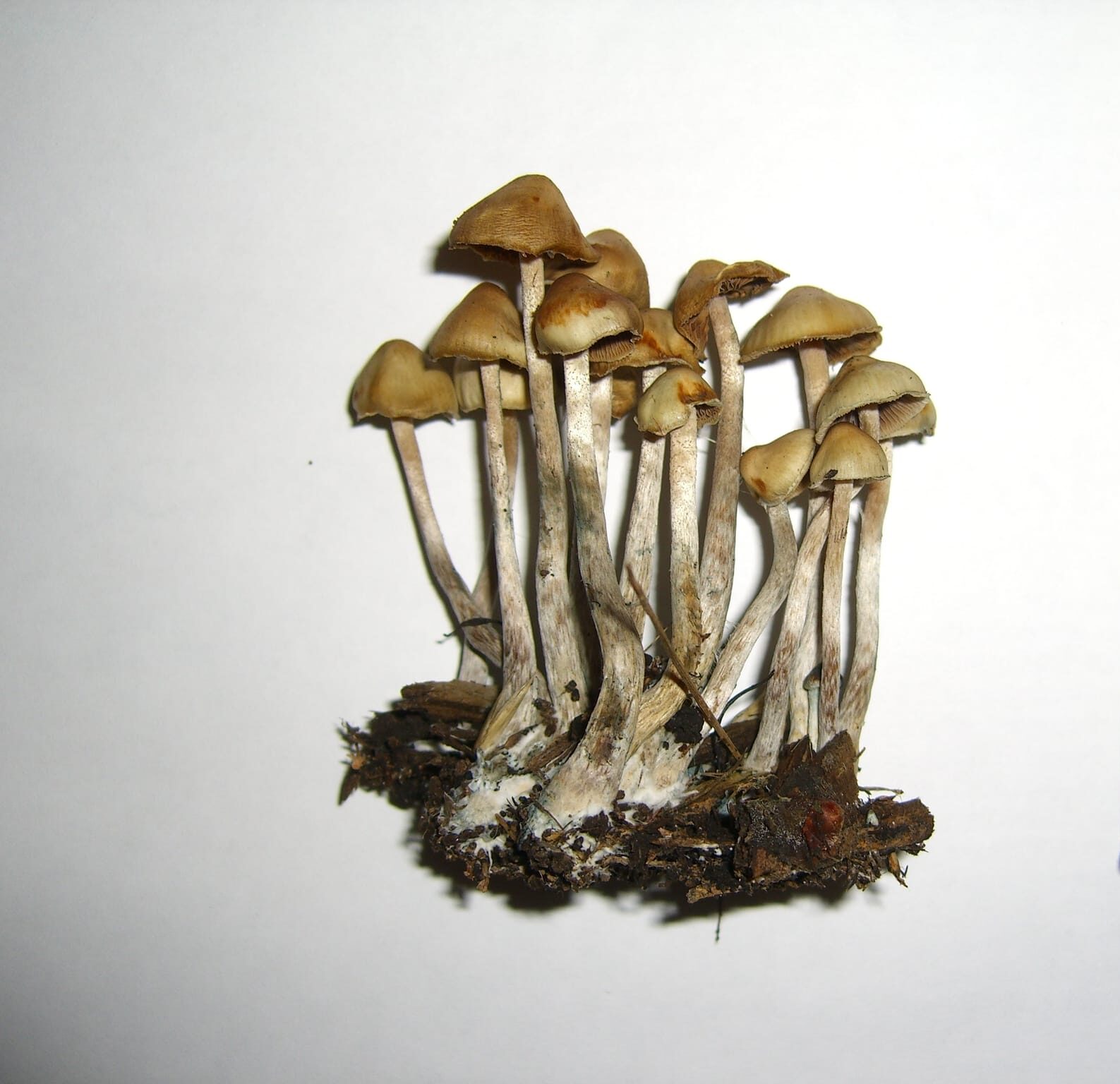
- Its most distinctive macroscopic features are a hygrophanous brown cap, a densely fibrillose stipe, gradual blue bruising, and a dark purple-brown spore print.
- Species-level identification cannot be achieved by macroscopic observation alone — microscopic examination of basidiospore dimensions and cheilocystidia morphology is required.
- Galerina marginata, a species containing lethal amatoxins, shares the same substrate and general morphology; misidentification is a documented cause of fatal poisoning.
- Alkaloid content — primarily psilocybin with secondary contributions from baeocystin and norbaeocystin — is considered lower on average than in Psilocybe cyanescens or Psilocybe azurescens, though reliable species-specific quantification data remain limited.
Psilocybe cyanofibrillosa, commonly called the rhododendron psilocybe, is a wood-decaying mushroom native to the Pacific Northwest. It is distinguished by a hygrophanous brown cap, a heavily fibrillose stipe, slow blue bruising upon tissue damage, a dark purple-brown spore print, and microscopic features — including basidiospore dimensions and cheilocystidia morphology — that separate it from deadly lookalikes such as Galerina marginata.
Psilocybe cyanofibrillosa occupies a narrow ecological niche within the lignicolous fungi of the Pacific Northwest coastline. Documented from northern California, Oregon, Washington, and British Columbia, it fruits on wood chips, woody debris, decomposing mulch, and floodplain substrates — frequently in habitats dominated by Rhododendron macrophyllum, the origin of its common name.
Within the family Hymenogastraceae and the order Agaricales, this species represents a taxonomically and ecologically distinct lineage among wood-loving Psilocybe species. Reliable identification cannot be achieved by macroscopic observation alone. Because Galerina marginata — a species containing lethal amatoxins — fruits in structurally identical habitats and shares several visual characteristics, microscopic examination of basidiospores and cystidia is an essential component of any credible identification protocol.
This guide addresses taxonomy, morphology, ecology, microscopy, chemical profile, comparative identification, legal considerations, conservation, and ethical research frameworks.
Taxonomy and Nomenclature of Psilocybe cyanofibrillosa
Psilocybe cyanofibrillosa was formally described by mycologists Gastón Guzmán and Paul Stamets — two of the most consequential figures in twentieth-century Psilocybe systematics. The species is classified within the family Hymenogastraceae, order Agaricales, and belongs to the wood-loving Psilocybe complex: a functional grouping of saprotrophic, lignicolous species defined by blue bruising, purple-brown spore prints, and tryptamine chemistry.
The epithet cyanofibrillosa is descriptively and taxonomically informative. Cyano references the blue bruising reaction characteristic of psilocybin-containing fungi; fibrillosa denotes the distinctly fibrillose stipe surface that separates this species from morphologically similar relatives.
Taxonomic records for this species are maintained in the following authoritative databases, which should be consulted for current nomenclatural status:
- MycoBank (mycobank.org) — International Mycological Association fungal nomenclature registry
- Index Fungorum (indexfungorum.org) — Species Fungorum nomenclatural database
- GBIF (gbif.org) — Global Biodiversity Information Facility occurrence records
- NAMA — North American Mycological Association regional documentation
Taxonomic Position:
- Kingdom: Fungi
- Division: Basidiomycota
- Class: Agaricomycetes
- Order: Agaricales
- Family: Hymenogastraceae
- Genus: Psilocybe
- Species: P. cyanofibrillosa
Morphology and Psilocybe cyanofibrillosa Identification
Accurate identification of Psilocybe cyanofibrillosa requires the integrated assessment of multiple morphological characters. No single feature is diagnostically sufficient, and field identification without microscopic confirmation carries significant risk.
How Do You Identify Psilocybe cyanofibrillosa?
Reliable identification of Psilocybe cyanofibrillosa requires five categories of evidence assessed together:
- Hygrophanous cap — chestnut-brown when wet, fading to pale buff when dry
- Fibrillose stipe — densely covered in longitudinal silky fibrils
- Blue bruising — gradual green-blue discoloration on damaged tissue
- Purple-brown spore print — dark violaceous-brown deposit on white paper
- Microscopic confirmation — spore dimensions (~9–12.5 × 5.5–7 µm) and cheilocystidia morphology examined at 400×–1000×
No macroscopic character alone is sufficient. Microscopy is required for confident species-level determination.
Cap (Pileus)
The pileus is hygrophanous — it changes color in direct response to moisture content, shifting from rich chestnut or caramel-brown when wet to pale ochraceous buff as it dries. This color transition is diagnostically significant; many dangerous lookalikes are not hygrophanous, and recognizing this character requires observing multiple specimens across varied hydration states. The cap surface is smooth to slightly viscid when moist, with margins that may appear striate when fully hydrated.
Stem (Stipe)
The stipe is the most visually distinctive macroscopic feature of this species. Dense longitudinal silky fibrils — the character encoded in the species epithet — cover the surface and provide a textural distinction from many lookalikes when examined carefully. The stipe is typically whitish to pale brownish, equal or slightly enlarged toward the base, and may exhibit rhizomorphic mycelium at the base under favorable substrate conditions. Rhizomorphic mycelial cords represent an adaptation for resource acquisition across discontinuous woody substrates and are a useful — though not exclusive — contextual indicator.
Gills (Lamellae)
The lamellae are adnate to adnexed, close to crowded, and transition from pale brownish-gray in young specimens to darker gray-purple at maturity as spore deposition accumulates on the gill faces. This color progression is consistent with tryptamine-producing Psilocybe species broadly.
Blue Bruising
Tissue damage to the cap, stipe, or gill surfaces produces blue-green discoloration resulting from the enzymatic oxidation of psilocin — specifically, the oxidative polymerization of psilocin to quinone-type pigments upon cellular disruption. In P. cyanofibrillosa, this reaction is characteristically gradual rather than immediate, a subtle but important distinction from Psilocybe cyanescens, which typically bruises more rapidly. The absence of bruising does not confirm the absence of tryptamine compounds, particularly in aged, dried, or environmentally stressed specimens.
Spore Print
A purple-brown to dark violaceous-brown spore print is a defining feature of the psilocybin-producing Psilocybe clade and provides critical differentiation from Galerina marginata, which deposits a rusty-brown to cinnamon-brown print. Obtaining a clean spore print on white paper before proceeding to microscopic examination is a standard and non-negotiable step in responsible identification protocol.
Microscopy
Macroscopic characters alone cannot provide reliable identification of Psilocybe cyanofibrillosa. Microscopic examination is required to confirm species-level identity and to exclude dangerous lookalikes with confidence.
Answer Block — Why Is Microscopy Required?
Microscopy provides access to three categories of taxonomic evidence unavailable in the field: basidiospore dimensions and germ pore morphology, cheilocystidia and pleurocystidia structure, and reagent reactions including Melzer’s reagent response. These characters are essential for differentiating P. cyanofibrillosa from Galerina marginata and related Psilocybe species. No published authority considers macroscopic examination alone sufficient for species-level determination in this group.
Basidiospores
Published morphological descriptions report smooth, thick-walled, ellipsoid to subrhomboid basidiospores measuring approximately 9–12.5 × 5.5–7 µm, with a distinct apical germ pore. These dimensions partially overlap with related species, making precise measurement essential rather than indicative. Spore measurements should be taken from gill squash mounts in water or dilute KOH from fresh material, with a minimum of twenty individual spores measured to establish a statistically representative mean. Photomicrography of representative spores at 1000× oil immersion constitutes best-practice documentation.
Basidia
The basidia — the spore-bearing cells lining the gill faces — are club-shaped (clavate), typically four-spored, and represent the primary reproductive structures of the basidiocarp. Basidia should be examined as part of a complete microscopic survey to confirm normal development and exclude anomalous morphologies.
Cheilocystidia
The cheilocystidia — sterile cells occurring along the gill edges — are among the most taxonomically critical structures for differentiating P. cyanofibrillosa from lookalike species. Published accounts describe lageniform to fusoid-ventricose cheilocystidia with elongated necks — a morphology distinguishable from the clavate or utriform cystidia found in Galerina marginata. Cheilocystidia should be examined at 400× minimum and documented photographically.
Pleurocystidia
Pleurocystidia — sterile cells on the gill faces rather than edges — are absent or poorly developed in many Psilocybe species, including P. cyanofibrillosa. Their absence, in context, contributes to species differentiation and should be documented.
Microscopy Workflow
Recommended protocol for P. cyanofibrillosa slide preparation and examination:
- Material: Use fresh tissue from mature but not overripe specimens; gill tissue is preferred for spore and cystidial examination.
- Mounting medium: Mount gill squash preparations in 3–5% aqueous KOH for initial examination; transfer to water for spore measurements.
- Objectives: Begin survey at 100×; examine lamellae structure at 200–400×; measure spores and examine cystidia at 600–1000× with oil immersion.
- Spore measurement: Measure a minimum of 20 spores; record length × width; calculate mean and range.
- Reagent testing: Apply Melzer’s reagent to a separate preparation; document inamyloid response (absence of blue-black color reaction).
- Photomicrography: Document spores, cheilocystidia, basidia, and any pleurocystidia at appropriate magnification for voucher records.
- Voucher preservation: Dry remaining material at low heat; store with collection data for potential herbarium deposition.
Reagent Reactions
Melzer’s reagent does not produce an amyloid or dextrinoid reaction with P. cyanofibrillosa spores — the spore wall is inamyloid. This negative result is nonetheless useful for excluding certain confusing species and should be documented as part of a complete microscopic record.
Psilocybe cyanofibrillosa Habitat and Ecology
Answer Block — Where Does Psilocybe cyanofibrillosa Grow?
Psilocybe cyanofibrillosa grows in coastal northern California, Oregon, Washington, and British Columbia. It fruits on wood chips, woody mulch, floodplains, river estuaries, and decomposing woody debris — most frequently in habitats associated with Rhododendron macrophyllum. Fruiting occurs primarily during cool, wet conditions from autumn through early winter.
Psilocybe cyanofibrillosa is a saprotrophic, lignicolous fungus that obtains nutrition by enzymatically degrading lignin and cellulose in woody substrates. This ecological role positions it within the primary decomposer guild of temperate coastal forest systems — a functional group with disproportionate importance to nutrient cycling, soil formation, and carbon turnover in Pacific Northwest ecosystems.
Geographic Range
The documented range of P. cyanofibrillosa is restricted to the Pacific Coast of North America, spanning from northern California through western Oregon and Washington into southern British Columbia. This distribution corresponds closely with the temperate rainforest corridor defined by high annual precipitation, mild maritime winters, and the presence of Rhododendron macrophyllum and associated plant communities. Occurrence records can be verified through GBIF (gbif.org) and regional herbarium databases.
Substrate and Microhabitat
This species fruits on:
- Wood chips and landscape mulch in disturbed or managed habitats
- Decomposing woody debris in riparian floodplains
- Lignin-rich soils in river estuaries and adjacent forest margins
- Garden and urban habitats where Rhododendron plantings are maintained with woody mulch
The association with Rhododendron macrophyllum habitats is ecologically consistent and serves as a useful contextual indicator during field surveys, but is not exclusive — P. cyanofibrillosa has been documented in the absence of rhododendrons where suitable woody substrates occur.
Seasonality and Fruiting Conditions
Fruiting occurs during cool, wet months from autumn through early winter across most of the species’ range, consistent with the phenology of other Pacific Northwest wood-loving Psilocybe species. Fruiting bodies emerge most abundantly following significant rainfall events that break the late summer dry period. Optimal fruiting temperatures are generally reported between approximately 7–16°C (45–60°F), though formal fruiting temperature data specific to P. cyanofibrillosa remain limited in the published literature.
Psilocybe cyanofibrillosa Potency and Chemical Profile
Answer Block — Potency and Alkaloids
Psilocybe cyanofibrillosa contains psilocybin as its primary psychoactive alkaloid, alongside psilocin, baeocystin, and norbaeocystin. Available evidence suggests its total alkaloid concentration is lower on average than that of Psilocybe cyanescens or Psilocybe azurescens. Species-specific quantification data for P. cyanofibrillosa are limited; comparative values from related species provide the most reliable chemical context available in the published literature.
Primary Alkaloids
Psilocybe cyanofibrillosa produces a suite of indole alkaloids characteristic of the psilocybin-containing Psilocybe clade:
- Psilocybin (4-phosphoryloxy-N,N-dimethyltryptamine): The principal alkaloid; a prodrug dephosphorylated to psilocin upon ingestion
- Psilocin (4-hydroxy-N,N-dimethyltryptamine): The pharmacologically active form; responsible for the blue bruising reaction upon enzymatic oxidation in damaged tissue
- Baeocystin (4-phosphoryloxy-N-methyltryptamine): A monomethyl analogue of psilocybin present in variable concentrations; pharmacological activity in humans remains incompletely characterized
- Norbaeocystin (4-phosphoryloxytryptamine): A demethylated tryptamine analogue detected in trace concentrations in several Psilocybe species
Comparative Potency Context
Species-specific alkaloid quantification data for P. cyanofibrillosa are limited in the peer-reviewed literature. The following comparative framework draws from published analyses of related wood-loving Psilocybe species and represents the best available chemical context:
| Species | Reported Psilocybin Range (dry weight) | Relative Potency |
|---|---|---|
| P. azurescens | ~1.0–1.8% | Highest documented in genus |
| P. cyanescens | ~0.5–1.96% | High |
| P. cyanofibrillosa | Limited data; estimated lower than cyanescens | Moderate (estimated) |
| P. cubensis | ~0.1–0.9% | Moderate |
Important caveats: Alkaloid concentrations vary substantially with substrate, developmental stage, geographic population, drying method, and storage conditions. Published concentration data for P. cyanofibrillosa specifically are sparse, and estimates drawn from related species should be interpreted with caution. Peer-reviewed quantification studies targeting this species specifically are needed to establish reliable reference values.
The Blue Bruising Reaction — Chemistry
The blue-green discoloration that occurs when Psilocybe tissue is damaged is a direct consequence of psilocin oxidation. Upon cellular disruption, endogenous phosphatase enzymes dephosphorylate psilocybin to psilocin; psilocin then undergoes rapid oxidative polymerization to form quinone-type blue pigments. The rate of this reaction — gradual in P. cyanofibrillosa relative to P. cyanescens — likely reflects differences in psilocin concentration, phosphatase activity, or both. This reaction is pharmacologically and taxonomically significant: it confirms the presence of psilocin-class compounds but does not provide quantitative information about alkaloid concentration.
Research Context
As psilocybin advances through Phase II and Phase III clinical trials for major depressive disorder, treatment-resistant depression, and related indications, species-level alkaloid characterization across the Psilocybe genus is becoming progressively more important to both pharmacological research and regulatory science. Accurate chemical profiling of P. cyanofibrillosa would contribute to this emerging evidence base. Researchers requiring quantitative alkaloid data should consult primary literature via PubMed, JSTOR, and institutional mycological collections.
Lookalikes and Differentiation
The most consequential identification challenge presented by Psilocybe cyanofibrillosa is its reliable separation from species that share its habitat, substrate, and general morphology. Several of these lookalikes are medically dangerous.
Answer Block — Safety and Lookalikes
The most dangerous lookalike of Psilocybe cyanofibrillosa is Galerina marginata, a mushroom containing lethal amatoxins that grows on identical woody substrates across the Pacific Northwest. Because both species are small, brown, hygrophanous, and often co-fruiting, visual differentiation is unreliable. Researchers must confirm purple-brown spore print color and microscopic characteristics before making any identification. Photographs, whether field images or online references, are not sufficient for reliable differentiation.
Galerina marginata — Critical Danger
Galerina marginata is the single most dangerous lookalike of wood-loving Psilocybe species. It contains alpha-amanitin and related cyclopeptide amatoxins responsible for delayed-onset hepatotoxicity, renal failure, and death. G. marginata fruits on similar woody substrates across the Pacific Northwest and shares a broadly similar hygrophanous cap morphology with Psilocybe species in the same habitats.
Key differentiating features:
- Spore print: rusty-brown to cinnamon (not purple-brown)
- Blue bruising: absent
- Annulus: persistent membranous ring present in many, though not all, specimens
- Spore surface: roughened (verrucose) and dextrinoid under Melzer’s reagent (versus smooth and inamyloid in P. cyanofibrillosa)
- Cystidial morphology: clavate to utriform cheilocystidia (versus lageniform to fusoid-ventricose in P. cyanofibrillosa)
No single visual character reliably excludes Galerina marginata. Spore print color and microscopic examination of spore surface and cystidial morphology are both required for confident differentiation.
Psilocybe cyanescens
Psilocybe cyanescens is the most morphologically similar psilocybin-containing species and presents the most taxonomically challenging comparison. Both species share blue bruising, purple-brown spore prints, lignicolous ecology, and Pacific Northwest distribution. Differentiation relies primarily on cap morphology — P. cyanescens develops a distinctly undulate cap margin at maturity — and stipe surface texture, with P. cyanofibrillosa exhibiting a more prominently fibrillose surface. Spore dimensions and cheilocystidia morphology provide definitive microscopic separation. The two species may co-occur at certain sites.
Leratiomyces ceres
This red-capped wood chip species is superficially distinguished by color but may confuse novice observers unfamiliar with hygrophanous color transitions in variable lighting. It does not produce blue bruising and maintains a reddish-orange cap coloration regardless of hydration state.
Tubaria furfuracea
A common, widely distributed wood-decay species with a similar small-to-medium brown cap. It lacks blue bruising, deposits a rusty-brown spore print, and presents a furfuraceous rather than fibrillose stipe surface.
Cortinarius species
Certain small Cortinarius species co-occur in similar habitats and may present brown caps with similarly colored prints. The presence of a cortina (cobweb-like partial veil) in young specimens, rusty-brown spore deposit color, and absence of blue bruising are the primary differentiating characters. Some Cortinarius species contain nephrotoxic orellanine compounds; confident exclusion is medically important.
Psilocybe cyanofibrillosa vs. Psilocybe cyanescens
Given their overlapping range, ecology, and morphology, direct species comparison warrants detailed treatment.
| Character | P. cyanofibrillosa | P. cyanescens |
|---|---|---|
| Cap margin | Even to slightly wavy | Distinctly undulate at maturity |
| Stipe surface | Densely fibrillose | Silky-fibrous to smooth |
| Blue bruising | Gradual | Typically rapid |
| Spore dimensions | ~9–12.5 × 5.5–7 µm | ~9–12 × 5–8 µm |
| Reported potency | Lower (estimated) | Higher (documented) |
| Habitat | Floodplains, rhododendron debris, mulch | Wood chips, garden mulch, disturbed ground |
| Range | Northern CA to BC | CA to BC; introduced populations in Europe |
Confident species-level separation requires microscopic examination. Macroscopic differentiation alone should not be considered reliable, particularly in mixed or transitional populations.
Psilocybe cyanofibrillosa Spores for Microscopy
The basidiospores of Psilocybe cyanofibrillosa are among its most taxonomically informative structures and represent the primary tool for species-level verification in research and microscopy contexts.
Answer Block — Spore Characteristics
Psilocybe cyanofibrillosa produces smooth, thick-walled, ellipsoid to subrhomboid basidiospores measuring approximately 9–12.5 × 5.5–7 µm with a distinct apical germ pore. The spore wall is inamyloid (non-reactive with Melzer’s reagent). The spore deposit is dark purple-brown to violaceous-brown. Spore dimensions should be confirmed by direct microscopic measurement from fresh or properly preserved gill tissue, with a minimum of twenty spores measured for reliable characterization.
Published spore characteristics:
- Shape: smooth, thick-walled, ellipsoid to subrhomboid
- Dimensions: approximately 9–12.5 × 5.5–7 µm
- Apical germ pore: present and distinct
- Spore wall: inamyloid (non-reactive with Melzer’s reagent)
- Deposit color: dark purple-brown to violaceous-brown
These dimensions are consistent with the wood-loving Psilocybe clade but require measurement against reference material and in conjunction with cystidial characters for definitive species attribution.
Legal Status of Psilocybe cyanofibrillosa
Answer Block — Legality
The legal status of Psilocybe cyanofibrillosa varies by jurisdiction. In the United States, psilocybin and psilocin are Schedule I controlled substances under federal law; fruiting bodies and psilocybin-containing mycelium are federally controlled. Spores — which do not contain scheduled compounds prior to germination — are lawful for microscopy in most states, with documented exceptions in California, Georgia, and Idaho. Laws change frequently at state and municipal levels. Individuals must independently verify current applicable regulations before acquiring or possessing any material.
The legal framework governing P. cyanofibrillosa and related species is determined by overlapping federal, state, and local regulatory instruments in the United States and varies significantly across international jurisdictions.
In the United States:
Psilocybin and psilocin are classified as Schedule I controlled substances under the federal Controlled Substances Act. Fruiting bodies and mycelium containing these compounds are therefore federally controlled regardless of state law.
Spore syringes and spore prints — which do not contain psilocybin or psilocin prior to germination — occupy a distinct and jurisdiction-dependent legal position. Spores are lawful for microscopy purposes in most U.S. states, with documented exceptions:
- California — Psilocybe spore possession explicitly prohibited
- Georgia — Psilocybe spore possession explicitly prohibited
- Idaho — Psilocybe spore possession explicitly prohibited
Several U.S. municipalities — including Denver, Colorado; Oakland and Santa Cruz, California; and others — have enacted local decriminalization measures that modify enforcement priorities without altering federal or state law. Oregon’s Measure 109 established a regulated therapeutic access framework for psilocybin services; this does not affect spore possession law.
This information is provided for educational purposes only and does not constitute legal advice. Laws governing spore possession, cultivation, and possession of fruiting bodies change frequently at state and municipal levels. Individuals must independently verify current federal, state, and local regulations before acquiring or possessing any material associated with Psilocybe species.
Conservation and Ecological Significance
The ecological role of Psilocybe cyanofibrillosa as a saprotrophic decomposer in Pacific Northwest riparian and coastal forest systems extends beyond the species itself. Wood-decaying basidiomycetes are foundational to lignin degradation, nutrient cycling, and soil formation in temperate forest ecosystems. The loss or measurable decline of lignicolous fungal diversity in these habitats would carry demonstrable consequences for ecosystem function at landscape scale.
P. cyanofibrillosa occupies a geographically restricted range, and its core habitat — floodplains, riparian corridors, and plant communities associated with old-growth coastal forest — is subject to ongoing pressure from land conversion, hydrological modification, invasive species competition, and climate-driven changes in regional precipitation patterns.
Conservation status: No formal IUCN Red List assessment has been published for Psilocybe cyanofibrillosa as of the current date. Given its restricted range and habitat specificity, the precautionary principle supports documentation, minimal disturbance during field observation, and institutional voucher deposition as the appropriate default approach for naturalists and researchers.
Ethical field practice includes:
- Photographing rather than collecting where population size is uncertain or small
- Depositing verified voucher specimens with recognized institutional herbaria to support long-term taxonomic and biogeographic research
- Reporting new locality data to regional mycological societies and GBIF
- Avoiding substrate disturbance that would reduce future fruiting potential
- Documenting associated plant communities and substrate characteristics to support ecological research
Ethical Research and Foraging Practices
The intersection of broad public interest in psilocybin-containing fungi and the legitimate scientific study of Psilocybe systematics creates specific ethical responsibilities for researchers, educators, and naturalists engaging with this material.
Responsible engagement with P. cyanofibrillosa and related species requires:
- Accurate communication. Presenting identification claims with appropriate epistemic caution where species-level determination has not been confirmed by microscopy. Macroscopic field photographs are insufficient for species-level publication or public identification advice.
- Legal compliance. Adhering to all applicable federal, state, and local laws governing collection, possession, transport, and documentation of fungal material — including spores.
- Ecological restraint. Limiting collection to quantities strictly necessary for scientific documentation; avoiding repeated disturbance of productive fruiting sites.
- Herbarium deposition. Contributing properly dried, labeled, and documented voucher specimens to publicly accessible institutional herbaria. Voucher records in NAMA-affiliated institutions and regional herbaria constitute the evidentiary foundation of Psilocybe systematics.
- Harm prevention. Consistently and prominently communicating the lethal risk posed by Galerina marginata in any public educational context involving wood-loving Psilocybe species. This is a non-negotiable ethical obligation, not an optional disclaimer.
The scientific value of Psilocybe systematics — particularly as psilocybin-assisted therapies advance through clinical trials and regulatory review — depends on a rigorous, well-documented foundational taxonomy. Citizen naturalists and professional mycologists share responsibility for maintaining that standard.
Frequently Asked Questions
What is Psilocybe cyanofibrillosa?
Psilocybe cyanofibrillosa is a wood-decaying mushroom in the family Hymenogastraceae, documented primarily in the Pacific Northwest. Its defining characteristics include a hygrophanous brown cap, a densely fibrillose stipe, gradual blue bruising upon tissue damage, and a dark purple-brown spore print. Reliable identification requires microscopic examination.
Where does Psilocybe cyanofibrillosa grow?
It grows in coastal northern California, Oregon, Washington, and British Columbia, fruiting on wood chips, woody debris, decomposing mulch, and floodplain substrates — frequently in habitats associated with Rhododendron macrophyllum.
How is Psilocybe cyanofibrillosa identified?
Reliable identification integrates habitat assessment, cap hygrophanosity, blue bruising response, spore print color, and microscopic examination of basidiospore dimensions and cheilocystidia morphology. No single macroscopic character is sufficient for confident species-level determination.
What are the most important lookalikes of Psilocybe cyanofibrillosa?
The most dangerous lookalike is Galerina marginata, which contains lethal amatoxins and co-occurs in identical habitats on identical substrates. Additional lookalikes include Psilocybe cyanescens, Leratiomyces ceres, Tubaria furfuracea, and certain Cortinarius species.
Does Psilocybe cyanofibrillosa grow on wood chips?
Yes. It is a lignicolous, saprotrophic species that characteristically fruits on wood chips, decomposing woody debris, and woody mulch in environmentally suitable locations within its range.
What are the reported spore dimensions of Psilocybe cyanofibrillosa?
Published descriptions report smooth, ellipsoid basidiospores measuring approximately 9–12.5 × 5.5–7 µm with a distinct apical germ pore. Measurements should be confirmed by direct microscopic examination from fresh or properly preserved material.
Is it legal to possess Psilocybe cyanofibrillosa spores in the United States?
Spore legality is jurisdiction-dependent. In most states, spores intended for microscopy do not contain scheduled compounds and may be lawful; however, California, Georgia, and Idaho explicitly prohibit Psilocybe spore possession. Federal law controls psilocybin-containing material. Individuals must independently verify current applicable law.
Why is microscopic analysis required for identification?
Microscopy provides access to spore dimensions, germ pore morphology, cheilocystidia structure, and pleurocystidia presence or absence — taxonomic characters that cannot be assessed in the field but are essential for differentiating P. cyanofibrillosa from visually similar species, including the deadly Galerina marginata.
What temperature does Psilocybe cyanofibrillosa fruit at?
Fruiting is most reliably associated with cool, moist autumn and early winter conditions. Optimal fruiting temperatures are broadly estimated at approximately 7–16°C (45–60°F), consistent with other Pacific Northwest wood-loving Psilocybe species, though formal temperature tolerance data specific to P. cyanofibrillosa are limited in the published literature.
Is Psilocybe cyanofibrillosa rare?
Psilocybe cyanofibrillosa has a geographically restricted range limited to the Pacific Coast of North America and is considered uncommon to locally rare throughout most of its documented distribution. No formal IUCN conservation assessment has been published. It is less frequently encountered than the more broadly distributed Psilocybe cyanescens within the same region.
Research References and Further Reading
The following authoritative sources are recommended for researchers, taxonomists, and educators requiring primary literature, nomenclatural verification, or regional occurrence data for Psilocybe cyanofibrillosa.
Primary Taxonomic Literature
- Guzmán, G., & Stamets, P. — Formal description and original taxonomic characterization of Psilocybe cyanofibrillosa. Consult primary mycological journals for full citation data; Guzmán’s monographic works on Psilocybe represent the foundational reference for species-level taxonomy within the genus.
- Stamets, P. (1996). Psilocybin Mushrooms of the World. Ten Speed Press. — Accessible morphological descriptions and Pacific Northwest distribution data for wood-loving Psilocybe species including P. cyanofibrillosa.
- Guzmán, G. (1983). The Genus Psilocybe. Beihefte zur Nova Hedwigia. — The principal monographic reference for Psilocybe systematics; essential for species-level taxonomy and nomenclatural context.
Nomenclatural and Occurrence Databases
- MycoBank (mycobank.org) — Authoritative nomenclatural registration for Psilocybe cyanofibrillosa; recommended for current taxonomic status verification.
- Index Fungorum (indexfungorum.org) — Species Fungorum nomenclatural records; cross-reference with MycoBank for nomenclatural synonymy.
- GBIF — Global Biodiversity Information Facility (gbif.org) — Aggregated occurrence records and geographic distribution data from herbarium collections and citizen science platforms.
Institutional and Organizational Resources
- North American Mycological Association (NAMA) (namyco.org) — Regional documentation resources, affiliated herbaria, and fungal diversity records for North American Psilocybe species.
- Pacific Northwest Herbaria — University of Washington Herbarium, Oregon State University, and University of British Columbia herbarium collections hold verified voucher specimens relevant to Pacific Northwest Psilocybe taxonomy.
Clinical and Pharmacological Research Context
- PubMed (pubmed.ncbi.nlm.nih.gov) — Peer-reviewed literature on psilocybin pharmacology, alkaloid quantification, and clinical research; search terms: psilocybin, Psilocybe, tryptamine alkaloids.
- MAPS — Multidisciplinary Association for Psychedelic Studies (maps.org) — Clinical trial data and regulatory context for psilocybin-assisted therapy research.
Note: Researchers are encouraged to verify all nomenclatural data against current MycoBank and Index Fungorum records, as taxonomic revisions within Hymenogastraceae continue to be published.
Conclusion
Psilocybe cyanofibrillosa is a taxonomically distinctive and ecologically specialized wood-decaying fungus whose accurate identification demands a systematic, multi-character methodology. Its hygrophanous cap, fibrillose stipe, gradual blue bruising, and dark purple-brown spore print form a coherent morphological signature — but one that requires microscopic confirmation before any identification can be considered reliable.
The presence of Galerina marginata in identical habitats is not an incidental safety footnote. It is the central constraint governing responsible engagement with this species, and any educational or research context that fails to foreground that risk fails its audience.
Among wood-loving Psilocybe species, P. cyanofibrillosa occupies a distinct position: geographically restricted, ecologically specialized, and chemically characterized by a psilocybin-class alkaloid profile that likely falls below the potency documented in P. cyanescens or P. azurescens, though species-specific quantification data remain a meaningful gap in the published literature. Filling that gap — through rigorous voucher collection, microscopic documentation, and formally published chemical analysis — represents a concrete contribution that citizen naturalists and professional mycologists alike can support.
As psilocybin research advances clinically and regulatory frameworks evolve at state and federal levels, the scientific credibility of Psilocybe taxonomy becomes progressively more consequential. Accurate species-level documentation, supported by institutional herbarium records, photomicrography, and peer-reviewed publication, is not merely good mycological practice. It is the evidentiary infrastructure on which both responsible public engagement and credible scientific inquiry must depend.
| QUANTITY | OZ, 1/4 POUND, 1/2 POUND, POUND |
|---|
41 reviews for Psilocybe cyanofibrillosa – Rare Forest Mushroom by Guzmán & Stamets
Add a review
Related products
Price range: $180.00 through $885.00
This product has multiple variants. The options may be chosen on the product page 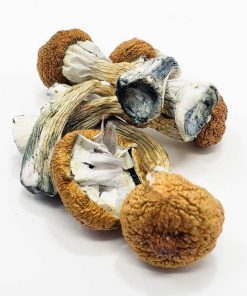
Price range: $180.00 through $920.00
This product has multiple variants. The options may be chosen on the product page 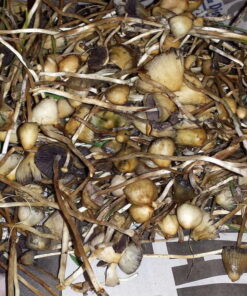
Price range: $170.00 through $830.00
This product has multiple variants. The options may be chosen on the product page 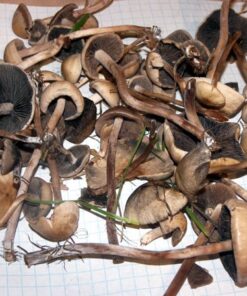
Price range: $190.00 through $890.00
This product has multiple variants. The options may be chosen on the product page 
MAGIC MUSHROOMS
Price range: $180.00 through $860.00
This product has multiple variants. The options may be chosen on the product page 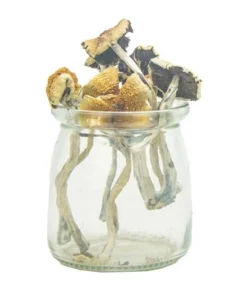
MAGIC MUSHROOMS
Price range: $175.00 through $850.00
This product has multiple variants. The options may be chosen on the product page 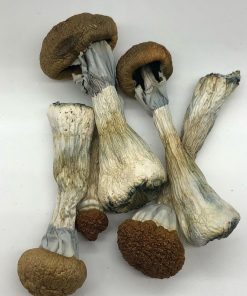
Price range: $180.00 through $910.00
This product has multiple variants. The options may be chosen on the product page 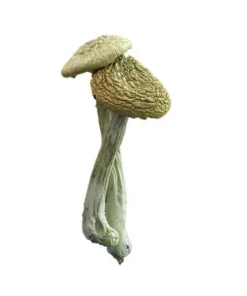
MAGIC MUSHROOMS
Psilocybe Azurescens – Ultra-Potent Wild Psilocybin Mushroom
Price range: $180.00 through $870.00
This product has multiple variants. The options may be chosen on the product page
Amaya Rosenthal (verified owner) –
It felt like the mushrooms knew what I needed.
Royce Cardenas (verified owner) –
From order to experience, everything was seamless and comforting.
Elisa Penn (verified owner) –
The trip felt like an emotional detox.
Celeste Lott (verified owner) –
Very trustworthy team.
Dylan Flores (verified owner) –
I was amazed at how fast it arrived, and the experience itself was like pressing the reset button on my inner life.
Aria McCray (verified owner) –
Exactly what I was hoping for—clarity, peace, insight.
Nathan Phillips (verified owner) –
Fast, stealthy delivery and amazing quality. I could feel the professionalism behind every step.
Saige Goddard (verified owner) –
My mind feels like it went through a spring cleaning.
Bryce Harper (verified owner) –
From shipping to set and setting, the whole thing was flawless. I felt truly taken care of.
Zaylee Radcliffe (verified owner) –
Felt deeply connected to the earth.
Gerald Tate (verified owner) –
The professionalism here is unmatched — respectful tone, fast replies, and packaging that made me feel at ease.
Brandon Hall (verified owner) –
I felt held the entire time — from opening the package to the final moments of deep reflection.
Olivia Carter (verified owner) –
There’s something beautiful about knowing you’re in safe hands — this experience gave me deep peace, and the process made me feel completely supported.
Bria Gallegos (verified owner) –
A truly introspective and cosmic experience. I’m still integrating the lessons.
Terry Bowers (verified owner) –
I was able to open up to myself in ways I’d never done before. Trusting the provider made all the difference.
Hunter Butler (verified owner) –
I finally found a supplier that doesn’t just deliver on quality but treats the whole process with deep respect.
Tessa Carver (verified owner) –
Deep inner clarity, and a new perspective.
Noelle Savage (verified owner) –
It felt like my nervous system finally relaxed, and I could breathe again.
Ellianna Langley (verified owner) –
Great for a solo spiritual reset. The quality gave me confidence.
Lena McFadden (verified owner) –
It felt like the mushrooms knew what I needed.
Bruce Moss (verified owner) –
Soft, subtle, yet deeply moving. It gave me permission to feel.
Leah Bryant (verified owner) –
Every thought felt intentional. Like my mind was guiding me through healing.
Russell Vaughn (verified owner) –
Beautiful, delicate, and full of hidden lessons. I’m still unpacking it days later.
Patrick Sanders (verified owner) –
I was able to open up to myself in ways I’d never done before. Trusting the provider made all the difference.
Olivia Carter (verified owner) –
The emotional clarity I got from this experience has stayed with me.
Valerie Barrett (verified owner) –
I’ve never had such a deeply emotional experience from something so simple. The quality here is unmatched.
Dennis Walsh (verified owner) –
Every little detail, from delivery to dosage info, was done with purpose. That made a huge difference for me.
Keira Blake (verified owner) –
From the first click to the last reflection after my session, I felt supported. Customer service responded fast and with care.
Jacob Roberts (verified owner) –
The emotional relief I felt was immediate and lasting. The product arrived exactly when it needed to.
Nina Elliott (verified owner) –
A life-changing journey made possible by the calm, professional experience from start to finish.
Kyle Howard (verified owner) –
This helped me feel connected to the world again in a way I didn’t know I needed. It was like waking up from a long emotional fog.
Harold Hall (verified owner) –
It worked well in homemade broth and stews.
Penelope Henderson (verified owner) –
The resealable packaging was very practical.
George Castillo (verified owner) –
Everything arrived exactly as described.
Logan Dennis (verified owner) –
The pieces were easy to portion for recipes.
Nicholas Nelson (verified owner) –
I found it to be a dependable pantry staple.
Noah Emerson (verified owner) –
Everything matched the description perfectly.
Albert Beck (verified owner) –
The product was easy to incorporate into meals.
Lillian Burns (verified owner) –
Delivery was prompt and well handled.
Alison Harvey (verified owner) –
Very pleased with the overall quality and presentation.
Aidan Porter (verified owner) –
I appreciated the detailed product information.