
No products in the cart.
Breaking Bad Blue Heisenbergs MDMA – 200mg MDMA Tablet
Price range: $210.00 through $670.00
Powerful single-dose MDMA tablet inspired by Breaking Bad’s Heisenberg. 200mg potency for intense empathogenic effects. Perfect for experienced users.
Breaking Bad Blue Heisenberg MDMA: Pharmacology, Risks, and Harm Reduction
Quick Facts: Breaking Bad Blue Heisenberg MDMA
| Feature | Detail |
|---|---|
| Common name | Breaking Bad Blue Heisenberg MDMA |
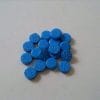
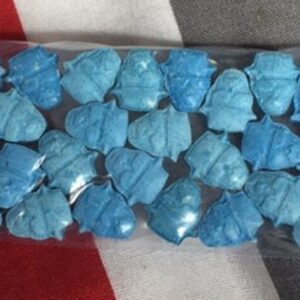
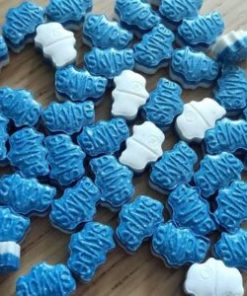
| Appearance | Blue pressed tablet with Heisenberg branding |
| Claimed contents | MDMA (3,4-methylenedioxymethamphetamine) |
| Verified contents | Cannot be confirmed by appearance alone |
| Drug class | Substituted phenethylamine, entactogen, empathogen |
| Primary mechanism | Monoamine releasing agent (SERT, DAT, NET reversal) |
| Key risks | Hyperthermia, hyponatremia, serotonin syndrome, cardiovascular toxicity |
| Reliable identification | GC-MS laboratory analysis |
| Legal status (USA) | Schedule I controlled substance under the Controlled Substances Act |
| Emergency contact | SAMHSA Helpline: 1-800-662-4357 |
Key Takeaways
- Branding is not verification. The Heisenberg logo, blue color, and tablet shape cannot confirm chemical identity, purity, or active dose.
- Laboratory analysis is essential. GC-MS drug testing is the reference standard for identifying tablet contents — reagent tests and visual inspection are insufficient substitutes.
- Documented adulterants include PMMA, synthetic cathinones, methamphetamine, and fentanyl — each carrying distinct and potentially more severe toxicity profiles than MDMA.
- MDMA’s primary risks — hyperthermia, hyponatremia, and serotonin syndrome — are pharmacologically predictable but substantially amplified by dose uncertainty, adulteration, and dangerous drug combinations.
- MDMA remains a Schedule I controlled substance under U.S. federal law, with no currently FDA-approved medical indication.
What Is Breaking Bad Blue Heisenberg MDMA?
Breaking Bad Blue Heisenberg MDMA is a branding used for blue pressed tablets marketed as containing MDMA. The branding does not verify chemical identity, purity, or dosage. Laboratory drug checking is the only reliable method to determine what a tablet actually contains.
The name and visual identity draw directly from the fictional methamphetamine manufacturer Walter White — known by the alias “Heisenberg” — in the AMC television series Breaking Bad, whose signature product was a distinctively blue-colored stimulant drug. The cultural reference functions as a marketing device, not a quality signal.
Tablet logos, colors, and names are cosmetic features that any producer can replicate. Two tablets with identical Heisenberg branding may contain entirely different substances or wildly different quantities of the same substance. This is not a theoretical concern: drug checking services operating across Europe, North America, and Australia have documented tablets sold under consistent visual identities containing substances ranging from MDMA at varying purities to PMMA, synthetic cathinones, methamphetamine, and adulterants including fentanyl.
Public health authorities including the Drug Enforcement Administration (DEA), the Substance Abuse and Mental Health Services Administration (SAMHSA), and the European Union Drugs Agency (EUDA) consistently identify pressed tablet branding as an unreliable proxy for content verification. In unregulated markets, brand consistency is structurally impossible to enforce.
Common Myths vs. Facts
| Myth | Fact |
|---|---|
| “The Heisenberg logo means it’s real MDMA.” | Logos are replicable by any producer and confirm nothing about contents. |
| “Blue color indicates pharmaceutical-grade purity.” | Tablet color is a dye additive with no relationship to active compound identity or purity. |
| “If it looks the same as last time, it’s the same substance.” | Batch composition varies widely in unregulated production. Visual consistency does not imply chemical consistency. |
| “Reagent testing is enough to confirm MDMA.” | Reagent tests indicate possible substance classes but cannot confirm purity, identify all adulterants, or quantify dose. |
| “High price means higher quality.” | Price reflects market dynamics, not chemical verification. |
| “MDMA is safe because it’s used in clinical research.” | Clinical research uses pharmaceutical-grade MDMA at precisely measured doses under medical supervision — conditions that are not reproducible with street tablets. |
Is Blue Heisenberg MDMA Real MDMA?
The Heisenberg logo is a branding element used on some pressed tablets marketed as MDMA. It identifies appearance only and does not confirm chemical composition, purity, or dosage. Two tablets with identical Heisenberg markings may differ entirely in their active contents.
Whether any given Blue Heisenberg tablet contains MDMA, a different stimulant, or a dangerous adulterant can only be determined through laboratory analysis. Drug checking data from harm reduction services has documented that MDMA-branded tablets frequently contain substances other than MDMA, including compounds — such as PMMA — that are more toxic at lower doses and whose delayed onset increases the likelihood of unintentional overdose through re-dosing.
The invocation of Walter White’s chemically pure blue product as a marketing template is pharmacologically ironic: the Breaking Bad narrative pivots on chemical purity as a differentiating virtue, a quality that is structurally unavailable in any actual unregulated drug market.
MDMA Pharmacology: How the Drug Works
MDMA (3,4-methylenedioxymethamphetamine) is a substituted phenethylamine and member of the entactogen and empathogen pharmacological classes. Its primary mechanism of action involves functioning as a monoamine releasing agent — reversing the serotonin transporter (SERT), dopamine transporter (DAT), and norepinephrine transporter (NET) to cause rapid, non-exocytotic efflux of serotonin, dopamine, and norepinephrine into the synaptic cleft.
Serotonin release is disproportionately dominant relative to dopamine and norepinephrine. This pharmacodynamic selectivity underpins MDMA’s characteristic empathogenic profile — heightened emotional openness, increased sociability, and tactile sensitivity — while simultaneously generating physiological consequences proportional to serotonergic excess, including hyperthermia, elevated heart rate, and predisposition to serotonin syndrome.
MDMA also inhibits monoamine oxidase (MAO), the primary enzyme responsible for monoamine degradation, and stimulates the release of neuromodulators including oxytocin, prolactin, and cortisol. These secondary pharmacodynamic effects broaden MDMA’s interaction potential with other serotonergic and stimulant substances.
Pharmacokinetics and CYP2D6 Metabolism
The enzyme CYP2D6 is primarily responsible for MDMA metabolism. Approximately 7–10% of individuals of European ancestry are CYP2D6 poor metabolizers — a pharmacogenomic variation that significantly slows MDMA clearance, prolongs drug exposure, and elevates toxicity risk at doses that would be tolerated by extensive metabolizers. This variability makes dose-response prediction in real-world settings fundamentally unreliable.
Critically, MDMA itself inhibits CYP2D6 during metabolism. This autoinhibition produces non-linear pharmacokinetics with repeated dosing: each subsequent dose within a session is cleared more slowly than the last, causing plasma concentrations to accumulate beyond what linear pharmacokinetics would predict. The clinical implication is that re-dosing carries substantially greater toxicity risk than the individual dose size alone would suggest.
Neurotoxicity Considerations
Higher doses and frequent, repeated use of MDMA have been associated with persistent reductions in serotonergic markers in preclinical studies, including decreased SERT density in multiple brain regions. Human neuroimaging studies have reported similar findings in heavy MDMA users, though separating MDMA-specific effects from confounding variables — polydrug use, pre-existing conditions, adulterant exposure — remains methodologically challenging. The National Institute on Drug Abuse (NIDA) and peer-reviewed literature acknowledge this evidence as a pharmacological concern warranting ongoing investigation.
Why Tablet Branding Cannot Confirm Chemical Identity
Visual appearance cannot identify a tablet’s contents. Tablet logos, colors, and names are marketing features that any producer can replicate. Laboratory drug checking, particularly GC-MS analysis, provides the only reliable identification of chemical contents.
Pressed tablet production in unregulated markets involves no standardized manufacturing oversight, no ingredient verification, and no quality control infrastructure comparable to pharmaceutical production. Branding functions as a sales and differentiation tool — not as a mechanism for content assurance.
What Forensic Drug Checking Programs Have Found
Data from drug checking programs operated by harm reduction organizations and public health agencies across multiple jurisdictions has produced a consistent finding: tablets marketed as MDMA frequently contain substances other than MDMA, sometimes at concentrations below or well above expected ranges, and sometimes in the complete absence of MDMA.
PMMA (para-methoxymethamphetamine) has been identified in MDMA-branded tablets across European, North American, and Australian drug markets. PMMA is structurally similar to MDMA but produces markedly different pharmacokinetics and toxicology: it is more toxic at lower doses, has a slower and more variable onset, and generates more pronounced hyperthermia. Its delayed peak effect relative to MDMA significantly increases the likelihood of re-dosing before toxicity becomes apparent — a behavioral pattern documented in association with fatal outcomes.
Synthetic cathinones produce stimulant effects that may superficially resemble MDMA’s acute profile while operating through distinct mechanisms and carrying different toxicity profiles. Methamphetamine, which shares some receptor targets with MDMA but differs substantially in its pharmacokinetic profile and neurotoxicity risk, has also been identified in MDMA-branded tablets. The presence of fentanyl and fentanyl analogues in pressed stimulant tablets is an emerging concern documented by harm reduction services across North American drug markets.
How Blue Heisenberg Tablets Differ Between Batches
Because Blue Heisenberg tablets are produced in unregulated settings by multiple independent manufacturers with no shared standards, formulation, or quality control, batch-to-batch variation is the rule rather than the exception. Tablets from different sources — or even different production runs from the same source — may differ in active compound identity, concentration of active compounds, type and quantity of binders and fillers, and the presence or absence of adulterants. No visual characteristic, including color uniformity, tablet hardness, or logo precision, reliably predicts batch composition.
The fundamental conclusion drawn by the EUDA, SAMHSA, and clinical toxicologists is consistent: visual inspection of a tablet cannot substitute for chemical analysis.
Breaking Bad Blue Heisenberg MDMA Risks: What the Evidence Shows
MDMA’s health risk profile is well-characterized in the peer-reviewed literature and reflects both its intrinsic pharmacological mechanism and the additional variables introduced by unregulated supply, individual pharmacogenomics, and polydrug use. Risks operate along a spectrum from predictable, dose-dependent physiological effects to rare but life-threatening emergencies.
The most significant risks associated with Breaking Bad Blue Heisenberg MDMA and MDMA broadly include hyperthermia, hyponatremia, serotonin syndrome, and cardiovascular complications — each amplified substantially by dose uncertainty, adulteration, and dangerous drug interactions.
Hyperthermia
MDMA-induced hyperthermia is among the most clinically serious acute risks associated with the drug and is a leading cause of MDMA-related mortality. MDMA elevates core body temperature through multiple mechanisms: increased skeletal muscle activity, peripheral vasoconstriction impairing heat dissipation, and direct effects on hypothalamic thermoregulation. Physical exertion — particularly dancing in warm, crowded environments — substantially amplifies heat accumulation.
Core temperatures exceeding 40°C (104°F) constitute a medical emergency. Temperatures above 41–42°C are associated with rhabdomyolysis, disseminated intravascular coagulation (DIC), acute kidney injury, and death. Hyperthermia risk is markedly elevated when MDMA is adulterated with PMMA or methamphetamine, both of which amplify thermogenic load through overlapping but distinct mechanisms.
From an emergency medicine perspective, MDMA-associated hyperthermia is treated as a time-critical emergency requiring active cooling, supportive care, and management of secondary complications including rhabdomyolysis and coagulopathy.
Hyponatremia
MDMA stimulates antidiuretic hormone (ADH) release, promoting water retention and suppressing urinary output. Combined with excessive water intake — a behavior historically encouraged by oversimplified harm reduction messaging — this antidiuretic effect can produce dilutional hyponatremia: a dangerous reduction in serum sodium concentration. Severe hyponatremia causes cerebral edema, presenting clinically as progressive headache, nausea, confusion, seizure, and potentially fatal respiratory arrest. This complication has disproportionately affected young women in documented case series and is associated with a subset of MDMA-related fatalities.
Current harm reduction guidance, endorsed by public health organizations, recommends moderate fluid intake — approximately 500ml per hour during physical activity — rather than aggressive hydration.
Serotonin Syndrome
Serotonin syndrome is a potentially life-threatening toxic state resulting from excessive central and peripheral serotonergic activity. MDMA’s dual mechanism — forced serotonin efflux combined with MAO inhibition — creates conditions highly conducive to serotonin syndrome, particularly in the context of co-administered serotonergic agents.
The clinical triad of serotonin syndrome comprises neuromuscular abnormalities (clonus, hyperreflexia, myoclonus), autonomic instability (hyperthermia, tachycardia, diaphoresis), and altered mental status. Drug combinations most frequently implicated include MDMA with monoamine oxidase inhibitors (MAOIs), selective serotonin reuptake inhibitors (SSRIs), lithium, tramadol, and other serotonergic substances. Serotonin syndrome ranges from mild and self-limiting to rapidly fatal; clinical recognition and prompt medical response are critical determinants of outcome.
Cardiovascular Effects
MDMA produces acute sympathomimetic cardiovascular effects — elevated heart rate, increased blood pressure, and vasoconstriction — mediated by norepinephrine release and direct adrenergic receptor activity. These effects are generally tolerated in cardiovascularly healthy individuals at moderate doses but represent meaningful clinical risk for individuals with pre-existing cardiovascular disease, structural cardiac abnormalities, or hypertension. Adulteration with stimulants such as methamphetamine potentiates cardiovascular strain substantially and unpredictably.
What Emergency Physicians Look for During Suspected MDMA Toxicity
Clinical toxicologists and emergency physicians evaluating suspected MDMA toxicity prioritize core temperature measurement as an immediate assessment — hyperthermia is the most immediately life-threatening complication and the variable most directly amenable to rapid intervention. Concurrent assessment includes serum sodium (to identify hyponatremia), cardiac monitoring for arrhythmia, creatine kinase (CK) measurement to detect rhabdomyolysis, and evaluation for the neuromuscular features of serotonin syndrome.
In cases where adulteration is suspected — particularly fentanyl contamination — opioid toxidrome features (respiratory depression, pinpoint pupils, reduced consciousness) are assessed alongside stimulant toxidrome features, and naloxone administration may be indicated. Toxicology consultation, where available, is a recommended component of management for complex presentations.
Risks from Adulteration
The health risks attributable to unregulated MDMA supply extend beyond MDMA’s intrinsic pharmacological profile. PMMA toxicity at doses lower than those typically sought by MDMA users, the serotonin-independent toxicity of synthetic cathinones, and the opioid-mediated respiratory depression associated with fentanyl contamination each represent distinct, additive, and potentially synergistic hazards. Drug checking data consistently demonstrates that no visual characteristic of a tablet reliably predicts its chemical contents.
MDMA Safety: What Current Evidence Shows
MDMA safety cannot be evaluated independently of the conditions under which it is used. In controlled clinical research settings — such as the MAPS-sponsored Phase 3 trials evaluating MDMA-assisted therapy for PTSD — pharmaceutical-grade MDMA is administered at precisely measured doses, under direct medical supervision, with comprehensive screening for contraindications and careful management of the clinical environment. This context is categorically different from unregulated use of street tablets.
Clinical vs. Unregulated MDMA: A Key Distinction
| Factor | Clinical Research Setting | Unregulated Street Tablet |
|---|---|---|
| Purity | Pharmaceutical-grade, verified | Unknown; variable; frequently adulterated |
| Dose | Precisely measured | Unknown; highly variable between batches |
| Supervision | Direct medical oversight | None |
| Screening | Comprehensive contraindication screening | None |
| Environment | Controlled, temperature-regulated | Uncontrolled; often physically demanding |
| Interaction management | Full medication review | None |
| Emergency response | Immediate clinical response available | Depends on circumstance |
The evidence base from clinical research therefore cannot be directly extrapolated to the safety profile of unregulated MDMA use. Individuals using unregulated tablets face compounded risks that clinical trial participants are specifically protected against.
Evidence Snapshot
| Finding | Evidence Status |
|---|---|
| MDMA increases serotonin, dopamine, and norepinephrine release | Well-established; consistent across human and animal studies |
| Hyperthermia as a cause of MDMA-related mortality | Well-established; documented in case series and clinical literature |
| Hyponatremia risk with excessive fluid intake | Well-established; documented in case series |
| Serotonin syndrome risk with serotonergic co-administration | Well-established; pharmacologically predictable |
| CYP2D6 pharmacogenomics affecting MDMA clearance | Well-established |
| Serotonergic neurotoxicity with heavy, repeated use | Documented in preclinical and neuroimaging studies; human causality debate ongoing |
| Therapeutic potential in PTSD (MDMA-assisted therapy) | Active research; Phase 3 trial data reviewed by FDA; additional trial requested |
Drug Checking: Why Laboratory Analysis Is Essential
Drug checking — the analytical testing of substances to identify chemical composition prior to use — is a core harm reduction intervention endorsed by SAMHSA, the EUDA, and public health agencies across multiple jurisdictions. It directly addresses the fundamental risk factor in unregulated drug use: uncertainty about what a substance actually contains.
GC-MS: The Reference Standard for Drug Checking
Gas chromatography–mass spectrometry (GC-MS) separates and identifies compounds by their unique molecular fragmentation signatures, making it the reference standard for chemical identification in forensic toxicology and drug checking applications.
GC-MS separates a sample’s constituent compounds through gas chromatography, then subjects each isolated fraction to mass spectrometry — bombarding molecules with electrons and recording the characteristic fragmentation pattern as a mass spectrum. Because each compound produces a reproducible, unique mass spectrum, GC-MS can identify substances with high specificity, detect co-occurring compounds, and quantify active drug content — information that is directly relevant to pharmacological risk assessment.
In drug checking applications, GC-MS can confirm the presence of MDMA, identify adulterants including PMMA or synthetic cathinones at low concentrations, detect fentanyl and fentanyl analogues, and provide milligram-level quantification of active drug per tablet.
Why Reagent Tests Cannot Confirm Purity
Reagent tests indicate possible substance classes but cannot confirm purity, identify all adulterants, or provide quantitative information about dose.
Colorimetric reagent tests — including the Marquis, Mecke, and Froehde reagents — produce color reactions indicating the possible presence of certain substance classes. The Marquis reagent produces a purple-to-black color reaction in the presence of MDMA. These tests are accessible and useful as a preliminary screening tool. However, they cannot distinguish MDMA from structurally similar compounds that produce similar color reactions, cannot detect adulterants present below a certain threshold, and provide no information about the quantity of active compound per tablet. Reagent testing is a first-line indicator — it is not a substitute for laboratory analysis.
FTIR Spectroscopy and HPLC
Fourier-transform infrared (FTIR) spectroscopy identifies compounds by measuring their absorption of infrared radiation and matching the resulting molecular fingerprint against reference libraries. FTIR is non-destructive, relatively rapid, and increasingly available in harm reduction service settings, though its sensitivity for low-concentration adulterants is lower than GC-MS.
High-performance liquid chromatography (HPLC) is particularly well-suited to quantitative analysis — providing accurate milligram measurements of MDMA content per tablet. This quantitative precision is pharmacologically meaningful when assessing dose-related risk, particularly given the non-linear pharmacokinetics associated with CYP2D6 autoinhibition.
Fentanyl Test Strips
Fentanyl test strips (FTS) are immunoassay-based lateral flow strips originally developed for urine drug screening and validated for drug checking purposes. A small portion of a dissolved tablet can be tested to detect the presence of fentanyl and many fentanyl analogues. The CDC and SAMHSA have both endorsed fentanyl test strip distribution as an evidence-based harm reduction measure. Limitations include variable sensitivity across specific fentanyl analogues and the inability to identify non-opioid adulterants.
The operational conclusion for harm reduction practice is consistent: a combination of available testing tools provides substantially more actionable information than any single method, and no method provides more information than GC-MS analysis performed by an accredited laboratory.
MDMA Harm Reduction: Evidence-Based Guidance
Harm reduction for MDMA is supported by a body of evidence addressing both the drug’s known pharmacological risks and the additional hazards introduced by unregulated supply. The following principles reflect guidance from SAMHSA, the EUDA, and published clinical toxicology literature.
When to Seek Emergency Medical Care
Seek emergency medical care immediately if any of the following occur:
- Body temperature that feels dangerously elevated; cessation of sweating; skin that is hot and dry
- Seizure or loss of consciousness
- Severe confusion, agitation, or inability to be roused
- Muscle rigidity, uncontrollable muscle twitching, or jerking (clonus)
- Rapid or irregular heartbeat with chest pain
- Difficulty breathing
Call 911 immediately. Many U.S. states have Good Samaritan laws providing legal protection for individuals who call for emergency help during a drug-related emergency. Contacting emergency services promptly is the single most important action available in a suspected drug emergency.
Drug Checking Before Use
Drug checking is the single most impactful harm reduction step available to individuals who choose to use MDMA. Identifying a tablet’s actual contents — rather than relying on branding, reputation, or appearance — directly reduces the risk of unintentional exposure to substances with distinct and potentially more severe toxicity profiles.
Temperature Regulation
MDMA’s thermogenic properties make temperature management a critical harm reduction priority. Evidence-based guidance emphasizes taking regular breaks from physical exertion, seeking cooler environments, and recognizing early hyperthermia warning signs — elevated skin temperature, cessation of sweating, and confusion — as indicators requiring immediate medical attention.
Fluid Intake
Fluid intake should be moderate and calibrated to activity level. Approximately 500ml of water per hour during physical exertion is the guideline most consistently recommended by harm reduction organizations. Both dehydration and overhydration represent genuine, documented risks in the context of MDMA use.
Avoiding Dangerous Drug Combinations
Combinations with MAOIs, SSRIs, lithium, tramadol, stimulants, and alcohol each carry documented interaction risks. CYP2D6 inhibitors — including fluoxetine and paroxetine — can substantially increase MDMA plasma concentrations by impairing its primary metabolic pathway. Individuals taking prescription medications should be aware that many common medications interact with MDMA’s pharmacokinetics or pharmacodynamics in ways that increase risk.
Avoiding Re-Dosing
Avoiding re-dosing minimizes the risk of non-linear drug accumulation attributable to CYP2D6 autoinhibition and reduces cumulative physiological burden, particularly cardiovascular and thermogenic load. The subjective perception that a dose is “wearing off” does not reliably indicate that plasma concentrations have cleared — a pharmacokinetic reality that makes re-dosing substantially more dangerous than the individual dose size alone would predict.
Good Samaritan Laws and Emergency Response
Many U.S. jurisdictions have implemented medical amnesty or drug-related Good Samaritan laws to reduce barriers to emergency medical assistance in drug-related situations. These laws typically provide protection from prosecution for individuals who call for emergency help. Awareness of applicable local statutes is a relevant component of harm reduction planning; the National Conference of State Legislatures maintains a current directory of Good Samaritan laws by state.
MDMA Legal Status in the United States
MDMA is classified as a Schedule I controlled substance under the U.S. Controlled Substances Act (CSA). Schedule I classification is applied to substances that the federal government has determined have a high potential for abuse, no currently accepted medical use in treatment in the United States, and a lack of accepted safety for use under medical supervision.
The possession, distribution, and manufacture of MDMA without federal authorization are federal criminal offenses. State-level penalties vary and may overlap with or exceed federal consequences depending on jurisdiction.
The regulatory landscape surrounding MDMA has been subject to active clinical and legal reassessment. MAPS conducted Phase 3 clinical trials evaluating MDMA-assisted therapy for post-traumatic stress disorder (PTSD). In August 2024, the FDA declined to approve MDMA-assisted therapy based on its review of submitted data, requesting an additional Phase 3 trial. MDMA therefore remains a Schedule I substance with no FDA-approved medical indication as of the date of this publication.
Internationally, MDMA’s legal status is governed by the 1971 United Nations Convention on Psychotropic Substances, under which it is a Schedule I substance, and by the domestic legislation of individual countries. Regulatory frameworks vary across jurisdictions, with some countries permitting limited research or harm reduction applications under controlled conditions.
Frequently Asked Questions
What is Breaking Bad Blue Heisenberg MDMA?
Breaking Bad Blue Heisenberg MDMA is a branding used for blue pressed tablets marketed as containing MDMA. The name references the fictional character Walter White from the television series Breaking Bad. The branding cannot verify a tablet’s chemical identity, purity, or dosage — only laboratory drug checking can determine what a tablet actually contains.
Why is the Heisenberg logo used on MDMA tablets?
The Heisenberg logo is a marketing device used in unregulated drug markets to increase perceived desirability and brand recognition. It carries no chemical significance. Any producer can replicate the logo, and its presence on a tablet provides no information about the tablet’s contents.
Does branding confirm a tablet contains MDMA?
No. Tablet logos, colors, and names are cosmetic features that are easily replicated by any manufacturer. Two tablets with identical Heisenberg branding may contain entirely different substances, different quantities of MDMA, or dangerous adulterants. Only laboratory analysis can confirm a tablet’s chemical composition.
What are the biggest health risks associated with MDMA?
The primary documented risks include hyperthermia (dangerous elevation of core body temperature), hyponatremia (dangerous reduction in serum sodium from excessive water intake), serotonin syndrome (from co-administration of serotonergic drugs), and cardiovascular complications including elevated heart rate and blood pressure. These risks are substantially amplified when tablets contain adulterants such as PMMA, synthetic cathinones, methamphetamine, or fentanyl.
What is serotonin syndrome and why is it relevant to MDMA?
Serotonin syndrome is a potentially life-threatening toxic state caused by excessive serotonergic activity in the nervous system. MDMA’s mechanism — forced serotonin efflux combined with MAO inhibition — creates direct pharmacological conditions for serotonin syndrome, particularly when MDMA is combined with other serotonergic substances including MAOIs, SSRIs, lithium, or tramadol. The clinical presentation includes muscle abnormalities (clonus, hyperreflexia), autonomic instability, and altered mental status.
Why is GC-MS considered the gold standard for drug checking?
Gas chromatography–mass spectrometry (GC-MS) separates a sample’s component compounds and identifies each by its unique molecular fragmentation signature. Because every compound produces a reproducible, characteristic mass spectrum, GC-MS can identify substances with high specificity, detect multiple co-occurring compounds, and provide quantitative measurements — capabilities that visual inspection and reagent testing cannot replicate.
Can two Blue Heisenberg tablets contain different substances?
Yes. Tablets with identical branding are frequently produced by different manufacturers with no shared formulation standards or quality control. Batch-to-batch and source-to-source variation in composition, concentration, and adulterant profile is well-documented by drug checking services. Visual consistency between tablets provides no reliable information about chemical consistency.
Is MDMA legal in the United States?
No. MDMA is classified as a Schedule I controlled substance under the U.S. Controlled Substances Act. Its possession, distribution, and manufacture without federal authorization are federal criminal offenses. MDMA currently has no FDA-approved medical indication.
Why is drug checking important for harm reduction?
Drug checking identifies the actual chemical contents of a substance, replacing assumption and branding-based inference with analytical evidence. This directly reduces the risk of unintentional exposure to adulterants and supports informed decision-making by individuals and public health practitioners. Organizations including SAMHSA and the EUDA endorse drug checking as an evidence-based harm reduction intervention.
What should I do if someone shows signs of MDMA toxicity?
Call emergency services (911 in the United States) immediately. Do not leave the person alone. If the person is overheating, move them to a cooler environment and apply cool water to the skin. If the person is unconscious but breathing, place them in the recovery position. Many U.S. states have Good Samaritan laws providing legal protection for individuals who call for emergency help in drug-related situations.
References and Authoritative Sources
- National Institute on Drug Abuse (NIDA) — MDMA Research
- Drug Enforcement Administration (DEA) — Drug Scheduling
- Substance Abuse and Mental Health Services Administration (SAMHSA) — Harm Reduction
- Centers for Disease Control and Prevention (CDC) — Fentanyl
- European Union Drugs Agency (EUDA) — Drug Profiles
- Food and Drug Administration (FDA) — Drug Approvals
- PubMed — Peer-reviewed MDMA Literature
- MAPS — MDMA-Assisted Therapy Research
- National Conference of State Legislatures — Good Samaritan Laws
Conclusion
Breaking Bad Blue Heisenberg MDMA represents a category of culturally branded pressed tablet whose visual identity communicates nothing verifiable about its chemical composition. The invocation of Walter White’s chemically pure blue product as a branding template underscores a fundamental contradiction: the Breaking Bad narrative frames chemical purity as a differentiating virtue — a quality that is structurally unavailable in any actual unregulated drug market.
MDMA is a pharmacologically complex substituted phenethylamine and monoamine releasing agent whose health risks — including hyperthermia, hyponatremia, serotonin syndrome, and cardiovascular toxicity — are well-documented in the clinical and toxicological literature. These risks are substantially amplified by dose uncertainty, adulteration, polydrug use, and CYP2D6 pharmacogenomic variability, all of which are uncontrollable variables in the context of unregulated tablet use.
The core public health conclusion is unambiguous: in unregulated drug markets, brand recognition is not evidence of chemical identity, and the only tool that produces reliable content information is laboratory analysis. GC-MS drug testing remains the reference standard for chemical identification. Harm reduction practices supported by evidence from SAMHSA, the EUDA, and clinical toxicology reduce — but cannot eliminate — the risks associated with MDMA use. MDMA remains a Schedule I controlled substance under U.S. federal law with no currently approved medical indication.
Individuals seeking authoritative guidance can contact the SAMHSA National Helpline at 1-800-662-4357 — a free, confidential, 24-hour service providing information, support, and referrals for substance use questions. Local harm reduction organizations and accredited drug checking services offer additional resources where available.
| QUANTITY | 50 PILLS, 100 PILLS, 250 PILLS |
|---|
40 reviews for Breaking Bad Blue Heisenbergs MDMA – 200mg MDMA Tablet
Add a review
Related products
Price range: $200.00 through $850.00
This product has multiple variants. The options may be chosen on the product page 

Cali Dorsey (verified owner) –
The world felt safe and beautiful again.
Shane Hopkins (verified owner) –
The level of care in the delivery set the tone for the entire experience. It felt ceremonial.
Anthony Green (verified owner) –
This isn’t just a product — it’s a safe invitation to come back home to yourself.
Jared Foster (verified owner) –
You made me feel like a human, not just a customer. That made the journey even more meaningful.
Colton Hayes (verified owner) –
Nothing about this felt rushed or commercial. It felt like a gentle invitation inward.
June Hampton (verified owner) –
From the discreet box to the powerful clarity during my trip, every part of this journey was handled with intention.
Gage Blanchard (verified owner) –
This helped me communicate without fear.
Oscar Stone (verified owner) –
Wasn’t sure what to expect from an online order, but everything arrived quickly, safely, and without a single issue. The quality was beyond anything I’ve tried before.
Luke Bennett (verified owner) –
I’ve tried different sources in the past, but none gave me this level of emotional depth and trust.
Arianna Newton (verified owner) –
This felt like more than a psychedelic journey. It felt like support from people who understand what real healing means.
Ivory Holliday (verified owner) –
Helped me feel safe inside my own body again.
Alianna Ricks (verified owner) –
I reconnected with someone I thought I lost—myself.
Darren Roy (verified owner) –
No drama, no noise — just peace, insight, and quality. That’s what this experience gave me.
Lillian Cross (verified owner) –
Truly impressed with how easy and safe this entire process was. Felt more like working with guides than a shop.
Kylie McIntyre (verified owner) –
This helped me communicate without fear.
June Hampton (verified owner) –
I was amazed at how fast it arrived, and the experience itself was like pressing the reset button on my inner life.
Corbin Strange (verified owner) –
Amazing for introspection and releasing emotional baggage.
Dylan Flores (verified owner) –
It helped me break through emotional blocks I didn’t even know were there.
David Smith (verified owner) –
I didn’t want to escape — I wanted to explore. This made that possible.
Fred Winters (verified owner) –
The experience wasn’t just visual — it was deeply emotional and grounding.
Shea Garland (verified owner) –
Trusted source, amazing journey.
Lawrence Runnels (verified owner) –
Gentle, kind, and transformative.
Saul Plummer (verified owner) –
Eased my fear of emotional intimacy.
Victoria Walker (verified owner) –
I laughed, cried, and sat in total peace — all within the span of a few hours.
Grant George (verified owner) –
This gave me emotional insight, and the professionalism behind the product gave me peace of mind.
Brooklyn Alexander (verified owner) –
From shipping to set and setting, the whole thing was flawless. I felt truly taken care of.
Tony Briggs (verified owner) –
This was a conversation with my soul, made possible by the care and intention behind this source.
Hailee Pack (verified owner) –
Woke up with a full heart and zero regrets.
Neil Dennis (verified owner) –
Every little part of the process was dialed in. I felt like I mattered.
Gavin Ray (verified owner) –
Each moment felt sacred. I was fully immersed in a gentle sense of awe.
Ashley Young (verified owner) –
The purchase was completed without any problems.
Rachel Baker (verified owner) –
The website loaded quickly.
Samuel Flores (verified owner) –
The checkout experience was efficient.
Peyton Brooks (verified owner) –
The packaging appeared secure throughout transit.
Jared Austin (verified owner) –
The shipment reached the destination on time.
Hunter Roberts (verified owner) –
The ordering system worked well.
Hannah Martin (verified owner) –
The package was handled carefully during shipping.
Madeline Dixon (verified owner) –
The seller provided regular updates.
Nathan King (verified owner) –
Tracking updates were consistent.
Hunter Roberts (verified owner) –
The transaction concluded without issues.