
No products in the cart.
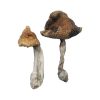
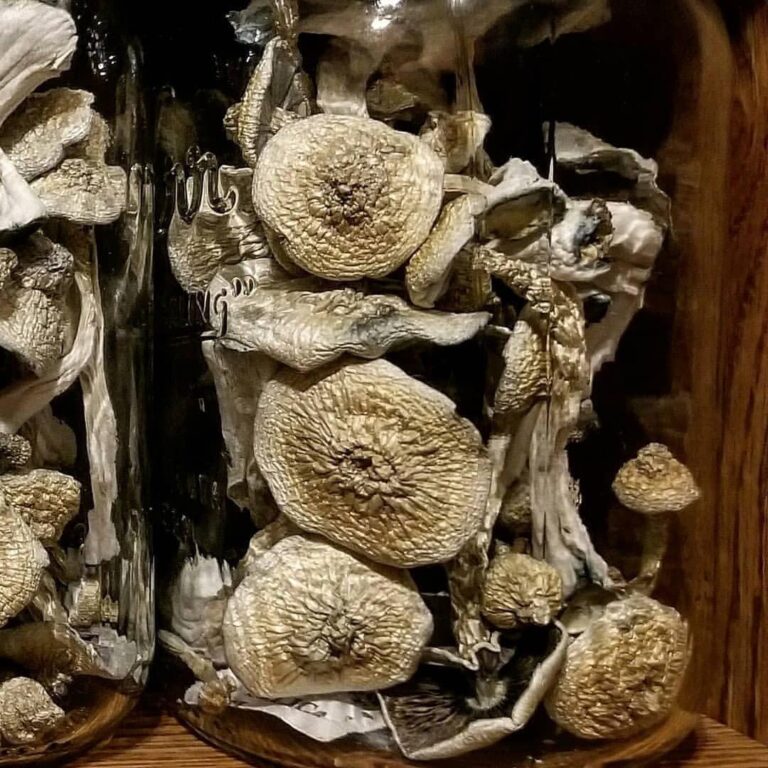
Psilocybe Cyanescens – Ultra-Potent Wavy Cap Mushroom
Price range: $178.00 through $840.00
Psilocybe Cyanescens, or “Wavy Cap,” is one of the most potent psilocybin mushrooms in the world. Known for intense visuals and deep cognitive expansion.
Psilocybe Cyanescens (Wavy Caps): Authoritative Identification, Habitat, and Safety Guide
Quick Facts: Psilocybe Cyanescens
| Feature | Detail |
|---|---|
| Common name | Wavy caps mushroom |
| Family | Hymenogastraceae |
| Class | Agaricomycetes |
| Phylum | Basidiomycota |
| Ecological role | Saprophytic wood-decay fungus |
| Primary habitat | Hardwood mulch, woodchips, woody debris |
| Fruiting season | October–December (Pacific Northwest) |
| Fruiting temperature | 50°F–59°F (10°C–15°C) |
| Spore print color | Dark purple-brown |
| Reported psilocybin range | 0.85%–1.96% dry weight |
| Distribution | Pacific Northwest, Western Europe, New Zealand |
| First described | Elsie Wakefield, 1946, Royal Botanic Gardens, Kew |
Psilocybe cyanescens, commonly called wavy caps, is a wood-loving mushroom in the Hymenogastraceae family recognized by its wavy cap, blue bruising, and dark purple-brown spore print. It typically grows on hardwood mulch and woodchips during cool, wet autumn weather and has potentially deadly lookalikes, making accurate identification essential.
Psilocybe cyanescens is a saprophytic, lignicolous mushroom species that colonizes hardwood mulch, woodchips, and woody debris across temperate climates, with its highest documented density in the Pacific Northwest.
Known as the wavy caps mushroom, it is distinguished by a hygrophanous cap with pronounced undulating margins at maturity, consistent blue bruising when tissue is damaged, and a dark purple-brown spore print.
Stijve and de Meijer (1993) reported psilocybin concentrations ranging from 0.85% to 1.96% of dry weight — figures notably higher than mean values documented for Psilocybe cubensis — though alkaloid levels vary considerably across specimens and substrates.
Because Galerina marginata, a potentially fatal amatoxin-producing species, occupies identical habitats and overlaps significantly in gross morphology, reliable determination requires cross-referencing multiple morphological, ecological, and microscopic characteristics against current mycological literature.
Introduction
Psilocybe cyanescens occupies an unusual position in mycology: it is simultaneously one of the most studied psilocybin-containing species and one of the most consequentially misidentified.
Commonly known as the wavy caps mushroom, it has expanded well beyond its documented historical range by exploiting the hardwood mulch and woodchip substrates that define modern urban landscaping — establishing populations in parks, university campuses, botanical gardens, and commercial developments across temperate regions of the Northern Hemisphere and beyond.
For mycologists, that ecological adaptability makes Psilocybe cyanescens a compelling subject. For anyone attempting field identification, it presents a serious and non-negotiable challenge.
Galerina marginata, a species containing potentially lethal amatoxins, is morphologically similar, ecologically co-occurring, and responsible for documented fatalities. As Stamets (1996) observed in his survey of psilocybin mushrooms, the co-occurrence of psychoactive species with deadly lookalikes in identical microhabitats represents one of the most acute safety problems in field mycology.
Misidentification is not a theoretical risk — it is a recurring cause of severe poisoning.
This guide consolidates current knowledge on Psilocybe cyanescens identification, habitat ecology, potency, spore characteristics, taxonomic history, and safety, with explicit attention to the features most critical for distinguishing this species from dangerous lookalikes. It is intended as an educational reference grounded in published mycological literature, not as guidance for foraging, consumption, or any activity that may conflict with applicable law.
What Is Psilocybe Cyanescens?
Psilocybe cyanescens is a saprophytic, wood-decaying mushroom in the family Hymenogastraceae distinguished by its wavy cap margins, blue bruising reaction, dark purple-brown spore print, and preference for hardwood mulch during cool, wet autumn conditions. It is widely distributed throughout the Pacific Northwest and Western Europe and has expanded globally through urban landscaping practices.
Psilocybe cyanescens is a basidiomycete fungus in the order Agaricales, family Hymenogastraceae, class Agaricomycetes, and phylum Basidiomycota.
Its placement within Hymenogastraceae reflects phylogenetic revisions based on molecular data — particularly internal transcribed spacer (ITS) sequencing — that separated wood-loving psilocybin-producing species from their earlier classification within Strophariaceae.
This molecular reclassification is consistent with Moncalvo et al.’s (2002) large-scale Agaricales phylogeny, which resolved longstanding taxonomic ambiguity driven by convergent morphology among distantly related species.
The common name wavy caps mushroom refers to the pronounced undulation of cap margins that develops as fruiting bodies reach maturity. This feature, combined with blue bruising and a dark spore print, forms the foundation of field identification — though none of these characteristics alone is diagnostic.
Research and Discovery Timeline
| Year | Event |
|---|---|
| 1946 | Elsie Wakefield formally describes Psilocybe cyanescens from a specimen collected at the Royal Botanic Gardens, Kew, England |
| 1983 | Guzmán’s monograph on Psilocybe establishes foundational taxonomic framework for the genus |
| 1993 | Stijve & de Meijer publish quantitative alkaloid analysis documenting psilocybin concentrations of 0.85%–1.96% dry weight |
| 1994 | Gartz documents comparative alkaloid profiles across European Psilocybe species |
| 1996 | Stamets’ Psilocybin Mushrooms of the World provides widely referenced field descriptions |
| 2002 | Moncalvo et al. molecular phylogeny supports reclassification from Strophariaceae to Hymenogastraceae |
| 2000s–present | ITS sequencing and DNA-based taxonomy refine species boundaries within Psilocybe |
| Present | Ongoing documentation of urban range expansion via hardwood mulch substrate |
The taxonomic history of Psilocybe cyanescens illustrates a broader pattern in modern mycology: morphological classification, when tested against molecular phylogenetics, frequently reveals that convergent physical features have obscured genuinely distinct evolutionary lineages.
The transition from Strophariaceae to Hymenogastraceae was not a minor administrative revision. It reflected substantive reconsideration of the species’ evolutionary relationships, with meaningful implications for how closely related species are interpreted and compared.
Psilocybe Cyanescens Identification
Psilocybe cyanescens identification requires the systematic, simultaneous evaluation of cap morphology, bruising response, spore print color, stem characteristics, odor, habitat, seasonality, and microscopic features. Because deadly lookalikes share several of these traits individually, no single characteristic is sufficient for a reliable determination.
Accurate Psilocybe cyanescens identification requires evaluating multiple converging characteristics. No single feature — including blue bruising, which can occur in other species — is sufficient for definitive determination.
The following characteristics should be assessed together.
Cap (Pileus)
The cap measures approximately 2–4 cm in diameter at maturity, though specimens outside this range are documented. In younger stages, the cap is convex to broadly umbonate.
As the fruiting body matures, cap margins develop the distinctive undulating or wavy form from which the common name derives — a feature absent or minimal in most dangerous lookalikes.
Cap color is hygrophanous, shifting visibly with moisture content. In hydrated conditions, caps appear chestnut brown to caramel. As specimens dry, color fades to pale buff or off-white from the center outward.
Observing both moisture states — or the transitional gradient between them — provides meaningful diagnostic information unavailable from photographs alone.
The cap surface is smooth, often translucent-striate at the margin when moist, and possesses a gelatinous, separable pellicle visible under close examination.
Gills (Lamellae)
The gills are adnate to adnexed and close in spacing. They progress through a predictable color sequence as spores mature: pale to grayish in young specimens, becoming dark purple-brown at full maturity.
Gill edges are typically lighter than gill faces — a feature worth recording when examining specimens across different developmental stages.
Stem (Stipe)
The stipe is 4–8 cm in length and 3–6 mm in diameter, whitish to pale cream with a fibrous, silky surface texture. It is typically equal or slightly enlarged at the base.
Rhizomorphic mycelium — dense, cord-like mycelial strands — is often visible at the stipe base, adhering to substrate material. Faint blueing may be observed on the stipe when handled, particularly near the base.
Blue Bruising
Blue bruising results from the rapid oxidation of psilocin when fungal tissue is mechanically damaged. The reaction appears most reliably on the stipe base, cut surfaces, and damaged gill tissue.
While blue bruising is a strong corroborating indicator — and its absence in a suspected specimen is a meaningful negative finding — it is not exclusive to psilocybin-containing mushrooms and must not function as a standalone identification criterion.
Spore Print
A dark purple-brown spore print is one of the most diagnostically significant macroscopic features of Psilocybe cyanescens. It directly distinguishes this species from Galerina marginata, which produces a rust-brown to ochre spore print — a visually clear and safety-critical difference.
Obtaining a spore print requires placing a cap gill-side down on white paper for a minimum of two to four hours.
The resulting print color is among the most reliable macroscopic differentiators between Psilocybe cyanescens and its most dangerous lookalike.
Odor and Taste
Psilocybe cyanescens produces a faintly farinaceous (mealy or flour-like) odor, occasionally described as mildly earthy. Taste is similarly farinaceous.
Neither characteristic is independently diagnostic, but both are consistent with published descriptions and contribute to a complete morphological assessment.
Microscopic Features
Microscopic examination of Psilocybe cyanescens reveals ellipsoid to rhomboid spores measuring approximately 9–12 × 5–8 micrometers with a prominent germ pore, and fusoid-ventricose to lageniform cheilocystidia at gill edges. These features are among the most reliable criteria for definitive species-level identification when macroscopic characteristics are inconclusive.
Microscopy should be considered mandatory rather than optional when macroscopic features produce ambiguity.
Psilocybe cyanescens produces basidiospores on club-shaped basidia, each typically bearing four spores. Cheilocystidia — cystidia located at gill edges — are fusoid-ventricose to lageniform with a thin neck, distinguishing this species from morphologically similar taxa at the cellular level.
In cases where morphological examination cannot achieve a confident determination, ITS sequencing from herbarium specimens or fresh material provides definitive species-level resolution.
Identification Checklist
Use this checklist as a starting framework. All applicable features should be confirmed. A single unverified or inconsistent feature warrants additional examination before any determination is made.
- ☐ Wavy, undulating cap margins at maturity
- ☐ Hygrophanous cap: chestnut brown when moist, fading to pale buff when dry
- ☐ Smooth cap surface with separable gelatinous pellicle
- ☐ Adnate to adnexed gills progressing from gray to dark purple-brown
- ☐ White to pale cream fibrous stipe with rhizomorphic mycelium at base
- ☐ Blue bruising on stipe base and damaged tissue
- ☐ Dark purple-brown spore print (not rust-brown)
- ☐ Faint farinaceous odor
- ☐ Hardwood mulch or woody debris substrate
- ☐ Cool, moist autumn conditions (50°F–59°F / 10°C–15°C)
- ☐ Microscopic confirmation when macroscopic features are ambiguous
Common Misidentification Mistakes
The most dangerous misidentification errors involving Psilocybe cyanescens share a common root cause: over-reliance on a single feature — typically blue bruising or general appearance — rather than systematic multi-characteristic evaluation.
Mistake 1: Treating blue bruising as definitive
Blue bruising is a valuable corroborating indicator but occurs in other species and is occasionally absent or weak in Psilocybe cyanescens specimens. Relying on bruising alone to confirm identity — or to exclude dangerous lookalikes — is the single most consequential identification error documented in poisoning case reviews.
Mistake 2: Failing to obtain a spore print
Spore print color is one of the clearest macroscopic distinctions between Psilocybe cyanescens (dark purple-brown) and Galerina marginata (rust-brown). Skipping this step removes the most accessible and reliable safety checkpoint available to field observers.
Mistake 3: Confusing hygrophanous color change for a different species
Novice observers frequently misidentify the same specimen in different moisture states as two distinct species. Understanding that Psilocybe cyanescens caps shift from chestnut brown to pale buff as they dry is essential for consistent field recognition.
Mistake 4: Assuming habitat is sufficient
The presence of hardwood mulch substrate narrows the candidate species list but does not confirm Psilocybe cyanescens. Galerina marginata, Leratiomyces ceres, and Hypholoma species all fruit in comparable substrates.
Mistake 5: Using photographs as primary identification tools
Photographs cannot capture spore print color, odor, bruising response, or microscopic structure. AI-assisted image identification of mushrooms carries substantial documented error rates and should not substitute for physical, multi-feature evaluation by a trained observer.
Psilocybe Cyanescens Habitat
Key Fact
Psilocybe cyanescens is a lignicolous fungus — meaning it decomposes woody substrates rich in lignin and cellulose — rather than forming symbiotic relationships with living trees. This ecological role as a wood-decay decomposer, combined with its tolerance for the hardwood mulch distributed widely in urban landscaping, has enabled the species to establish populations in managed environments far outside its historical range.
Ecological Role
Psilocybe cyanescens is a saprophytic wood-decay fungus that derives nutrition by enzymatically decomposing lignin and cellulose in woody substrates. It does not form mycorrhizal associations.
As a decomposer fungus, it plays a functional role in nutrient cycling within woodchip and hardwood debris ecosystems — including the increasingly extensive woodchip ecosystems created by urban landscaping practices.
Natural and Urban Distribution
The species occurs naturally in parts of Western Europe, including the United Kingdom and Germany, and is well-established throughout the Pacific Northwest — British Columbia, Washington, Oregon, and Northern California. Populations have also been documented in New Zealand and parts of Central Europe.
Unlike many woodland fungi whose distribution is constrained by forest habitat loss, Psilocybe cyanescens has expanded its geographic range by exploiting hardwood mulch and woodchip substrates distributed across urban parks, road medians, university campuses, and commercial landscapes. Commercial movement of woodchip material is now recognized as a primary vector for the species’ continued range expansion.
Fruiting bodies emerge from substrate containing buried woody debris, decomposing woodchip mulch, and garden beds enriched with hardwood material.
The species shows a clear preference for hardwood-derived substrates over coniferous material, though urban mulch compositions frequently represent mixed sources. Fruiting commonly occurs in scattered groups or clusters rather than as isolated specimens.
Conservation and Urban Biodiversity
The urban ecology of Psilocybe cyanescens raises meaningful questions for fungal conservation and urban biodiversity research.
The species’ capacity to thrive in anthropogenic environments makes it an unusual case study: a fungus whose range has expanded, rather than contracted, in response to human land management.
Understanding the substrate requirements, mycelial persistence, and dispersal mechanisms of lignicolous decomposer fungi in urban woodchip ecosystems represents a productive area for ongoing ecological research.
Psilocybe Cyanescens Temperature Range
Psilocybe cyanescens fruits most reliably at temperatures between 50°F and 59°F (10°C–15°C), combined with sustained moisture from rainfall or persistently high ambient humidity. This cool-temperature requirement defines the species’ autumn fruiting window and is one of its most diagnostically useful ecological characteristics.
The Psilocybe cyanescens temperature range for fruiting is among its most ecologically distinctive characteristics. It distinguishes this species from warm-weather Psilocybe species such as Psilocybe cubensis and confers ecological separation from most competing decomposer fungi that peak under warmer conditions.
In the Pacific Northwest, the primary fruiting window spans October through December, with peak abundance typically documented in November. In Western Europe, fruiting may begin in late September and extend into January during mild winters.
The most reliable fruiting trigger is the arrival of sustained cool rains following summer drought — a pattern consistently documented by Pacific Northwest field mycologists and corroborated by regional occurrence records.
Fruiting is generally suppressed above approximately 65°F (18°C) and during hard freezes. This temperature sensitivity functions as a biological calendar: locating Psilocybe cyanescens reliably requires timing field observation to align with its narrow seasonal window.
Psilocybe Cyanescens Potency
Alkaloid Profile
Psilocybe cyanescens produces four principal pharmacologically active alkaloids: psilocybin, psilocin, baeocystin, and aeruginascin.
Psilocybin is the primary alkaloid by concentration and functions as a prodrug, converting to psilocin in vivo through enzymatic dephosphorylation. Psilocin is the compound responsible for the species’ psychoactive effects through agonism at serotonin 5-HT2A receptors.
Baeocystin is structurally analogous to psilocybin. Its independent pharmacological effects in humans remain incompletely characterized.
Aeruginascin’s pharmacological role is an active area of research, with some investigators proposing modulatory effects on the overall alkaloid response profile.
The biosynthesis of psilocybin in Psilocybe species is mediated by a cluster of genes encoding the enzymes PsiD, PsiK, PsiM, and PsiH, which collectively convert tryptophan to psilocybin through a four-step pathway. This biosynthetic gene cluster has been identified and characterized in multiple Psilocybe species, providing a molecular framework for understanding alkaloid variation across populations and substrates.
Published Concentration Data
Chemical Composition: Reported Alkaloid Ranges in Psilocybe cyanescens
| Compound | Reported Range (% dry weight) | Reference |
|---|---|---|
| Psilocybin | 0.85%–1.96% | Stijve & de Meijer (1993) |
| Psilocin | Trace–0.21% | Stijve & de Meijer (1993) |
| Baeocystin | Trace–0.10% | Gartz (1994) |
| Aeruginascin | Present; not fully quantified | Research ongoing |
Stijve and de Meijer (1993) reported mean psilocybin concentrations ranging from 0.85% to 1.96% of dry weight — values consistently higher than mean figures reported for Psilocybe cubensis, which Gartz (1994) and others documented at approximately 0.14% to 0.42% dry weight.
Methodological differences between studies, including extraction protocols and specimen handling, affect direct numerical comparison and should be considered when interpreting these figures.
Natural alkaloid variation is substantial, influenced by substrate composition, developmental stage at collection, drying and storage conditions, and individual specimen genetics. Published concentration figures should be interpreted as population-level estimates rather than reliable predictors for individual specimens.
Safety Implications
The relatively high and variable alkaloid concentrations documented for Psilocybe cyanescens have direct implications for harm reduction and clinical research contexts.
Dose-response relationships are less predictable than with chemically standardized substances, and concentration variability between specimens compounds this unpredictability substantially.
Hallucinogen Persisting Perception Disorder (HPPD) — a condition involving persistent visual disturbances following hallucinogen use — has been documented following use of psilocybin-containing mushrooms and represents an adverse outcome relevant to safety education contexts.
Psilocybe Cyanescens Lookalikes
The ability to distinguish Psilocybe cyanescens from morphologically similar species is a safety-critical skill, not an academic exercise. At least one co-occurring lookalike — Galerina marginata — contains amatoxins capable of causing fatal hepatic and renal failure. Accurate differentiation requires deliberate, systematic evaluation of multiple features, not pattern-matching against a general impression of appearance.
Galerina Marginata vs Cyanescens
Galerina marginata is the most dangerous lookalike of Psilocybe cyanescens and represents the highest-priority misidentification risk in temperate woodchip habitats.
It contains alpha-amanitin and related amatoxins — the same compounds responsible for the majority of fatal mushroom poisonings worldwide. Amatoxin poisoning causes progressive, irreversible hepatic and renal failure.
Critically, symptoms are delayed 6–24 hours after ingestion, by which time lethal cellular damage is already underway. This initial symptom-free period frequently leads to delayed medical consultation, worsening outcomes significantly.
Galerina marginata grows on decaying wood and woodchip substrates during cool autumn conditions — the same ecological context as Psilocybe cyanescens. Macroscopically, it shares a similar cap color, size range, and general growth habit.
The differences are diagnostically reliable but require deliberate evaluation:
| Feature | Psilocybe cyanescens | Galerina marginata |
|---|---|---|
| Spore print color | Dark purple-brown | Rust-brown to ochre |
| Cap margin shape | Wavy at maturity | Typically not wavy |
| Annulus (ring) | Absent or fugaceous | Often present and persistent |
| Blue bruising | Present | Absent |
| Habitat | Hardwood mulch, woodchips | Decaying wood, mulch |
| Amatoxin content | None | Alpha-amanitin present |
No single feature from this table is independently sufficient for exclusion. Spore print color, combined with the presence or absence of blue bruising and annulus, provides the most reliable macroscopic differentiation.
When any doubt exists, microscopic examination — and in ambiguous cases, ITS sequencing — is the appropriate next step.
Other Notable Lookalikes
Leratiomyces ceres typically produces reddish to brick-red cap coloration that distinguishes it from Psilocybe cyanescens under most conditions. Immature or environmentally stressed specimens may present less distinctly. It grows on woodchips and is non-toxic but capable of causing confusion for observers relying on color alone.
Hypholoma species, including Hypholoma fasciculare (sulfur tuft), grow on woody debris and produce purple-brown spore prints that overlap with Psilocybe cyanescens. Hypholoma fasciculare is bitter, typically fruits in dense clusters directly from buried wood, and lacks blue bruising — but spore print color alone cannot exclude it. Systematic assessment of additional morphological features is required.
Pholiota species share a woody substrate preference and similar stature but typically display distinctly scaly caps and rust-brown spore prints, differentiating them under careful examination.
Psilocybe Cyanescens vs Cubensis
Psilocybe cyanescens and Psilocybe cubensis differ fundamentally in substrate, climate preference, morphology, and alkaloid concentration. Psilocybe cyanescens is a lignicolous species fruiting on hardwood debris in cool temperate climates; Psilocybe cubensis is coprophilous — growing on or near herbivore dung — in warm subtropical and tropical environments. Published alkaloid analyses report consistently higher mean psilocybin concentrations in Psilocybe cyanescens, though significant intraspecific variability characterizes both species.
Ecological Separation
Psilocybe cyanescens and Psilocybe cubensis occupy fundamentally distinct ecological niches with almost complete geographic and seasonal separation under natural conditions.
Psilocybe cyanescens is a wood-loving saprophyte that colonizes hardwood lignin and cellulose in cool temperate environments. Psilocybe cubensis is a coprophilous species that predominates in warm, humid, subtropical and tropical climates, growing on or in proximity to herbivore dung.
These substrate and climate requirements translate to negligible natural overlap in distribution or fruiting season.
Morphological Differences
Psilocybe cubensis is substantially larger, with caps commonly reaching 5–8 cm or more in diameter compared to the 2–4 cm typical of Psilocybe cyanescens.
Psilocybe cubensis caps are less pronouncedly wavy at maturity, and the species produces a persistent, clearly visible annulus — a feature generally absent or vestigial in Psilocybe cyanescens.
Both species exhibit blue bruising and dark purple-brown spore prints, which can create confusion for observers unfamiliar with the ecological context distinguishing each species.
Psilocybe Cyanescens Potency vs Cubensis
Published alkaloid analyses — including Stijve and de Meijer (1993) and Gartz (1994) — consistently report higher mean psilocybin concentrations in Psilocybe cyanescens than in Psilocybe cubensis.
This difference is a substantive data point in comparative pharmacological literature and is relevant to researchers and clinicians working with these species in controlled contexts.
It should not, however, be interpreted as a precise or stable ratio, given the significant intraspecific variability documented in both species across different substrates, geographic populations, and analytical methodologies.
Psilocybe Cyanescens Spores
Spore Morphology
Psilocybe cyanescens produces ellipsoid to rhomboid basidiospores with a prominent germ pore, measuring approximately 9–12 × 5–8 micrometers.
These microscopic characteristics, examined alongside cheilocystidia morphology and basidium structure, provide the most reliable basis for species-level identification when macroscopic features are ambiguous or insufficient.
In cases where morphological examination cannot achieve definitive resolution, ITS sequencing from voucher or fresh material provides unambiguous species-level determination.
Psilocybe Cyanescens Spores and Legal Status
Mature Psilocybe cyanescens spores do not contain psilocybin or psilocin, as these alkaloids are synthesized in mycelial and fruiting body tissue rather than deposited in spores. This biochemical distinction creates a legal gray area in some jurisdictions where controlled substance schedules target psilocybin and psilocin specifically.
This distinction is not, however, universally codified in law. Several U.S. states — including California, Georgia, and Idaho — explicitly restrict spore possession regardless of alkaloid content.
At the federal level, the Controlled Substances Act schedules psilocybin and psilocin directly. Germinating spores with intent to cultivate psilocybin-producing mycelium is prosecutable under federal law regardless of the spores’ own alkaloid status.
Legal frameworks are evolving as municipal and state decriminalization policies expand. Consulting current statutory language and qualified legal counsel is advisable before obtaining or possessing spores in any jurisdiction. This guide does not constitute legal advice.
How to Find Wavy Caps
Finding Psilocybe cyanescens requires aligning field observation with specific substrate, season, and temperature conditions. The species fruits most abundantly in established hardwood mulch and woodchip beds during the cool, wet autumn months — typically October through December in the Pacific Northwest — following the first sustained rains after summer drought.
Understanding how to find wavy caps requires synthesizing knowledge of habitat, substrate ecology, and seasonal timing. Psilocybe cyanescens does not distribute uniformly across cool temperate environments — its occurrence reflects the specific availability of suitable woody substrate and the microclimatic conditions necessary for mycelial activation and fruiting.
Timing
The primary fruiting window in the Pacific Northwest spans October through December, with November typically producing peak abundance. In Western Europe, the season may begin in late September and extend into January during mild winters.
Fruiting is most reliably triggered after the first sustained cool rains of autumn following summer drought — a phenological pattern consistently observed by Pacific Northwest field mycologists and corroborated by regional fungal occurrence databases.
Substrate and Microhabitat
Hardwood mulch and woodchip beds in managed landscapes — particularly those maintained for two or more growing seasons — represent the most consistently productive microhabitat for locating Psilocybe cyanescens in urban and suburban environments.
Substrates derived from alder, cottonwood, and other native hardwoods appear to support fruiting more readily than pine or mixed conifer-based mulch, consistent with the species’ documented preference for hardwood lignin.
Parks, botanical gardens, university grounds, and road medians with established mulch beds are documented fruiting locations throughout the Pacific Northwest range. In natural and semi-natural settings, woody debris accumulations along riparian zones and forest edges within the species’ known distribution are productive areas to investigate during the appropriate seasonal window.
Ethical and Legal Considerations
Field observation of Psilocybe cyanescens for mycological study is legal in most jurisdictions, subject to applicable land access rules.
Collecting, possessing, or consuming fruiting bodies containing psilocybin is subject to Schedule I controlled substance law in the United States and equivalent restrictions in many other countries. Observers should verify the legal framework applicable to their jurisdiction before any collecting activity.
FAQ: Psilocybe Cyanescens
What is Psilocybe cyanescens?
Psilocybe cyanescens is a saprophytic, wood-decaying mushroom in the family Hymenogastraceae, phylum Basidiomycota, commonly known as the wavy caps mushroom. Its mature fruiting bodies develop distinctively undulating cap margins and produce the alkaloids psilocybin, psilocin, baeocystin, and aeruginascin. First formally described by Elsie Wakefield in 1946 from a specimen collected at the Royal Botanic Gardens, Kew, it has since become one of the most widely distributed psilocybin-containing mushroom species in temperate urban environments globally.
How do you identify Psilocybe cyanescens?
Reliable identification requires systematic evaluation of multiple convergent characteristics: a hygrophanous cap with wavy margins at maturity, blue bruising upon tissue damage, a dark purple-brown spore print, a white fibrous stipe with rhizomorphic mycelial strands at the base, a faint farinaceous odor, and ecological context — specifically, growth on hardwood mulch or woody debris during cool autumn conditions. When macroscopic features produce ambiguity, microscopic examination of spore morphology and cheilocystidia is essential. In cases where morphological examination remains inconclusive, ITS sequencing provides definitive species-level resolution.
Where does Psilocybe cyanescens grow?
Psilocybe cyanescens occurs most densely in the Pacific Northwest of North America — including British Columbia, Washington, Oregon, and Northern California — and across parts of Western Europe, including the United Kingdom and Germany. Populations have also been documented in New Zealand. In all these regions, the species occurs most abundantly in urban and suburban environments where hardwood mulch and woodchip substrates are maintained in parks, campuses, and landscaped areas.
What temperature does Psilocybe cyanescens need to fruit?
Psilocybe cyanescens fruits most reliably at temperatures between 50°F and 59°F (10°C–15°C), combined with sustained moisture from rainfall or persistently high ambient humidity. This cool-temperature requirement defines the species’ autumn fruiting window — typically October through December in the Pacific Northwest — and distinguishes it ecologically from warm-weather Psilocybe species. Fruiting is generally suppressed above 65°F (18°C) and during hard freezes.
What is the difference between Psilocybe cyanescens and Psilocybe cubensis?
Psilocybe cyanescens and Psilocybe cubensis differ fundamentally in substrate, climate preference, morphology, and alkaloid profile. Psilocybe cyanescens colonizes hardwood woody substrates in cool temperate climates; Psilocybe cubensis grows on herbivore dung in warm subtropical and tropical environments. Psilocybe cyanescens produces smaller fruiting bodies with distinctively wavy cap margins and lacks a persistent annulus. Stijve and de Meijer (1993) and Gartz (1994) report higher mean psilocybin concentrations in Psilocybe cyanescens (0.85%–1.96% dry weight) compared to Psilocybe cubensis (approximately 0.14%–0.42% dry weight), though significant intraspecific variation exists in both species.
What is the most dangerous lookalike of Psilocybe cyanescens?
Galerina marginata is the most dangerous lookalike of Psilocybe cyanescens. It contains alpha-amanitin and related amatoxins responsible for the majority of fatal mushroom poisonings globally. It produces a rust-brown spore print, typically bears a visible and persistent annulus, and does not exhibit blue bruising. Because it shares habitat, substrate, season, and general macroscopic appearance with wavy caps, multiple identification characteristics must always be verified simultaneously before any determination is made.
Are Psilocybe cyanescens spores legal in the United States?
Psilocybe cyanescens spores do not contain psilocybin or psilocin and are not directly scheduled under the federal Controlled Substances Act. However, several states — including California, Georgia, and Idaho — explicitly restrict spore possession. Germinating spores with intent to produce psilocybin-containing mycelium is prosecutable under federal law. Spore legality varies by jurisdiction and is evolving as decriminalization frameworks expand. Consulting current statutory language and qualified legal counsel is advisable before obtaining or possessing spores.
Why is Psilocybe cyanescens common in urban areas?
Psilocybe cyanescens has expanded into urban environments by colonizing the hardwood mulch and woodchip substrates used extensively in modern landscaping. This ecological opportunism has allowed the species to establish populations in parks, university campuses, road medians, and commercial developments across its expanded range — well beyond the riparian and forested habitats documented in early mycological records. Commercial distribution of woodchip material has functioned as a primary vector for the species’ ongoing geographic range expansion.
Scientific References
Gartz, J. (1994). Biotransformation of tryptamine derivatives in mycelial cultures of Psilocybe. Journal of Basic Microbiology, 34(3), 160–163.
Guzmán, G. (1983). The Genus Psilocybe: A Systematic Revision of the Known Species Including the History, Distribution, and Chemistry of the Hallucinogenic Species. J. Cramer, Vaduz.
Moncalvo, J. M., Vilgalys, R., Redhead, S. A., Johnson, J. E., James, T. Y., Aime, M. C., Hofstetter, V., Verduin, S. J. W., Larsson, E., Baroni, T. J., Thorn, R. G., Jacobsson, S., Clemençon, H., & Miller, O. K. (2002). One hundred and seventeen clades of euagarics. Molecular Phylogenetics and Evolution, 23(3), 357–400.
Stamets, P. (1996). Psilocybin Mushrooms of the World: An Identification Guide. Ten Speed Press, Berkeley.
Stijve, T., & de Meijer, A. A. R. (1993). Macromycetes from the state of Paraná, Brazil. 4. The psychoactive species. Arquivos de Biologia e Tecnologia, 36(2), 313–329.
Wakefield, E. M. (1946). New and rare British fungi. Transactions of the British Mycological Society, 29(3–4), 141–148.
Note: Readers are encouraged to verify all citations against primary sources. Where institutional access is unavailable, many foundational mycological texts are accessible through university library systems and digital mycological archives.
Conclusion
Psilocybe cyanescens represents a convergence of ecological adaptability, pharmacological significance, and identification complexity that makes it one of the most consequential mushroom species in temperate mycology.
Its successful colonization of urban hardwood mulch substrates — documented across the Pacific Northwest, Western Europe, and New Zealand — has brought a psilocybin-producing species with potentially deadly lookalikes into everyday public spaces. That fact gives the discipline of accurate identification direct and ongoing public health relevance.
Several principles emerge clearly from the scientific literature reviewed in this guide.
First, as Stamets (1996) and subsequent field mycologists have consistently emphasized, no single morphological feature is sufficient for species determination. Cap morphology, blue bruising, spore print color, stem characteristics, odor, habitat, and seasonality must be evaluated together, with microscopy or ITS sequencing deployed when any characteristic remains ambiguous.
Second, Galerina marginata represents a non-negotiable identification challenge — an amatoxin-producing species capable of causing fatal poisoning that occupies the same habitats, substrates, and fruiting seasons as Psilocybe cyanescens.
Third, the relatively high and variable alkaloid concentrations documented by Stijve and de Meijer (1993) and Gartz (1994), combined with the pharmacological complexity of a multi-alkaloid profile, create unpredictability directly relevant to harm reduction and clinical research contexts.
Fourth, the biosynthetic and phylogenetic frameworks now available through molecular mycology — ITS sequencing, gene cluster characterization, and DNA-based taxonomy — have substantially advanced the precision with which this species and its relatives can be understood and differentiated.
For mycologists, researchers, and naturalists, Psilocybe cyanescens rewards careful, systematic study grounded in current scientific literature. Its ecology, chemistry, urban expansion, and role in the broader psilocybin research landscape continue to generate productive scientific questions.
For anyone approaching this species in any context, the appropriate standard remains unambiguous, multi-characteristic verification — referenced against published sources and, where necessary, confirmed through microscopic or molecular examination. The evidence does not support a lower standard.
This article is intended solely for educational and informational purposes consistent with published mycological literature. It does not constitute guidance for foraging, consumption, cultivation, or any activity that may be restricted under applicable law. Psilocybin and psilocin are Schedule I controlled substances under United States federal law and subject to equivalent restrictions in many other jurisdictions. Identification of wild mushrooms for any purpose involving collection or consumption should be undertaken only by trained mycologists using verified, peer-reviewed references. Always consult current legal statutes and qualified professionals before any collecting or research activity involving these species. This guide does not constitute legal or medical advice.
| QUANTITY | OZ, 1/4 POUND, 1/2 POUND, POUND |
|---|
41 reviews for Psilocybe Cyanescens – Ultra-Potent Wavy Cap Mushroom
Add a review
Related products
Price range: $190.00 through $890.00
This product has multiple variants. The options may be chosen on the product page 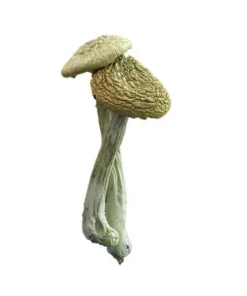
MAGIC MUSHROOMS
Psilocybe Azurescens – Ultra-Potent Wild Psilocybin Mushroom
Price range: $180.00 through $870.00
This product has multiple variants. The options may be chosen on the product page 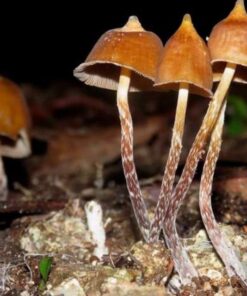
Price range: $178.00 through $865.00
This product has multiple variants. The options may be chosen on the product page 
MAGIC MUSHROOMS
Price range: $180.00 through $860.00
This product has multiple variants. The options may be chosen on the product page 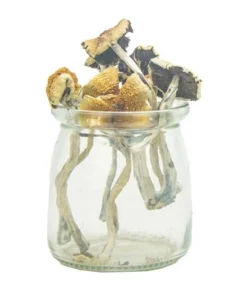
MAGIC MUSHROOMS
Price range: $175.00 through $850.00
This product has multiple variants. The options may be chosen on the product page 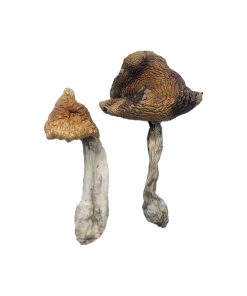
Price range: $180.00 through $885.00
This product has multiple variants. The options may be chosen on the product page 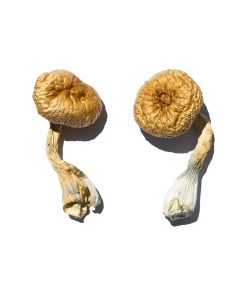
Price range: $185.00 through $860.00
This product has multiple variants. The options may be chosen on the product page 
Price range: $180.00 through $920.00
This product has multiple variants. The options may be chosen on the product page
Kobe Easton (verified owner) –
It’s like these mushrooms knew exactly where to go.
Quincy Bernard (verified owner) –
Beautiful energy.
Ella Cox (verified owner) –
Helped me realize how much I was carrying emotionally. It softened the edges of everything.
Tanner Paul (verified owner) –
This is more than just a shop. It’s a trustworthy path into inner work.
Miranda Paulson (verified owner) –
Each trip feels safe and magical. It’s like coming home to myself.
Julia Parker (verified owner) –
The moment I opened the package, I could tell this team values the experience as much as the product.
Francesca Wyatt (verified owner) –
Felt held by something bigger than me.
Lucia Banks (verified owner) –
I wasn’t expecting such a deep emotional reset. It was like therapy, but from within.
Hunter Butler (verified owner) –
Even in silence, I felt deeply connected — like I was being held by the universe.
Cora Saunders (verified owner) –
I felt held the entire time — from opening the package to the final moments of deep reflection.
Langston Moyer (verified owner) –
A guided, intuitive healing experience.
Giselle Durham (verified owner) –
I’ve tried many sources, but this one truly feels professional and cared for.
Zaylee Radcliffe (verified owner) –
Such a gentle push toward healing.
Brandon Hall (verified owner) –
Fast, stealthy delivery and amazing quality. I could feel the professionalism behind every step.
Lacey Frazier (verified owner) –
Perfect trip, start to finish.
Willow Love (verified owner) –
Hands down the best source I’ve come across. Quality, care, and customer support were all on point.
Wayne Pratt (verified owner) –
It brought me into the moment in the most intimate way. I noticed the beauty in the tiniest details.
Desmond Cain (verified owner) –
No drama, no noise — just peace, insight, and quality. That’s what this experience gave me.
Skye Zimmerman (verified owner) –
Absolutely floored by the professionalism. Discreet, fast, kind, and most importantly — powerful results.
Rylee Corbin (verified owner) –
Amazing quality mushrooms! I’ve never felt more connected to the world around me.
Kevin Hill (verified owner) –
This isn’t just about the trip — it’s about feeling safe, informed, and respected along the way. That’s exactly what I got here.
Benjamin Campbell (verified owner) –
Discreet doesn’t even begin to describe it — everything was flawless. And the emotional release I had during the session? Unmatched.
Bella Mason (verified owner) –
Beautiful experience, smooth journey, and zero stress about shipping. These folks know exactly what they’re doing.
Lylah Randle (verified owner) –
The packaging was professional, the product was fresh, and the journey was profound.
Dakota Watts (verified owner) –
This helped me close an emotional chapter I’d been stuck in. The quality made that healing possible.
Bo St. Clair (verified owner) –
I felt cradled in love.
Alexis King (verified owner) –
A deeply emotional journey that was only possible because I knew I was in good hands.
Haven Parks (verified owner) –
No stress, no confusion — just a beautifully smooth and thoughtful experience from start to finish.
Christopher Wilson (verified owner) –
The best part was knowing I didn’t have to worry about the process. I could just focus on the journey.
Oscar Stone (verified owner) –
This wasn’t just a trip — it was a reconnection to parts of myself I’d forgotten.
Lucia Banks (verified owner) –
Sometimes you just need to be held by an experience. That’s what this was — and I’m grateful it came from people who understand that.
Dominic Duncan (verified owner) –
It worked well across a variety of recipes.
Emerson Irwin (verified owner) –
Overall, I was very satisfied with the purchase.
Oscar Henderson (verified owner) –
The order was packed carefully and shipped promptly.
Adeline Parsons (verified owner) –
I enjoyed the overall experience from ordering to cooking.
Olivia Brooks (verified owner) –
Everything arrived neatly packed.
Chloe Cameron (verified owner) –
I appreciated the careful packaging.
Melanie Eaton (verified owner) –
The quality made meal preparation easy.
Brian Cameron (verified owner) –
The packaging was compact and easy to store.
Daniel Jackson (verified owner) –
The website made ordering fast and easy.
Jack Hampton (verified owner) –
The order arrived on time without any issues.